
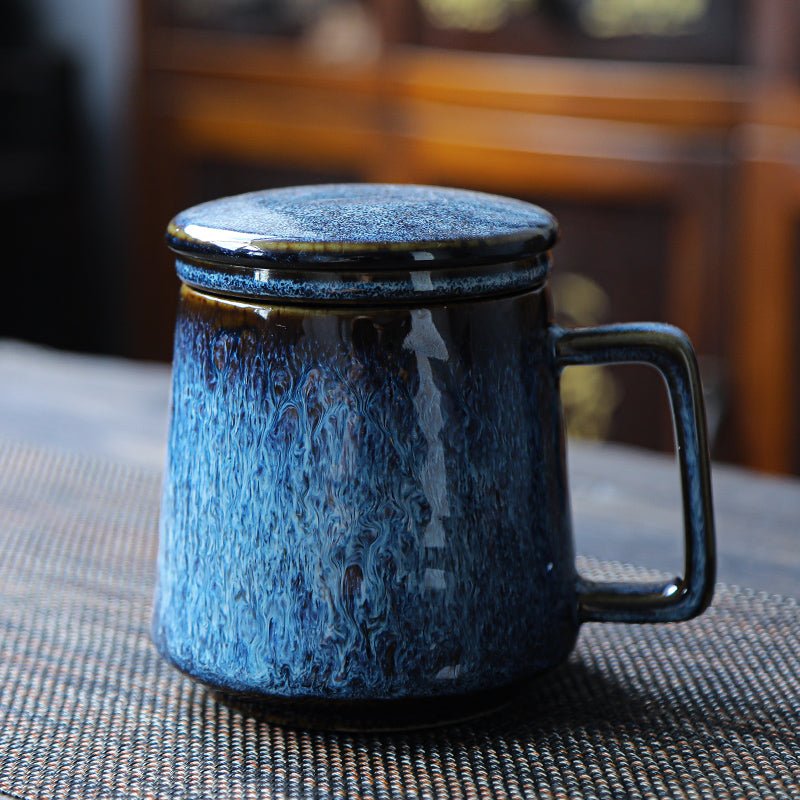
Mason Jar Coffee Mug Guide: What to Check Before You Buy
Reading time: about 11 minutes
The first disappointment with a mason jar coffee mug usually happens after the photos. It looks warm and inviting on the kitchen counter, then the coffee cools faster than expected, the glass feels hotter in your hand than a ceramic mug would, or the handle turns out to be tighter than it looked online. That does not make the style a bad buy. It just means the jar shape works best for some routines and not others.
We handle drinkware in this category every day in our store, and we see the same pattern over and over: shoppers who love a mason jar coffee mug tend to use it for iced coffee, cold brew, tea, brunch setups, and gifting. Shoppers who want a long, slow, hot coffee at a desk often end up happier with a different silhouette. If you know that trade-off before you buy, the choice gets much easier.
What is a mason jar coffee mug actually best for?
A mason jar coffee mug is strongest as casual home drinkware. The clear body shows off layered drinks, flavored cold brew, lemon tea, and milk-based coffee better than an opaque mug. The wider mouth also makes it easier to drop in ice cubes, stir syrups, and clean the inside with a soft sponge or bottle brush.
For hot coffee, it can still work well, especially if you tend to finish a cup quickly or serve coffee at the table rather than carry it around all morning. The limitation is simple: glass usually does not hold heat the way a thicker ceramic mug does, and jar-style handles are not always as generous as traditional mug handles.
- Best for: iced coffee, cold brew, tea, layered lattes, and rustic table settings.
- Works fine for: regular hot coffee at home if you drink it without letting it sit too long.
- Less ideal for: long meetings, slow desk sipping, or anyone who wants strong heat retention.
- Not a travel solution: unless a specific lid is designed to seal securely, we would not treat it like a commuter cup.
There is also a style factor that matters more than some buyers expect. A mason jar coffee mug looks relaxed and homey on open shelving, breakfast trays, and gift tables. That same look can feel a little bulky in a minimal office setup or next to a compact espresso machine. If your drinkware lives on display, that may be part of the appeal. If pure function matters more, you may prefer a cleaner cup profile.
What should you inspect before buying one?
The details that separate a keeper from a cabinet filler are small and very practical. On our side, the first things we check are the rim, the wall thickness, the handle clearance, the base, and any lid or gasket parts. A mug can arrive without obvious damage and still feel awkward after one use if one of those basics is off.
- Glass type and heat guidance: If a listing clearly says borosilicate or tempered glass, that gives you more confidence around normal hot drink use. If the glass type is not stated, treat it conservatively and avoid sudden temperature jumps.
- Rim finish: A smooth lip matters. Rough seams, tiny chips, or uneven finishing around the mouth are the kind of flaw you notice on every sip.
- Handle clearance: Some jar-style mugs have smaller handles than standard coffee mugs. If two fingers barely fit, the mug may feel cramped once it is full.
- Base stability: A flat base is essential on office desks, side tables, and stone counters. Even a slight wobble becomes irritating fast.
- Neck and thread area: If the mug follows a true mason-jar shape, check that the threaded area does not make the lip feel awkward and that any lid sits evenly.
- Capacity and headroom: Many buyers like the look of a jar mug, then realize the chosen size leaves too little room for milk foam or ice. A smaller hot-coffee pour and a large iced drink rarely want the same cup.
Common defect modes in this category are also worth knowing. We watch for hairline stress marks near the handle attachment, cloudy glass from weak finishing, chips around the rim, and bases that do not sit completely flat. If a mug includes a silicone gasket, plastic straw opening, or metal screw band, those pieces deserve the same scrutiny. A glass body can stay fine for years while the accessory parts wear out first, hold odors, or trap moisture if they are not dried properly.
Is a mason jar coffee mug better for hot coffee or cold drinks?
Cold drinks are where this style usually shines. You can see the drink level clearly, the wide opening makes ice easier to manage, and the presentation feels more intentional than pouring cold brew into an ordinary mug. For hot coffee, the answer depends on your habits. If you brew a quick cup and drink it in ten or fifteen minutes, a mason jar coffee mug can be perfectly enjoyable. If you refill once and nurse the cup through half the morning, ceramic normally does a better job.
| Drink routine | How a mason jar coffee mug performs | What to watch for |
|---|---|---|
| Hot black coffee | Good for short home use | Heat fades faster than in many ceramic mugs, and the glass can feel warm in the hand. |
| Iced coffee or cold brew | Very strong fit | Use a coaster if it will sit on a wood desk or paper notebook because condensation can build quickly. |
| Lattes with milk or foam | Works if the mug has enough headroom | A smaller jar can feel crowded once you add milk, foam, whipped topping, or ice. |
| Commuting or bag carry | Poor fit | Jar-style mugs are rarely the safest option for movement unless the lid is specifically built to seal. |
If the seller does not clearly state that the mug is microwave-safe or dishwasher-safe, do not assume it is. That matters even more with glass than with basic ceramic. Rapid thermal change is a real weak point in this category. Moving a cold mug straight from the fridge or sink into very hot liquid is a much riskier habit than most buyers realize.
Our quick rule: buy the jar shape for the drink you make most often, not the one you make once in a while for photos.
How comfortable is it for daily use on a desk or kitchen counter?
Comfort is where buyers either stay loyal to the style or quietly stop reaching for it. A mason jar coffee mug can feel excellent if the balance is right and the handle has enough room. It can also feel clumsy if the body is wide, the handle is tight, or the base takes up too much space next to a keyboard, coaster, and notebook.
In our experience, the easiest comfort check is not visual. Fill the mug to the level you would actually drink from. Hold it one-handed for thirty seconds. Set it down on a coaster. Pick it back up again after the outside has a little condensation or warmth on it. That quick routine tells you more than a product photo ever will.
- Check the grip: Your fingers should slide through the handle without pressing hard against the glass.
- Check the balance when full: A mug that feels fine empty can feel front-heavy once the drink is in it.
- Check the desk footprint: Jar-style mugs can be wider than standard mugs, which matters on crowded desks and narrow shelves.
- Check how it washes: A straight-sided jar is often easy to clean inside, but lids, threads, and removable gaskets can slow down the routine.
There is no single perfect answer here. Buyers with larger hands often prefer a more conventional mug handle. Buyers who mostly drink iced coffee at home may never notice that trade-off. If you already know you like a lighter visual look and do not mind using a coaster, the mason jar format can still be a strong everyday piece.
What are the trade-offs compared with other mug styles?
This is the question that saves people from buying the wrong mug for the right aesthetic. A mason jar coffee mug offers clear glass, a rustic profile, and a generous opening. A more traditional mug often offers better heat retention, a more natural hand position, and a simpler care routine. Neither is automatically better. They serve different routines.
If you like the vintage mood but are not sure the jar shape fits your day-to-day use, compare it against a few nearby options in our store. Our Retro Coffee Tea Cup is a good fit for shoppers who want nostalgic character without the mason-jar profile. The Ball Handled Coffee Tea Mug makes more sense if handle comfort is high on your list and you want a more standard mug feel. The Pleated Coffee Tea Cup is a smart alternative if you like visual texture and a tidier shelf presence.
That side-by-side comparison matters because style names can pull you in faster than routine fit. A mug that looks rustic is not always the best hot-coffee mug. A cup that feels slightly less novel can be the one you actually reach for every morning. If you want the broadest comparison, our all mugs collection lets you look at jar shapes, handled mugs, and other cup profiles together instead of guessing from one product page.
- Choose a mason jar coffee mug if you want clear glass, easy ice access, and a casual farmhouse look.
- Choose the Ball Handled Coffee Tea Mug if hot coffee comfort and grip matter more than novelty.
- Choose the Retro Coffee Tea Cup if you want vintage character with a more classic drinking experience.
- Choose the Pleated Coffee Tea Cup if you want visual detail without leaning all the way into the jar style.
How should you wash, dry, and store a mason jar coffee mug so it lasts?
Glass drinkware lasts longer when you clean it promptly and avoid treating it like indestructible tableware. Coffee oils, milk film, and sweet syrups are easiest to remove the same day. Leave them overnight around a threaded neck or under a lid gasket, and the cleanup gets much more annoying.
- Rinse the mug soon after use, especially after milk drinks, flavored lattes, or sweetened iced coffee.
- Use a soft sponge, soft bottle brush, or non-abrasive cloth instead of a rough scrub pad.
- Dry the rim, base, and any threaded area thoroughly so water does not sit in grooves.
- If the mug has a lid, gasket, straw opening, or screw band, wash those parts separately and let them dry before reassembly.
- If the listing says dishwasher-safe, place the mug where it will not knock against heavy stoneware during the cycle.
- Avoid moving the mug from very cold conditions straight into very hot liquid unless the product specifically states stronger thermal resistance.
Storage matters too. We suggest keeping jar-style glassware where it will not clink against dense plates, cast-iron cookware, or stacked ceramic mugs. If the mug is mostly for guests or gift unboxings, that may be simple. If it lives in a busy family cabinet, give it a little space. The most common long-term damage in this category is not dramatic breakage. It is small rim chips, cloudy buildup, and wear around removable lid parts.
Frequently asked questions
Is a mason jar coffee mug good for hot coffee?
Yes, if your hot coffee routine is fairly quick and mostly at home. The main limitation is heat retention: glass usually cools faster than thicker ceramic, and the outside can feel warmer in your hand. For long desk sessions, many buyers prefer a more traditional mug.
Do mason jar coffee mugs leak if they have a lid?
Some do, some do not. A decorative lid or a simple straw opening should not be treated as a fully leakproof seal unless the product clearly says so. If you plan to carry the mug from room to room or keep it near electronics, check the lid design carefully.
What size mason jar coffee mug works best for iced coffee?
A larger size usually feels easier for iced drinks because ice, milk, and stirring space all take up room. If you like a lot of ice or add cream and syrup, smaller capacities can feel cramped fast. For plain hot coffee, that extra room is not always necessary.
Can I put a mason jar coffee mug in the microwave or dishwasher?
Only if the product details say you can. Plain glass bodies are sometimes dishwasher-safe, but lids, gaskets, printed decoration, or metal parts may need hand washing. Microwave use is also not something to assume with glass drinkware unless the listing states it clearly.
Is a mason jar coffee mug a good gift for a coffee lover?
It can be a very good gift if the person likes rustic kitchen style, iced drinks, or visible glassware on open shelves. It is a weaker gift choice for someone who wants a heat-holding, workday coffee mug above all else. If you are unsure, comparing it against a more conventional mug shape is the safer move.
What is the easiest next step if you are still deciding?
Use this quick checklist before you place the order:
- Pick the drink you make most often: hot drip coffee, latte, tea, or iced coffee.
- Decide whether you care more about presentation or heat retention.
- Check handle clearance, base stability, and any care instructions for lids or gaskets.
- Compare the jar shape with at least one standard mug profile so you can judge the trade-off honestly.
- Browse the all mugs collection and keep the mason jar option only if it still fits your real routine better than the alternatives.
If the rustic glass look is exactly what you want, a mason jar coffee mug can be a satisfying buy. If comfort, long heat hold, or simpler daily handling matter more, the better choice is usually obvious once you compare shapes side by side.
More from our blog
Read more
Teal Coffee Mugs: How to Choose the Right Style, Size, and Finish
Teal coffee mugs can be practical, giftable, and easy to live with if you match size, finish, and shape to how you actually drink. This guide covers what to check before you buy.
En savoir plus
Dutch Bros Coffee Mugs: What Buyers Should Check Before Ordering
A practical guide to choosing dutch bros coffee mugs for real daily use, with size, material, and care trade-offs explained from a seller's point of view.
En savoir plus
Laisser un commentaire
Ce site est protégé par hCaptcha, et la Politique de confidentialité et les Conditions de service de hCaptcha s’appliquent.