
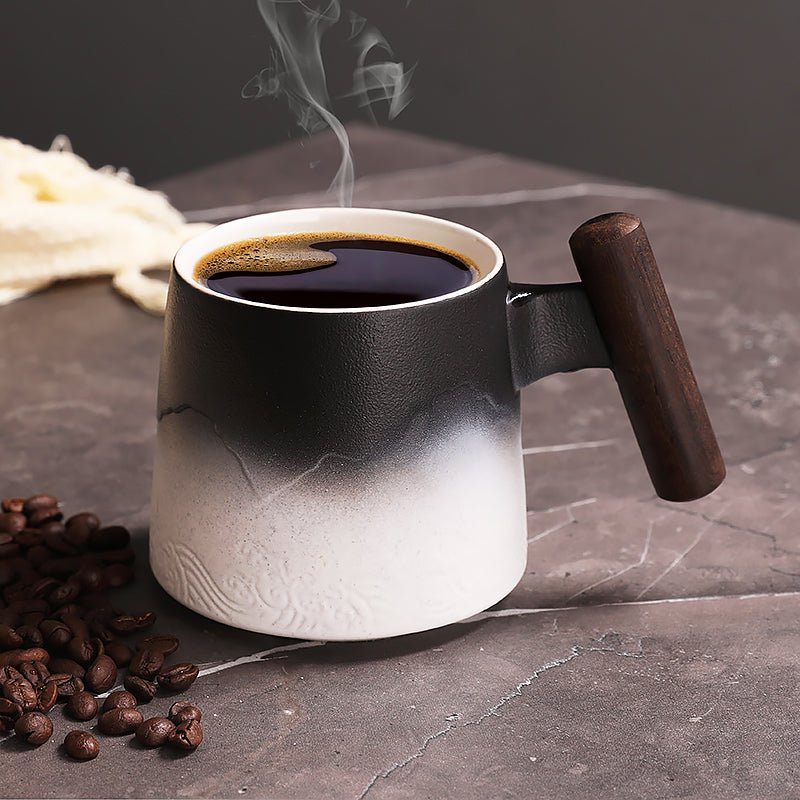
Mary Engelbreit Coffee Mugs: What Buyers Should Check Before Ordering
Reading time: about 8 minutes
A chipped rim, a faded floral print, or a mug that feels too small for a real morning pour can turn a fun find into a regret. That is the part shoppers usually notice only after the mug arrives.
If you are comparing mary engelbreit coffee mugs, the useful questions are simple: is it a true everyday mug, a display piece, or a gift that needs to survive regular use? We handle a lot of mug shopping decisions in our store, and the best purchase is usually the one that matches the buyer's routine instead of the picture on the listing.
For shoppers who want to compare styles side by side, our current assortment starts at our products page, and the full catalog is available in our all-collections page.
What makes Mary Engelbreit coffee mugs appealing to buyers?
The appeal is usually the same three things: the illustration style, the giftable feel, and the nostalgic look that works on a kitchen shelf without trying too hard. Buyers often want a mug that feels cheerful in the hand and still looks good on a desk or in a curio cabinet.
That said, a decorative mug is not always the best everyday mug. Some collectors want the artwork first. Daily coffee drinkers usually care more about capacity, handle comfort, and whether the finish will hold up after repeated washing.
In our experience, people shopping this category usually fall into one of three groups:
- Collectors who care about edition, artwork placement, and condition.
- Gift buyers who want something warm, recognizable, and easy to wrap.
- Daily users who want a cheerful mug that still works for coffee, tea, or cocoa.
What should you check before buying one?
This is where buyers save themselves from disappointment. A listing photo can make a mug look perfect even when the real issue is on the bottom, inside the bowl, or around the handle.
Look for these specifics before you buy:
| Buyer check | What to look for | Why it matters |
|---|---|---|
| Capacity | Common everyday sizes like 8 oz, 12 oz, 16 oz, or 20 oz | Small mugs are better for espresso or tea; larger mugs suit drip coffee and office refills |
| Material | Ceramic or stoneware, and whether the glaze is smooth and even | Stoneware usually feels heavier; ceramic often looks finer and lighter in hand |
| Condition | Rim chips, hairline cracks, crazing, and handle wear | These can affect comfort, longevity, and whether the mug is better for display than daily use |
| Care | Dishwasher-safe or hand-wash-only notes | Vintage decals and printed artwork may wear faster with harsh washing |
If you want a broader sense of size before narrowing to a gift or collection piece, our guides on 12 oz Coffee Mugs: What to Check Before You Buy and 16 oz Coffee Mugs: What to Check Before You Buy are a good starting point.
Is a Mary Engelbreit mug better for collecting or daily use?
That depends on the specific mug. Some pieces are best treated like display items, especially if the artwork is delicate, the glaze shows age, or the market listing makes no clear mention of dishwasher or microwave safety.
For daily use, we recommend checking for three practical things: a comfortable handle that clears two fingers, a stable base that does not wobble on a desk, and a rim that feels smooth against the lip. A mug can be beautiful and still be annoying to drink from if the handle is cramped or the cup is too tall for a coffee maker tray.
For collecting, condition matters more than capacity. Minor shelf wear may be acceptable if the art is rare or hard to find. For everyday use, we would rather have a simpler mug with a clean interior glaze and no rim wear.
Trade-off to keep in mind: the most decorative mug is not always the most durable mug. If you plan to use it every morning, favor clear care instructions over a perfect listing photo.
What size works best for coffee, tea, or a gift?
Size changes how the mug feels in real life. A mug that looks generous online can end up being too small for a standard drip coffee, while a large mug can feel bulky for tea or cocoa.
Here is the short version we use when helping buyers compare:
- 8 oz: Best for small pours, espresso-based drinks, or people who like a lighter cup. Not ideal if you want a full mug of drip coffee.
- 12 oz: A balanced everyday size for many kitchens. This is often the easiest gift size because it works for coffee and tea without feeling oversized.
- 16 oz: Better for long work sessions, larger pours, or anyone who wants fewer refills. It can feel too large for small hands.
- 20 oz: Useful for big coffee drinkers, but it is not the best choice if the mug has a narrow handle or will be stored in a crowded cabinet.
If you want to compare the larger end of the range before buying, our guides on 20 Ounce Coffee Mugs: What Buyers Should Check Before Ordering and A buyer's guide to large capacity coffee mugs cover the fit and handling questions that matter most.
How do you spot a good gift mug versus a shelf piece?
Gift mugs need to be easy to understand at a glance. The best ones usually have a clean design, obvious usability, and no condition issues that would make the recipient feel like they were handed a castoff.
A good gift mug usually has:
- A cheerful front-facing design that reads well without explanation.
- A practical size, usually 12 oz or 16 oz, unless the recipient specifically prefers smaller cups.
- Clear care expectations, especially if the mug includes vintage artwork or a delicate decal.
- Packaging that protects the rim and handle during shipping or wrapping.
For buyers who want something charming but not necessarily collectible, our article on Adorable Coffee Mugs: What to Look for Before You Buy is a useful companion read. It helps narrow the gap between a cute piece and one that actually gets used.
What are the common problems with vintage-style mugs?
We see the same issues again and again in this category. They are not dramatic, but they matter once the mug gets used on a kitchen counter or washed after a busy morning.
- Hairline cracks: They can hide under glaze and become more visible after hot liquid is added.
- Rim chips: These change how the mug feels when drinking and can make a gift look incomplete.
- Faded artwork: The design may still be charming, but it may not match the listing photos closely.
- Crazing: Fine crackling in the glaze can be cosmetic, but it is still worth noting for collectors.
- Handle wear: A handle that has rough edges or old staining may be a sign of heavy use.
These issues do not automatically make a mug worthless. They just change the use case. A buyer looking for a display shelf piece may accept a little aging. A buyer who wants a reliable office mug should be stricter.
Should you choose a Mary Engelbreit mug for everyday coffee?
Yes, if the mug is structurally sound and the size fits your routine. No, if you mainly want a rugged workhorse and the listing is vague about care or condition.
For everyday coffee, we would look for a smooth interior glaze, a comfortable handle, and a base that sits flat on a desk without spinning. Dishwasher-safe mugs are easier to live with, especially if the mug will be used in a busy kitchen or office. If the design is a vintage print that seems fragile, hand washing is the safer choice.
This is also where practical comparison matters. A decorative mug can be lovely, but a plain 16 oz stoneware mug may be a better fit if the buyer wants heat retention, repeated washing, and less concern about preserving artwork. If the goal is a showpiece, the trade-off flips.
Frequently asked questions
Are Mary Engelbreit coffee mugs dishwasher safe?
Some are, but not all. The safest answer is to check the listing, bottom stamp, or seller notes before you buy. Vintage decals and printed designs can wear faster in a dishwasher, especially on the top rack over time.
What size Mary Engelbreit coffee mug is best for a gift?
We usually see 12 oz as the safest gift size because it works for coffee, tea, and cocoa without feeling oversized. If the recipient drinks large drip coffee at a desk, 16 oz is a better fit. Smaller mugs are more niche and work best for collectors or espresso drinkers.
How do I know if a vintage mug is in good condition?
Look closely at the rim, handle, base, and inside walls. Avoid visible chips, cracks, or heavy glaze wear if you want it for daily use. Light shelf wear is normal on older mugs, but it should be disclosed and clear in photos.
Are Mary Engelbreit coffee mugs good for microwave use?
Only if the seller or manufacturer says they are microwave safe. Older mugs, metallic accents, and some decorative glazes should not go in the microwave. If the listing does not say, treat it as not microwave safe.
What is the best place to start if I want to compare mugs before buying?
Start by deciding whether you want a collectible, a gift, or an everyday mug. Then compare capacity, handle comfort, and care instructions before you look at artwork alone. If you want to browse options first, start with our all-collections page and narrow from there.
What should you do next?
Before you buy mary engelbreit coffee mugs, use this quick checklist: confirm the size, inspect the rim and handle, check the care instructions, and decide whether you want a collector piece or an everyday cup. That small filter keeps you from paying for a mug that looks right but fits the wrong use case.
If you are still comparing options, start with our products page and then branch into the size guides that match the way you actually drink coffee.
More from our blog
Read more
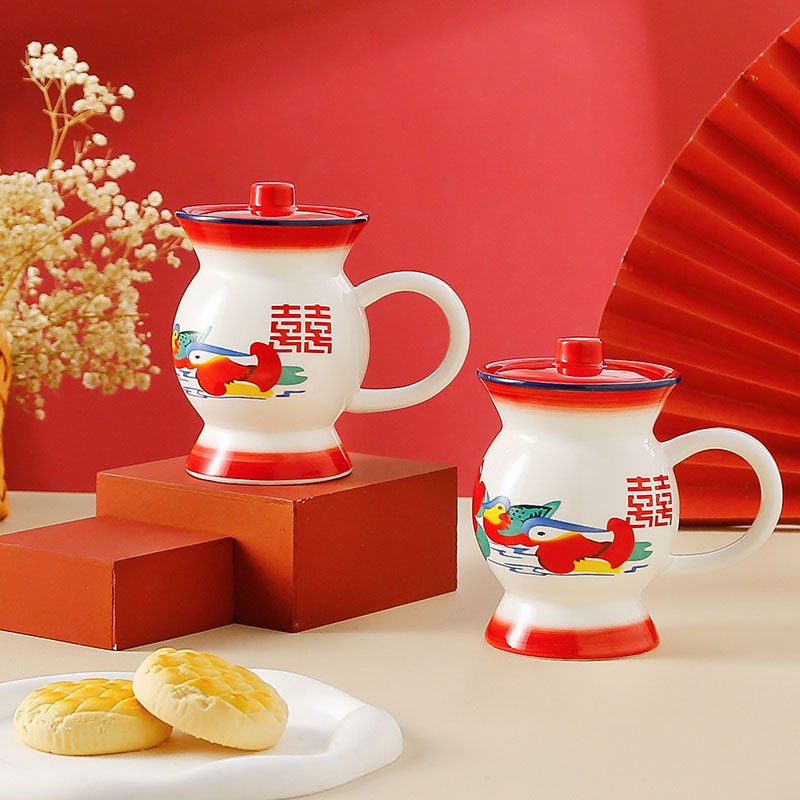
Largest Coffee Mug: How to Choose the Right Oversized Cup
A large mug can solve a real coffee routine problem, but only if it fits your brewer, hand, and shelf space. We break down what the largest coffee mug really means, what 20 oz and 24 oz mugs are go...
En savoir plus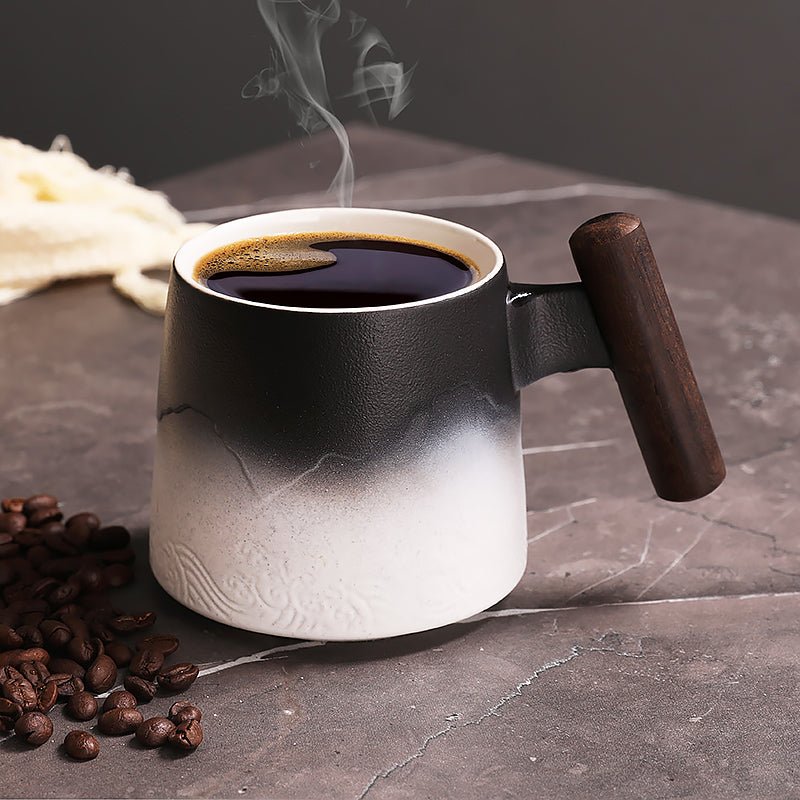
Discount Coffee Mugs That Still Feel Solid and Useful
Discount coffee mugs can be a smart buy if you know where the shortcuts are. We break down materials, sizes, care, and the trade-offs that matter before you order.
En savoir plus
Laisser un commentaire
Ce site est protégé par hCaptcha, et la Politique de confidentialité et les Conditions de service de hCaptcha s’appliquent.