
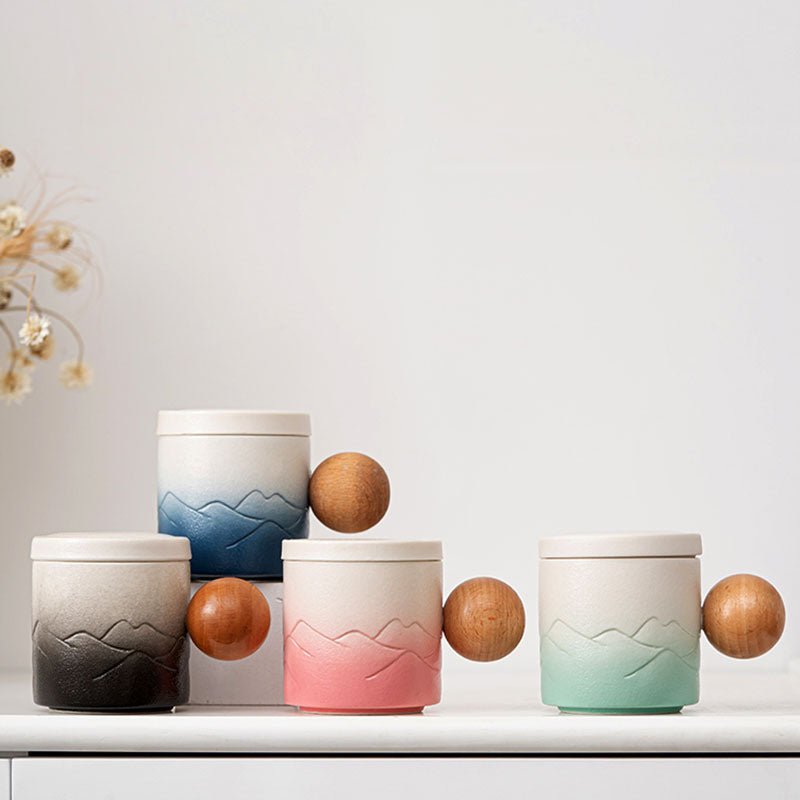
Macchiato Cup for Desk Use: 170 ml, 200 ml, or 250 ml?
Reading time: about 8 minutes
The cup that looks compact on a kitchen shelf can feel surprisingly awkward once it sits between a keyboard, notebook, charging cable, and water bottle. We see this regularly in our store: shoppers begin by comparing capacity, then realize the real desk question is where the handle lands, how much headroom they need, and how often they want to leave their screen for a refill. A macchiato cup for desk use should suit the drink you actually pour, not simply look small enough for the workspace.
Our current macchiato-sized options span 170 ml, 200 ml, and 250 ml. That is a useful range, but capacity alone does not settle the decision. A traditional espresso with a small amount of milk, a foam-topped coffee-house macchiato, and a longer drink called a latte macchiato can all call for different amounts. Treat the cup size as practical pouring room, not as a rule about what a macchiato must be.
Why does a macchiato cup for desk use need practical headroom?
Working capacity is different from a cup's stated capacity. Filling to the rim makes a desk drink harder to carry from the kitchen counter, more vulnerable to a jolt from a mouse cable, and less pleasant if there is foam or milk on top. We recommend leaving visible space at the top for any drink that will travel from the coffee machine to a desk.
That space matters most with a milk-topped drink. Espresso and a small addition of milk may leave plenty of room in a 170 ml cup, while a looser foam cap or a larger pour can make the same cup feel crowded. The 200 ml and 250 ml choices give more room to manage the pour, but they also move the purchase away from the smallest, most concentrated serving style.
For a desk setup, consider the full route: make the drink, carry it one-handed, set it down without moving your keyboard, then take several short sips between tasks. A cup that technically holds your recipe but needs to be filled to its edge is not the relaxed fit most buyers expect.
170 ml, 200 ml, or 250 ml: how often will you refill?
The three current sizes address distinct desk routines. The capacity figures below are product capacities, not recommendations to fill every cup completely.
| Current option | Capacity | Desk routine it best supports | Trade-off to consider |
|---|---|---|---|
| Retro Coffee Tea Cup | 170 ml | Short espresso-based breaks and small pours | Less room for a larger milk drink or a long no-refill stretch |
| Pleated Coffee Tea Cup | 200 ml | A middle-ground desk cup with more practical pouring room | Still not intended to replace a large morning coffee mug |
| Ball Handled Coffee Tea Mug | 250 ml | Buyers who want a more generous serving before the next refill | The handle shape deserves extra clearance beside a keyboard |
Use these comparisons as a starting point:
- 170 ml: A sensible fit if your usual desk drink is a concentrated espresso-based pour and you prefer a fresh refill later rather than a larger first serving.
- 200 ml: The practical middle option for shoppers who want room for espresso, milk, and foam without stepping into a full-size office mug.
- 250 ml: Better for a slower work session or a more generous coffee or tea pour. It is not the strongest match for someone specifically chasing the smallest traditional macchiato presentation.
Refill frequency is not automatically a problem. Some customers deliberately choose the smaller cup because a quick refill gets them away from the desk for a moment. Others need their drink to carry them through a meeting, in which case 250 ml reduces interruptions. The right answer depends on your work rhythm, not a universal serving standard.
How much desk footprint does a handle really add?
Capacity describes what is inside the cup. Footprint describes the space it claims beside your work. The body, handle, and the empty area needed to grasp that handle all count. A cup can look compact from the front while still needing more side clearance than expected once your hand approaches it.
Before choosing, set a mug or glass where the new cup will live and check three points: the space between it and the keyboard, the room available on the side where you naturally reach, and whether the cup must share space with a notebook or docking station. Right-handed buyers commonly prefer the handle facing into open space on the right; left-handed buyers should reverse the check. This sounds minor until a handle repeatedly catches a cable or presses against a stack of papers.
The visible ball handle on the 250 ml option is part of its appeal, but it is also the reason to check hand clearance honestly. A handle that feels comfortable near an open kitchen counter may be less convenient on a narrow desk ledge. The retro and pleated forms may suit buyers prioritizing a visually quieter desktop, but the current product page is the best place to inspect the form before ordering.
Which CoffeifyMug cup matches your workday?
We keep these recommendations tied to the stated capacity and visible form, because those are the details that genuinely affect this purchase.
- You make a small espresso-based drink and want the least excess cup around it: the Retro Coffee Tea Cup has a 170 ml capacity. It fits the buyer who values a shorter, more compact coffee break. It is not the best pick for routinely large milk-forward drinks.
- You want more margin above the drink without committing to a larger mug: the Pleated Coffee Tea Cup offers 200 ml. This is the measured choice for a desk drink that sometimes includes foam or a little extra milk, while remaining closer to cup scale than mug scale.
- You prefer fewer refills during longer work blocks: the Ball Handled Coffee Tea Mug holds 250 ml. Choose it for the added serving room, then make sure its distinctive handle has an unobstructed place on your desk. It is less suitable if minimal footprint is the priority.
For a wider view of the shapes available, browse our unique coffee mugs collection after narrowing down your capacity. Shoppers comparing the three macchiato sizes in more detail can also use our macchiato cup capacity comparison to separate drink volume from everyday cup fit.
What should you verify about material and care before it reaches your desk?
Do not infer material, dishwasher suitability, microwave suitability, or care requirements from a cup's silhouette. Those details can depend on the exact product and finish, so check the current product listing before purchase and follow its care guidance rather than applying a blanket rule from another cup in your cabinet.
For a cup that will move between kitchen and desk every day, build a quick care check into the decision. Confirm the listed material and care instructions, avoid abrasive cleaning tools unless the listing permits them, and inspect the cup after unboxing before it becomes part of a gift or daily rotation. Look closely at the rim, the base contact area, and the handle join for any issue that should be raised with customer service before use.
Dishwasher cycles can be convenient, but convenience is not the only consideration. A buyer who values a specific finish or wants to be especially careful with a frequently handled desk cup may prefer the gentler care method stated for that product. For a substantially larger daily drink, our office coffee mug desk-fit guide is the more relevant comparison than trying to force a macchiato cup into a large-mug role.
Frequently asked questions
Is a 170 ml macchiato cup for desk use too small?
Not if you make a small espresso-based drink and do not mind a later refill. The 170 ml Retro Coffee Tea Cup gives more room than a tiny espresso cup, but it is not designed to stand in for a large coffee or a lengthy tea serving.
Should I choose 200 ml or 250 ml for coffee at my desk?
Choose 200 ml when you want a moderate cup with practical room for milk or foam. Choose 250 ml when fewer refills matter more, and first check that the Ball Handled Coffee Tea Mug has enough handle clearance beside your keyboard.
Can I use these cups for tea as well as macchiato?
Yes, each linked product is presented as a coffee and tea cup or mug, and capacity remains the deciding factor. A 170 ml or 200 ml cup suits a short tea serving, while 250 ml offers a more generous amount; none should be assumed to replace a massive tea cup.
How do I stop a desk cup from feeling cramped beside my laptop?
Reserve a fixed spot next to the laptop rather than placing the cup directly in front of it. Check the cup body, the direction the handle will face, and enough open space to grasp the handle without brushing cables, papers, or the keyboard.
Use this three-point desk check before choosing
Open the current product pages and make the decision against your real workspace: first, choose the capacity that matches one normal pour; second, leave practical headroom rather than planning to fill to the rim; third, picture the handle where your hand will reach for it. Start with the 170 ml Retro option for compact espresso breaks, the 200 ml Pleated option for more flexible pouring room, or the 250 ml Ball Handled option for longer intervals between refills. Then use the CoffeifyMug collection to compare the current forms that fit the way your desk actually works.
More from our blog
Read more
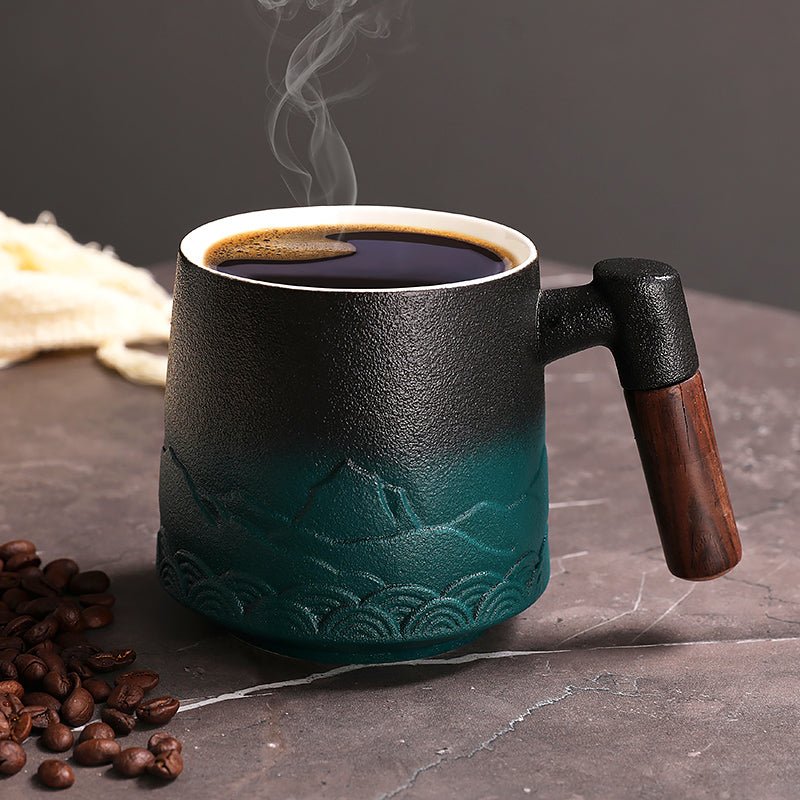
Coffee Mug Gift Idea for Desk Use: Capacity and Footprint
Choose a desk-ready coffee mug gift by checking capacity against refill habits, measuring the real desk footprint, and matching the artwork to the recipient's workspace. Compare three CoffeifyMug c...
En savoir plus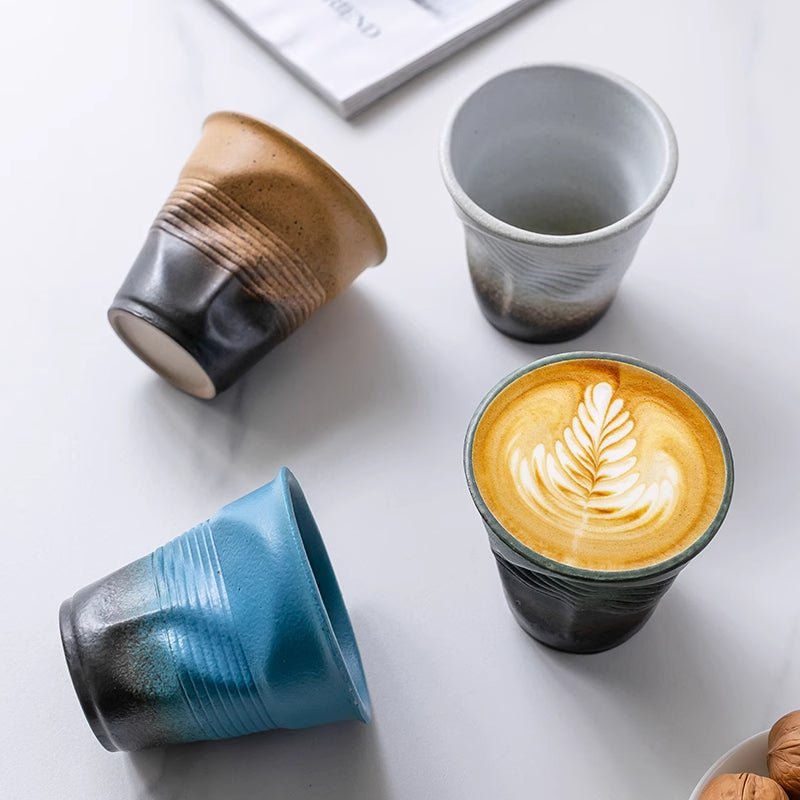
Ceramic Cortado Cup for Desk Use: Capacity and Product Fit
Compare the current 170 ml, 200 ml, and 270 ml ceramic options for a work desk, with practical guidance on refill frequency, headroom, handle clearance, and desk-space trade-offs.
En savoir plus
Laisser un commentaire
Ce site est protégé par hCaptcha, et la Politique de confidentialité et les Conditions de service de hCaptcha s’appliquent.