

Lead Free Coffee Mugs: What Buyers Should Check Before Ordering
Reading time: about 8 minutes
A mug can look clean and premium on the shelf and still be a poor buy if the glaze is uneven, the handle pinches your fingers, or the base rocks on a desk. For shoppers comparing lead free coffee mugs, those small details matter as much as the label.
In our store, we see the same pattern again and again: people want a mug that feels safe, pours cleanly, and survives ordinary use at home or in the office. They do not want a fragile novelty piece that chips after a few dishwasher cycles or feels awkward during the first cup of the morning.
What makes a mug actually worth buying if you want a lead-free option?
Lead-free is the starting point, not the finish line. A good mug still needs a smooth drinking rim, a stable foot, and a glaze that looks even after repeated washing.
- Material: ceramic, stoneware, or porcelain can all be lead free, but build quality matters more than the label alone.
- Rim thickness: a thicker rim usually feels sturdier and holds heat longer, while a thinner rim can feel lighter but cool faster.
- Handle clearance: enough room for two or three fingers makes a bigger difference than most product photos show.
- Base and balance: a flat, stable base is less likely to wobble on a work desk, tray, or kitchen counter.
Lead free coffee mugs are a smart choice for everyday coffee, tea, and office refills, but they are not automatically the best pick for every use. If you need maximum insulation for commuting or long meetings, a travel tumbler may suit you better. If you want a mug that can sit on a kitchen shelf and still feel giftable, then shape, color, and handle design start to matter a lot.
We tell customers to buy the mug they will actually use on a busy Tuesday, not just the one that photographs well.
Which checks do we make before we put a mug on the shelf?
In our experience, the easiest defects to miss online are the ones you feel after unboxing. A mug may photograph beautifully and still have a rough foot ring, a slightly off-center handle, or tiny glaze pinholes that catch your eye once you hold it in daylight.
- Run a finger along the rim. It should feel smooth all the way around. Any roughness on the drinking edge is a bad sign for daily use.
- Check the handle opening. Your fingers should not crowd the handle or rub against the body of the mug.
- Set it on a flat surface. A mug should sit level on a kitchen counter, office desk, or tray without wobbling.
- Inspect the glaze. Look for pinholes, cloudiness, or patchy coverage, especially near the bottom and inside the cup.
- Look at the bottom edge. A rough foot can scratch tables and feels cheap in hand, even if the mug looks good from the front.
If a product page does not clearly say whether a mug is dishwasher safe, microwave safe, or hand wash only, do not assume. That is one of the most common mistakes buyers make, and it is where a simple kitchen mug can turn into a disappointment.
Which mug shape suits your daily routine?
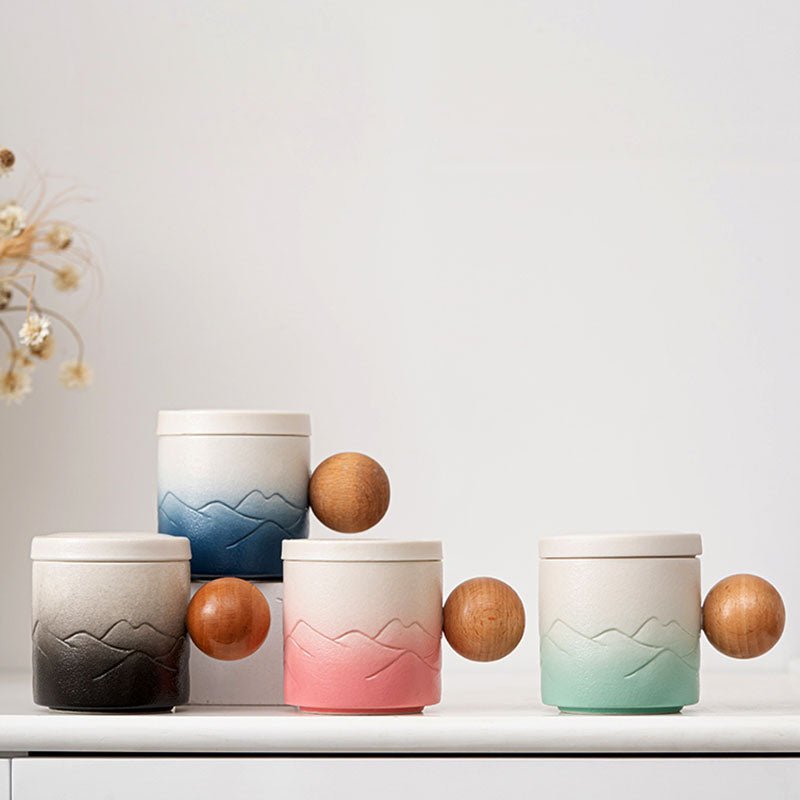
Shape is not just style. It changes how the mug feels in your hand, how easy it is to clean, and how comfortable it is to use during a long workday. If you want to compare a few distinct options, start with the Gradient Coffee Tea Mug, the Retro Coffee Tea Cup, and the Ball Handled Coffee Tea Mug.
| Mug | Best for | Trade-off to think about |
|---|---|---|
| Gradient Coffee Tea Mug | Buyers who want a more visual, gift-ready mug for kitchen counters or desk setups. | Decorative finish can matter more than minimalism, so it may not suit someone who wants a plain utility mug. |
| Retro Coffee Tea Cup | Shoppers who prefer a smaller, classic look that feels casual and easy to reach for. | A compact cup can feel less roomy if you drink larger pours or add a lot of milk. |
| Ball Handled Coffee Tea Mug | People who like a distinctive grip and a mug that feels different from standard handle shapes. | The handle style is not for everyone, especially if you want the most conventional feel in the hand. |
For shoppers comparing the full range in one place, our all mugs collection is the quickest way to see how shape, color, and handle style change the buying decision.
How do these options compare if you also care about size?
Size changes how a mug feels more than most buyers expect. A 12 oz mug can feel tidy and controlled for black coffee, while a 16 oz mug is better if you add milk, foam, or want fewer refills during a long morning. If you are comparing capacity before you choose, our guides on 12 oz Coffee Mugs: How to Choose the Right Mug for Daily Use and 16 oz Coffee Mugs: How to Choose the Right Mug for Daily Use are the most practical follow-ups.
For a more purchase-focused checklist, our article Lead Free Coffee Mugs: What Buyers Should Check Before Ordering covers the same kind of details we use when we review mugs in the store: finish quality, shape, and the small issues that do not show up in a clean product photo.
What care keeps a lead-free mug looking good?
Lead free coffee mugs still need normal care. Chips, crazing, and thermal shock can ruin a mug long before any finish issue does.
- Let the mug warm gradually before adding boiling water if the body feels cold.
- Avoid moving it straight from very cold storage to a very hot drink.
- Watch the lip and base for chips, because those are the first places wear usually shows.
- Hand wash textured or highly detailed pieces if you want the finish to stay cleaner longer, even when the listing allows dishwasher use.
- Dry the mug fully before storing it, especially if the shape has a narrow foot or a deeper handle curve that can hold water.
That is the trade-off with most lead free coffee mugs: they can be excellent daily pieces, but they are still ceramic-style objects that benefit from ordinary care. If you want something for the car, for sports bags, or for temperature retention over hours, a mug is usually the wrong tool. A travel tumbler will do that job better.
What should you buy if you want one mug that feels practical and giftable?
If the goal is a single mug that feels safe, usable, and easy to give, choose the option with the best combination of rim comfort, handle clearance, and stable shape. A mug can have a beautiful finish and still be the wrong fit if it is too small for your usual pour or too awkward for your hand.
For a desk gift, the Gradient Coffee Tea Mug tends to read polished without looking fussy. For someone who likes a classic coffee-bar feel, the Retro Coffee Tea Cup is the simpler pick. For buyers who want a more distinctive shape and a different grip, the Ball Handled Coffee Tea Mug is the one that stands apart.
If you want to compare more styles before you decide, keep the check list simple: drinking comfort, handle space, base stability, finish quality, and care requirements. Those five points usually reveal the best buy faster than color alone.
Frequently asked questions
How can I tell if a coffee mug is actually lead free?
Look for explicit lead-free wording from the seller and any details about the drinking surface or glaze. If the listing is vague, ask before buying. A good product page should not leave you guessing about the basic safety claim.
Are lead free coffee mugs safe for daily hot drinks?
For normal coffee and tea use, they are suitable when they are made and sold for food contact and kept in good condition. Safety still depends on the overall build quality, the absence of chips or cracks, and following the care instructions.
Which mug shape is best for an office desk?
A stable base and a comfortable handle matter most on a desk. Many office buyers prefer a straightforward shape that sits flat and is easy to grip one-handed, especially during quick breaks between calls.
Are lead free coffee mugs dishwasher safe?
Some are, some are not. Check the product page and follow the care instructions exactly, because repeated washing can wear down a decorative finish even if the mug itself is still usable.
Should I choose a 12 oz or 16 oz mug?
Choose 12 oz if you prefer a smaller pour and a lighter mug in hand. Choose 16 oz if you drink larger servings, add milk, or want fewer refills. If you are undecided, size guides can help more than guessing from photos.
What is the best next step before you buy?
Start with the mug that matches your routine, then compare it against the practical checks above. If you want a fast shortlist, open the all mugs collection, compare handle comfort and shape, and pick the one that feels right for your desk, kitchen, or gift list. A good lead free mug should look good, feel solid, and make the daily pour easier, not more complicated.
Read more
Fiesta Coffee Mugs: What to Buy for Daily Use and Gifting
Fiesta coffee mugs work best when the size, handle shape, and finish match how you actually drink coffee. Here’s how we help shoppers compare daily-use options, gifting picks, and what to avoid.
En savoir plus
Interesting Mugs: What to Look For Before You Buy
Interesting mugs can be practical, not just decorative. We break down the shapes, handle comfort, and trade-offs so you can pick one that fits your desk, kitchen, or gift list.
En savoir plus
Laisser un commentaire
Ce site est protégé par hCaptcha, et la Politique de confidentialité et les Conditions de service de hCaptcha s’appliquent.