
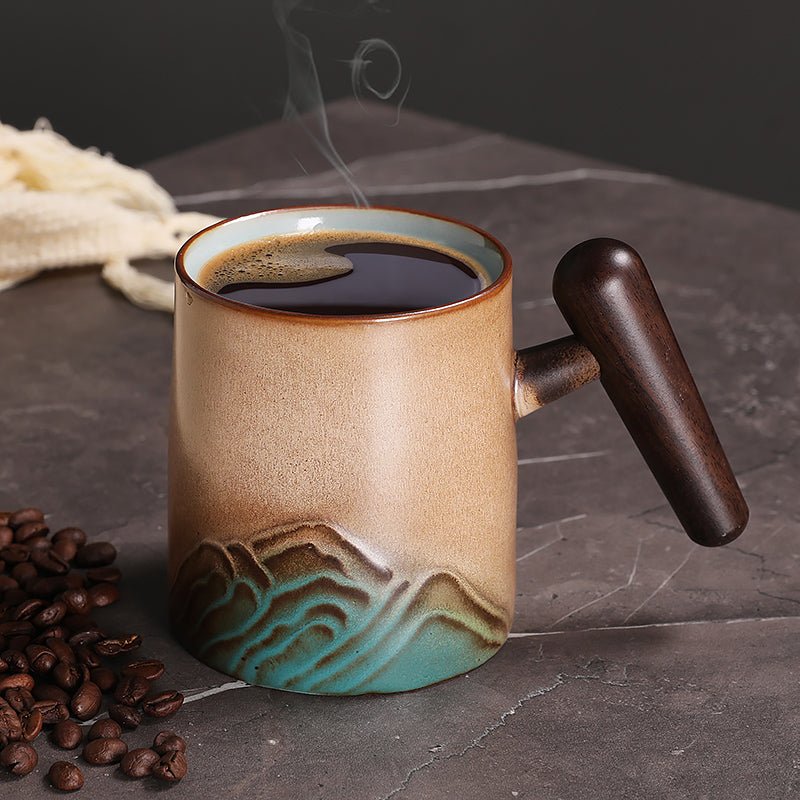
Large Tea Cup Buying Guide: What to Check Before You Buy
Reading time: about 10 minutes
A large tea cup sounds simple until you put one next to a regular mug on your kitchen counter and realize how much the shape changes the experience. Some cups hold a satisfying amount but feel awkward to lift. Others look roomy, then taper too sharply and leave you wishing for a second pour.
We handle this category every day in our store, and the same complaints come up again and again: the cup is too small for a long tea break, the handle is cramped, or the glaze marks show up after a few dishwasher cycles. If you are comparing a large tea cup for home, office, or gifting, the right choice is less about looks alone and more about the details that hold up in real use.
For readers who are also comparing larger coffee-style vessels, our Large Coffee Cup Buying Guide: What to Check Before You Buy and 700ml Cup Buying Guide: Size, Materials, and Daily Use cover the same practical questions from a slightly different angle.
What size counts as a large tea cup?
There is no single standard, which is part of the confusion. In day-to-day shopping, a large tea cup usually means a cup that feels noticeably roomier than a standard tea cup and is large enough for a proper pour without topping up every few minutes. That extra capacity matters if you drink loose-leaf tea, add milk, or simply prefer one generous serving at a time.
Here is how we usually frame it in our store:
- Moderately large: enough for a full mug-style tea serving without feeling oversized.
- Deep large: better for people who want more volume and fewer refills.
- Wide large: gives tea more surface area, which can cool faster and suit shorter drink times.
The best size depends on what you actually do at the table. A large tea cup for a quiet morning at home can be very different from one used at a desk, where you may want a stable base and a shape that fits under a coffee machine shelf or near a laptop.
If you are comparing larger capacity drinkware more broadly, our buyer’s guide to large capacity coffee mugs is useful for understanding where volume helps and where it starts to create handling issues.
Which materials work best for daily tea use?
Material changes the feel of the tea, the weight in your hand, and how much care the cup needs. We look at these differences closely because the same large tea cup shape can behave very differently depending on what it is made from.
| Material | What it feels like | What to watch for |
|---|---|---|
| Ceramic | Classic, balanced, good heat retention | Can chip at the rim or handle if handled roughly |
| Stoneware | Heavier and sturdy, often feels substantial | Weight can be tiring if you like a very large cup |
| Porcelain | Thinner, refined, usually lighter than stoneware | Can feel delicate if you prefer a thick-walled cup |
| Glass | Lets you see the tea color and strength | Shows water spots and can cool faster |
In our experience, ceramic and stoneware are the most forgiving for everyday use. They are comfortable for breakfast tables, work-from-home desks, and gift purchases because they feel familiar and hold heat reasonably well. Porcelain is a good pick if you want something lighter in the hand. Glass is best when appearance matters and you like watching herbal blends steep, but it is not the best option if you want the tea to stay hot for a long stretch.
Trade-off wise, heavier cups feel stable, but they are not ideal if your wrist gets tired or if you plan to carry the cup between rooms often. A lighter cup is easier to move, but it can feel less substantial and may cool the drink a bit faster.
What handle shape and lip detail make a difference?
These are the small details shoppers often notice only after they use the cup a few times. A large tea cup can be perfectly sized on paper and still be uncomfortable if the handle is too narrow, too close to the body, or angled in a way that forces your fingers into an awkward grip.
We look for three things:
- Handle clearance: enough room for an average finger grip without scraping the cup body.
- Balance: the cup should not tip too far forward when full.
- Rim comfort: a smooth lip matters more than people expect, especially for daily tea drinking.
A rounded, well-finished rim makes a difference with both hot tea and iced tea. A sharp rim is not usually a deal-breaker, but it can make the cup feel cheaper than it is. The handle should also be set far enough from the wall of the cup that your fingers do not press into a hot surface after a fresh pour.
For shoppers comparing shape and use case across seasons, our Autumn Coffee Mugs: How to Choose the Right Cup for Cozy Season piece covers the same comfort questions in a colder-weather setting.
What should you check if you plan to use it every day?
Daily use is where design choices either hold up or become annoying. A large tea cup that looks great on a shelf can still be the wrong choice if it stains easily, collects tea residue in a sharp inner corner, or does not fit in your dishwasher rack.
Before buying, we recommend checking the following:
- Dishwasher fit: make sure the cup height and handle shape will not block the upper rack.
- Microwave compatibility: especially important for ceramic and stoneware cups you plan to reheat.
- Base stability: a wider base reduces the chance of tipping on crowded desks.
- Surface finish: matte glazes can show tea marks differently than glossy ones.
- Interior shape: a smooth interior is easier to rinse and less likely to hold tannin stains.
We see a few common defect modes in this category. Thin handles can feel fine in photos but become the first point of stress if the cup is heavy. Unglazed or rough-feeling bases can scratch wooden tables. And oversized cups with tall walls sometimes trap heat longer than expected, which is nice for slow sipping but not ideal if you want tea to cool quickly.
If you are shopping for a larger all-purpose vessel rather than a pure tea cup, Big Coffee Cups: What to Check Before You Buy a Large Mug and Big Mug Coffee: How to Choose the Right Large Mug for Daily Use can help you compare shape, balance, and cleaning needs.
Is a large tea cup better than a standard tea cup?
Sometimes yes. Sometimes no. A large tea cup is a better fit if you drink longer, prefer fewer refills, or want a cup that doubles as an everyday mug for tea, broth, or herbal blends. It is also helpful for people who add milk, honey, or lemon and still want room left in the cup.
But a larger cup is not automatically better.
- Choose large if you like a generous pour and do not mind the extra weight.
- Choose standard if you prefer tea to stay hot with less surface area exposed.
- Choose narrow and tall if you want something that fits tight spaces or warms the hand less.
A large tea cup is not the best choice for delicate teas that you sip slowly over a very long time if you dislike cooling. It is also not ideal for small hands if the handle is tiny and the body is thick. In those cases, a lighter porcelain cup or a slightly smaller tea vessel may be more comfortable.
How do you choose a large tea cup as a gift?
Gift buyers tend to focus on color and presentation, but the cup still has to work after the unboxing. We often advise people to think about who will actually use it. A large tea cup for a home office person should be easy to hold during long calls. A cup for a tea lover may need enough width for a strainer or tea bag. A cup for someone who uses the dishwasher every day should have a finish that stands up to repeated washing.
Gift-friendly details worth checking:
- Neutral colors: easier to match with existing kitchenware.
- Comfortable weight: heavy enough to feel solid, not so heavy it feels cumbersome.
- Simple care: dishwasher-safe if the recipient prefers low-maintenance pieces.
- Clean packaging: especially important if you want the unboxing to feel deliberate.
In our store, we find that the most appreciated gifts are the ones that are easy to use on day one. Fancy is nice. Practical lasts longer. If you want to browse current options, our collection of all products is the best place to start.
How should you care for a large tea cup so it stays looking good?
Most large tea cups do not need special treatment, but a few habits keep them in better shape. Tea stains usually show up first inside the bowl and around the lower inner wall, especially with stronger black teas. Hard water can leave a dull film on glossy finishes, and stacked storage can chip rims if cups rub together.
We suggest this simple care routine:
- Rinse soon after use so tea residue does not set.
- Use a soft sponge rather than an abrasive pad on decorated glazes.
- Let the cup dry fully before stacking it with others.
- Check the base and handle after a dishwasher cycle if the cup is new to your routine.
If the cup has a metallic accent, printed decoration, or a very delicate glaze, handwashing is usually the safer route even if the piece tolerates occasional dishwasher use. That is one of the trade-offs of more decorative drinkware: it can look better on the shelf, but it often asks for a little more care.
What should you compare before buying from our store?
We recommend comparing a large tea cup the same way we would in our own packing area: hold it, imagine it full, and think about where it will live. A cup that feels perfect in the hand but does not clear your cabinet shelf is still the wrong cup. One that is beautiful but too heavy for long use will end up used less than you expected.
Use this quick checklist before you buy:
- Capacity: enough for your usual tea serving, not just “big enough” on paper.
- Material: ceramic, stoneware, porcelain, or glass based on how you actually drink tea.
- Handle comfort: easy to hold when the cup is full.
- Cleaning: dishwasher-friendly or easy to handwash without staining.
- Storage: fits your cabinet height and does not crowd other cups.
If you want a broader comparison across sizes and styles, our related guides on Big Mugs Coffee: How to Choose the Right Large Mug for Daily Use and Camping Cup Buying Guide: Materials, Sizes, and Real Trade-Offs are useful for understanding how the same shape behaves in different settings.
Frequently asked questions
What size is a large tea cup?
A large tea cup usually holds more than a standard tea cup and is sized for a fuller serving without frequent refills. Exact capacity varies by design, so we recommend checking both the listed volume and the cup’s shape. A wide cup can feel larger than a tall one even at the same capacity.
Is ceramic or stoneware better for a large tea cup?
Ceramic is a very safe everyday pick because it balances weight, comfort, and heat retention well. Stoneware feels sturdier and more substantial, but it is usually heavier in the hand. If you want a lighter cup, porcelain may be the better choice.
Can I use a large tea cup for coffee too?
Yes, many shoppers use one cup for both tea and coffee, especially if the shape is comfortable and the interior is easy to clean. Just keep in mind that stronger coffee can stain lighter glazes more quickly than tea. If you want a multi-use cup, check that the handle and base feel stable when the cup is full.
Are large tea cups dishwasher safe?
Many are, but not all finishes handle repeated dishwasher cycles equally well. Glossy ceramic and stoneware usually do fine, while decorated, metallic, or specialty-glazed cups may need handwashing. Always check the care notes before making it part of your daily routine.
What makes a large tea cup uncomfortable to use?
The most common issues are a cramped handle, a cup that is too heavy when full, and a rim that feels sharp or unfinished. We also see problems with tall cups that are hard to balance on a desk or cabinet shelf. If a cup looks nice but feels awkward empty, it usually feels worse once filled.
If you are ready to compare styles, start with the full CoffeifyMug collection and use the checklist above to narrow down the large tea cup that fits your daily routine.
Read more
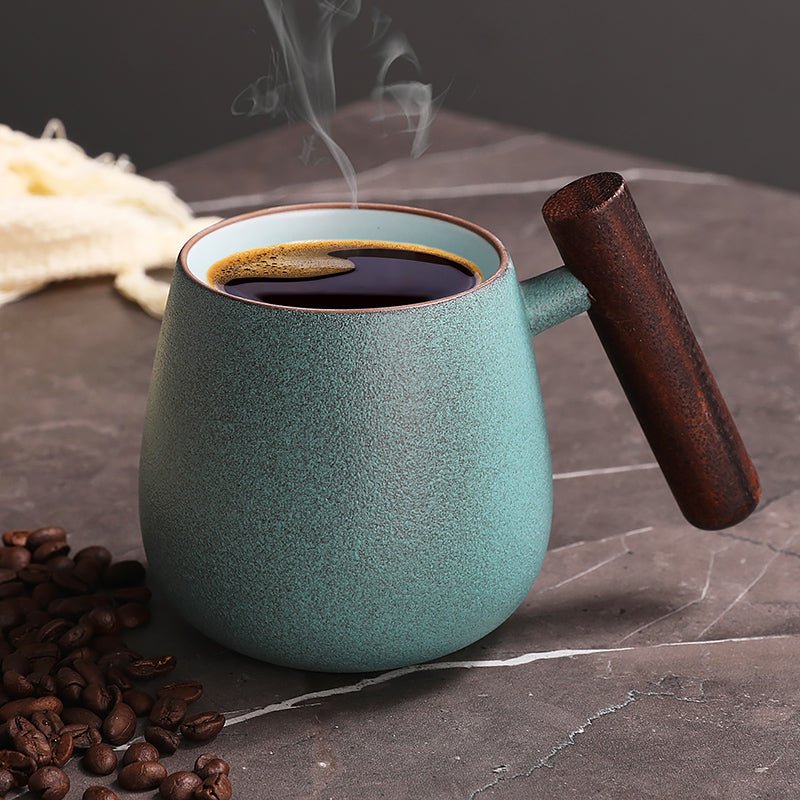
Yeti Travel Coffee Mug: What Buyers Should Check Before Ordering
A Yeti travel coffee mug can work very well for commutes and desk days, but the lid, size, and cleaning routine matter more than the name on the side. We break down the features that actually affec...
En savoir plus
Mutton Fat Jade: How to Judge Color, Texture, and Value
Mutton fat jade is prized for its even creamy tone, fine texture, and soft sheen, but it can hide treatment, repair, or weak polish if you do not inspect it closely. This guide shows what to check ...
En savoir plus
Laisser un commentaire
Ce site est protégé par hCaptcha, et la Politique de confidentialité et les Conditions de service de hCaptcha s’appliquent.