
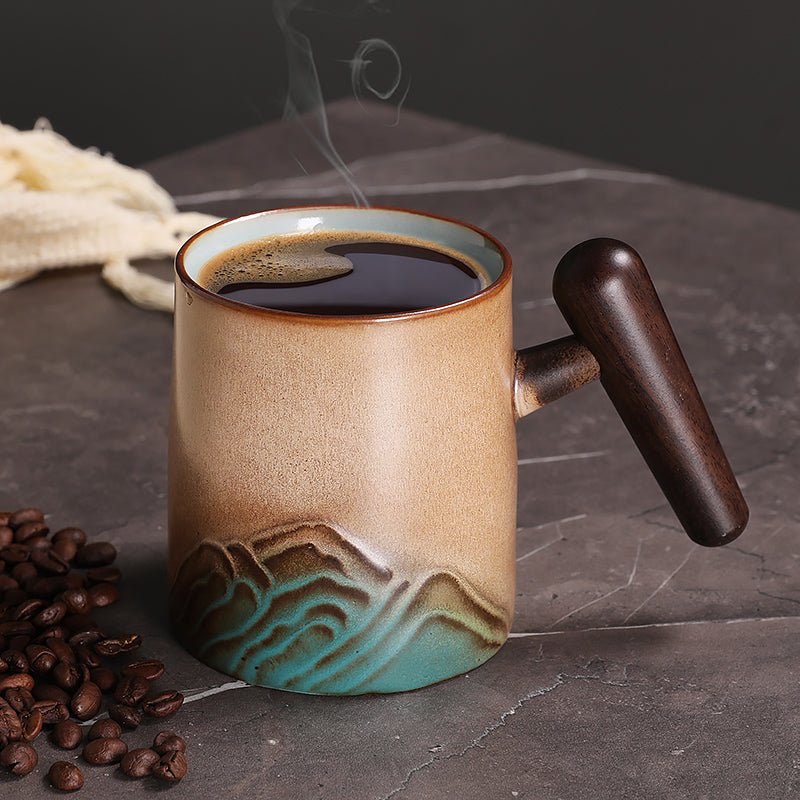
Large Mug Buying Guide: Size, Materials, and Daily Use
Reading time: about 9 minutes
A large mug looks simple on the shelf. Then you bring it to a desk, fill it with coffee, and realize the handle hits your fingers, the rim feels too wide, or the mug is too heavy once it is full. That is usually where the buying decision gets real.
At CoffeifyMug, we handle a lot of shopper questions around oversized mugs for coffee, tea, cocoa, and soup. The best large mug is not just the biggest one. It is the one that fits your pour size, your cabinet space, your dishwasher, and the way you actually drink.
If you are comparing options right now, this guide will help you sort out the useful details before you buy. If you want to browse what we carry, start with our full collection or see current options on our product page.
What size counts as a large mug?
There is no single standard, but most shoppers mean something larger than a regular 11 oz coffee mug. In practice, a large mug often starts around 14 oz and can run up to 20 oz or more. That extra capacity matters if you drink long pours, use milk, or do not want to refill every 10 minutes.
Size alone does not tell the whole story. A 16 oz mug with thick walls may feel smaller in the hand than a 14 oz mug with a tall, slim shape. The usable fill line, wall thickness, and handle clearance all change how large it feels in daily use.
| Common size | Typical use | What to watch |
|---|---|---|
| 14 oz | Regular coffee with a little room for milk | Often easier to store and lighter when full |
| 16 oz | Standard large mug for coffee or tea | A good middle ground for most buyers |
| 18 oz to 20 oz | Big pours, lattes, cocoa, soup | Can be heavier and may not fit every machine or cabinet |
For shoppers comparing larger formats, our related guide on 20 oz coffee mugs covers the trade-offs that show up once you get past the standard size range.
Which material works best for a large mug?
Material changes the experience more than many buyers expect. In our store, the most common conversation is between ceramic and stoneware. Both are practical for everyday use, but they behave a little differently.
- Ceramic: Often smoother and slightly lighter. Good for office desks and quick dishwasher cycles. It can chip if knocked against a sink or other mugs.
- Stoneware: Usually feels denser and sturdier in hand. It keeps heat well, but it may weigh more when full.
- Porcelain: Typically finer and more refined at the lip. It can feel elegant, but thin walls may not be ideal if you want the heaviest, most durable-feeling mug.
We pay attention to glaze quality too. A smooth, even glaze is easier to clean and less likely to stain from coffee oils. Rough or pinholed glaze can hold onto residue around the inside wall, especially after repeated use with dark roast coffee or tea.
One thing a large mug is not ideal for: people who want the lightest possible cup for frequent one-handed use. If you drink on the move, a travel tumbler may be a better fit. A large mug is built for sitting still on a kitchen counter, work desk, or table.
How do handle shape and balance change daily comfort?
This is where a mug either feels right or becomes annoying fast. A bigger mug gets heavy once it is filled, and the handle has to support that weight without forcing your knuckles into the cup body.
We look for handle openings that allow at least two fingers comfortably for most hands. That matters if the mug is 16 oz or larger. A tiny handle on a large mug is a common complaint because the mug can feel unstable and awkward to lift after a full pour.
Balance is just as important. A tall mug with a narrow base can feel top-heavy, especially if you set it on a crowded desk or carry it from the kitchen with one hand. A slightly wider base tends to feel steadier on slick countertops and office tables.
In our experience, the best large mug is the one you do not notice after the first sip. If you keep adjusting your grip, the design is working against you.
What features should you check before buying a large mug?
Small details decide whether a mug becomes your daily favorite or gets pushed to the back of the cabinet. Here is the checklist we use when evaluating this category for our store and for shoppers who ask for help choosing.
- Capacity: Confirm the ounce size, but also think about how high you normally fill it.
- Rim shape: A smoother rim feels better for daily coffee and tea.
- Handle clearance: Check whether your fingers fit without touching the hot body.
- Base stability: A steadier base is better for desks and busy kitchen counters.
- Finish: A quality glaze resists staining and is easier to wash.
- Care instructions: Make sure it fits your routine, especially if you rely on the dishwasher.
Common defect modes in this category are usually practical, not dramatic. We watch for handle seams that feel rough, glaze inconsistencies around the interior, and bases that are slightly uneven. Those details may seem small online, but they show up immediately when you place the mug on a flat table or wash it every day.
If you want a broader comparison before choosing, our article on what to check before you buy a large mug goes deeper on size, shape, and everyday handling.
Is a large mug good for coffee only, or for tea and other drinks too?
A large mug is usually a strong all-purpose pick. Coffee is the obvious use, but many shoppers buy one for tea, matcha, hot chocolate, broth, or even a simple breakfast oatmeal routine. The extra volume is useful when you want one vessel to do more than one job.
That said, not every drink benefits from a larger mug. Delicate teas can cool too slowly in an oversized mug with thick walls, and espresso drinks can look a little lost in a very large cup. If you mostly drink smaller servings, a mid-size mug may feel more comfortable and less wasteful.
For everyday coffee drinkers, a large mug makes the most sense when you usually pour a full cup and sit with it for a while. If you sip slowly during work meetings, a larger format keeps you from refilling repeatedly. If you finish coffee quickly, it may be more mug than you need.
How should you care for a large mug so it lasts?
Care is straightforward, but the details matter if you want the finish to stay clean and the mug to hold up over time. Most large mugs are easiest to maintain when you rinse them soon after use, especially after coffee with cream or flavored syrups that can leave a film.
For dishwasher-safe mugs, place them where they will not bang against other items during the wash cycle. That helps reduce chips on the rim and handle. For hand washing, use a soft sponge rather than an abrasive pad so the glaze stays smooth.
Drying fully before stacking is a good habit too. Moisture trapped between stacked mugs can leave rings or trapped odors, especially if the cupboard stays closed for long periods.
- Rinse after use if you drink dark coffee or tea often.
- Avoid hard scrubbing on decorated or matte finishes.
- Let the mug cool before moving it from hot liquid to cold water.
- Store it where the handle will not get clipped by neighboring cups.
What makes a large mug a better gift than a standard mug?
A large mug is a practical gift when the person actually uses bigger servings. It works well for office desks, morning routines, and at-home coffee stations. The key is choosing a shape and finish that feels deliberate, not oversized for the sake of it.
We like large mugs as gifts because they are useful without being overly specific. Still, they are not the best gift for someone who drinks small espresso shots, prefers a travel cup, or already has a favorite 8 oz cup set. If you are unsure, pick a large mug with a balanced handle and a clean, simple profile rather than a novelty shape.
If you are comparing gift-friendly options, our coffee large mug buying guide and the related large coffee mug buying guide can help you choose something useful instead of just decorative.
How do you compare large mugs quickly before buying?
Here is the short version we use when helping shoppers decide between similar mugs:
- Choose ceramic if you want a familiar everyday feel and easy cleanup.
- Choose stoneware if you prefer a heavier mug with a sturdy hand feel.
- Choose a 14 oz to 16 oz mug if you want the safest all-around size.
- Choose 18 oz to 20 oz if you often drink large pours and have space in your cabinet and dishwasher.
- Avoid extra-large shapes if you dislike weight, bulky handles, or mugs that crowd your desk.
For readers comparing different styles side by side, our piece on big mug coffee for daily use is a useful next read because it focuses on real daily trade-offs, not just capacity numbers.
Frequently asked questions
What size is a large mug for coffee?
Most shoppers mean 14 oz, 16 oz, or larger. A 16 oz mug is often the most versatile because it gives room for coffee plus milk without feeling oversized. If you like very full pours, 18 oz to 20 oz may suit you better.
Is a large mug too heavy for everyday use?
It can be, depending on the material and wall thickness. A large stoneware mug feels sturdier but usually weighs more when full, while a thinner ceramic mug may be easier to lift. If you have wrist sensitivity or plan to carry it around the office, compare weight and handle comfort carefully.
Are large mugs dishwasher safe?
Many are, but not all. Always check the care notes for the specific mug, especially if it has a specialty glaze, printed decoration, or metallic detail. Even dishwasher-safe mugs last longer when they are not packed tightly and are allowed to dry fully.
What is the best large mug for office use?
The best office large mug is stable, not too bulky, and comfortable to hold with one hand. A 14 oz to 16 oz mug is often easier on a desk than a very oversized one, especially if you keep a keyboard, notebook, and phone nearby. A wide base also helps prevent tipping.
What should I avoid when buying a large mug?
Avoid mugs with cramped handles, rough glaze, or a shape that feels too top-heavy when full. Also avoid going bigger than you need, since a large mug that is too heavy or too wide may end up unused. The right choice is the one that fits your drink size and your daily routine.
If you want to compare current options, check our full collection and use this checklist: size, handle comfort, material, and care instructions. That is the fastest way to find a large mug you will actually keep on the counter instead of hiding in the cupboard.
More from our blog
Read more
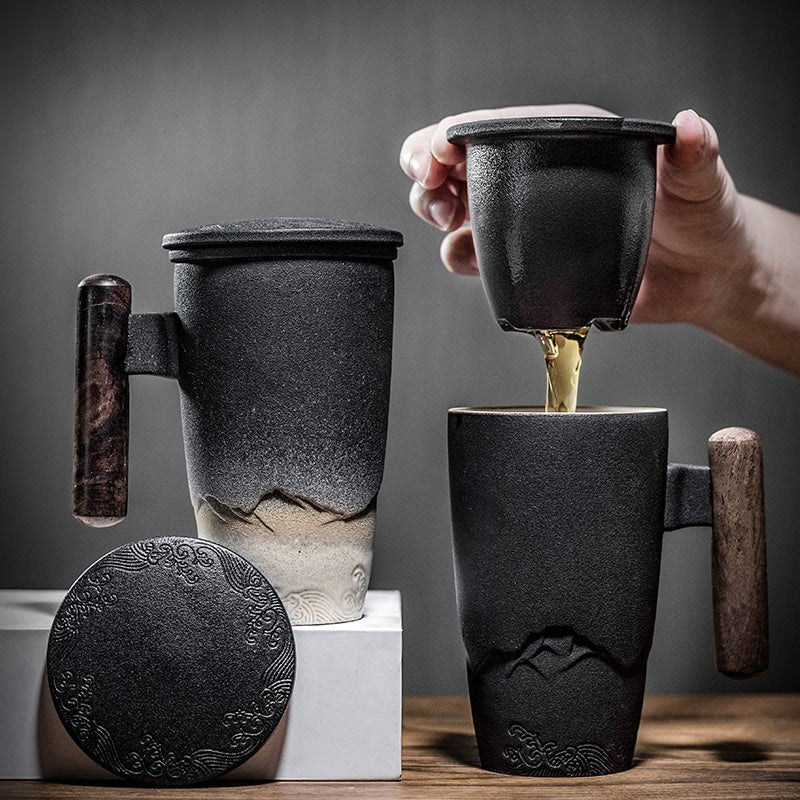
Smart Mug Coffee: What Buyers Should Check Before They Buy
A practical guide to choosing smart mug coffee gear that keeps drinks at the right temperature without adding daily hassle. We cover real trade-offs, care, and the features that matter at the desk,...
En savoir plus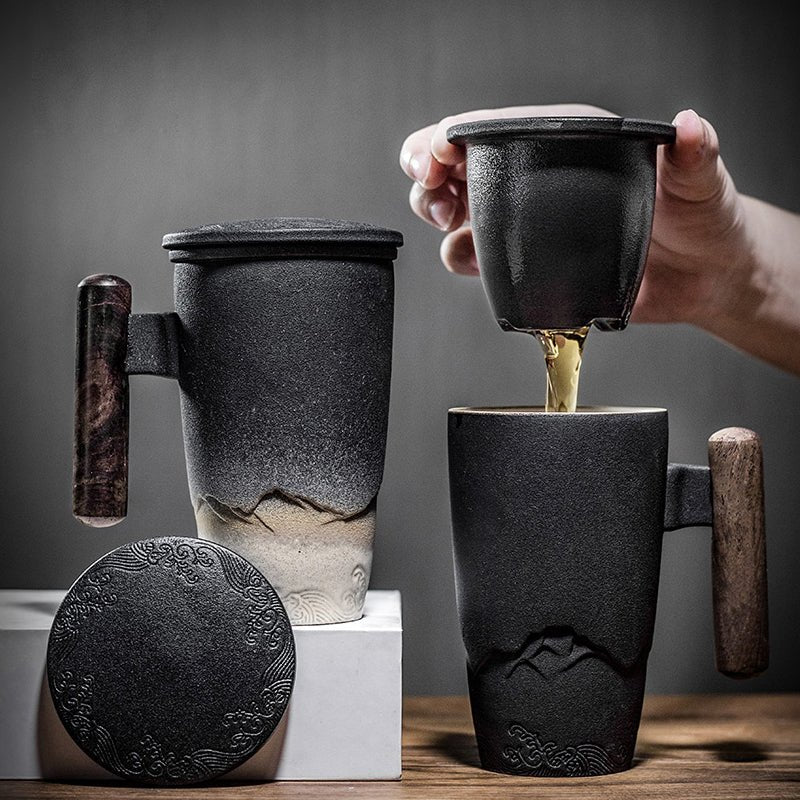
the view coffee mugs: what buyers should check before ordering
A practical buyer’s guide to the view coffee mugs, covering size, material, comfort, care, and the trade-offs that matter on a kitchen counter or office desk.
En savoir plus
Laisser un commentaire
Ce site est protégé par hCaptcha, et la Politique de confidentialité et les Conditions de service de hCaptcha s’appliquent.