
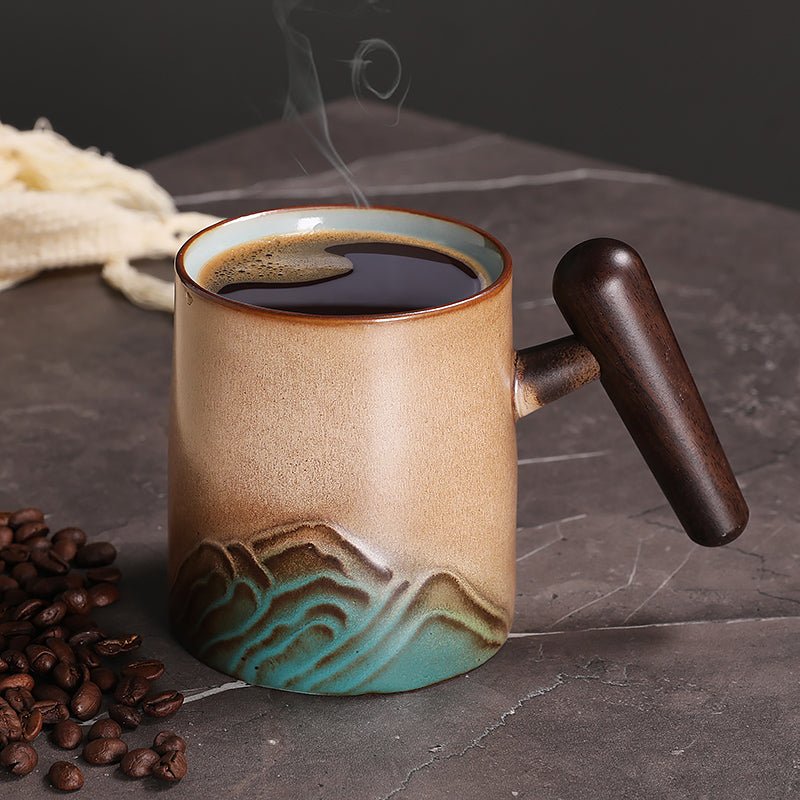
Large Coffee Cups: How to Choose One That Fits Daily Use
Reading time: about 9 minutes
A mug can look perfect on a product page and still feel wrong on a real kitchen counter. The complaints we hear most about large coffee cups are practical: the handle is too tight, the cup is too tall for the brewer, or the extra capacity makes the mug awkward to hold when it is full.
In our store, we treat big mugs as daily tools first and decor second. That means we look at the same things shoppers notice after a week of use: how hot the wall feels, whether the base sits flat on a desk, how the rim pours, and whether the mug survives dishwasher cycles without losing its finish. If you want a broader framework before you compare options, our Big Coffee Cups: What to Check Before You Buy a Large Mug post is a useful companion.
What size actually counts as a large coffee cup?
For most buyers, a large coffee cup starts around 14 to 16 ounces. That is the range where a mug begins to cover a full drip coffee pour, a generous latte, or a long morning refill without needing a second cup. Step up to 18 or 20 ounces and you are in true big-mug territory. Those sizes are useful if you drink slowly, work through a long desk session, or want one mug for coffee plus cream.
Size is not just about ounces. Shape matters just as much. A 16-ounce mug that is wide and stable can feel easier to use than an 18-ounce mug that is tall and narrow. A tall mug may hold more, but it can also be harder to fit under some brewers and more likely to feel top-heavy once filled.
| Capacity | Best for | Main trade-off |
|---|---|---|
| 12 to 14 oz | Standard drip coffee, smaller hands, lighter feel | May not feel large enough for a long pour |
| 16 oz | Everyday use, office desks, most drip brewers | Can still be too short for very large pours |
| 18 to 20 oz | Long mornings, generous lattes, fewer refills | Heavier when full and harder to store |
| 24 oz and above | Sipping slowly at home, soup, or oversized servings | Usually too bulky for comfortable daily hand use |
That last row matters. Bigger is not always better. Very large mugs are a poor fit if you want one-handed use, a tidy cabinet stack, or a cup that slips easily into a sink caddy. If your routine is more about ordinary coffee than oversized servings, a 16-ounce mug often hits the best balance.
Which material works best for daily use?
Material changes how a mug feels from the first sip to the last rinse. Ceramic is the most common choice because it gives a solid hand feel, holds heat well enough for home use, and is usually easy to clean. Porcelain is lighter and often feels more refined at the rim. Stoneware tends to feel sturdier and more substantial, but that extra body can also make the mug heavier when full.
We also see a clear divide in how people use these materials. A ceramic mug is usually a better choice for kitchen and office use if you want a familiar weight and a wider range of finishes. Porcelain can be a good pick for gift sets or a cleaner tabletop look. Stoneware works well if you like a mug that feels anchored in the hand, but it is not the best choice if you dislike heavy dish loads or prefer a lighter cup for repeated refills.
For shoppers comparing options, our A buyer's guide to large capacity coffee mugs article walks through those differences in more detail. The short version is this: choose the material that matches how you actually drink, not just how the mug photographs.
- Ceramic: Good all-around choice for everyday coffee and easy cleanup.
- Porcelain: Lighter in hand, often better for a cleaner, finer look.
- Stoneware: Durable feel, but heavier and sometimes bulkier.
- Glass or metal styles: Useful in specific cases, but less ideal if you want a classic mug feel or regular microwave use.
If microwave use matters, avoid metal-lined designs. If you want a mug that can move from office shelf to kitchen washer without fuss, a straightforward ceramic body is usually the safest place to start.
What details make a big mug comfortable instead of clumsy?
This is where shoppers usually feel the difference between a mug they keep and a mug they stop using. A large cup can still feel balanced if the handle is roomy, the base is stable, and the wall thickness is not excessive. The best big mugs do not advertise their size with bulk alone. They feel intentional.
We pay close attention to a few practical details when we evaluate this category. First, the handle needs enough clearance for two or three fingers without forcing the knuckles against the cup wall. Second, the base should sit flat without wobble. Third, the rim should feel smooth and even, because a rough or overly thick lip makes daily drinking less pleasant than it looks on screen.
Common defect modes are not dramatic, but they matter in real use:
- Rough handle seams: They make the mug uncomfortable before the first refill.
- Uneven foot rings: They create wobble on desks and trays.
- Glaze pinholes or crazing: Small surface flaws that can become noticeable after repeated washing.
- Overly tapered bodies: They reduce the usable volume even when the mug is advertised as large.
We also look for care instructions that match the buyer's routine. A mug that is dishwasher-safe but not microwave-safe can still be useful, but only if that fits your habits. If you heat coffee in the mug, recheck the finish and decoration details before buying. Printed or metallic accents can limit what the mug can handle.
For a tighter checklist before purchase, our Big Mug Coffee: How to Choose the Right Large Mug for Daily Use post focuses on the same fit questions we use in our own buying reviews.
Which large coffee cup fits your routine?
Different buyers want different things from the same size. A mug for the home office has different demands than a mug picked for gifting or occasional weekend use. This is why large coffee cups are not one simple category. They split into a few common use cases.
- For desk coffee: Choose a 14 to 16 ounce mug with a comfortable handle and a base that will not crowd your laptop or notebook.
- For slow morning drinks: Go to 18 ounces or more if you want fewer refills and do not mind a heavier mug in the hand.
- For gifting: Visual balance matters. A clean glaze, good proportions, and a finish that looks polished out of the box usually beat raw size alone. Our Beautiful Coffee Cups: What to Look for Before You Buy article is helpful here.
- For seasonal gifts: Presentation and finish often matter more than maximum capacity. If that is your use case, the ideas in Christmas Coffee Cups: How to Choose the Right Mug for Gifts and Daily Use carry over well.
- For iced coffee: A wider opening helps with ice and stirring, but a very tall mug can be awkward to lift and store.
There are also cases where a large coffee cup is simply the wrong product. If you commute, need a cupholder, or want to keep drinks hot for hours on the road, a travel mug is the better tool. A ceramic mug is not built for that job. It belongs on a counter or desk, not in a moving car.
Our customers usually split into two groups: people who want one reliable big mug for every morning, and people who want a few different cups for different drinks. If you are the first type, prioritize comfort and size consistency. If you are the second, it makes sense to own one broad 16-ounce mug and one larger option for weekends or second pours.
What should you check before buying online?
Photos can hide a lot. Before you click buy, we recommend checking the details below. This is the same list we use internally when we compare mugs for our own catalog and when we answer customer questions about fit and daily use.
- Capacity and dimensions: Look at ounces, height, and width together. A 16-ounce mug that is too tall may not fit your brewer.
- Handle size: Confirm that the handle is not only decorative. It should be large enough for a comfortable grip.
- Care instructions: Check dishwasher and microwave guidance before you assume the mug can handle both.
- Interior shape: A wide opening is easier to clean and better for milk drinks, while a narrow opening can retain heat longer.
- Base stability: A mug with a flat, balanced base is safer on desks, trays, and crowded counters.
- Replacement or return policy: If the mug arrives chipped, warped, or smaller than expected, you want a clear next step.
If you want to compare what we currently carry, start with our products page. If you prefer to browse everything in one place, the full collection is the fastest way to sort by shape, finish, and size. That is often the easiest route for shoppers who know they want a bigger mug but are still deciding on the exact style.
One last point from our side: large mugs are often used more heavily than decorative cups, so finish quality matters more than people expect. A cup that looks good on day one should still feel solid after repeated dishwasher cycles, daily handling, and the occasional knock against a sink edge.
Frequently asked questions
How many ounces is a large coffee cup?
Most shoppers start calling a mug large at around 14 to 16 ounces. If you drink long coffees, lattes, or refills throughout the morning, 18 to 20 ounces usually feels more like a true large cup. Anything above that is better treated as an oversized mug rather than a standard daily cup.
Are large coffee cups good for everyday use?
Yes, if the mug is balanced and not too heavy when full. A 16-ounce ceramic mug is often the most practical daily option because it gives you more capacity without becoming awkward to lift or wash. Very large mugs can work, but they are better for home use than for quick grab-and-go routines.
Can large coffee cups go in the dishwasher and microwave?
Many can, but not all. Always check the care instructions, especially if the mug has metallic accents, specialty finishes, or a printed design that may not tolerate heat. If microwave use matters to you, a simple ceramic mug is usually the safest choice.
What is the best large coffee cup for gifts?
The best gift mug usually has a clean shape, a comfortable handle, and a finish that looks finished even before it is wrapped. People rarely want the heaviest mug available as a gift; they want one that feels good in the hand and looks intentional on a kitchen shelf. If you are buying for gifting, style and comfort should carry equal weight.
Do large coffee cups work for iced coffee?
Yes, as long as the opening is wide enough for ice and stirring. A stable base matters more with iced drinks because the mug may be heavier and slipperier with condensation. Very tall mugs are less convenient here, especially if you want to add milk or syrup without splashing.
If you are ready to narrow your choices, use the checklist above and start with our products page, then compare the rest in the collection. Rule out anything too tall for your brewer, too heavy for your hand, or too limited in care instructions for the way you actually drink coffee.
More from our blog
Read more
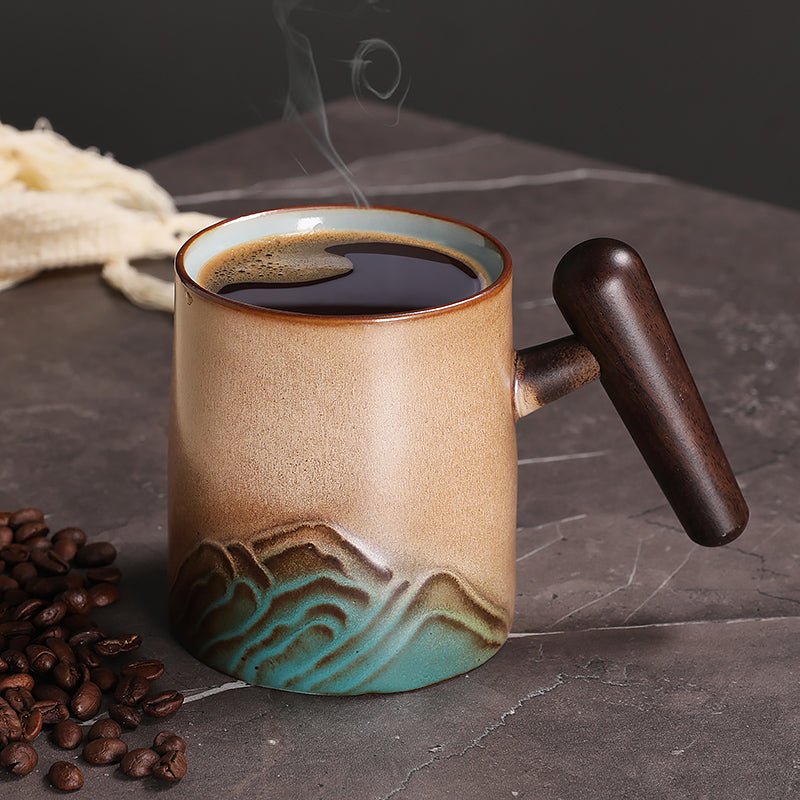
Large Mug of Coffee Buying Guide for Daily Use
A large mug of coffee is useful only if it fits your hand, your cabinet, and the way you actually drink. We break down size, material, care, and the trade-offs that matter before you buy.
En savoir plus
Large Tea Mug Buying Guide for Size, Shape, and Material
A practical guide to choosing a large tea mug that actually works for daily tea, desk use, and gifting. We cover size, shape, materials, care, and the trade-offs buyers should check before ordering.
En savoir plus
Laisser un commentaire
Ce site est protégé par hCaptcha, et la Politique de confidentialité et les Conditions de service de hCaptcha s’appliquent.