
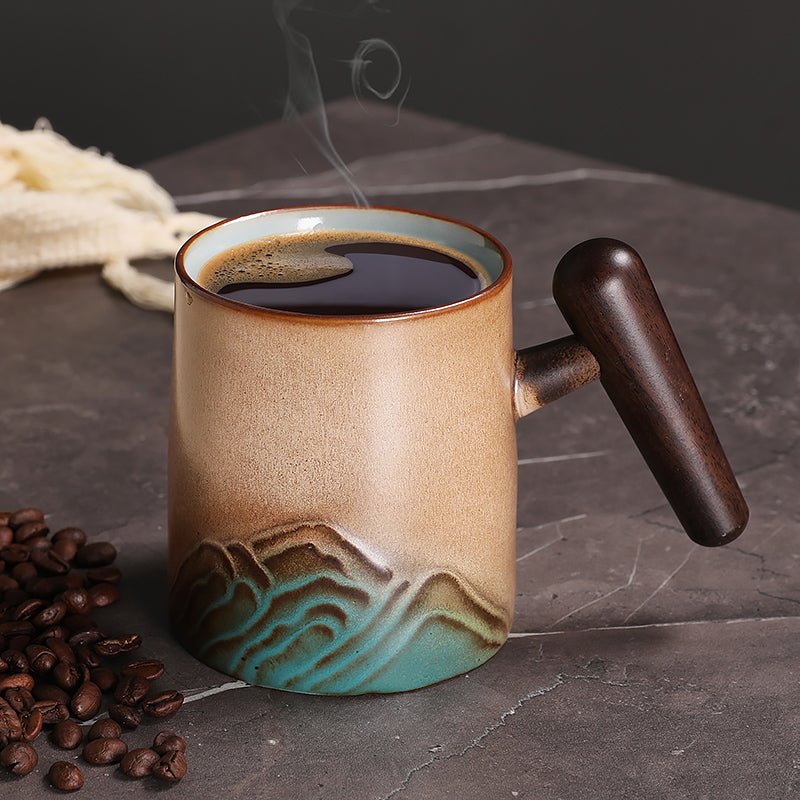
Large Ceramic Mugs: What Buyers Should Check First
Reading time: about 9 minutes
A mug can look perfect online and still feel wrong the first time you wrap your hand around the handle. We see it all the time with large ceramic mugs: the cup is roomy, but the grip is tight, the rim feels thin, or the base is too narrow for a busy desk or a cluttered kitchen counter.
That is why our store treats this category as more than a capacity decision. Large ceramic mugs should fit the drink, the hand, and the place they live. If you want to compare the range we carry, start with our all mugs collection and then narrow by shape, feel, and daily routine.
What should a large ceramic mug feel like in daily use?
In real use, a good large mug should do three things well: hold enough coffee or tea for the drinker, stay comfortable when full, and sit steady on a kitchen counter or office desk. That sounds simple, but the details matter. A mug with thick walls may feel sturdy, yet it can also feel heavy in the morning. A mug with a generous opening can be easy to clean, but it may cool faster than a narrower cup.
In our experience, buyers usually notice these issues only after the mug arrives. A wide handle opening matters if you use two fingers. A smooth, rounded rim matters if you sip slowly. A stable foot ring matters if the mug spends time beside a laptop, not just at the sink.
If you want a broader buying checklist, our related guides on Large Ceramic Mugs: What to Check Before You Buy, A buyer's guide to large capacity coffee mugs, and Extra Large Ceramic Coffee Mugs: What Buyers Should Check go deeper on size and use-case trade-offs.
Which details should you check before buying?
We inspect large mugs the same way a customer uses them: filled, carried, washed, and set down on real surfaces. The finish matters, but so does the handle shape, the balance when full, and how the glaze looks after a few dishwasher cycles. Here is the short version of what to check before you buy.
| What to check | Why it matters | What to look for |
|---|---|---|
| Handle clearance | Lets your fingers fit without squeezing | A handle opening that works with one or two fingers, not just a narrow pinch grip |
| Wall thickness | Affects weight and heat retention | Enough ceramic to feel durable, but not so much that the mug becomes bulky when full |
| Rim finish | Changes the drinking feel | A smooth, even lip with no rough spots or sharp glaze edges |
| Base stability | Reduces tipping on desks and counters | A flat, balanced foot ring that does not rock |
| Care guidance | Affects daily convenience | Clear washing instructions, especially if the mug has printed artwork or decorative glazing |
Two defect modes show up more often than buyers expect: a slightly uneven foot ring that makes a mug wobble, and a handle that looks fine but feels awkward once the mug is filled. A third is cosmetic rather than structural, but still frustrating: glaze variation that is harmless from a function standpoint and still disappointing if you expected a perfectly uniform finish.
That is the practical side of shopping for large ceramic mugs. The shape on the listing photo matters less than the parts you touch every day.
Which of our mugs fits different routines?
We carry several designs because one big mug does not suit every drinker. Some people want a clean everyday mug for breakfast. Others want something with a bit more personality for gifting or office use. The simplest way to compare is to look at the routine first and the design second.
- The Flow Coffee Tea Mug works well for a straightforward daily cup if you want a mug that blends into a kitchen shelf or office setup without demanding attention.
- Green Waves Coffee Tea Mug is a good choice if you want a more expressive look for gifting or for a kitchen that already has a strong color story.
- Morning Night Coffee Tea Mug suits people who move between early coffee and late tea and want one mug that can stay on the desk from start to finish.
If you are comparing style against size, ask one simple question: will this mug live in a cabinet, on a desk, or in daily dishwasher rotation? That answer usually narrows the field faster than any marketing copy.
For shoppers who want more context on bigger formats, the difference between a large mug and an extra-large mug is usually about balance, not just volume. Once a mug gets too deep or too heavy, it stops feeling like an easy everyday cup and starts feeling like a novelty size. That is fine for some buyers, but it is not ideal if you want one-hand comfort at a computer or a mug that fits under a low shelf.
What trade-offs come with a large ceramic mug?
Large ceramic mugs are practical, but they are not perfect for every person or every drink. The bigger the mug, the more likely it is to feel heavier once filled. That is fine on a kitchen table. It is less convenient if you carry coffee around the house while multitasking.
They also do not solve every heat problem. Ceramic can hold warmth well, but a larger opening exposes more surface area, so the drink may cool faster than it would in a smaller, narrower cup. If you sip slowly over an hour, a large mug is still useful, but it is not the best choice if you want the drink hot from first sip to last.
Here are the most common trade-offs we explain before someone buys:
- Better for home use than travel use. Large ceramic mugs are not made for carrying in a bag or cup holder.
- More comfortable for long drinks than quick espresso shots. They shine with drip coffee, tea, or cocoa, not concentrated servings.
- More stable when well designed, but easier to chip if handled carelessly. Ceramic edges can take damage if they knock against a sink, faucet, or stacked dish.
- Great for desk use, less ideal for tiny cupboards. The handle and body can take up more space than expected.
If you need insulation first and style second, a double-wall insulated mug may suit you better. If you want a piece that feels substantial, looks at home on a countertop, and is easy to wash with the rest of the dishes, ceramic is still one of the best choices.
How should you care for one so it lasts?
Most damage to ceramic mugs happens in everyday use, not from rare accidents. Hot water, cold sinks, stacked dishes, and repeated dishwasher cycles all add up. Care does not need to be fussy, but it should be consistent.
- Rinse the mug soon after use so coffee oils and tea stains do not build up on the glaze.
- Let the mug cool a bit before washing it. Sudden temperature changes can stress ceramic, especially if the mug goes from a hot counter to cold water.
- Check the rim, handle joint, and foot ring after a few washes. Those are the areas where tiny chips or rough spots show up first.
- If the mug has printed art or a decorative finish, follow the care notes on the product page before using a high-heat dishwasher cycle.
- Do not stack heavy mugs directly on top of one another if the glaze is delicate. A small chip on the rim is often the first sign of poor stacking habits.
We look for three simple signs of good mug construction before we recommend a piece: an even glaze, a comfortable handle, and a stable base. Those features do not sound exciting, but they are what separate a mug you keep from one you stop reaching for.
Which buyers should choose something else?
Large ceramic mugs are a poor fit for some shoppers, and that is worth saying plainly. If you mostly drink espresso, the cup will feel oversized. If you commute with coffee, you will probably want a sealed travel mug instead. If your hands are small or you prefer a very light cup, a smaller ceramic mug may be more comfortable day to day.
They are also not the best match for every kitchen setup. A mug with a tall profile may not fit under a low cabinet. A wide mug may take up too much shelf space. And if you regularly use a mug warmer or a narrow drip tray, the base size matters as much as the capacity.
This is why we always tell buyers to think about the place the mug will live, not just the drink inside it. A good mug should work at breakfast, at the desk, and at the sink without becoming a hassle.
Frequently asked questions
How big should a large ceramic mug be for daily coffee?
For most buyers, the practical range starts once a standard cup feels too small and usually lands around a size that comfortably handles a full coffee or tea serving without needing constant refills. If you drink drip coffee or tea at home, aim for a mug that feels generous but not oversized in the hand. If you regularly add milk or like room for a little extra, choose the larger end of the range.
Are large ceramic mugs microwave-safe?
Only if the product page says they are. Ceramic itself is often microwave-friendly, but decorative metallic details, specialty glazes, or printed elements can change that. We recommend checking the care instructions for each mug before microwaving it.
Do large ceramic mugs keep coffee hot longer?
They can hold heat well because ceramic has thermal mass, but the larger opening also releases heat faster than a smaller mug. That means the mug feels substantial and warm in the hand, yet it is not a substitute for insulation if you sip slowly for a long time.
What usually makes a large mug uncomfortable to hold?
The most common issue is a handle that is too tight for your fingers once the mug is filled. A heavy wall, a rough rim, or a wobbly base can also make the mug feel awkward. Comfort is usually about balance, not just size.
Are large ceramic mugs good gift ideas?
Yes, if the person drinks coffee or tea at home and likes useful gifts. They are less useful for someone who lives out of a commuter cup or prefers very small servings. A well-chosen ceramic mug feels personal without being overly specific, which is why it works well for birthdays, office gifts, and casual housewarming presents.
If you want the shortest path to a good choice, compare The Flow Coffee Tea Mug, Green Waves Coffee Tea Mug, and Morning Night Coffee Tea Mug, then use our all mugs collection to filter by the style and routine that actually fits your day.
Read more
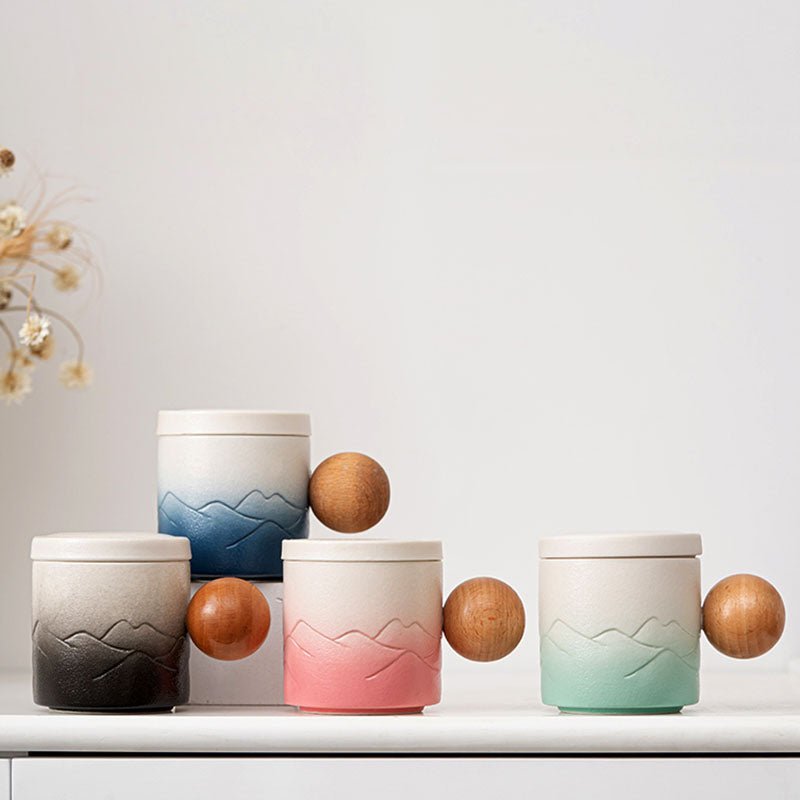
Sister Coffee Mugs: How to Choose a Gift She’ll Actually Use
A practical guide to sister coffee mugs, with shape, size, and gifting trade-offs that matter at home, at work, and in a gift box. Use it to pick a mug she will reach for every day, not just keep o...
En savoir plus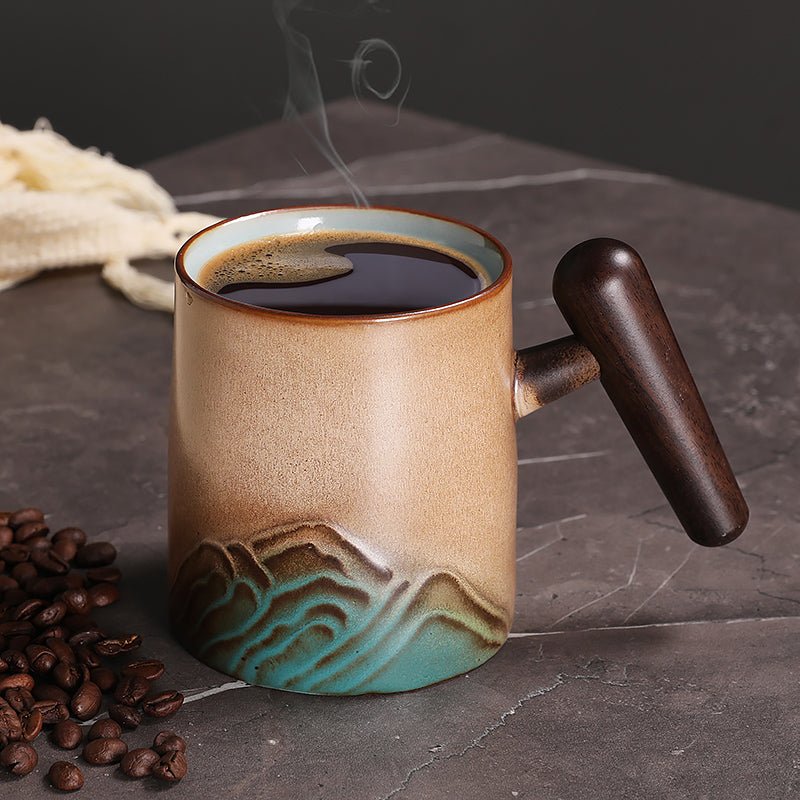
Non Toxic Coffee Mugs: What to Check Before You Buy
Non toxic coffee mugs are about more than a label. We break down glaze safety, material trade-offs, size choices, and the details that matter on a daily-use mug.
En savoir plus
Laisser un commentaire
Ce site est protégé par hCaptcha, et la Politique de confidentialité et les Conditions de service de hCaptcha s’appliquent.