
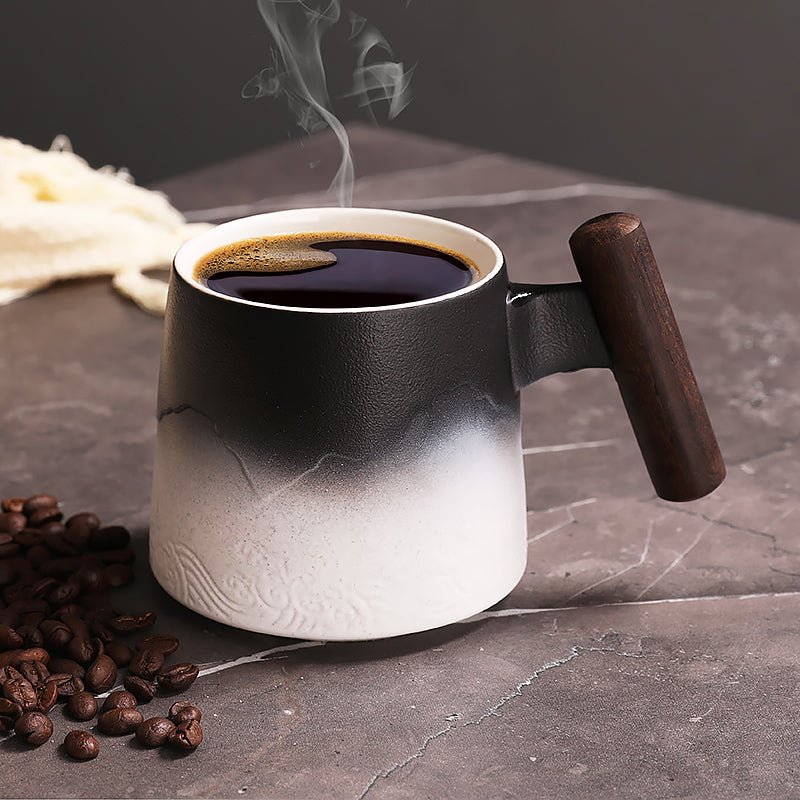
Initial Coffee Mug Buying Guide: What to Check Before You Order
Reading time: about 9 minutes
The mug is on the counter for five minutes, then it gets handled every day. That is the reality we think about when we talk about an initial coffee mug, because the best one has to look personal in a gift box and still feel right beside a sink, a desk, or a drip machine on a weekday morning.
In our store, the mugs that earn repeat attention are the ones with a clean letter mark, a comfortable handle, and a finish that still looks sharp after normal use. The letter should be easy to read, the body should feel balanced, and the surface should not make coffee stains harder to remove than they need to be. A pretty mug that chips easily or prints poorly is not a good buy, even if the first photo looks great.
If you are starting from scratch, begin with our current lineup on our product page. Then compare it with the rest of the notes below so you can judge the mug the way a real buyer would: by daily use, not just by the mockup.
What should an initial coffee mug do well?
An initial coffee mug has a narrow job. It should feel personal enough for a gift, but simple enough to stay useful on a kitchen counter or office desk. If the letter is oversized, off-center, or too decorative, the mug starts to look more like decor than drinkware. That may be fine for a shelf piece, but it is not ideal if you want something that gets used every morning.
We look for three practical things first: a comfortable grip, a stable base, and a letter that stays readable from normal sitting distance. The best versions usually use a smooth ceramic or stoneware body with a glazed finish, because that gives the print a clean backdrop and makes rinsing easier after coffee or tea.
The other question is purpose. If you want a mug for quiet desk use, a single initial can feel crisp and restrained. If you want a bold gift, you may prefer a larger letter or a finish that adds contrast. If you want maximum practicality, a plain mug with no personalization will always be easier to match with a full kitchen set. That is the trade-off.
Which size is best for an initial coffee mug?
Size changes how the mug feels in the hand, how much coffee it actually holds, and how much wall space the initial has to breathe. For many buyers, the sweet spot is a standard everyday size rather than the biggest mug available. A mug that is too small can feel limiting, while a very large mug can feel heavy, bulky, and awkward to store under cabinets.
If you are deciding between compact and standard sizing, these guides are useful comparisons: our 10 oz Coffee Mug: Size, Fit, and What to Check Before You Buy, 11 oz Coffee Mug: Size, Fit, and What to Check Before You Buy, and 12 Ounce Coffee Mug Buying Guide: Size, Fit, and Best Uses. For a bigger pour or a long office morning, the 16 Ounce Coffee Mug Buyer’s Guide: Size, Material, and Fit is the better reference.
| Size | Best for | Trade-off |
|---|---|---|
| 10 oz | Smaller servings, espresso drinks, compact desks | Not ideal if you pour large lattes or want fewer refills |
| 11 to 12 oz | Most daily coffee drinkers and gift buyers | Can feel modest for people who prefer oversized mugs |
| 16 oz | Big mugs, long meetings, tea drinkers, or people who refill less often | Heavier in the hand and less compact in a cabinet |
If you are buying for someone else and do not know their habits, 11 to 12 oz is usually the safest range. It looks normal on a desk, works for most drip coffee, and does not overpower a monogram or initial design.
What materials and finishes hold up best?
Most initial coffee mugs are ceramic or stoneware, and that is usually for good reason. Ceramic gives a clean printing surface and a familiar feel, while stoneware tends to be a little heavier and more rustic. Either can be a good buy if the glaze is even, the base is stable, and the handle is finished smoothly. What we avoid are mugs with sloppy glazing, rough seams, or thin spots around the handle.
There are also practical limits to think about. If a mug uses metallic accents, metallic ink, or a decorative finish that is not meant for heat, it may not belong in the microwave. If a mug is hand-wash only, that is a real trade-off, not a minor footnote. Some shoppers care more about the letter style than about maintenance. Others want a mug that can go straight into the dishwasher after a workday. Both are valid, but you should choose with that in mind.
Here is the simple version:
- Ceramic works well for clean everyday gifting and usually gives the most classic mug feel.
- Stoneware feels sturdier and more substantial, but it can be heavier in the hand.
- Metal or insulated mugs are better for heat retention, but they are not the best fit if the initial is the main reason you are buying.
If the goal is a gift that sits well on a breakfast table and still looks polished next to a coffee maker, ceramic is usually the safest place to start.
What details should you inspect before you order?
The small defects are the ones customers notice after the box is opened. A letter that is slightly off-center, a glaze that pools unevenly, or a handle with a rough edge can make a mug feel cheaper than it should. We have seen plenty of mugs that looked fine in a product image and then disappointed in person because one detail was out of line.
- Check the placement of the initial. It should sit where your eye expects it, not too high, too low, or skewed toward the handle.
- Check the print edge. The letter should look crisp, not blurry, broken, or washed out at the edges.
- Check the handle. A comfortable mug needs enough clearance for fingers, and the grip should not feel sharp or cramped.
- Check the base. A flat foot ring helps the mug sit steadily on counters and desks instead of wobbling.
- Check the care note. Dishwasher-safe and microwave-safe are not interchangeable. Read both if you expect daily use.
Common failure modes are usually predictable: a printed initial that fades faster than expected, a hairline crack near the handle, a wobbly base, or a decorative finish that chips at the rim. Those are the details that separate a keepsake from a return.
If you are shopping for personalization that feels cleaner and more restrained, an initial mug usually beats a photo mug. If you want a more obvious identifier, a full name may be better. That is why we think the best order is simple: decide the use case first, then choose the design.
Is an initial mug a good gift, or just a nice idea?
An initial coffee mug is a strong gift when you want something personal without making the item too specific. It works well for birthdays, coworker gifts, housewarmings, bridal-party bags, and small thank-you gifts where you want the recipient to use the item instead of stashing it away. The initial gives it enough meaning to feel chosen, but not so much that it becomes hard to match with the rest of a kitchen.
It is not the best choice for every person. If someone wants a full-name mug, a message mug, or a design tied to a hobby, a single initial may feel too plain. If they already prefer large travel tumblers, a ceramic mug may not be practical for them either. In that case, look at the broader selection in our collection and choose the format that fits their habits first.
As a gift, the mug also depends on presentation. A well-packed mug with secure shipping and a clean unboxing experience matters more than buyers expect. A letter mug that arrives chipped is not a personalization issue. It is a packaging issue. That is why we always think about the whole path from shelf to sink, not just the artwork.
How should you care for it after it arrives?
The fastest way to keep an initial coffee mug looking good is to treat the print and the rim like the most exposed parts of the mug, because they are. Coffee oils, tea stains, and abrasive scrub pads show up there first. If the mug is dishwasher-safe, that helps with daily convenience, but even then we still recommend avoiding harsh scouring when a simple wash will do.
For mugs with a glossy printed letter, the safest routine is usually a normal wash with mild soap and a soft sponge. If the finish is matte, textured, or decorative, be a little more careful around the print edges because that is where wear starts showing. If the mug is not microwave-safe, do not push it just because the coffee cooled down. That shortcut is how damage starts.
A good rule from our side: use the mug the way the listing says it should be used, then pay attention to how the finish behaves after a few cycles. That tells you more than the first unboxing ever will.
Frequently asked questions
What size initial coffee mug should I buy for daily use?
For most daily coffee drinkers, 11 to 12 oz is the safest choice. It fits a normal pour without feeling oversized, and it usually works well for both home and office use. If the person drinks larger lattes or wants fewer refills, move up to 16 oz.
Are initial coffee mugs dishwasher safe?
Some are, and some are not. The deciding factor is the finish and how the initial is applied, so follow the care notes on the product listing instead of assuming every mug is the same. If a mug is hand-wash only, that should be treated as a real maintenance choice.
Is an initial coffee mug a good gift for a coworker?
Yes, if you want something personal but not too intimate. A single initial works well for office gifting because it feels thoughtful without requiring you to know the person’s full preferences. A plain ceramic mug can also be easier to pair with a desk setup than a more decorative gift.
What should I avoid when buying an initial coffee mug online?
Avoid vague product photos, missing care instructions, and listings that do not show the front of the mug clearly. You want to see how the letter sits on the body, how the handle looks, and whether the mug seems balanced. If those details are hidden, you are taking a bigger risk than the price alone suggests.
Is ceramic better than stainless steel for an initial mug?
For a classic initial mug, ceramic is usually the better fit. It gives a familiar coffee feel and shows the design cleanly. Stainless steel is better if insulation is the main goal, but it changes the experience and is not the same kind of mug.
If you are ready to compare styles side by side, start with our full collection and keep the size guides open while you choose. That is the quickest way to match the initial, the size, and the care level to the person who will actually use it.
More from our blog
Read more
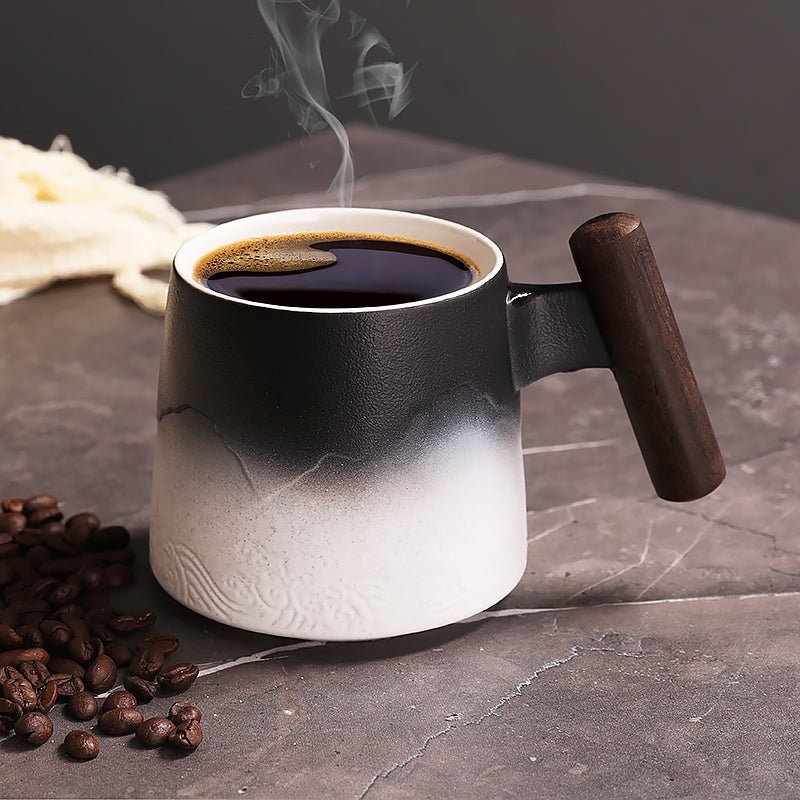
Golf Coffee Mug Buying Guide: What Buyers Should Check
A practical guide to choosing a golf coffee mug that fits real daily use, not just a themed gift table. We cover size, materials, print durability, and when another mug style is a better buy.
En savoir plus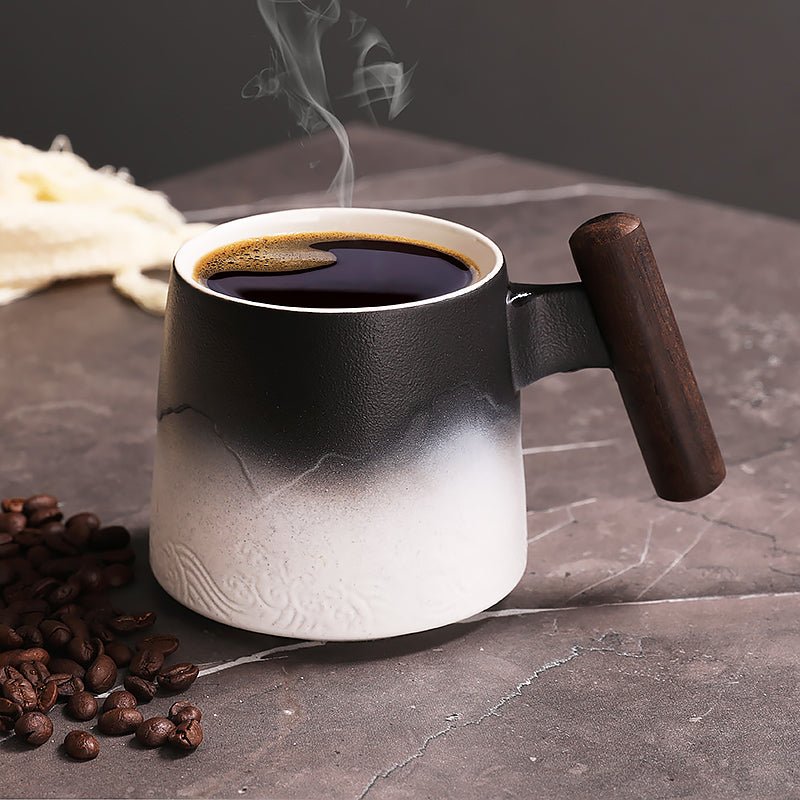
Linus Coffee Mug: What to Check Before You Buy
A Linus coffee mug should do more than look right on a shelf. Check size, handle comfort, print durability, and care before you buy so it fits real daily use.
En savoir plus
Laisser un commentaire
Ce site est protégé par hCaptcha, et la Politique de confidentialité et les Conditions de service de hCaptcha s’appliquent.