
Huge Tea Cup Buying Guide for Size, Comfort, and Daily Use
Reading time: about 9 minutes
A huge tea cup earns its keep on mornings when one refill is not enough and the kitchen trip is getting in the way of work, reading, or a slow breakfast. In our store, we see shoppers choose a larger cup for the same reason they choose a bigger desk mug: fewer interruptions, a steadier sip, and less time spent chasing the kettle.
That said, bigger is not automatically better. A huge tea cup has to feel stable on a desk, comfortable in the hand, and easy to rinse after real use. If it is too wide, it cools quickly. If it is too heavy, it starts to feel like a small bowl instead of a cup. The right choice is the one that fits your routine, not just the one that looks generous on the shelf.
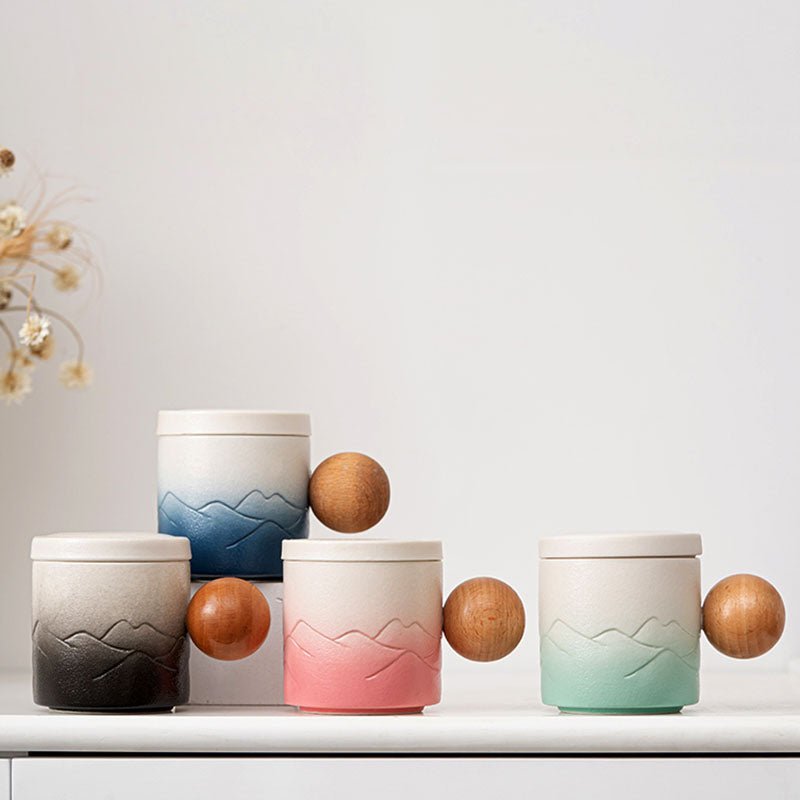
If you are comparing styles, start with our all collection, then look at the shape differences between the Pleated Coffee Tea Cup, the Golden Waves Kio Coffee Tea Mug, and The Flow Coffee Tea Mug.
What does a huge tea cup need to do well?
For most buyers, huge means something in the roughly 14 to 20 oz range, though some people want even more capacity for long tea sessions. The number on the listing matters less than the way the cup behaves once it is full. A cup that holds a lot but feels awkward to lift is not a good daily buy.
We look for three things first: a base that sits flat, a handle that gives real finger clearance, and a rim that does not get in the way while you sip. Those small design details decide whether a cup lives on your desk every day or gets pushed to the back of the cabinet after a week.
There is also a heat trade-off. A wide opening gives you more aroma and easier stirring, but it exposes more surface area, so tea can cool faster than in a taller, narrower mug. That is fine if you sip steadily. It is a problem if you tend to leave your drink untouched for ten minutes at a time.
How do you compare size and shape before buying?
Size alone can be misleading, so we compare the cup the same way we would on a packing table or a kitchen counter. A huge tea cup should feel balanced when it is full, not just impressive when it is empty.
| What to check | What good looks like | Why it matters |
|---|---|---|
| Capacity | Enough for a full pour without needing a top-up every few minutes | Sets the real use case for long tea breaks, office desks, or one-and-done brewing |
| Handle clearance | Room for two fingers, with no tight squeeze against the body of the cup | Makes a heavy cup easier to lift when it is hot |
| Base width | A stable base that does not rock on a hard table | Reduces tipping risk near laptops, notebooks, and crowded breakfast trays |
| Rim shape | A smooth, comfortable lip with no sharp edge | Improves the sip and makes the cup feel finished rather than bulky |
| Wall thickness | Thick enough to feel sturdy, not so thick that the cup becomes clumsy | Affects heat retention, hand feel, and overall weight |
If you want a more detailed size-first breakdown, our post Big Tea Cup Buying Guide for Size, Comfort, and Daily Use covers the practical side of capacity, grip, and day-to-day handling.
Which shape works best for daily tea?
Shape changes the entire experience. A rounded, open cup feels relaxed and easy to stir, while a more upright shape tends to keep heat in a little longer. For someone drinking black tea at a desk, either can work. For delicate tea or long sipping sessions, the shape needs more thought.
The Pleated Coffee Tea Cup has a more defined profile, which can be appealing if you want something with visual texture and a stronger hand feel. The Golden Waves Kio Coffee Tea Mug brings more decorative presence, so it works well as a gift or a display piece that still gets used. The Flow Coffee Tea Mug reads as the simplest of the three, which usually means easier cleaning around the inside and less visual bulk on the table.
That difference matters more than people expect. A smoother shape is often easier to rinse after tea leaves, honey, or milk residue. A more detailed exterior can add grip and character, but it may also collect fingerprints or need a little more attention around the curves when washing by hand.
For a broader shape comparison, Huge Mugs for Tea: How to Choose the Right Size and Shape is a good companion read before you pick a finish or profile.
What materials and finishes hold up best?
For everyday tea, glazed ceramic and stoneware are usually the most practical choices because they feel substantial, clean up easily, and do not demand special handling. Porcelain is lighter and can feel more refined, but the lighter build may not satisfy someone who wants a dense, oversized mug on a cold morning. Glass shows the color of the tea nicely, but it is usually less forgiving in the hand once the drink is hot.
We look for finishes that feel smooth under the lip and around the handle joint. That is where minor flaws show up first: glaze pooling, rough spots near the foot ring, tiny chips on the rim, or hairline crazing in the finish. Those are the things that turn a mug from everyday reliable into something you keep noticing every time you wash it.
Care matters too. If you want the easiest routine, check whether the cup is dishwasher safe and whether the decoration is underglaze or printed on top. A top-layer design may still be fine, but repeated hot cycles can wear it faster. If you plan to microwave tea often, verify that separately instead of assuming every large mug can handle it.
That is why our advice is simple: choose the material that matches your habits, not the one that sounds best on paper. A huge tea cup should work with your sink, your dishwasher, and your cabinet space. If it needs babying, most people stop using it.
Which huge tea cup fits home, office, or gifting?
Different buyers want different benefits from the same cup. At home, the priority is usually comfort and easy cleaning. In an office, stability and desk footprint matter more. For a gift, appearance and first impression often carry the decision.
Here is how we would break it down:
- Home use: choose a shape that feels good in the hand and rinses quickly after breakfast tea or herbal tea.
- Office use: prioritize a stable base and a handle that does not bump the side of a laptop or notebook.
- Gift use: pick a design with enough visual character to feel special when unboxed, but not so unusual that it becomes display-only.
For shoppers who want to compare across styles rather than settle on one silhouette, the product trio above gives a useful spread: textured, decorative, and clean-lined. If you want even more context before buying, Mug and Tea: How to Choose the Right Cup for Everyday Use is the right place to think through fit, feel, and how often you actually reach for a big mug.
A huge tea cup is not the best choice for every tea drinker. If you prefer small, careful pours of very delicate tea, a smaller cup can be better because it encourages fresh sips at a better temperature. If you commute with tea in a bag, a large ceramic cup is also the wrong tool. Size helps at a desk or kitchen table. It is not a travel solution.
What should you inspect before you buy or give one as a gift?
We check these details every time a large mug comes through the store: the base should sit flat, the rim should feel smooth, the handle should not pinch the fingers, and the overall weight should make sense when the cup is full. A cup that looks good but wobbles on a table is not worth keeping.
- Put it on a flat surface and see if it rocks.
- Run a finger around the rim to check for rough glaze or tiny chips.
- Hold it with two fingers in the handle and confirm the grip is comfortable when the cup is full.
- Check whether the finish looks even at the handle joint and around the foot ring.
- Confirm the care instructions for dishwasher and microwave use before you buy for daily use.
Those checks sound basic, but they prevent most of the complaints we see later. A lot of disappointment comes from one small defect mode: the cup is heavy, the handle is tight, or the glaze has a rough patch where the hand rests. Fixing those issues after the fact is not realistic, so it is better to screen for them up front.
If you want a second buying reference with more detail on shape and material decisions, Huge Tea Mugs: How to Choose the Right Size, Shape, and Material is a useful companion before you make the final call.
Frequently asked questions
How many ounces should a huge tea cup hold?
Most shoppers shopping for a huge tea cup are looking at roughly 14 to 20 oz, with some going larger if they want one long sitting instead of repeated refills. The right size depends on how you drink tea. If you like to finish a cup while it is still hot, choose a size you can realistically empty without setting it aside for too long.
Is a huge tea cup better than a regular mug for tea?
It is better if you want fewer refills, more room for milk or honey, and a cup that feels settled on a desk. It is not better if you drink very small portions, prefer precise temperature control, or need something lightweight for moving around the house. Bigger only helps when it matches your habits.
What is the easiest material to live with every day?
For most people, glazed ceramic or stoneware is the easiest daily choice because it balances weight, stability, and simple cleanup. Porcelain can feel lighter and more refined, but it is less forgiving if you want a sturdy, substantial cup. Glass has its place, but it is usually the least comfortable option when the tea is very hot.
Can a huge tea cup go in the dishwasher?
Often yes, but you should only rely on the care instructions on the product page. Dishwashers are convenient, yet they can be harder on decorative finishes, top-layer prints, and small surface flaws. If you want the longest life from the finish, handwashing is gentler around the rim and handle.
What should I avoid in a huge tea cup?
Avoid a cup that feels top-heavy, has a narrow handle, or shows any rocking on a flat counter. Also avoid a shape that looks generous but is awkward to sip from, because that usually turns into a shelf piece instead of an everyday cup. If the rim feels rough or the wall is so thin that the cup flexes in the hand, keep looking.
If you are ready to compare options, use this short checklist: capacity that fits your tea habits, a handle that clears two fingers, a base that sits flat, and a finish you can clean without thinking about it. Then compare the Pleated Coffee Tea Cup, the Golden Waves Kio Coffee Tea Mug, and The Flow Coffee Tea Mug against the rest of our all collection until one matches how you actually drink tea.
Read more
How to Get Coffee Stains Out of a Mug Without Damaging the Finish
A practical guide to removing coffee stains from ceramic and glazed mugs without scratching the finish or leaving a cloudy residue. We cover safe cleaning steps, what to avoid, and when staining me...
En savoir plus
Best Ceramic Coffee Mug: How to Choose the Right One for Daily Use
A practical buyer’s guide to the best ceramic coffee mug for daily use, with real trade-offs on shape, comfort, care, and which style fits your routine.
En savoir plus
Laisser un commentaire
Ce site est protégé par hCaptcha, et la Politique de confidentialité et les Conditions de service de hCaptcha s’appliquent.