

How to Paint Coffee Mugs Permanently: Methods That Actually Hold Up
Reading time: about 9 minutes
A mug can look finished on the table and still start flaking after two dishwasher cycles. We see that problem a lot with DIY gifts: the paint is fine on day one, then the rim chips, the handle wears down, or the design turns cloudy after repeated washing.
If you want how to paint coffee mugs permanently to mean something practical, not just decorative, the surface, paint, and curing step all have to work together. In our store experience, the best results come from smooth glazed ceramic mugs with a hard finish, careful surface prep, and a cure method that matches the label on the paint you buy.
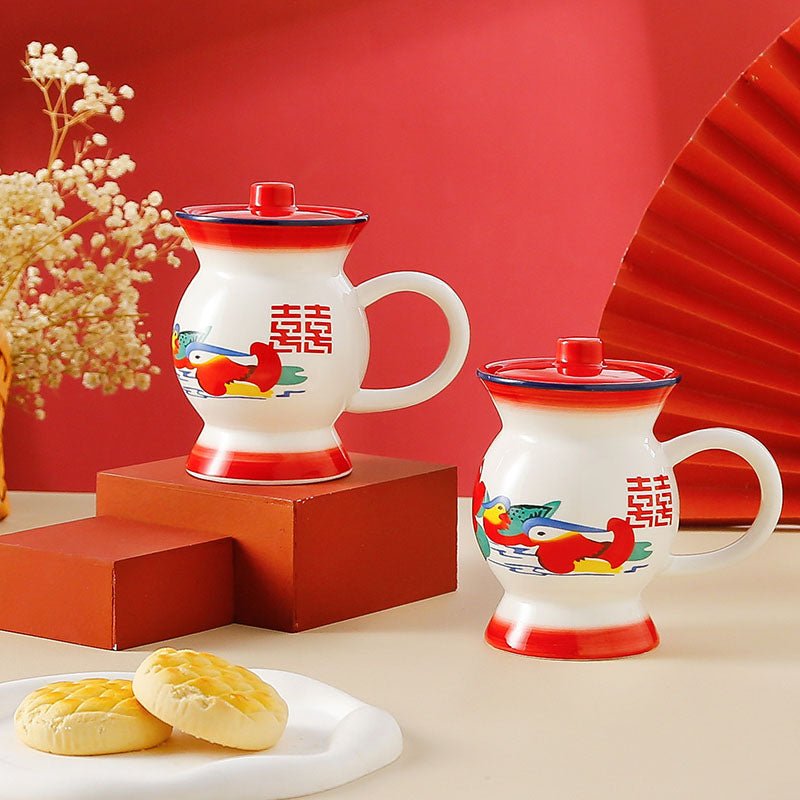
If you want to compare mug shapes before you start, browse our all mugs collection. If you decide a painted look is not worth the upkeep, we also carry ready-made options like the Spittoon Coffee Tea Mug, the Planet Coffee Tea Mug, and the Rhombus Coffee Tea Mug.
What makes painted coffee mugs last instead of peel?
Permanent mug painting is mostly about adhesion and wear resistance. A design lasts when the paint can bond to a clean, non-porous surface and then cure fully before it sees water, heat, or handling. That sounds simple, but most failures come from one of three places: residue on the mug, the wrong paint type, or too much friction where the hand and lips touch the mug every day.
We usually tell shoppers to think about the mug like a small kitchen tool, not a canvas. The best painted mugs are the ones that can survive a few realistic things: being picked up with damp hands, sitting on a desk near a laptop, being washed by hand after a long day, and getting packed as a gift without rubbing against tissue paper and tape.
Permanent does not always mean indestructible. A painted mug can still scratch if it gets scrubbed with a rough sponge, and any design on the rim or inside of the mug will wear faster than a design on the outer wall. That trade-off matters if you plan to use the mug every morning instead of displaying it on a shelf.
Which mug and paint should you start with?
For the longest-lasting result, start with a smooth glazed ceramic or porcelain mug. The glaze gives the paint a more reliable surface to grip. Bare clay, textured stoneware, or mugs with a heavily pitted finish are harder to paint evenly and more likely to hold grease in tiny surface pores.
We recommend checking the mug for three things before you start:
- Surface finish: smooth glaze beats matte texture for durability.
- Shape: straight-sided mugs are easier than deeply tapered or ribbed shapes.
- Problem spots: chips, pinholes, and rough seams can cause the paint to lift later.
Paint choice matters just as much. Ceramic paint, enamel made for hard surfaces, or a paint pen labeled for glass and ceramic usually performs better than generic craft acrylic. If you want a design that is baked or heat-cured, read the label before you buy. Some products are meant to be oven-cured, while others are air-cured only. Mixing those instructions is how people end up with soft finishes or discoloration.
If you are comparing what to buy before you commit, our related guides Ceramic Coffee Mugs to Paint: What Buyers Should Check Before Ordering and Ceramic Coffee Mugs to Paint: What to Buy and What to Avoid cover the mug-side decisions in more detail.
| Method | What it is best for | Weak point |
|---|---|---|
| Paint pen on glazed ceramic | Clean lettering, outlines, simple art | Can look thin if overworked |
| Brush-on ceramic paint | Filled shapes and layered color | Brush marks show if the coat is too thick |
| Oven-cured ceramic paint | More durable decorative mugs | Requires careful temperature control |
How do you paint a coffee mug so it stays on?
Our process is straightforward, and it avoids the usual shortcuts that fail later.
- Wash the mug well. Use warm water and dish soap, then dry completely. If the mug has any label residue, grease, or dust, the paint will have trouble bonding.
- Wipe the surface with rubbing alcohol. This removes the last bit of oil from fingerprints and handling. Let the mug dry again before painting.
- Sketch lightly. Use a pencil on the outside of the mug if the paint system allows it, or start with a removable stencil. Keep the design away from the rim if you want daily-use durability.
- Apply thin coats. Two or three light coats usually hold better than one thick coat. Thick paint is more likely to crack during curing.
- Let each layer set. Rushing the dry time traps moisture and can leave a tacky finish.
- Cure exactly as directed. If the paint says oven-cure, follow the temperature and time on the label. Do not assume hotter is better.
A good rule: if the paint still smells strong or feels soft after curing, it is not ready for use yet. That is where people get impatient and ruin the finish by washing the mug too soon.
What mistakes make mug paint peel or look cheap?
The biggest problem is usually not the art itself. It is the surface or the handling.
- Painting over a greasy mug: even a small amount of oil can cause fish-eye spots or patchy coverage.
- Using the rim or inside for decoration: those areas get the most friction from lips, spoons, and dishwashing.
- Applying one heavy coat: thick paint can pool near the base of letters and crack as it dries.
- Skipping the cure: air-dry alone is often not enough for a finish you want to keep.
- Using the wrong cleaner later: abrasive scrubbers and harsh soaking can dull or lift the design.
Another issue we see in real kitchens is thermal shock. A decorated mug that goes from a hot coffee table to a cold sink quickly can stress the coating. That does not ruin every mug, but it is one more reason we recommend hand-washing and moderate temperatures when you want the finish to last.
If you want a cleaner reference for what makes a mug worth decorating, our buyers also use our 11 Ounce Coffee Mugs: Size, Fit, and Best Picks for Daily Use and 12 oz Coffee Mugs: How to Choose the Right Mug for Daily Use guides when they are choosing a mug for a gift project.
How should you care for a painted mug after it cures?
After curing, treat the mug like a decorative item with daily-use limits. That means hand-washing is the safer default unless your exact paint label clearly says dishwasher-safe after curing. Even then, we still recommend gentle washing for designs you want to keep sharp.
Use these care habits:
- Let the mug cool before washing.
- Use a soft sponge, not a scouring pad.
- Avoid soaking overnight.
- Store it so other mugs do not scrape the painted surface.
If the mug is a gift, a small care note helps. We have seen that simple step extend the life of hand-painted mugs because the recipient knows not to run it through a heavy dishwasher cycle right away. For a desk mug, the design usually lasts longer than for a mug that gets grabbed, stacked, and washed fast every day.
There is also a practical limit here: painted mugs are not the best choice if you want zero-maintenance dishwasher use. If that is the priority, a finished mug with a baked-in design is the better buy.
What should you buy if you want the look without the trial and error?
Some shoppers want the creative project. Others just want a mug that already looks good on the counter and works well on Monday morning. If you fall into the second group, it is often smarter to choose a ready-made mug instead of painting one yourself.
That is why we keep a range of finished options in our store. You can compare styles, shapes, and everyday usability in the all mugs collection, then pick the mug that fits your hand and your routine. A painted design is a fun project. A well-made mug is still the object you use every day.
For shoppers who like the idea of a personalized gift but do not want to manage curing, drying, or repainting, a finished mug is the cleaner path. Our team sees this most often with office gifts and last-minute birthdays: people want something that looks intentional without asking the recipient to baby it.
The right choice depends on the job. Paint a mug if you want the process itself. Buy a finished mug if you want reliability first.
Frequently asked questions
Can you make acrylic paint permanent on a coffee mug?
Yes, but only if the acrylic is meant for ceramic or hard surfaces and you cure it according to the label. Plain craft acrylic on a mug usually holds poorly unless you seal it and accept that it is still more delicate than a true ceramic paint. For everyday use, we would not count on generic acrylic alone.
Do you have to bake painted coffee mugs?
Not always. Some ceramic paints are air-cure only, while others need oven curing to harden properly. The safe rule is to follow the product instructions exactly, because baking the wrong paint can dull the color or ruin the finish.
Are painted coffee mugs dishwasher safe?
Only if the paint manufacturer specifically says so after full curing, and even then hand-washing is the safer choice. Dishwashers create heat, detergent, and friction that can shorten the life of the design. If you want the mug to stay crisp for a long time, wash it by hand.
Can you paint the inside of a coffee mug?
You can, but we do not recommend it for a mug you plan to use often. The inside gets the most heat, water, spoon contact, and cleaning wear. A design on the outer wall lasts much better and keeps the drinking surface simpler to maintain.
What kind of mug is easiest to paint permanently?
A smooth, glazed ceramic mug with a simple shape is the easiest starting point. Straight-sided mugs are simpler than curved or heavily textured ones, and a clean glaze gives the paint a better base. If the mug has chips, rough seams, or a matte finish, expect more prep and a higher chance of failure.
If you are ready to pick a mug, start by comparing the finish, shape, and daily-use fit in our all mugs collection. If you want a mug you do not have to paint at all, browse the finished options there first, then choose the one that matches how you actually drink coffee at home, at work, or as a gift.
Read more
Gunsmoke Coffee Mug Buying Guide: Size, Finish, and Fit
A practical guide to choosing a gunsmoke coffee mug with the right size, finish, and handle feel for daily use. We cover the trade-offs buyers should check before ordering.
En savoir plus
Hubby Coffee Mug Buying Guide for Size, Style, and Daily Use
A hubby coffee mug works best when it matches how he actually drinks coffee: the right size, a comfortable handle, and a design he will use past the first gift moment. We break down what to check, ...
En savoir plus
Laisser un commentaire
Ce site est protégé par hCaptcha, et la Politique de confidentialité et les Conditions de service de hCaptcha s’appliquent.