

How to Get Rid of Coffee Stains in Mugs Without Damaging the Finish
Reading time: about 8 minutes
A brown ring around the inside of a mug usually shows up at the worst time: after a long desk day, after a dishwasher cycle that did not quite finish the job, or after one more refill than you planned. In our store, we see the same pattern over and over: the stain is rarely just one thing. It is coffee tannin, dried oils, and sometimes mineral residue from hard water.
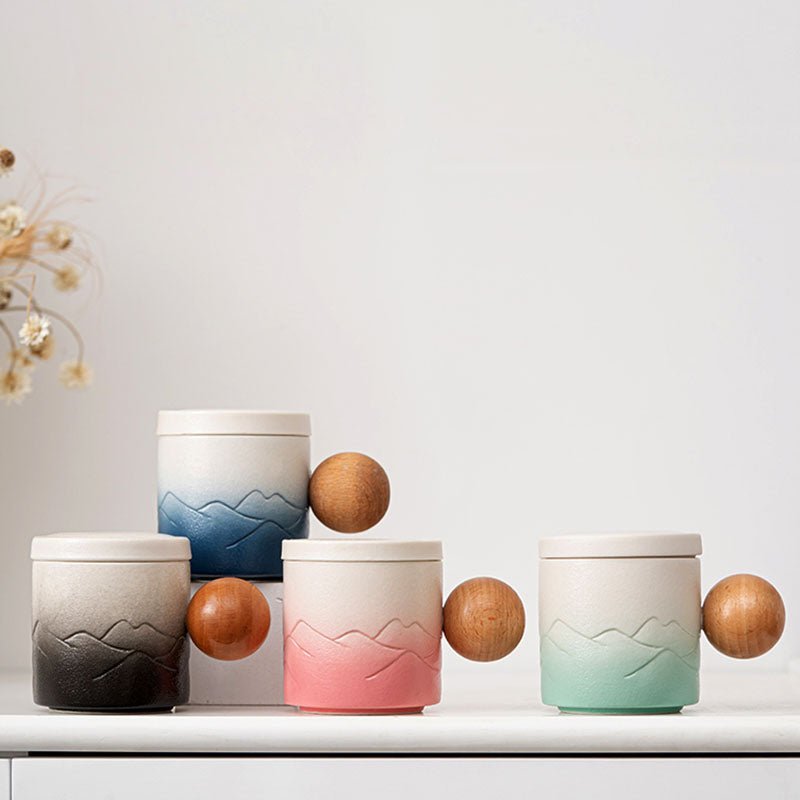
If you are comparing mugs as much as you are cleaning them, start by looking at pieces that get used every day and hold up to regular washing, like The Rock Coffee Tea Mug, Morning Night Coffee Tea Mug, and Mountain Coffee Tea Mug. For a broader look at the styles we carry, browse our collection of all mugs.
What actually causes coffee stains in mugs?
The stain you see on a mug wall is usually a mix of residue layers, not a single mark. Coffee contains tannins, which cling to porous or slightly textured glaze over time. Add milk fats, hand soap residue, or hard-water minerals, and you get that dull brown film that seems to survive ordinary washing.
Here is what we usually see in real kitchens and office break rooms:
- Tannin rings from dark roast coffee, especially in white or light-glazed mugs.
- Oily buildup near the lip and upper interior where coffee splashes and dries.
- Mineral film from hard water, which can make the stain look worse than it is.
- Crazing or hairline lines in the glaze, which can trap pigment and make a mug look permanently stained.
That last one matters. If the surface feels rough, cracked, or visibly spiderwebbed, the mark may not come out completely because it is sitting in tiny glaze lines rather than on top of the mug. That is a finish issue, not a cleaning failure.
Which cleaning method should you try first?
Start with the least aggressive method that fits the mug finish. A soft sponge, warm water, and a small amount of dish soap removes a surprising amount of fresh residue. If the mark stays, move to a mild abrasive like baking soda before trying anything stronger.
| Method | Best for | Watch out for |
|---|---|---|
| Dish soap + warm water | Fresh rings and light film | Usually too mild for old stains |
| Baking soda paste | Most ceramic and porcelain mugs | Do not scrub hard on printed or matte finishes |
| Vinegar soak | Mineral residue and light discoloration | Avoid long soaks on damaged decals or metallic trim |
| Oxygen bleach soak | Older stains in plain ceramic mugs | Rinse thoroughly and follow the label |
- Rinse the mug with warm water so loose residue comes off first.
- Mix a paste of baking soda and a few drops of water.
- Rub gently with a soft sponge for 20 to 30 seconds.
- Let the paste sit for 10 to 15 minutes if the ring is still visible.
- Rinse and inspect before repeating.
This is the method we usually recommend before moving to anything stronger. It is effective, low risk, and safe for most glazed ceramic mugs that are used for daily coffee.
What should you avoid on printed, matte, or glossy mugs?
This is where people accidentally damage a mug while trying to clean it. A rough pad can leave micro-scratches in glossy glaze, and it can flatten a matte surface so it looks cloudy. That is especially true on decorated mugs with decals or printed artwork.
We tell customers to avoid these common mistakes:
- Do not use steel wool or abrasive powders on a glossy glaze.
- Do not soak mugs with metallic accents in acidic cleaners for long periods.
- Do not scrub printed graphics aggressively, even if the coffee ring is stubborn.
- Do not use boiling water if the mug already has a chip or hairline crack.
If you want a finish-first approach, our earlier guides on How to Get Rid of Coffee Stains in Mugs Without Damaging the Finish and How to Get Rid of Tea Stains on Mugs Without Damaging the Finish go deeper on the same logic: clean the residue first, protect the surface second.
One practical trade-off: a high-gloss white mug makes coffee stains easier to see, but it also makes it easier to tell when it needs a wash. A darker glaze can hide wear better, though it may show water spots or soap film more clearly. There is no single finish that wins every time.
How do you remove old stains that have sat overnight?
Old stains usually need time, not force. If the mug is plain ceramic or porcelain and does not have delicate decoration, an oxygen bleach soak is often the safest next step. Follow the product label, use warm water, and let the mug sit long enough for the stain to soften before you scrub again.
For a coffee ring that has set for days, this sequence is usually enough:
- Wash the mug once with dish soap to remove surface oils.
- Fill it with warm water and a mild oxygen bleach solution, or cover the stained area if you are treating only the interior.
- Let it sit according to the label instructions.
- Rinse, then scrub lightly with a soft sponge or non-scratch brush.
- Repeat once before you assume the stain is permanent.
If the stain remains after that, check the surface closely. Sometimes the mug is clean but the glaze has etched or craze-lined over time. In that case, the surface itself is holding onto color, and no normal cleaner will restore it completely.
For mugs that get used hard every day, a dishwasher-safe glazed ceramic finish is easier to maintain than an unglazed or highly textured one. In our experience, the mugs that stay in rotation are the ones people can clean quickly after a meeting, a commute, or a second cup at the kitchen counter.
Which mug styles stay cleaner longer in daily use?
Some mugs are simply less fussy. That does not mean they never stain. It means the finish, shape, and interior coating give you a better chance of keeping them clean with normal washing.
When shoppers ask us what to look for, we usually point them toward these traits:
- Smooth glazed interiors that do not trap residue in texture.
- Simple lip shapes that are easy to rinse and wipe clean.
- Dishwasher-friendly finishes if the mug will live in an office or shared kitchen.
- Moderate interior contrast so stains are visible before they build up too much.
There is also a practical limit. A mug with a matte finish can look stylish, but some matte glazes show tea and coffee residue faster than a glossy mug. A highly textured stoneware mug can feel great in the hand, but the texture can hold onto stain more stubbornly. If easy cleanup is your priority, a smooth ceramic mug is usually the safer bet.
If you are choosing gifts or replacements, it can help to think in terms of use case, not just appearance. A mug for the desk, the kitchen, and the dishwasher should be easy to rinse and should not depend on delicate decoration to look good. That is why we tend to favor everyday shapes that are easy to wash and comfortable to keep using.
Frequently asked questions
Can vinegar remove coffee stains from mugs?
Yes, vinegar can help when the mark is partly mineral buildup rather than pure coffee pigment. Use it as a short soak with water, then rinse well. We would not rely on vinegar alone for old, dark stains in etched or craze-lined glaze.
Is baking soda safe for printed mugs?
Usually yes, but only if you use a soft sponge and light pressure. Baking soda is mild, but repeated hard scrubbing can still dull a printed area or matte finish. Test a small spot first if the mug has decorative artwork.
Why do some mugs stain faster than others?
Finish and texture matter a lot. Bright white mugs, matte glazes, and rough stoneware surfaces tend to show coffee residue more quickly than smooth glossy interiors. A mug that is already crazed or chipped can also trap color in tiny surface lines.
Can I put a stained mug in the dishwasher to fix it?
Sometimes, but not usually. The dishwasher helps with fresh residue, not set-in brown rings. If the stain is already there, pre-treat it first with baking soda or a soak, then use the dishwasher as the final wash.
When is a stain actually damage instead of dirt?
If the mark does not change after soaking, scrubbing, and rinsing, inspect the glaze for fine cracks, rough patches, or etched areas. That usually means the surface has been altered, not just dirty. In that case, the mug may still be usable, but it may never look fully clean again.
What should you check before buying a mug that is easier to keep clean?
If cleanup matters to you, compare mugs the same way we do in the store: finish first, then shape, then care instructions. A mug with a smooth glazed interior, a comfortable handle, and a dishwasher-safe finish will usually be easier to live with than a decorative piece that needs careful hand washing.
Use this quick checklist before you choose:
- Is the interior smooth or textured?
- Does the design use decals, metallic accents, or a heavy matte finish?
- Will it go through dishwasher cycles often?
- Is the rim easy to rinse without a sponge catching on details?
- Does the mug fit your real routine, like desk coffee, kitchen refills, or gift use?
If you want to compare styles that are built for everyday use, start with our all mugs collection and choose the finish that matches how you actually drink coffee. If you prefer a simple, useful next step, pick one smooth-glazed mug for daily use and keep a soft sponge plus baking soda near the sink. That combination handles most coffee stains before they turn into a long-term problem.
More from our blog
Read more
Hot Coffee Mug Guide: What to Buy for Desk Use and Everyday Heat
A hot coffee mug should keep your drink pleasant long enough to finish without rushing. We break down the materials, shapes, and trade-offs that matter before you buy.
En savoir plus
Otagiri Coffee Mug Buying Guide for Style, Condition, and Use
An otagiri coffee mug can be a great buy, but only if the size, glaze, handle, and condition fit how you actually drink coffee. This guide shows what to check before you spend money on a vintage-st...
En savoir plus
Laisser un commentaire
Ce site est protégé par hCaptcha, et la Politique de confidentialité et les Conditions de service de hCaptcha s’appliquent.