

How to Get Rid of Coffee Stains in Mugs Without Damaging the Finish
Reading time: about 9 minutes
A brown ring inside a mug usually shows up after the third refill, not after the first one. The stain settles along the inner wall, around the lip, and at the bottom where coffee sits while the mug cools on a desk or kitchen counter.
In our store, we see the same pattern again and again: the mug is still perfectly usable, but the finish looks tired because the stain has worked into tiny surface marks, not because the cup is ruined. The good news is that most coffee stains come off with a gentle routine, and you do not need to attack the surface with anything harsh.
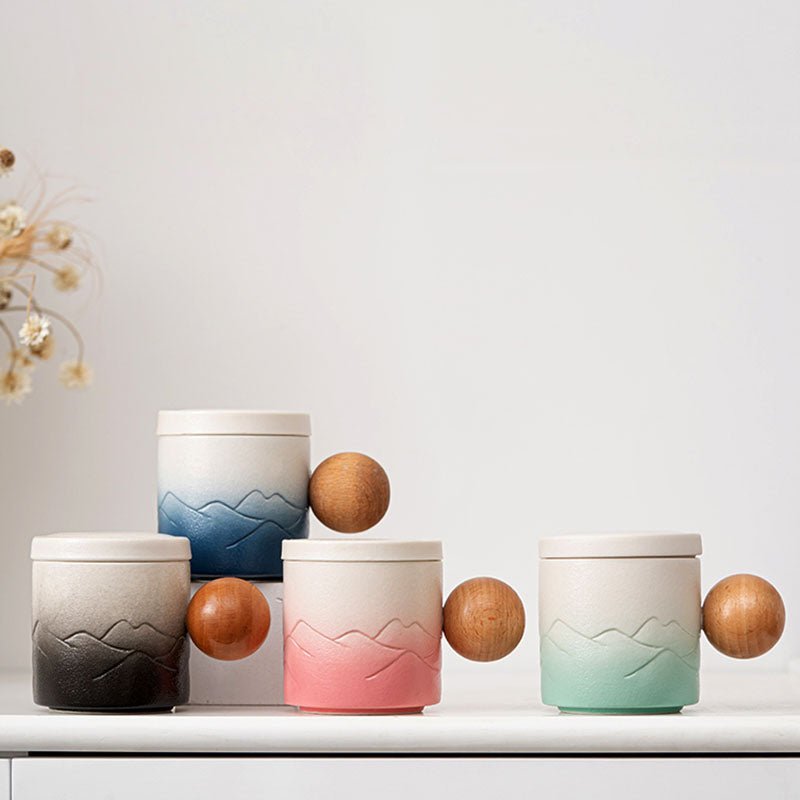
If you are replacing a mug that has become impossible to keep clean, start by comparing smoother everyday styles in our all mugs collection. For simple, repeat-use options, take a look at The Rock Coffee Tea Mug and Morning Night Coffee Tea Mug; if you like a more outdoorsy look, the Mountain Coffee Tea Mug is worth a look.
Why do coffee stains cling to mugs so stubbornly?
Coffee leaves behind tannins, oils, and fine pigment. On a clean glazed mug, that residue sits on top of the surface at first. Once the mug gets used every day, especially with reheated coffee or long sitting time between rinses, the residue can settle into small scratches, crazing in the glaze, or the tiny rough spots that show up on older cups.
That is why a mug can look clean right after washing and still show a faint tan shadow once it dries. It is also why printed mugs, matte glazes, and older hand-me-down cups tend to stain more visibly than a smooth, glossy interior. If you have ever pulled a mug from the dishwasher and still seen the ring inside, that is usually residue plus surface texture, not bad dishwashing.
We find this matters most for mugs that live at a desk. A coffee cup used through a full workday sees more drying cycles, more refills, and more time for stains to set than a mug that gets washed immediately after one drink.
What is the safest way to clean a stained mug?
The safest method is the plainest one. Start with warm water, a small amount of dish soap, and a soft sponge or non-scratch cloth. That handles fresh buildup and keeps the finish intact.
- Rinse the mug with warm water first so loose residue does not drag across the glaze.
- Add a drop of mild dish soap and fill the mug with warm water.
- Let it sit for 5 to 10 minutes if the stain is more than a light ring.
- Use a soft sponge to wipe the inside, then rinse well.
- If the stain remains, move to a baking soda paste instead of scrubbing harder.
For most glazed ceramic mugs, this is enough for fresh coffee film. If the mug has a printed exterior or a metallic accent, gentle washing is usually the better long-term choice. Harsh scrubbers may remove the stain, but they can also dull the surface or fade decoration.
If you want a deeper walk-through on finish-safe cleaning, we cover that approach in How to Get Rid of Coffee Stains in Mugs Without Damaging the Finish.
Which method works best for light, set-in, and stubborn stains?
Different stains need different levels of pressure. A fresh ring does not need the same treatment as a mug that has carried coffee for months. This is the part most shoppers miss: the right cleaner matters less than the right level of abrasion.
| Method | Best for | Watch out for |
|---|---|---|
| Warm water + dish soap | Fresh coffee film, daily maintenance, lightly tinted interiors | May not remove an old brown ring on its own |
| Baking soda paste | Set-in stains, the inside base, faint discoloration around the lip | Do not use a gritty pad with it; let the paste do the work |
| White vinegar soak | Mineral-heavy residue and dull film that soap leaves behind | Avoid if the mug has metallic trim or delicate decoration |
For baking soda, mix a small amount with just enough water to form a paste. Spread it on the stained area, wait a few minutes, then wipe with a soft sponge. Do not press hard. If the stain is stubborn, repeat the soak rather than switching to steel wool or a harsh abrasive cleanser.
Vinegar can help when the stain is mixed with hard-water residue, but it is not the best first choice for decorative mugs. On some finishes, especially those with printed artwork or special accents, a vinegar soak is more likely to create a dull patch than a cleaner-looking mug. If you want a related reference point, our article on How to Get Rid of Tea Stains on Mugs Without Damaging the Finish follows the same gentle logic.
A practical rule: if you can feel the stain but not a rough edge, start with soap and water. If you can see a ring that has dried on for days, use baking soda. Save vinegar for residue that feels more like film than pigment.
Which mugs are easier to keep looking clean?
A mug that stays looking clean usually has a few things going for it: a smooth glazed interior, fewer surface grooves, and decoration that is not overly fragile. A heavily textured cup may look great on day one, but it can be harder to rinse fully after repeated use.
In our store, we steer customers toward simpler silhouettes when they want an everyday mug for coffee, tea, and office refills. That does not mean decorated mugs are a bad purchase. It means the trade-off is real: a bold graphic, matte finish, or special accent can be more sensitive to aggressive cleaning than a plain glossy interior.
For example, if you are comparing styles, the The Rock Coffee Tea Mug is the kind of piece that works well for daily kitchen-and-desk use, while the Mountain Coffee Tea Mug is a better fit if you want a mug with a more distinctive look. If you are buying for a gift, a mug that looks sharp in the box but still rinses clean after a week of coffee use is usually the smarter choice than one with a finish you have to baby.
If you want to compare more shapes and finishes before choosing, browse the all mugs collection and look for a smooth interior and a care method you will actually follow.
What should you avoid if the mug has print, matte glaze, or metallic trim?
Not every mug should be treated the same way. This is where a lot of damage happens. A mug can come out clean and still lose value if the cleaning method scuffs the finish, dulls the print, or leaves a cloudy patch.
- Avoid steel wool, magic erasers used with pressure, and gritty scrub powders on printed or glossy mugs.
- Skip long vinegar soaks on mugs with metallic lettering, gold rims, or similar decorative accents.
- Do not use bleach unless the care instructions specifically allow it and the mug has no decoration that could be affected.
- Do not put extreme heat on a mug that already has crazing in the glaze, since old micro-cracks can trap stain and make the finish look worse.
One more trade-off: dishwashers help with convenience, but they rarely fix an old coffee ring on their own. A dishwasher-safe mug can still need a hand-cleaning step if the stain has been sitting for weeks. That is normal. It does not mean the mug is low quality.
If your current cup has already lost its clean look, the problem may be the surface finish rather than your washing routine. That is why we recommend choosing a mug whose care matches your habits instead of buying one that needs perfect maintenance to look good.
How do you keep coffee stains from coming back?
The easiest way to stop repeat staining is to clean the mug before the residue dries completely. That sounds basic, but it matters. A quick rinse after your last cup of the day does more for the finish than a hard scrub a week later.
- Rinse the mug right after use instead of letting coffee dry overnight.
- Use mild dish soap regularly, even if the mug looks clean.
- Do a baking soda wipe once in a while if you notice a faint tan shadow.
- Store the mug dry so stale moisture does not keep residue in place.
Realistically, some mugs will stain faster than others. Dark coffee, long brew times, and frequent reheating all make stains more likely. That is why a mug used every morning at home may still look fine after months, while the office mug that gets abandoned on a desk for hours starts to show a ring within a week.
If you are shopping for a replacement, think about use pattern first and design second. A mug that is easy to rinse and easy to inspect will usually stay looking better over time.
Frequently asked questions
What removes coffee stains from mugs the fastest?
For a fresh stain, warm water and dish soap are usually the fastest safe option. If the ring has already dried on, a baking soda paste works better than scrubbing harder. The key is to let the cleaner sit long enough to loosen the stain before wiping.
Can I use vinegar on a coffee-stained mug?
Yes, but only on mugs where the finish can handle it. Vinegar is useful for residue and hard-water film, but it is not ideal for metallic trim, delicate printing, or some decorative finishes. If you are unsure, start with baking soda instead.
Will baking soda scratch my mug?
Not if you use it as a paste with a soft sponge or cloth. The issue is usually the scrubber, not the baking soda itself. Avoid combining it with steel wool or a rough pad if you want to keep the glaze smooth.
Why does my mug still look stained after the dishwasher?
The dishwasher can clean loose residue, but it does not always remove a stain that has settled into micro-scratches, glaze crazing, or a matte surface. In that case, a hand-cleaning step is usually needed. A dishwasher-safe mug is still allowed to need a little extra care.
What kind of mug is easiest to keep clean?
A mug with a smooth glazed interior and minimal texture is usually easiest to maintain. Plain finishes tend to rinse more cleanly than heavily patterned or matte surfaces. If easy care matters most, compare options in our collection before buying.
Before you replace a stained mug, check three things: the interior finish, the care instructions, and whether the design can handle gentle cleaning. If you want mugs that are easier to keep looking clean, start with our all mugs collection and choose the simplest glazed option that fits your routine.
More from our blog
Read more
Coffee Mug Gift Ideas for Practical Gifts People Actually Use
A good mug gift gets used on a kitchen counter or office desk, not buried in a cabinet. Here we compare styles, buying checks, and CoffeifyMug picks that feel personal without getting fussy.
En savoir plus
Daddy to Be Coffee Mug: What to Check Before You Buy
A daddy to be coffee mug should feel like a real daily mug, not just a shower prop. This guide shows what to check for size, comfort, care, and gift fit before you buy.
En savoir plus
Laisser un commentaire
Ce site est protégé par hCaptcha, et la Politique de confidentialité et les Conditions de service de hCaptcha s’appliquent.