
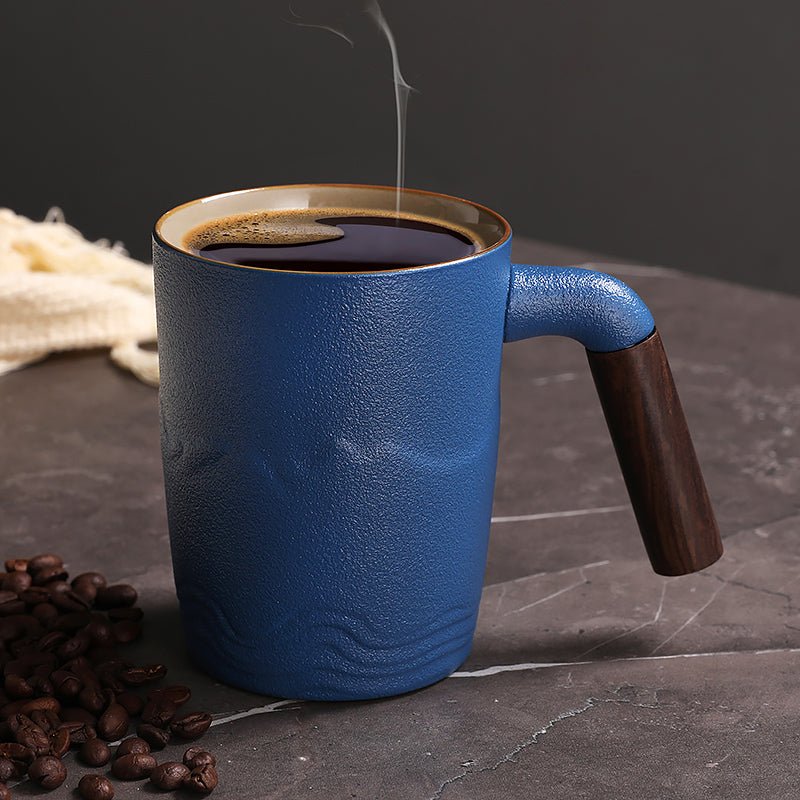
How Much Caffeine in a Mug of Coffee? Mug Size, Brew, and Strength
Reading time: about 8 minutes
A half-full mug on a desk can be misleading. The cup looks standard, but the caffeine changes the moment the pour gets bigger, the brew gets stronger, or a second refill lands next to the keyboard.
If you are trying to figure out how much caffeine in a mug of coffee is actually too much, the short answer is that the mug itself does not add caffeine. The coffee inside it does. A smaller 8 oz serving and a fuller 12 oz mug can feel similar in hand, but they can be very different once you start measuring what went into the pour.
How much caffeine is in a mug of coffee?
For a typical mug of brewed coffee, a practical range is often somewhere around 70 to 120 mg in an 8 oz cup, with larger mugs rising if they are filled with the same brew. That number moves with the beans, the grind, the brew method, and how strong the coffee was made. If you pour a standard drip coffee into a 10 oz or 12 oz mug, you are usually increasing the total caffeine simply because you are drinking more liquid.
Here is the simplest way we explain it in our store: the mug shape changes comfort and capacity, but the caffeine comes from the coffee dose. If the same brew is poured into a bigger mug, the total caffeine usually goes up. If the mug is larger but only partially filled, the caffeine stays tied to the amount actually in the cup.
| Coffee situation | Typical mug or serving size | What it means for caffeine |
|---|---|---|
| Standard brewed coffee | 8 oz | Often a moderate caffeine serving, depending on the beans and brew strength |
| Full mug of brewed coffee | 10 oz | Usually more total caffeine than an 8 oz cup if the coffee strength stays the same |
| Large desk mug | 12 oz | Can push the total higher again, especially with a strong drip brew |
| Espresso-based drink in a mug | Varies | Concentrated coffee, but not always more total caffeine unless multiple shots are used |
The exact number is never just about the mug. A lighter brew, a darker brew, a stronger dose, and a bigger pour can all land in very different places. That is why two mugs that look almost identical on a kitchen counter can hold very different caffeine loads once they are filled.
Why does the mug size change the answer?
Because most people pour to the rim, not to a lab line. A mug sized for 10 oz or 12 oz invites a fuller pour than a smaller cup, and that changes the total caffeine you drink in one sitting. The mug is just the container, but the container affects how much coffee ends up in front of you.
There is also a practical side to this. On an office desk, a bigger mug is easier to keep sipping from without constantly standing up for a refill. That makes it convenient, but it also makes it easier to drink more caffeine without noticing the total. In our experience, buyers who track caffeine closely usually care less about the print or glaze first and more about the fill level, the handle, and how much they tend to top up the cup.
If you want a mug that feels comfortable in hand while you measure out a full pour, our Ball Handled Coffee Tea Mug is a straightforward everyday option. If you prefer a more sculpted look for slower sipping, the Pleated Coffee Tea Cup gives a different hand feel. For a more decorative table presence, the Golden Waves Kio Coffee Tea Mug works well on a breakfast tray or sideboard without changing the caffeine in the drink.
If you are still comparing mug capacity before you buy, you can also browse our full mug collection and match the size to your daily pour habits instead of guessing from photos alone.
Which brew styles push the caffeine higher?
The brew method changes the result more than the mug design does. A strong drip brew, a long steep, or a high coffee-to-water ratio will usually produce more caffeine per mug than a weak brew made with the same cup.
- Drip coffee: the most common daily mug. It is easy to scale up because a larger mug usually means more liquid and more total caffeine.
- French press: often fuller-bodied, with the result depending on steep time and how much coffee grounds were used.
- Cold brew: can be very concentrated before dilution, so a mug that starts as concentrate may end up stronger than a standard hot cup.
- Espresso drinks: concentrated, but not automatically higher in total caffeine unless the drink uses multiple shots.
One common mistake is assuming dark roast always means more caffeine. That is not a safe assumption. Bean type, dose, and brew ratio matter more than roast color. A dark roast can taste stronger and bolder, but a carefully measured medium roast can still carry more caffeine if more coffee was used in the basket or brewer.
For shoppers who want a bigger everyday mug but not a giant one, our related size guides can help narrow things down: 10 oz Coffee Mug: Size, Fit, and What to Check Before You Buy and 12 oz Coffee Mug Buying Guide for Fit, Comfort, and Daily Use. Those posts are useful if you are choosing between a smaller mug for tighter portions and a larger one for all-morning coffee.
What should you check before buying the mug?
If you are buying a mug with caffeine tracking in mind, size is only one part of the decision. We inspect mugs for the same things buyers notice after the first few uses: handle comfort, rim feel, stability on a desk, and whether the mug is practical for daily washing.
These are the details that matter most in real life:
- Handle clearance: a handle should leave enough space for adult fingers, especially if you pour the mug full and drink it hot.
- Rim thickness: a thin, even rim usually feels better for coffee; a heavy lip can make sipping less comfortable.
- Glaze and finish: decorative finishes can look great, but they should not chip easily at the rim or collect rough spots where the cup meets a spoon.
- Dishwasher habit: if you wash mugs daily, check whether the finish is meant for regular machine washing. Metallic decoration and delicate printed surfaces often deserve more care.
- Common defect modes: chipped rims, wobbly foot rings, hairline cracks, and uneven glaze pooling are the things that show up first in everyday use.
That is also where trade-offs show up. A heavy ceramic mug can hold heat well, but it is not the best choice if you want something ultra-light for commuting. A decorative mug looks better on a shelf, but it may not be the one you grab first when you want a quick, no-fuss refill. If your coffee routine includes the car, a travel tumbler still makes more sense than a mug with an open top.
If you like collecting matching kitchen pieces, our 11 oz Coffee Mug: Size, Fit, and What Buyers Should Check Before They Buy is another good reference point. It is especially useful if you are deciding between a compact mug for a single pour and a fuller size for work-from-home use.
How do you estimate caffeine without guessing?
You do not need lab equipment to get close. A simple routine is enough for everyday buying decisions. Start with the brew style, then look at the pour size, then decide whether you usually refill before the mug cools down.
- Check the mug capacity first. If it is 10 oz or 12 oz, expect a bigger total if you fill it.
- Think about how you brew. Drip coffee, French press, and cold brew do not behave the same way.
- Decide how you drink. If you sip one full mug slowly, your caffeine exposure is different from someone who drinks two smaller pours in an hour.
- Watch the add-ins. Milk does not remove caffeine. It only changes volume and taste.
- Be honest about refills. A second pour is where many people accidentally double their intake.
That is the practical answer to how much caffeine in a mug of coffee: the number is really a combination of brew strength and how much you pour. If you treat the mug like a measuring tool instead of a decorative vessel, the estimate gets much easier.
Our rule of thumb is simple: if the mug is bigger, the potential caffeine total is bigger only when you fill it. A larger mug with a half pour is still a half pour.
Frequently asked questions
How much caffeine is usually in an 8 oz mug of coffee?
A typical 8 oz mug of brewed coffee often lands in a moderate caffeine range, but the exact amount depends on how strong the brew was made. A lighter brew can come in lower, while a stronger batch can run higher. The mug size itself does not change the caffeine; the coffee recipe does.
Does a 12 oz mug have more caffeine than an 8 oz mug?
Usually yes, if both mugs are filled with the same coffee. A larger mug usually means a larger pour, and a larger pour usually means more total caffeine. If the 12 oz mug is only half full, though, the caffeine can be similar to a smaller cup.
Does dark roast coffee have more caffeine?
Not automatically. Dark roast often tastes bolder, but caffeine is more closely tied to the amount of coffee used and the brew method. A well-measured medium roast can have more caffeine than a dark roast if the dose is larger.
What mug size is best if I want to keep caffeine under control?
Smaller mugs make it easier to keep portions consistent. A 10 oz mug is a practical middle ground for many daily coffee drinkers, while a 12 oz mug is better if you like a fuller pour and do not plan to refill quickly. If you want tighter control, measure the pour once or choose a size that matches your usual serving.
Do ceramic mugs change caffeine levels?
No. Ceramic changes the drinking experience, not the caffeine content. It can hold heat well and feel solid in hand, but the amount of caffeine depends on the coffee inside and how much you pour.
If you are ready to compare sizes and shapes against your daily pour, start with our full collection and match the mug to the amount of coffee you actually drink. If you want a deeper size check first, the 10 oz and 12 oz buying guides above are the quickest way to narrow the field.
Read more
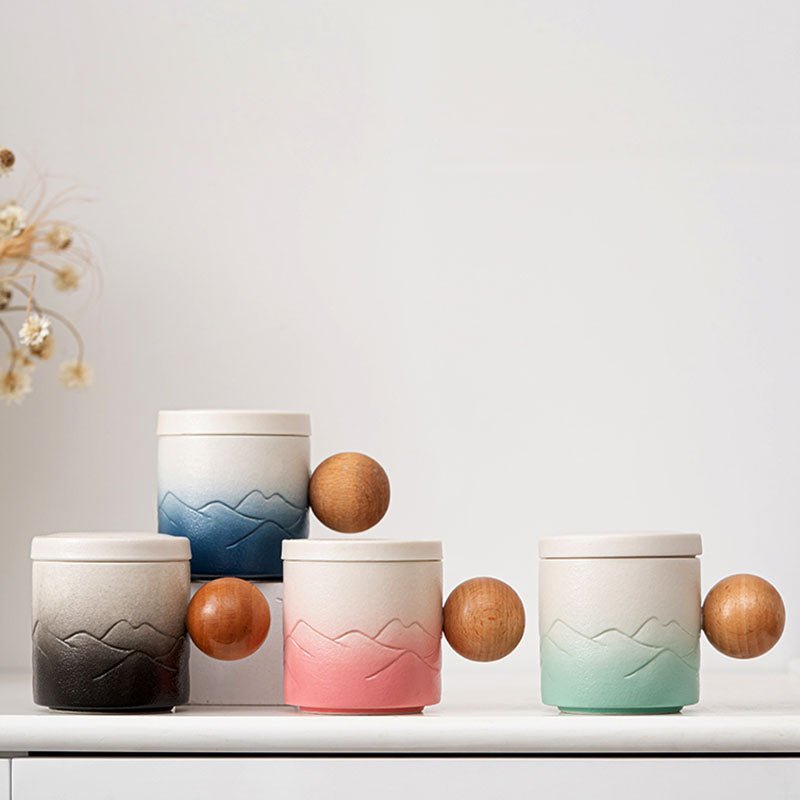
Elegant Coffee Cups for Daily Use, Gifting, and Better Tables
Elegant coffee cups should look polished and still feel right at 7 a.m. We break down the sizes, materials, and finish details that matter, plus what to skip if you want a cup for everyday use.
En savoir plus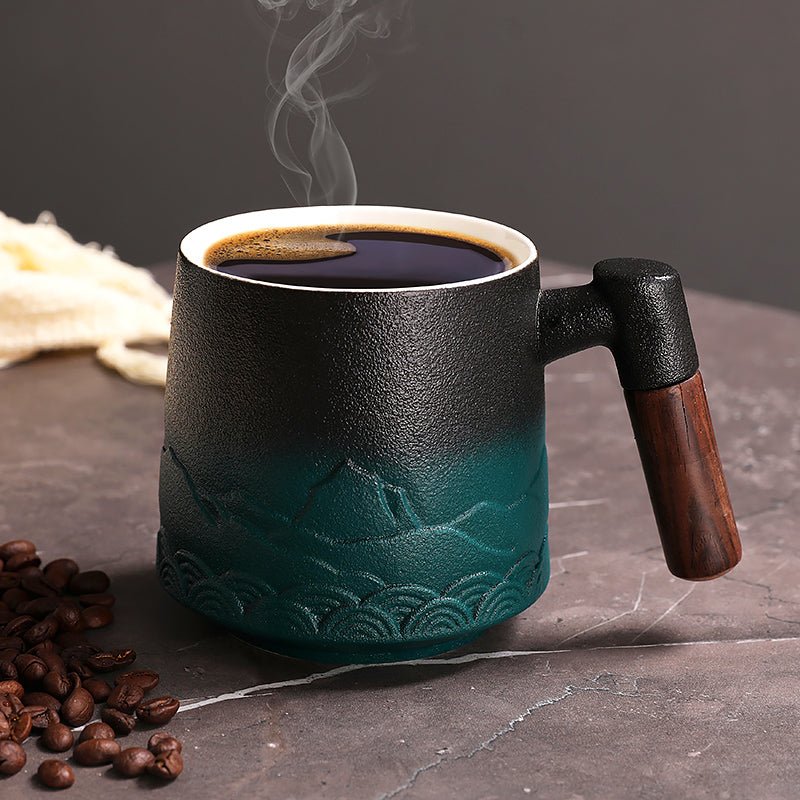
Dallas Cowboys Coffee Mugs: What to Buy and What to Skip
A practical buyer’s guide to Dallas Cowboys coffee mugs, with size, finish, and care trade-offs explained from a store perspective. Use it to pick a mug that fits your desk, your brew size, and you...
En savoir plus
Laisser un commentaire
Ce site est protégé par hCaptcha, et la Politique de confidentialité et les Conditions de service de hCaptcha s’appliquent.