
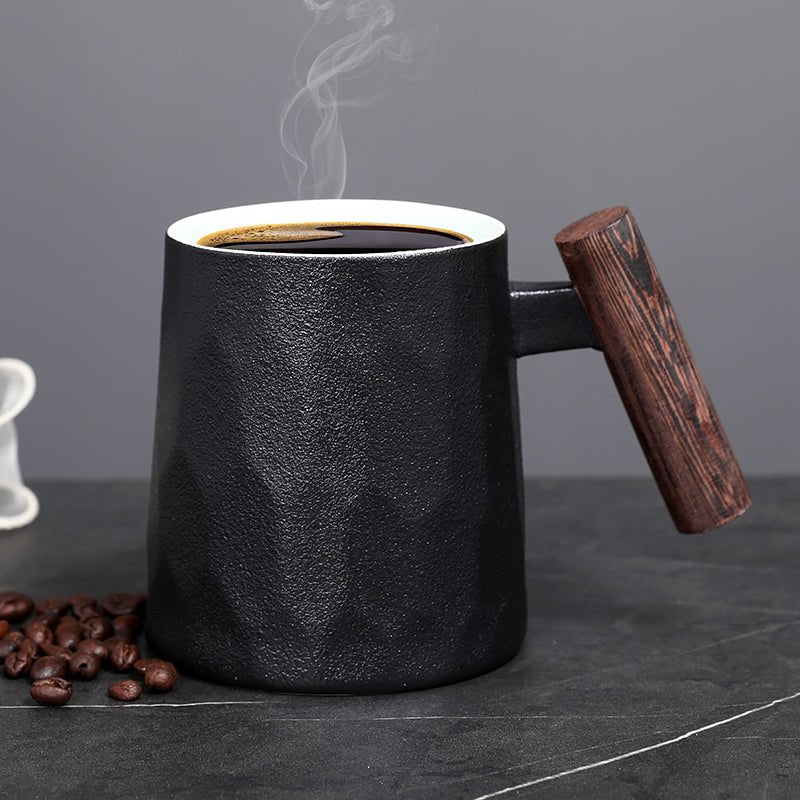
How Big Is the Average Coffee Mug? Sizes, Ounces, and Buying Tips
Reading time: about 9 minutes
A mug that looks “normal” on a product page can feel tiny once you pour a full morning coffee into it. We see this all the time: shoppers expect one size, then realize they need something that fits a drip machine, a latte, or a desk refill without constant trips back to the kitchen.
If you’re asking how big is the average coffee mug, the short answer is usually 8 to 12 ounces. In practice, though, the right size depends on how much coffee you drink, how wide the mug opens at the top, and whether you want room for milk, foam, or a little extra space so the drink does not slosh on the walk to your office desk.
We handle a lot of mug comparisons in our store, and the size question is never just about capacity. Handle comfort, wall thickness, base width, and even dishwasher spacing matter. A mug that holds 12 ounces on paper may feel very different from another 12-ounce mug with a tall, narrow shape.
For shoppers comparing options, it helps to start with the basics and then look at the trade-offs. If you want a broader sizing overview, our post on Average Coffee Mug Size: What Buyers Should Expect gives a useful baseline before you narrow things down.
How big is the average coffee mug in ounces and dimensions?
The average coffee mug is commonly sold in the 8 oz to 12 oz range. That range works for standard drip coffee, tea, and smaller pours from a home brewer. Many larger everyday mugs move up to 14 oz, 16 oz, or more, especially if the mug is meant for milk-heavy drinks or people who want one fill to last longer.
Dimensions vary as much as capacity. A typical mug may be about 3.25 to 3.75 inches tall with a diameter around 3 to 3.5 inches, but that changes by style. A tapered ceramic mug can hold the same volume as a shorter, wider one. That is why we always tell shoppers to check both ounces and overall shape, not just the headline number.
| Common mug size | Typical use | What it feels like in real use |
|---|---|---|
| 8 oz | Small drip coffee, espresso-based drinks with little milk | Compact and easy to store, but can feel too small for long mornings |
| 10 to 12 oz | Standard coffee and tea | The closest match to what many people call a “regular” mug |
| 14 to 16 oz | Larger pours, lattes, longer desk sessions | Useful if you do not want frequent refills, but heavier when full |
| 18 oz and up | Big servings, soup, specialty drinks | Handy for large drinks, though not ideal for small hands or tight cupboards |
If you want a broader shopper’s view of sizing trade-offs, our guide Average Coffee Mug Size: What Buyers Should Know Before Ordering goes deeper into what those ounces mean once you actually pour and carry the mug.
Why do two mugs with the same ounces feel different?
Two mugs can both be labeled 12 ounces and still feel completely different in hand. That usually comes down to three things: shape, wall thickness, and handle design. A wider mug has more surface area at the top, which can make it feel more open and less “full” even at the same volume. A taller mug concentrates the drink and can feel more substantial.
We see this especially with ceramic mugs. A thicker stoneware mug may keep heat better, but it also adds weight. A thinner ceramic mug feels lighter and sometimes more refined, but it can cool faster and chip more easily if it gets knocked around in a sink or dishwasher rack.
Handle shape matters more than many first-time buyers expect. A large handle is great if you want space for two fingers and a comfortable grip. A tighter handle can look elegant, but it may not be the best choice for larger hands, gloves, or people who carry coffee while answering emails on the move.
That is why reading a size label alone is not enough. In our experience, shoppers who compare width and handle clearance end up happier than shoppers who only chase the biggest ounce count.
What size works best for daily coffee at home or work?
The best size depends on how you actually drink coffee. A lot of people want a mug that fits a standard morning pour without leaving a huge gap at the top. Others want room for cream, oat milk, or foam. And some want a mug that can sit on a desk for an hour without needing a refill.
Here is the practical breakdown we use when helping customers choose:
- 8 oz: Best for smaller servings, espresso drinks, and people who like coffee hot and finished quickly.
- 10 to 12 oz: The safest everyday pick for most kitchens. It fits many standard pours without feeling oversized.
- 14 to 16 oz: Better for long mornings, larger tea servings, or people who add a lot of milk.
- 18 oz+: Good for soup or very large drinks, but less convenient for cabinet storage and lighter use.
For office use, a 12 to 14 ounce mug often hits the sweet spot. It is big enough to be useful, but not so large that it takes over a desk or feels awkward in a microwave. For home use, especially if you sip slowly, a 14 to 16 ounce mug can make more sense.
If your priority is a larger everyday mug, our The Rock Coffee Tea Mug is worth a look. It suits shoppers who want a sturdier feel and a mug that looks at home on a kitchen counter or work desk.
For shoppers comparing more shapes and sizes, our full mug collection is the quickest way to see what style actually fits your routine.
What should you check besides ounce capacity?
Capacity is only part of the story. A mug can hold the right amount and still be the wrong mug for daily use. We look at a few details every time we evaluate a mug for our store, because they affect whether the mug works in a real kitchen or just looks good in photos.
- Material: Ceramic and stoneware are common because they feel solid and hold heat reasonably well. Porcelain tends to look lighter and cleaner. Stainless steel is a different category entirely and usually better for travel than for a desk mug.
- Rim width: A wider rim can make sipping easier, but it also cools coffee faster. Narrower openings help retain heat a little longer.
- Handle clearance: Make sure your fingers fit comfortably between the handle and body. This matters more if you have larger hands.
- Base size: A wide base is more stable on a cluttered desk or uneven kitchen counter. A narrow base may look sleek but tip more easily.
- Care instructions: If you want low-maintenance use, check whether the mug is dishwasher safe and microwave safe. Hand-painted or metallic-accent mugs often need gentler care.
There are also a few common defect modes we watch for when handling mugs: hairline cracks near the handle, rough glazing on the rim, and chips on the base from packaging or shelf contact. Those issues are not part of normal use, and a well-made mug should arrive clean, even, and comfortable to hold.
What size mug is not a good fit for certain buyers?
Not every mug needs to be large, and a bigger mug is not automatically better. A 16-ounce mug is not ideal if you drink a small espresso-based coffee and want it to stay hot. It is also not the best pick if your cupboard shelves are already packed or your dishwasher rack has tight spacing.
On the other hand, an 8-ounce mug is usually not the best choice for someone who adds milk, likes a large pour, or wants one mug to handle coffee and tea through a long work session. It may also feel too small if you are buying a gift for someone who clearly likes oversized drinkware.
We always tell shoppers to think about the mug’s main job:
- Desk mug: Choose a stable base and comfortable handle, even if the size is moderate.
- Gift mug: Go with a versatile 10 to 14 ounce size unless you know the person likes smaller or very large cups.
- Latte mug: Wider and slightly larger tends to work better than a tall narrow mug.
- Travel-friendly use: A normal ceramic mug is not the answer. You want a lidded travel cup instead.
That last point matters. A standard coffee mug is not built for commuting, a car cup holder, or carrying liquid through a crowded hallway. If that is your use case, a travel tumbler is the better category.
How do we help shoppers choose the right mug size?
Our experience in the store is simple: people are happiest when the mug fits how they already drink, not when it just looks large on a shelf. We often recommend starting with how much coffee you pour at home, then adding a little room for milk or foam. That usually prevents the common mistake of buying a mug that feels either too cramped or too oversized.
We also suggest checking the mug against your actual routine:
- Will it fit under your coffee machine spout?
- Will it sit comfortably on your desk next to a keyboard and notebook?
- Will it go through regular dishwasher cycles without needing handwashing?
- Do you want a mug that feels heavy and sturdy, or lighter and easier to lift when full?
If you are still comparing styles, our post Big Coffee Mugs: How to Choose the Right Large Mug for Daily Use is a good follow-up for shoppers leaning toward larger options. It focuses on comfort and daily use, not just size numbers.
Frequently asked questions
How many ounces is a standard coffee mug?
A standard coffee mug is usually 8 to 12 ounces. For most home shoppers, 10 or 12 ounces is the closest match to what they picture as a normal mug. Larger mugs exist, but they move into the big-mug category rather than the classic everyday size.
Is a 12 oz mug big enough for coffee?
Yes, a 12 oz mug is enough for many people’s daily coffee, especially if you drink drip coffee or a modest pour with a bit of milk. If you like very large lattes or want to sip over a long stretch, 14 to 16 ounces may feel better.
What is the best mug size for a gift?
A 10 to 14 ounce mug is usually the safest gift size because it suits more people and more drinks. It is large enough to be practical without becoming bulky on a counter or in a cabinet. If the person already uses oversized mugs, then a larger option can make sense.
Are larger coffee mugs harder to use every day?
They can be. Larger mugs are heavier when full, take more cabinet space, and may cool coffee a bit differently because of the wider opening. They are useful for big pours, but they are not always the most comfortable choice for a quick morning cup.
Should I choose ceramic or stoneware for a daily mug?
Both are common for everyday mugs. Ceramic often feels a little lighter and cleaner in hand, while stoneware tends to feel thicker and sturdier. If you want a mug that gets heavy use in the dishwasher and microwave, check the care instructions before you buy.
If you want a simple next step, compare your current mug to these ranges: 8 oz for small servings, 10 to 12 oz for the standard everyday choice, and 14 oz or larger for bigger pours. Then browse our mug collection or open The Rock Coffee Tea Mug if you want a sturdier large-mug option that fits real daily use.
Read more
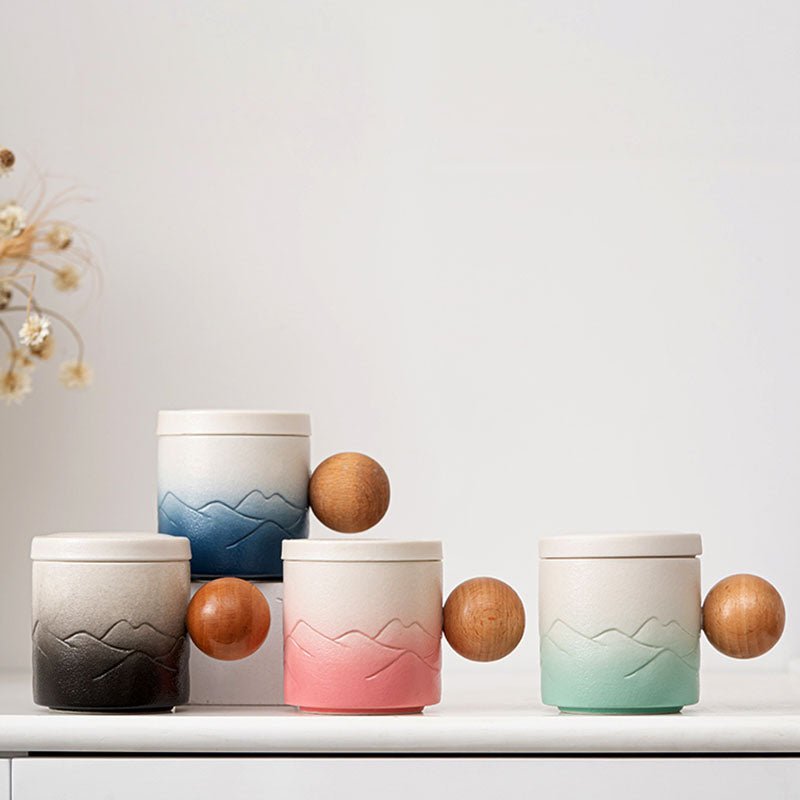
Rustic Stoneware Coffee Mugs: How to Choose the Right One
We compare rustic stoneware coffee mugs by feel, size, handle comfort, and care so you can pick one that works on a real kitchen counter, office desk, or gift shelf. See which styles fit daily use,...
En savoir plus
How to Choose a Vintage Retro Small Coffee Cup: Practical Buying Guide
A small retro cup can look right at home on a kitchen shelf and still work for daily coffee or tea. Here’s how we compare size, ceramic quality, care, and giftability before we stock it.
En savoir plus
Laisser un commentaire
Ce site est protégé par hCaptcha, et la Politique de confidentialité et les Conditions de service de hCaptcha s’appliquent.