
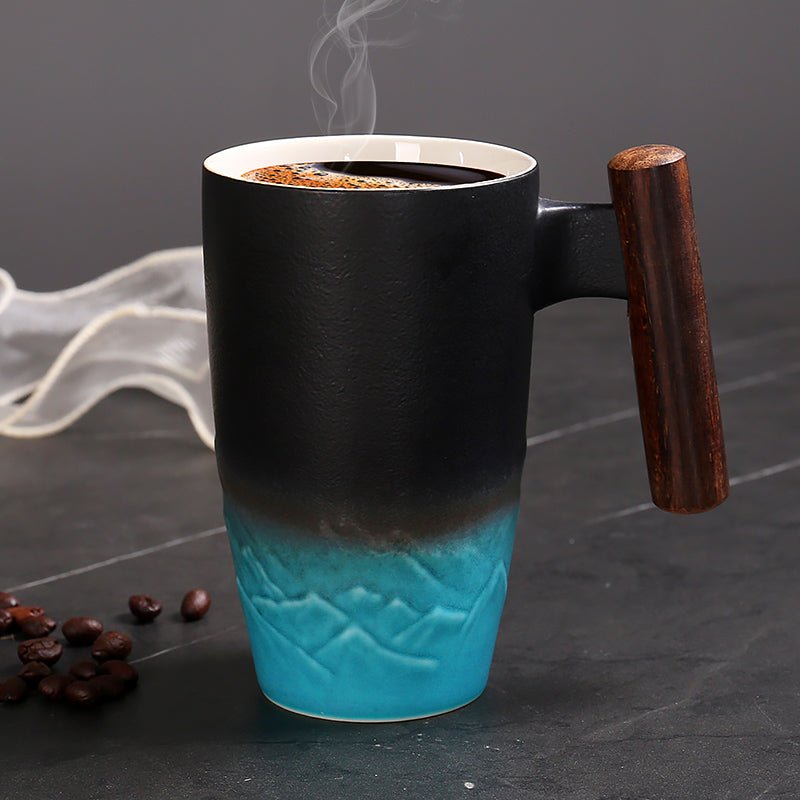
How Big Is a Regular Coffee Mug? Sizes, Capacity, and Buying Tips
Reading time: about 9 minutes
A mug can look normal on the shelf and still hold very different amounts once you actually pour coffee into it. We see this all the time in our store: one shopper wants a mug that fits a drip-coffee fill without sloshing, while another wants a cup that leaves room for milk and still feels comfortable in the hand.
If you are asking how big is a regular coffee mug, the practical answer is usually 8 to 12 ounces. That is the range most people mean when they say a standard mug, although the exact feel depends on the shape, wall thickness, and where the mug tapers.
For shoppers comparing options, it helps to think in everyday use, not just the label on the product page. A mug that is technically 10 ounces may pour less in real life if the inside curves sharply or if the handle and lip reduce usable space. That is why we measure and handle mugs before we recommend them.
If you want to compare a few real-world options, our The Rock Coffee & Tea Mug is a good place to start, and our full mug collection makes it easier to compare standard sizes against larger daily-use cups.
What size does a regular coffee mug usually hold?
A regular coffee mug usually holds 8 to 12 ounces, with many everyday ceramic mugs landing around 11 ounces. That range is close to what most buyers expect for a breakfast mug, a desk mug, or a simple cup of drip coffee.
Here is the part that trips people up: mug volume and mug usability are not the same thing. A straight-sided 12-ounce mug can feel roomy. A tapered 12-ounce mug may feel tighter because the curve narrows the top opening. If you drink coffee with cream, foamed milk, or a large splash of creamer, the usable space matters more than the number printed in the listing.
| Common mug type | Typical capacity | Best for |
|---|---|---|
| Small cup | 6 to 8 oz | Espresso drinks, smaller pours, short coffee breaks |
| Regular coffee mug | 8 to 12 oz | Daily drip coffee, tea, standard home use |
| Large mug | 14 to 16 oz | Milk drinks, longer sipping, bigger pours |
If your current mug is around 10 or 11 ounces, that is squarely in the regular category. If it is closer to 14 ounces, most people would call it a large mug, not a standard one.
How do mug dimensions affect the way it feels in hand?
Capacity is only part of the decision. The outside dimensions change how a mug feels at the kitchen counter, at a desk, and in the dishwasher rack.
For a regular coffee mug, we usually look at three practical details:
- Height: many standard mugs sit around 3.5 to 4.25 inches tall.
- Diameter: the rim often falls around 3 to 3.5 inches across.
- Handle clearance: enough room for two or three fingers matters more than buyers expect.
A shorter mug can feel sturdier and less top-heavy. A taller mug may hold the same amount but can be less stable on a crowded desk. Thicker ceramic walls also affect the grip and heat retention. In our experience, buyers who drink coffee while working usually prefer a mug with a comfortable handle and a base that does not wobble on a laptop-heavy desk or a narrow side table.
One detail that gets overlooked is the rim. A rolled rim usually feels better on the lips and holds up well to daily use. A very thin rim can make the mug feel refined, but it is also easier to chip if the mug is stacked or knocked against a sink edge.
What is the difference between a regular mug and a large mug?
This is where shopping gets practical. A regular mug is built for a standard cup of coffee. A large mug is built for people who want room to spare.
We often point buyers to Big Coffee Cups: How to Choose the Right Large Mug for Daily Use when they realize they are more often pouring 12 to 14 ounces than 8 to 10. The size jump sounds small on paper, but on a shelf or in a dishwasher it feels meaningful.
Here is the trade-off in plain terms:
- Regular mug: better for standard drip coffee, shorter brew sessions, and less weight in the hand.
- Large mug: better for lattes, tea refills, extra cream, or people who do not want to top up during the morning.
- Very large mug: not ideal if you want a lighter cup, a compact cupboard fit, or a mug that cools more slowly because it is easier to fill just partway.
If you are still deciding between standard and oversized, our Big Coffee Cups: What to Check Before You Buy a Large Mug and Big Coffee Mug Buyer's Guide: Size, Comfort, and Daily Use go deeper into the comfort side of the choice.
How do we measure a mug the right way before buying?
We recommend measuring the way you will actually use the mug, not just trusting the headline capacity. A lot of frustration comes from mugs that look right in photos but do not fit the buyer's routine.
- Check the listed capacity. Confirm whether the number is fluid ounces or a decorative size label.
- Look at the rim opening. A wide opening can make a mug feel larger than its volume suggests.
- Compare height to storage space. Cabinets, espresso machines, and dishwasher racks all have limits.
- Inspect the handle. A narrow handle can be annoying with hot coffee, especially if you use the mug first thing in the morning.
- Think about fill level. If you add milk or foam, a true 10-ounce mug may function like a smaller cup.
We also pay attention to the inside glaze and the foot ring. A smooth interior is easier to clean after coffee oils build up. A flat, well-finished foot ring helps the mug sit evenly on the counter instead of rocking. Those are the kinds of details that separate a mug you keep reaching for from one that gets pushed to the back of the cabinet.
What materials and finishes hold up best for daily use?
For a regular coffee mug, the most common and practical materials are ceramic, stoneware, and porcelain. Each has a different feel.
- Ceramic: common, familiar, and usually comfortable for daily coffee.
- Stoneware: often thicker and heavier, which many buyers like for a sturdy feel on the hand and desk.
- Porcelain: typically lighter and finer, with a more refined drinking edge.
We usually steer people toward a material that matches how they actually wash and store their mugs. If the mug goes through daily dishwasher cycles, a durable glaze matters. If it gets stacked with other cups, a harder finish can help reduce scuffing around the rim and foot.
There are also some common failure points we watch for. Handle joints can develop hairline cracks if the mug is dropped or exposed to repeated temperature shock. Printed graphics may fade sooner than a plain glaze if the mug is washed aggressively. Metallic trim and specialty finishes often look good, but they usually need hand washing and are not the best choice for a mug you want to beat up in the office kitchen.
If you prefer something with a substantial feel, the The Rock Coffee & Tea Mug is worth a look. It fits better with buyers who want a sturdier daily mug rather than a delicate display piece.
What size works best for coffee, tea, and milk drinks?
The right mug size depends on what you pour into it most often. A regular coffee mug is not a one-size-fits-all answer.
- Black coffee: 8 to 10 ounces is often enough for a straightforward morning cup.
- Tea: 10 to 12 ounces gives you a little extra room without feeling oversized.
- Milk-heavy drinks: 12 ounces or more can be more comfortable if you add steamed milk or a lot of creamer.
- Hot cocoa or soup: a larger mug may be more useful than a standard coffee cup.
What a regular mug is not good for: it is not the best choice if you routinely make very large lattes, want a full travel-cup style volume, or like to pour a generous amount of milk with room to spare. In those cases, a larger mug is less frustrating day to day.
If you want a broader comparison before deciding, the products in our collection make it easy to compare standard mugs against larger styles without guessing from photos alone.
How do we decide if a mug is actually comfortable to buy?
Comfort is where most purchase decisions are won or lost. We handle mugs all the time, and the same few details keep coming up from customers after unboxing.
Ask yourself these questions:
- Does the handle fit my fingers without squeezing?
- Does the mug feel balanced when full, not just empty?
- Will it fit under my coffee machine or on my shelf?
- Is it comfortable to hold when the mug is hot?
- Will I still like it after repeated dishwasher cycles?
A mug that feels great in the hand but chips easily is not a good daily mug. A mug that is durable but awkward to drink from is not a good daily mug either. The right choice usually sits in the middle: sturdy enough for real use, comfortable enough that you keep reaching for it.
For shoppers who want a more detailed buying framework, we also recommend Big Mug Coffee Roaster Buyer’s Guide for Large Mug Shoppers. It helps compare comfort, capacity, and everyday handling without overcomplicating the choice.
Frequently asked questions
How many ounces is a regular coffee mug?
Most regular coffee mugs hold about 8 to 12 ounces. The most common everyday size is around 10 or 11 ounces, but the usable amount can be slightly less if the mug has a tapered shape or thick walls.
Is a 12 oz mug considered regular or large?
It is usually still considered a regular mug, especially for home coffee use. Some brands may call 12 ounces a medium size, while others place it at the upper end of standard.
What is the best mug size for daily coffee?
For most people, 10 to 12 ounces works well for daily coffee because it gives enough room for a normal pour plus a little milk or cream. If you drink smaller black coffees, 8 ounces may feel better in the hand.
What mug size fits best under a coffee machine?
That depends on the machine, but shorter mugs around 3.5 to 4 inches tall are usually easier to fit under standard home brewers. If your machine has limited clearance, check both height and handle position before buying.
Should I choose ceramic or stoneware for a regular mug?
Choose ceramic if you want a familiar all-purpose mug and a lighter feel. Choose stoneware if you prefer a heavier, sturdier mug that feels more substantial on a desk or kitchen counter.
What should you check before buying the next mug?
If you are deciding how big is a regular coffee mug for your own routine, start with capacity, then check handle comfort, height, and finish. That is the fastest way to avoid a mug that looks right but does not fit your mornings.
Our practical next step is simple: compare the standard-size mugs in our collection, then decide whether you want the compact feel of a regular mug or the extra room of a larger one. If you already know you like a heavier daily cup, take a close look at The Rock Coffee & Tea Mug and compare it against the larger options we feature in our buying guides.
Read more
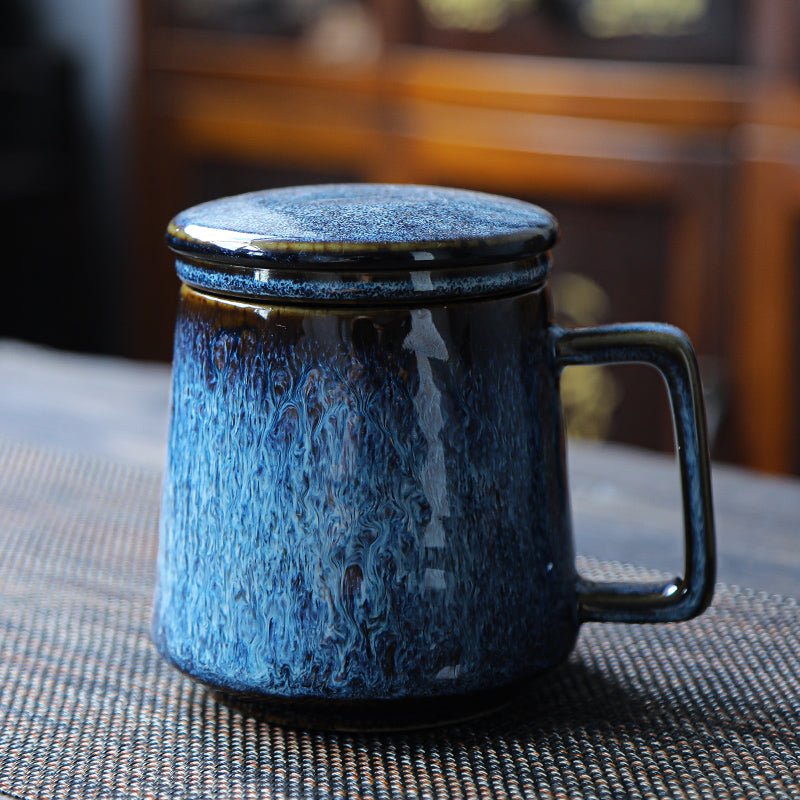
Firefighter Coffee Mug: What to Look for Before You Buy
A firefighter coffee mug should feel solid in the hand, fit a real daily pour, and hold up after repeated washing. We break down size, durability, gift fit, and the checks we use before we recommen...
En savoir plus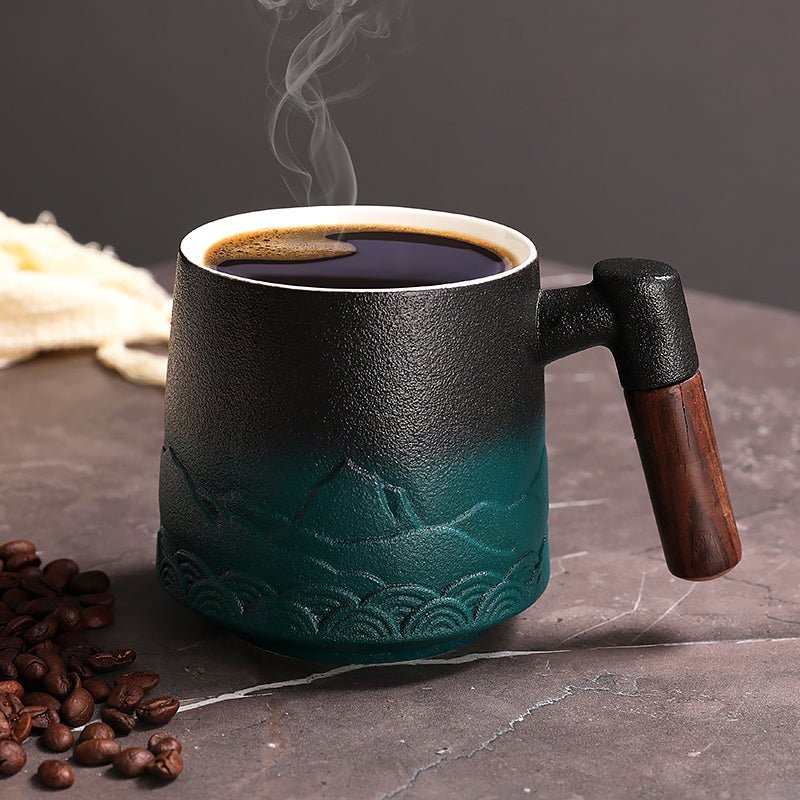
Giant Ceramic Coffee Mugs: What to Check Before You Buy
A practical guide for shoppers comparing giant ceramic coffee mugs for everyday use, desk work, gifting, and longer coffee pours. We cover size, comfort, heat retention, care, and the trade-offs th...
En savoir plus
Laisser un commentaire
Ce site est protégé par hCaptcha, et la Politique de confidentialité et les Conditions de service de hCaptcha s’appliquent.