
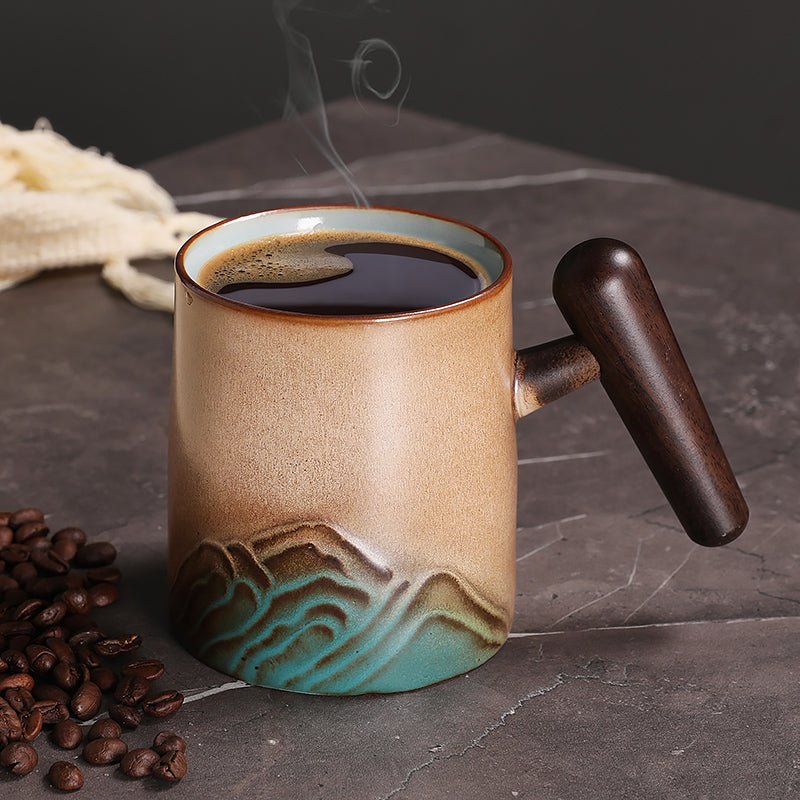
How Big Is a Regular Coffee Mug? Size, Ounces, and Real Use
Reading time: about 9 minutes
A regular coffee mug usually lands somewhere around 8 to 12 ounces, but the number on the bottom does not tell the whole story. A mug that looks “normal” on a shelf can feel cramped under a coffee machine, tip too easily on a desk, or hold less than you expected once you add milk or foam.
At CoffeifyMug, we deal with those trade-offs all the time. Some shoppers want a compact mug that fits an espresso-style pour with room for cream. Others want a true daily driver that can handle a full drip coffee without constant refills. If you are trying to decide how big is a regular coffee mug, the useful answer is not just ounces. It is also rim width, handle clearance, wall thickness, and how the mug fits your routine.
If you want to see a real everyday mug style in our store, start with The Rock Coffee Tea Mug. If you are comparing sizes across our lineup, the full collection is the fastest place to check what we carry before narrowing down the right capacity.
How many ounces is a regular coffee mug?
For most shoppers, a regular coffee mug means 8 to 12 ounces. That is the range we see most often for a standard home mug used for drip coffee, tea, or hot chocolate. In practical terms, 8 ounces is the smaller end of “regular,” while 10 to 12 ounces is what many people now expect when they say everyday mug.
There is a catch. A mug labeled 12 ounces often does not hold 12 ounces comfortably to the brim if you are actually drinking from it. Real usable volume is lower once you leave room for the liquid to slosh, for foam, or for the top edge of the mug to stay comfortable to sip from.
That is why the printed capacity matters, but so does the shape. A tall narrow mug can feel bigger than a short wide one even when both are the same ounce rating. We see this all the time with gift buyers who choose by appearance first and then realize the mug they bought is much smaller in the hand than they expected.
What dimensions should you expect from a standard mug?
Most regular coffee mugs are roughly 3 to 4 inches tall with an opening around 3 to 3.5 inches wide. Many sit close to 3 inches across at the base, though that varies by style. Those numbers matter if you are checking whether the mug fits a coffee machine tray, a dishwasher rack, or a narrow office shelf.
The handle is just as important as the cup body. A mug can have the right capacity and still feel awkward if the handle opening is too tight for your fingers or sits too close to the mug wall. We pay attention to that in our store because a lot of daily frustration starts with the handle, not the capacity.
Three physical details that make a difference in real use:
- Wall thickness: Thicker ceramic holds heat longer, but it also makes the mug feel heavier.
- Rim shape: A slightly rolled rim tends to sip more comfortably than a sharp cut edge.
- Base size: A wider base usually sits more steadily on a desk or tray.
Is 8 oz, 10 oz, or 12 oz the best everyday size?
That depends on how you actually drink coffee.
- 8 oz works well for smaller pours, stronger coffee, or people who want a compact mug that cools down faster.
- 10 oz is often the most balanced everyday size. It holds enough for a standard cup without feeling oversized in the hand.
- 12 oz suits people who want more volume for milk, sugar, or a longer drink at the desk.
If you ask us which size causes the fewest complaints, 10 to 12 ounces is usually the safest middle ground. It gives enough room for a full pour without pushing the mug into oversized territory. That said, a larger mug is not automatically better. If you mostly drink small black coffee, a 12-ounce mug can make the drink feel cooler sooner and the mug itself feel bulky.
For a deeper comparison of large everyday options, our article on Big Coffee Cups: How to Choose the Right Large Mug for Daily Use is a useful next step if you are leaning bigger than standard.
What should you check before buying a mug online?
Photos do not always show scale honestly. A mug can look generous in a styled image and still be too small for your usual pour. Before you buy, we recommend checking these specifics:
- Capacity in ounces or milliliters: Do not guess from the photo.
- Height and width: Make sure it fits under your machine and in your cabinet.
- Handle size: A good mug should leave enough clearance for two to three fingers, depending on hand size.
- Material: Ceramic, stoneware, and porcelain all feel different in weight and heat retention.
- Care instructions: Confirm whether it is dishwasher safe, microwave safe, or hand wash only.
We also look for common defect modes when we handle mugs in our store: uneven glaze at the foot, a handle that is not centered, or a base that does not sit flat. Those issues may seem minor, but they matter after a week of use on a kitchen counter or office desk.
If you want a more detailed pre-purchase checklist, our guide Big Coffee Cups: What to Check Before You Buy a Large Mug covers the practical points that tend to get overlooked.
What is a regular mug good for, and what is it not good for?
A regular mug is best for everyday coffee, tea, and smaller hot drinks. It is easy to store, fits most cup holders and machine trays better than oversized mugs, and usually feels more balanced in the hand.
It is not the best choice if you want:
- a large latte-style drink with extra milk
- an all-day desk mug that holds heat for a long time
- a mug for big pour-over servings
- something that doubles as a soup bowl or oversized cocoa cup
That trade-off matters. A regular mug is more comfortable for most cabinets, dish racks, and everyday routines, but it will not replace a large mug if your coffee habit runs big. If you know you usually pour more than 12 ounces at a time, a larger format may suit you better than forcing a standard mug to do a bigger job.
For shoppers leaning into larger options, our post Big Coffee Mug Buyer’s Guide: Size, Comfort, and Daily Use is a straightforward comparison of what changes once a mug gets bigger.
How does mug material change the way a regular mug feels?
Most regular coffee mugs are ceramic, stoneware, or porcelain. All three can be solid everyday choices, but they do not behave the same way.
- Ceramic: Common, practical, and familiar. It usually feels balanced for daily use.
- Stoneware: Often thicker and heavier, with a sturdier hand feel and better heat retention.
- Porcelain: Usually lighter and finer, with a more delicate feel and a cleaner sip line.
In real use, thicker mugs hold heat a bit longer, but they also add weight to the handle. Lighter mugs are easier to carry from kitchen to desk, yet they can cool faster. If you wash mugs in a dishwasher often, the glaze finish and the handle joint matter as much as the material itself. Repeated thermal changes can expose flaws faster on poorly made pieces.
That is why material choice should match the setting. A home mug that lives beside a coffee maker can be heavier. An office mug that gets moved around a lot should be comfortable to hold even when full.
How do you choose between a regular mug and a big mug?
The decision usually comes down to how much coffee you actually drink before it gets cold.
- Choose a regular mug if you want a simple everyday cup, easier storage, and a more compact feel.
- Choose a big mug if you refill less often, add a lot of milk, or want one mug to cover longer sipping sessions.
- Choose based on your machine if your brewer or espresso setup has a low clearance tray.
We usually tell shoppers not to buy the biggest mug just because it sounds more useful. Bigger can be better, but not if it is awkward to hold, too heavy when full, or too wide for your mug shelf. A regular mug is often the better daily pick if you value balance and easy storage more than maximum volume.
If you want to see all the mug styles we currently carry before deciding, the quickest route is still the full collection. That gives you a cleaner side-by-side view than trying to judge by a single product image.
Frequently asked questions
How big is a regular coffee mug in ounces?
A regular coffee mug is usually 8 to 12 ounces. Most people shopping for a daily mug end up somewhere in the 10-ounce to 12-ounce range because it works well for drip coffee without feeling oversized.
How tall is a standard coffee mug?
Many standard mugs are about 3 to 4 inches tall. The exact height changes with the shape, so a mug can be the same capacity as another mug and still fit differently under a coffee machine or in a cupboard.
Is a 12 oz mug considered regular?
Yes, a 12-ounce mug is often considered a regular everyday mug, especially in newer mug collections. It is a little roomier than the old-school 8-ounce cup, but it is still small enough for daily use and easy storage.
What size mug is best for everyday coffee?
For most people, 10 to 12 ounces is the most practical everyday range. It gives enough room for a standard pour, a splash of milk, or a small amount of foam without pushing into oversized territory.
What should I check before buying a mug online?
Check the capacity, height, handle size, material, and care instructions. Those details tell you far more than the photo does, especially if you plan to use the mug in a dishwasher, on a desk, or under a compact coffee machine.
What should you do next?
If you want a simple buying shortcut, compare three things before you add a mug to cart: capacity, handle comfort, and whether it fits your coffee setup. If you already know you want an everyday size, start with our product pages and move to larger options only if you genuinely need the extra volume. The fastest next step is to browse the full collection and compare a regular mug against a larger one side by side.
Read more
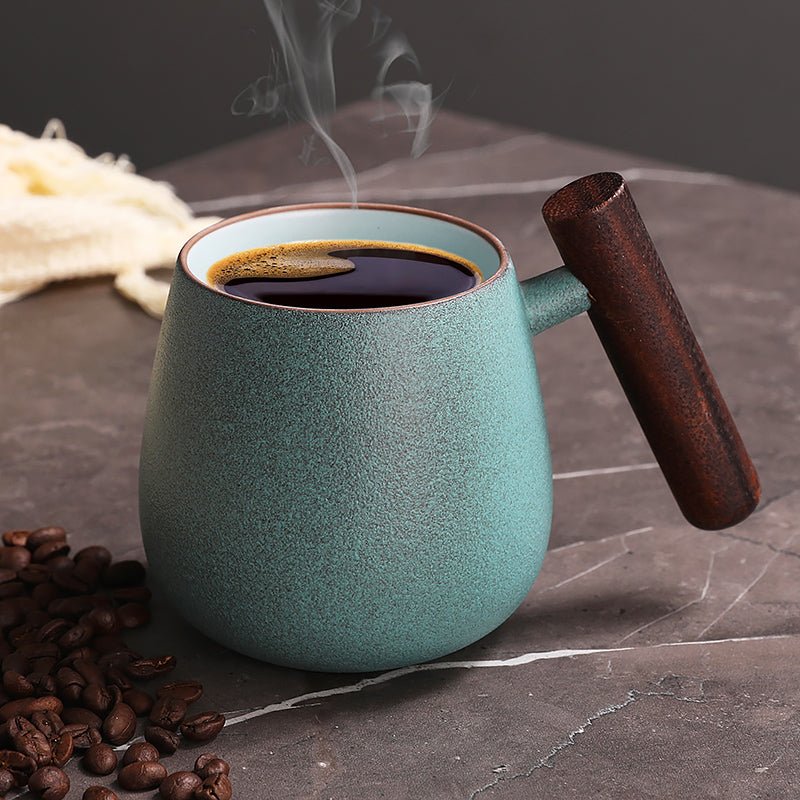
Firefighter Coffee Mug Buying Guide: Sizes, Materials, and Best Picks
A firefighter coffee mug needs to look good, feel solid in the hand, and survive real daily use. This guide covers size, build quality, care, and the trade-offs to check before you buy.
En savoir plus
Coffee Mugs With Scripture Verses: How to Pick One Worth Using
A scripture mug should do more than look meaningful in a gift box. This guide breaks down what we watch for in daily-use mugs: readable design, ceramic quality, handle comfort, care needs, and when...
En savoir plus
Laisser un commentaire
Ce site est protégé par hCaptcha, et la Politique de confidentialité et les Conditions de service de hCaptcha s’appliquent.