
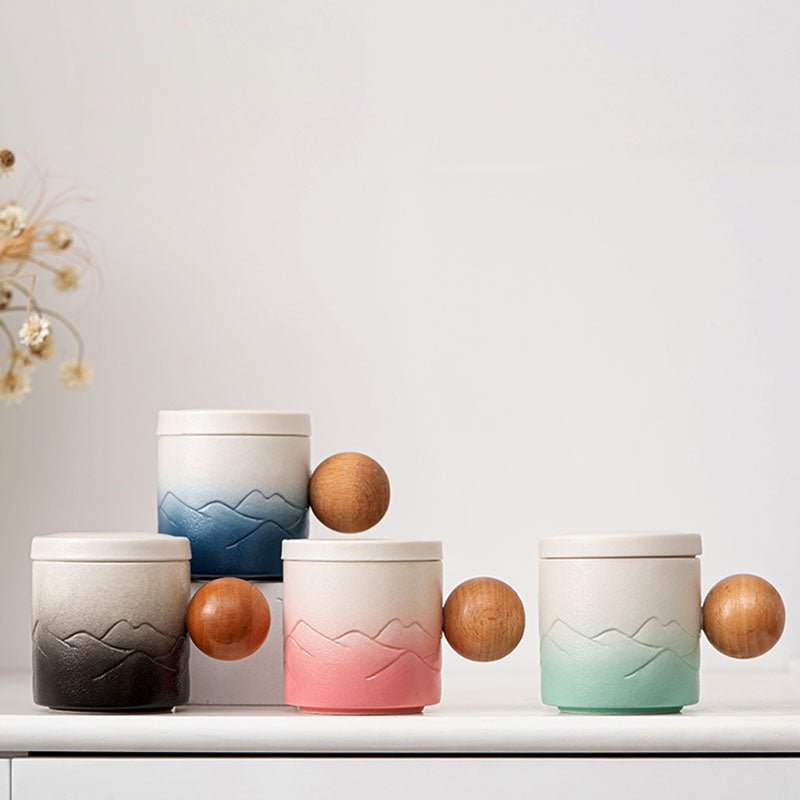
Home Goods Coffee Mugs for Daily Use, Gifting, and Small Kitchens
Reading time: about 9 minutes
Morning coffee exposes the weak points fast: a handle that pinches two fingers, a mug that wobbles on the counter, a lip that drips, or a shape that never quite fits the dishwasher rack. Those are the details shoppers notice after the first week, not on the product photo.
For a quick browse, start with our All mugs collection and compare the Mountain Tall Coffee Tea Mug, Christmas Coffee Tea Mug, and Green Waves Coffee Tea Mug against the way you actually drink coffee at home. In our store, the mugs that stay in rotation are the ones that work at the kitchen table, on a desk, and during the cleanup after dinner.
What should you check before buying home goods coffee mugs?
We look at home goods coffee mugs the same way a real household does: with a cabinet door open, a coffee maker on the counter, and not much patience for clutter. A mug that looks nice but misses on balance or comfort becomes the one you only use when everything else is dirty.
Start with the basics before you fall for a print or color. A good everyday mug should match your pour size, fit your shelf space, and feel steady in the hand even when it is full.
- Capacity: A smaller mug is easier to hold and store, but a larger mug gives you room for milk, foam, or a longer drink. If you routinely refill, go smaller; if you want one pour and done, go larger.
- Handle clearance: The handle should fit your fingers without forcing your knuckles into the mug wall. That sounds minor until you are carrying a hot mug across a kitchen.
- Rim shape: A smooth, even lip makes sipping cleaner. A thick or uneven rim can feel clunky and can drip more often.
- Base stability: The foot ring should sit flat. If a mug rocks on a table, it will annoy you every day and can spill more easily on a crowded desk.
- Finish and glaze: Glossy interior glazing is easier to keep clean than raw or rough surfaces. Exterior finishes should feel even, not gritty or overly textured where you hold the mug.
- Care notes: Check whether the mug is meant for dishwasher use, microwave use, or hand washing only. A decorative mug that needs gentler care is fine if you know that upfront.
We also pay attention to defect patterns that show up in real use, not just on arrival. Common issues include a hairline crack near the handle after a bump, a chipped foot ring from cabinet stacking, tiny pinholes in the glaze, and printed artwork that wears faster if you scrub it with an abrasive sponge.
Which mug styles fit different routines best?
The best home goods coffee mugs are not the same for every kitchen. A solo drinker with limited cabinet space wants something different from a family that keeps mugs on a shared shelf, and both are different again from someone buying a gift.
| Mug | Best for | Trade-off | Shop link |
|---|---|---|---|
| Mountain Tall Coffee Tea Mug | People who like a taller profile and a mug that stands out on the shelf | Taller mugs can be less friendly for low cabinets and compact dishwasher racks | View product |
| Christmas Coffee Tea Mug | Seasonal gifting, holiday counters, and anyone who wants a more specific, festive feel | A seasonal design is less versatile if you want one mug to use all year | View product |
| Green Waves Coffee Tea Mug | Buyers who want something calmer, more neutral, and easier to mix into an everyday set | Patterned mugs can show wear differently than plain solid finishes | View product |
If you want to compare more options in one pass, the All mugs collection is the fastest way to scan styles before you narrow down by color, season, or household use. For sizing decisions, our guides on 12 oz Coffee Mugs: How to Choose the Right Mug for Daily Use and 14 Ounce Coffee Mugs: Size, Fit, and Buying Guide are useful next reads.
In our experience, the most useful mug is usually the one that disappears into the routine. It rinses clean, fits the hand, and does not force you to make a decision every morning.
What makes a mug comfortable in daily use?
Comfort comes from three things: handle shape, wall thickness, and balance. A handle should leave room for two fingers comfortably, and three if you like to carry a full mug while opening a door or walking to your desk. If the handle is too tight, the mug feels smaller than it is.
Wall thickness matters too. A thin mug can feel lighter and more refined, but it may lose heat faster. A thicker mug tends to hold warmth better and feels sturdier, though it can take up more space in the cabinet and feel heavier in the hand.
- For a desk: A stable base matters more than a dramatic shape. You do not want a mug that nudges toward the keyboard every time you reach for it.
- For a kitchen counter: A mug with a clean interior glaze is easier to keep looking fresh, especially if you use darker coffee or tea often.
- For a shared household: Neutral shapes and clearly distinct patterns help people grab their own mug without guesswork.
- For cabinets with limited height: A shorter mug may be more practical than a tall decorative one, even if the tall mug looks better on the shelf.
The home goods coffee mugs that get used most in a real house are not always the most photogenic. They are the ones that survive stacking, daily washing, and the occasional bump against a sink edge without becoming annoying.
Are decorative mugs practical, or just shelf pieces?
Decorative mugs can be practical, but only if you are honest about how they will be used. A seasonal mug can be a strong gift or a fun rotation piece, yet it may not be the right choice if you want one neutral mug that stays on the counter all year.
The Christmas Coffee Tea Mug makes sense for a holiday gift, a December coffee bar, or a guest mug that creates a bit of seasonal warmth. It is not the best pick if your household wants a restrained, year-round everyday set.
The Green Waves Coffee Tea Mug sits closer to everyday use. The pattern gives it personality without making it feel locked to one season. That balance works well for buyers who want home goods coffee mugs with a little character but do not want a novelty piece that gets tucked away after a month.
If you are shopping for a gift, decorative mugs are often better than plain ones because they look intentional right out of the box. Just be aware of the trade-off: printed or patterned surfaces usually deserve gentler handling than a plain, unadorned mug.
We often see buyers choose one decorative mug for guests and one plain mug for daily use. That is a sensible split. It keeps the kitchen flexible without filling the shelves with mugs that all do the same job.
How should you care for them so they last?
Most mug damage happens at the sink or in the cabinet, not during the actual drinking. A small chip from stacked mugs or a rough scrub pad can age a mug faster than years of normal use.
- Rinse the mug soon after use so coffee oils and tea residue do not settle into the glaze.
- Use a soft sponge for printed or patterned surfaces. Abrasive pads can dull the finish over time.
- If the product page lists dishwasher-safe care, place the mug where it will not bang into heavier dishes during the cycle.
- Let a mug cool before moving it from a hot brew to cold water. Sudden temperature changes can stress ceramic bodies.
- Stack mugs only if the rims and bases are shaped for it. Tight stacking is a common cause of chips.
Ceramic, porcelain, and stoneware each have their own feel. Porcelain usually feels a little finer and lighter. Stoneware often feels sturdier and more casual. Ceramic is the broad category shoppers use most often, but the practical question is the same: does the mug hold up to your routine without demanding extra care?
If you want a deeper breakdown of everyday mug buying, our article Home Goods Coffee Mugs: What to Buy for Daily Use covers the cabinet-space and daily-routine side of the decision in more detail.
Which home goods coffee mugs should you buy first?
Start with one dependable everyday mug, then add a second mug only if it solves a real need. If you need a backup for guests or a giftable piece, choose a design with a different look or use case instead of buying two versions of the same thing.
For most shoppers, that means this order works well:
- First: a mug for daily coffee or tea that fits your hand and your cabinet.
- Second: a mug with stronger visual personality, such as a seasonal design or a patterned finish.
- Third: a size-specific mug if you know you prefer a smaller pour or a larger serving.
If your household prefers smaller, more manageable mugs, our size guide for 12 oz Coffee Mugs: How to Choose the Right Mug for Daily Use is a good starting point. If you tend to make a larger pour or want extra room for milk, the 14 Ounce Coffee Mugs: Size, Fit, and Buying Guide will help you compare fit and feel before you buy.
The shortest path is simple: decide whether you need an everyday mug, a gift, or a seasonal piece, then check the handle, base, and care notes before you add anything to cart.
Frequently asked questions
What size coffee mug is best for daily use?
For many households, a mid-size mug is the easiest to live with because it balances comfort, cabinet space, and refill frequency. If you drink straight coffee and want a quick pour, a smaller mug usually works better; if you add milk or prefer a longer session, a larger mug is more practical.
Are ceramic home goods coffee mugs better than stoneware?
Neither is automatically better. Ceramic often feels a bit lighter and more versatile, while stoneware usually feels heavier and more casual. The right choice depends on whether you value a lighter hand feel or a sturdier mug that feels substantial on the table.
Can I use a decorative mug every day?
Yes, if the mug is comfortable and its care instructions match your routine. Decorative mugs are a good daily choice when you want personality without sacrificing usability, but they are not ideal if you plan to rough-handle them or wash them aggressively every day.
What should I check if a mug feels unbalanced?
Look at the base first. A flat foot ring and a centered handle usually mean better balance, while a mug with a narrow base or a heavy top can feel tippy. If you are comparing options in person, set the mug on a flat counter before you buy.
Are tall mugs a bad choice for small kitchens?
Not always, but they can be inconvenient if your cabinets are low or your dishwasher rack is crowded. A tall mug is great if you like the look and have storage room. If space is tight, a shorter shape is usually easier to live with.
If you want to narrow it down fast, start with the All mugs collection, compare one everyday option against one giftable option, and check handle comfort before you choose. That is usually enough to separate a mug you will use from one that will just take up shelf space.
Read more
Coffee Mugs for the Boss: Best Picks and What to Skip
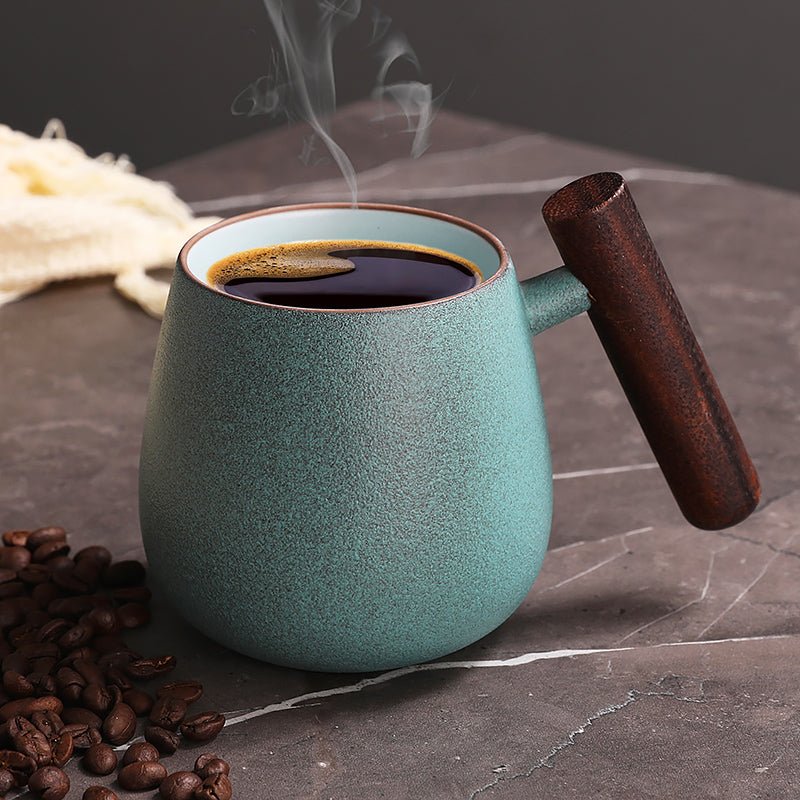
Coffee mugs for the boss should feel useful on a desk, not gimmicky in a drawer. We compare tall mug styles, office-friendly sizes, and the CoffeifyMug picks that make sense for real gifting.
En savoir plus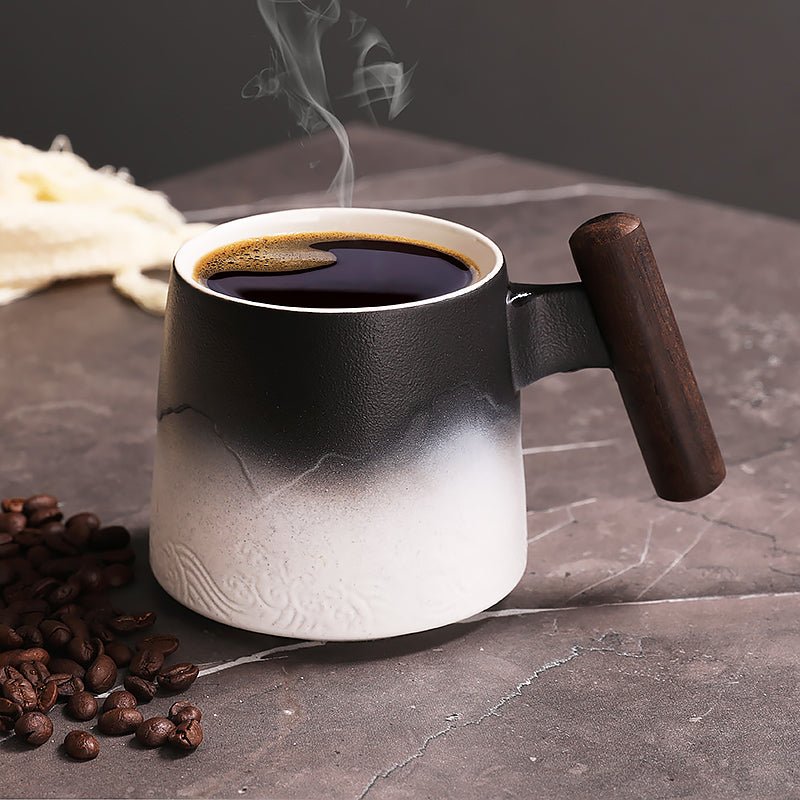
Blue Coffee Mug Buying Guide: Shape, Finish, and Best Fits
A blue coffee mug should feel right in hand, sit stable on a counter, and hold up after regular washing. We compare practical shape and finish choices so you can pick the right mug for coffee, tea,...
En savoir plus
Laisser un commentaire
Ce site est protégé par hCaptcha, et la Politique de confidentialité et les Conditions de service de hCaptcha s’appliquent.