
High Quality Ceramic Coffee Mugs Daily Use Guide: Trade-Offs
Reading time: about 9 minutes
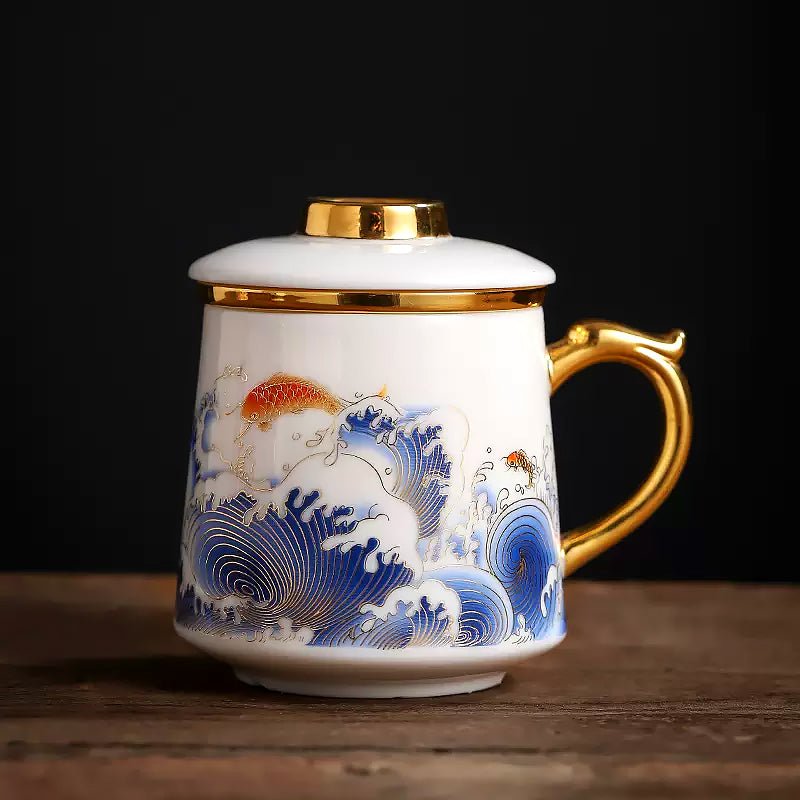
A mug can look flawless in a product photo and still become the one left at the back of the cabinet by Tuesday. The rim may feel blunt, the handle may press a knuckle, or a tall body may sit too close to a laptop. This high quality ceramic coffee mugs daily use guide starts with those daily frictions. In our store, we judge a mug by how naturally it moves from kitchen counter to desk to sink, not by artwork alone. Open The Crane Coffee Tea Mug as one concrete design reference, then compare it with our unique coffee mugs collection while you work through the checks below.
Claim boundary: The product recommendations below use only the naming and visible design direction on the linked listings. We do not infer an unlisted capacity, body composition, wall thickness, microwave rating, or dishwasher rating. Confirm those details on the current product page for the exact option you select.
What makes a ceramic mug easy from first pour to last rinse?
Follow one normal day instead of judging a mug in isolation. Fill it to your usual serving level, carry it with a slightly damp hand, place it beside the objects you use, and think through cleanup. The small annoyances appear quickly.
- Morning counter: The handle should work with your natural two-, three-, or four-finger grip. A decorative loop is a poor fit if its inner curve presses your knuckles.
- Office desk: A stable base matters more near a keyboard. Check the mug footprint, handle direction, and the space needed to lift it without catching a charging cable.
- Tea break: The opening must suit your spoon or basket infuser. A narrow, tall interior can also be harder to reach with a sponge during hand washing.
- Evening cleanup: If dishwasher use is allowed by the listing, the mug still needs enough rack clearance to avoid knocking its rim against another ceramic piece during the cycle.
No single profile wins every routine. A broad mug can feel planted on a desk but occupy more space. A tall mug can use vertical shelf space effectively, yet it needs a careful stability and clearance check.
High quality ceramic coffee mugs daily use guide: rim, handle, glaze
The fastest inspection we use when handling ceramic mugs needs only a clean fingertip, side lighting, and a flat countertop. These four areas reveal more than a decorative finish viewed straight on.
| Part | Hands-on check | Trade-off or warning |
|---|---|---|
| Rim | Run a fingertip around the inner and outer lip. Look for chips, sharp bare spots, or an abrupt glaze ridge. | A thick rim can feel substantial but less precise while sipping. A fine rim may feel lighter but deserves more care around sinks and racks. |
| Handle | Use your normal grip and inspect both attachment points under angled light. | A small loop may suit a fingertip grip but pinch a larger hand. A hairline crack radiating from a handle joint is a functional warning, not harmless decoration. |
| Glaze | Check for pinholes, glaze crawl, rough patches, and fine crack lines. Pinholes are tiny pits; glaze crawl leaves an irregular exposed area. | Speckling or deliberate crackle effects can be part of a design. A sharp patch at the drinking edge or a structural crack should not be treated as normal variation. |
| Base and foot ring | Set the mug on a flat surface and press the rim gently at four points. Feel the unglazed foot ring for roughness. | A rough ring can mark a wood desk, while an uneven foot creates distracting rocking beside electronics. |
General material note: Ceramic is an umbrella category that includes earthenware, stoneware, and porcelain; the labels are not interchangeable. Do not infer the exact clay body or firing specification from appearance alone. Wall thickness can affect filled weight, lip feel, and how quickly the exterior feels hot, but thicker does not automatically mean better. If that variable is your priority, read our guide to thick ceramic coffee mugs and daily-use trade-offs.
Which capacity and shape fit refills, tea, ice, and a crowded desk?
Check three dimensions before ordering: overall height, opening diameter, and the widest measurement including the handle. Capacity matters too, but a brim measurement is not the same as a comfortable serving.
- Usable volume: We usually leave about 10 to 15 mm below the rim. That headspace reduces sloshing while walking and leaves room for milk, foam, or ice displacement.
- Tall profile: A tall mug may offer a smaller-looking footprint, but height does not prove greater capacity. A higher center of mass can also make base stability more noticeable.
- Wide opening: Larger ice cubes, spoons, and basket infusers are easier to place and remove. The extra exposed surface can allow a hot drink to cool sooner.
- Low, broad shape: This can feel more planted and may fit under a lower coffee-machine spout, but it occupies more desk or shelf width.
- Appliance clearance: Measure from an espresso machine drip tray to the spout, as well as cabinet and dishwasher-rack height. Include the handle when checking tightly packed storage.
If a familiar mid-size serving is your benchmark, our 12 oz ceramic coffee mugs daily-use guide explains how that size behaves during refills and desk use. Do not assume any mug discussed here holds 12 oz unless its current listing states that capacity.
Which CoffeifyMug design matches the way you actually drink?
Apply the functional checks first, then use the visible design and named format to narrow the choice. The recommendations below are style-and-routine matches, not unlisted performance claims.
The Crane: easy to identify in a shared kitchen
Best situation: You want one recognizable coffee or tea mug for a shared kitchen or office and prefer figurative artwork. Why it fits: The Crane Coffee Tea Mug foregrounds a crane-led design, so it can be easier to distinguish among plain cups. Skip it when: you need a neutral matching set, dislike illustrated motifs, or have not confirmed a non-negotiable capacity or care rating on the listing.
Golden Waves Kio: a decorative choice for open shelving
Best situation: You are choosing a visible kitchen mug or a gift for someone who enjoys patterned, wave-led artwork. Why it fits: the named design of the Golden Waves Kio Coffee Tea Mug makes decoration a central part of the choice rather than a minor accent. Skip it when: the buyer prefers solid neutrals or needs an exact color match with existing dinnerware. The word Golden is a design name, not proof of metallic content or an appliance-care instruction.
Landscape Tall: a vertical format that needs a clearance check
Best situation: You prefer a taller silhouette and landscape artwork for an unhurried coffee or tea routine. Why it fits: the Landscape Tall Coffee Tea Mug explicitly makes the tall format part of its identity. Skip it when: you have a low espresso-machine spout, shallow cabinet shelf, tightly packed dishwasher rack, or small desk where a lower profile feels safer. Tall does not automatically mean higher capacity.
Artwork-led mugs can make a memorable gift unboxing, but the recipient still has to grip, store, and clean the mug. Our coffee mug gift idea daily-use guide covers those practical checks before you choose solely by motif.
How do you inspect and care for a new ceramic mug?
The first five minutes after unboxing can prevent a disappointing first use. These are general ceramic-care steps; the current product instructions take priority.
- Inspect before washing: Use side light on the rim, interior, base, and both handle joints. Pause if you find a chip, through-body crack, sharp exposed patch, or crack extending from the handle.
- Test stability and grip: Place the empty mug on a dry, flat counter and press gently around the rim. Then hold it as you would when it is full; filled weight makes marginal handle clearance more obvious.
- Wash gently first: Follow the listed care directions and use a soft sponge rather than a metal scourer. If permitted, a mild baking-soda paste can help with coffee or tea marks without aggressive scraping.
- Avoid abrupt temperature changes: Do not take a refrigerator-cold mug and immediately add boiling liquid, or place a very hot mug onto a cold, wet surface. Even a sound ceramic body can be stressed by a sudden temperature swing.
- Follow appliance instructions: Use a dishwasher or microwave only when the current listing allows it. During an approved dishwasher cycle, leave enough room to prevent impact; before stacking, check that the foot ring will not rub against another mug's interior glaze.
When is a ceramic mug the wrong tool for the routine?
An open ceramic mug is not universal, even if its rim and handle feel excellent. A different vessel is the more practical purchase in these situations:
- Commuting in a vehicle: Choose a lidded travel mug designed for cup holders and movement.
- Keeping coffee hot for hours: An insulated vessel is generally a better match than an open ceramic mug.
- Drop-prone spaces: A durable metal or suitable non-ceramic cup may suit workshops, outdoor areas, or busy family settings better.
- Measured drink recipes: Select a cup with a confirmed capacity or use a separate measuring vessel rather than guessing from external size.
- Very low machine clearance: A shorter espresso, cortado, or cappuccino-style cup may fit more reliably than a tall mug.
That limitation is part of a useful recommendation. A high quality ceramic mug can be excellent for a kitchen counter, tea tray, or settled office desk without being the right choice for travel or extreme heat retention.
Frequently asked questions
How can I tell if a ceramic mug will work every day?
Use this high quality ceramic coffee mugs daily use guide in order: confirm the listed facts, measure storage and appliance clearances, then check the rim, handle, glaze, and base on arrival. Decide on artwork only after those non-negotiables pass. Your normal grip and serving level matter more than how the empty mug looks in a photo.
Can every ceramic coffee mug go in the dishwasher and microwave?
No. Ceramic describes a material family, while glazes, applied decoration, and construction details can have different care requirements. Follow the current product listing, and ask our team rather than assuming if an appliance rating is not stated.
Is a tall ceramic mug automatically better for iced coffee or tea?
No. A tall silhouette can use vertical space and may feel convenient for a long drink, but usable capacity, opening diameter, base stability, and headspace determine the real fit. Ice also displaces liquid, so compare the listed capacity rather than judging by height alone.
How do I distinguish a glaze variation from a mug defect?
Decorative speckling, color variation, or a clearly intentional crackle effect may be part of the design. A chipped rim, sharp exposed area, through-body crack, crack radiating from a handle joint, or base that rocks on a flat surface is a functional concern. Compare the mark with the listing images and ask before using the mug if you are unsure.
Your five-minute decision before ordering
- Name the main drink and leave realistic headspace for milk, foam, or ice.
- Decide which grip you use and how much handle clearance your hand needs.
- Measure machine height, cabinet space, dishwasher clearance, and desk footprint.
- Verify listed material, capacity, dimensions, and care; treat an unstated detail as unknown.
- Choose the crane, golden-wave, landscape, or another motif only after the functional checks pass.
Start with the unique coffee mugs collection, open two candidates side by side, run this checklist, and ask our team about any decisive detail that is not stated rather than guessing.
Read more
Heavy Ceramic Coffee Mugs Daily Use Guide: Practical Trade-Offs
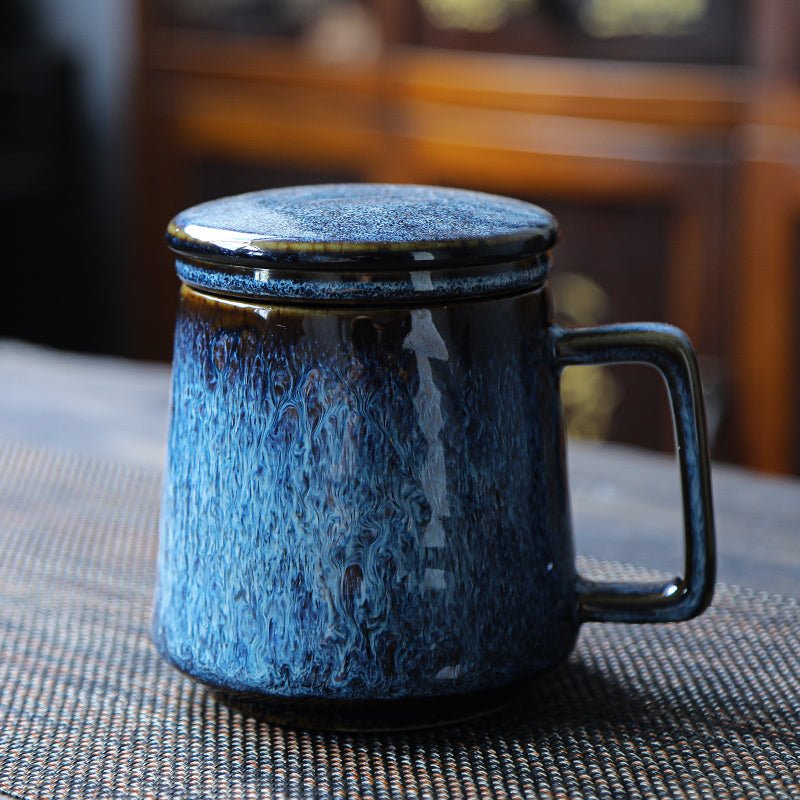
This practical guide shows where mug heft helps and where it becomes work: full-pour lifting, desk stability, grip, washing, storage, and gifting. It also explains how to compare The Rock, Spittoon...
En savoir plus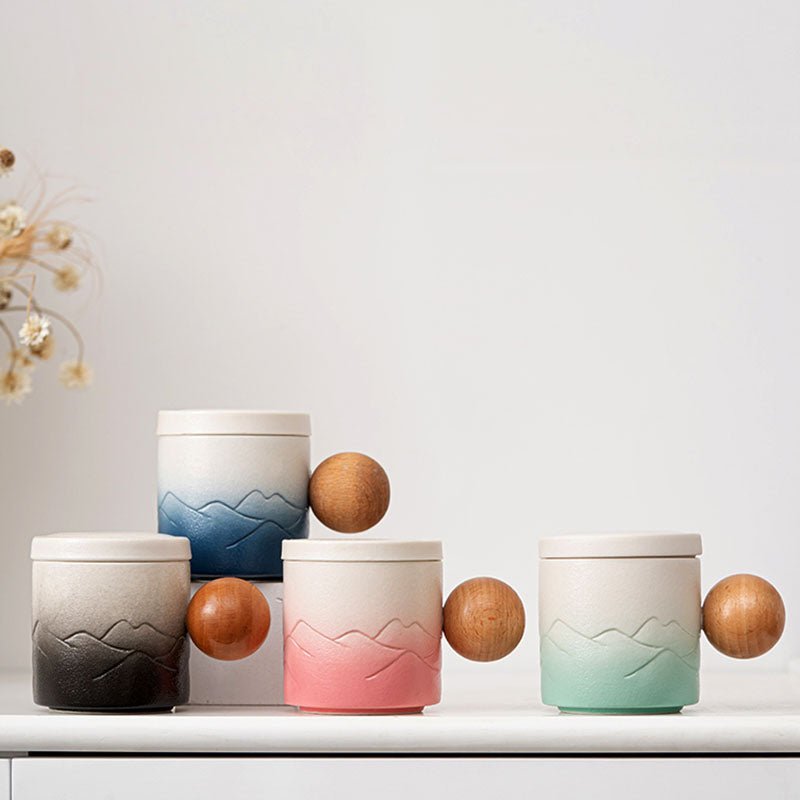
Piccolo Cup Daily Use Guide: 170 ml, 250 ml, or 270 ml?
Compare 170 ml, 250 ml, and 270 ml options through real daily routines: short milk drinks, office refills, shelf fit, cleanup, and gifting. See where each CoffeifyMug choice fits and where a differ...
En savoir plus
Laisser un commentaire
Ce site est protégé par hCaptcha, et la Politique de confidentialité et les Conditions de service de hCaptcha s’appliquent.