
Handled Mug Buying Guide: What to Check Before You Buy
Reading time: about 9 minutes
A mug can look perfect in photos and still feel awkward the first time you wrap your fingers around it. The handle may be too tight, the cup too heavy when full, or the shape may make it harder to sip comfortably at a desk or sink.
That is the real job of a handled mug: it has to feel right in the hand before it earns a place in the cupboard. In our store, we look at handle size, balance, lip comfort, and day-to-day cleaning the same way shoppers do after the box is opened and the first drink is poured.
If you are comparing options, start with our handled mug product page for the specific piece we carry, then browse all CoffeifyMug drinkware if you want to compare styles before choosing. For more sizing context, our guides on 10 oz coffee mug size and fit and 11 oz coffee mug size and fit are useful if you are trying to match a mug to your usual pour.
What makes a handled mug different from a regular mug?
The handle changes everything. A handled mug is easier to carry when the drink is hot, and for many buyers that is the whole point. You are not just choosing a cup shape; you are choosing the way your hand interacts with it every morning.
We see three main differences that matter in real use:
- Grip and control: A well-shaped handle gives your fingers a stable hold, especially when the mug is full.
- Heat management: The handle keeps your hand away from the hottest part of the cup, which matters with coffee, tea, and reheated drinks.
- Desk and kitchen use: A mug with a solid handle is easier to move from counter to office desk without feeling like you need both hands.
That said, a handled mug is not always the best choice. If you want a mug that stacks tightly, fits a capsule machine with very little clearance, or disappears into a compact travel setup, a handle can be the wrong shape. Some people also prefer a handleless cup for a calmer, more compact feel. That trade-off is real.
How do you know if the handle will feel comfortable?
Comfort usually comes down to handle opening, finger clearance, and where the mug’s weight sits once it is filled. A handle can look generous in photos and still feel cramped if your fingers barely fit through the opening.
Here is how we suggest checking fit before you buy:
- Look at the handle opening: Make sure your index and middle finger can fit without pressing against the mug body.
- Check the mug balance: A mug that feels top-heavy once filled can tug on the wrist, especially if the handle sits too high or too narrow.
- Think about your use case: A mug for home office sipping can be more comfortable than one you carry across the house several times a day.
- Consider your hand size: What feels secure for one person can feel tiny for another, especially with compact or decorative handles.
In our experience, customers are happiest when they match handle style to how they actually drink. If you take slow sips at a desk, the fit can be slightly more forgiving. If you carry coffee while multitasking, comfort matters more than looks.
What material should you choose for daily use?
For a handled mug, material affects weight, heat retention, and how well the mug handles repeated washing. Most shoppers compare ceramic first, because it tends to feel substantial without being too heavy, and it usually works well for coffee, black tea, and milk drinks.
Here are the practical trade-offs we talk through with buyers:
| Material | What it does well | What to watch for |
|---|---|---|
| Ceramic | Comfortable weight, familiar feel, good for everyday coffee and tea | Can chip if knocked against a sink or metal rack |
| Stoneware | Often feels sturdy and warm in the hand | Usually heavier; may be less ideal if you prefer a lighter mug |
| Porcelain | Refined finish and lighter feel | May not feel as substantial for buyers who like a heavier mug |
If you are buying for daily kitchen use, look at the finish too. A smooth glazed surface is easier to wipe clean after coffee splashes or tea residue, while textured or matte finishes can show wear differently over time. A mug that is dishwasher friendly is simpler for regular use, but you still want to avoid harsh impacts with other items in the rack.
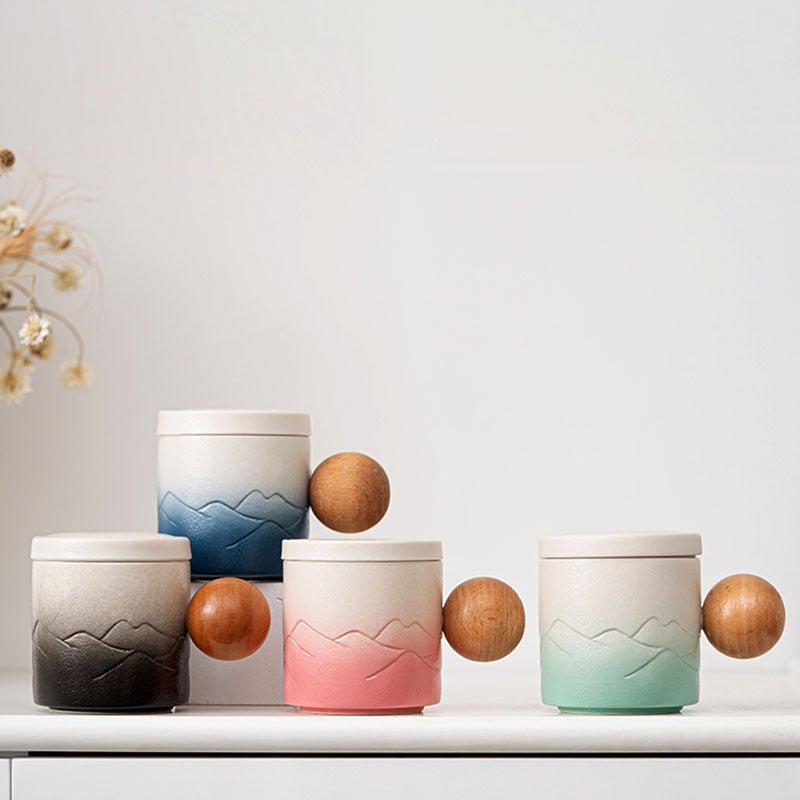
The ball-handled coffee and tea mug is a good example of why the handle design matters as much as the cup body. The handle shape changes the feel in the hand, especially for buyers who want something a little more distinctive than a standard loop handle.
What size should a handled mug be for coffee, tea, or office use?
Size is where a lot of buyers make the wrong call. A mug that looks generous can still feel too small for a long tea session or too large for a short espresso-style pour. On the other hand, oversized mugs can get clumsy fast if you prefer a lighter daily cup.
For many shoppers, 10 oz to 12 oz sits in the sweet spot for an everyday handled mug. Those sizes are usually large enough for a proper serving without becoming bulky on the desk or too heavy in the hand. If you want a deeper sizing comparison, our guides on what fits in a 10 oz mug and 12 ounce mug fit and daily use help narrow the choice.
Here is the practical breakdown we use when helping shoppers:
- 10 oz: Better for smaller coffee servings, shorter tea breaks, or buyers who want a compact feel.
- 11 oz: A balanced everyday size for most counters, desks, and gift purchases.
- 12 oz: Better if you want a fuller pour or prefer more room for milk, foam, or tea leaves.
Do not buy bigger just because bigger sounds safer. If the mug becomes awkward to lift when full, it stops being useful. A handled mug should feel easy to use, not like a small pitcher.
Which features matter most if you want one mug for everyday use?
If this mug is going to live in your kitchen cabinet or office break area, focus on the small things that affect repeat use. These details do not always show up in lifestyle photos, but they matter after the first week.
- Handle clearance: Enough room for a comfortable grip without knuckles rubbing the cup body.
- Rim comfort: A smoother drinking edge feels better for coffee, tea, and hot chocolate.
- Stable base: A base that sits flat reduces wobble on desks, trays, and countertops.
- Finish quality: Even glaze coverage matters because rough patches and uneven surfaces can feel cheap fast.
- Cleaning ease: A simpler shape is easier to rinse and less likely to trap stains near the handle join.
We also pay attention to common defect modes that shoppers tend to notice only after unboxing: a handle that feels slightly off-center, glaze pooling near the base, or tiny chips from rough shipping. Those are the details that separate a mug you keep from one you relegate to the back of the cupboard.
Our team always checks a handled mug the same way a customer would: pick it up empty, fill it, hold it by the handle, and see whether it still feels balanced after a few sips.
How should you care for a handled mug so it lasts?
Care is simple, but the first few habits matter. A handled mug may be dishwasher safe depending on the finish and decoration, but even dishwasher-friendly mugs last longer when they are not slammed against heavier dishes or metal utensils.
We recommend this routine for everyday care:
- Rinse after use if you are not washing right away, especially after coffee or tea.
- Load the mug so the handle is not pressed against another item.
- Avoid sudden temperature shock, such as moving a very hot mug straight into cold water.
- Inspect the handle and rim occasionally for chips before putting it back into regular use.
If a mug has a decorative coating or an unusual shape, treat it a little more gently. A handled mug is built for daily use, but repeated knocks on sinks, dish racks, and counters are what usually shorten its life, not normal drinking. If you want a mug for rough office use or travel, a thermal travel mug may be a better fit than a ceramic handled mug.
What should you compare before adding a handled mug to cart?
Before you buy, compare the mug the same way we do in our store: feel, fit, material, and use case. That keeps you from choosing based only on appearance.
- Who is it for? Home coffee, tea at work, or a gift?
- What drink size do you usually pour? Smaller pours and bigger milk drinks need different capacities.
- How do you wash dishes? Hand washing is fine for some buyers; others need low-maintenance dishwasher use.
- Do you want a statement piece or a quiet everyday mug? Decorative handles can be beautiful, but they are not always the most practical.
If you are still deciding between sizes, the article 11oz coffee mug buying guide is a good companion read. It helps you judge whether your daily pour lands closer to compact, standard, or slightly larger drinkware.
Frequently asked questions
Is a handled mug better than a handleless cup for hot coffee?
For most coffee drinkers, yes. A handled mug is easier to hold when the drink is hot and usually feels safer to carry from counter to desk. A handleless cup can be fine for short drinks or minimalist tableware, but it gives you less protection from heat.
Can I put a handled mug in the dishwasher?
Many handled mugs can go in the dishwasher, but the finish matters. Glazed ceramic usually holds up well, while decorative surfaces, decals, or metallic details may need gentler care. We still recommend loading it carefully so the handle does not knock into other dishes.
What size handled mug is best for daily coffee?
For most buyers, 10 oz to 12 oz is the practical range. Ten ounces works well for smaller servings, while 11 oz and 12 oz are better if you want a more generous pour or room for milk. The right size depends on how full you usually like your cup.
What is the downside of a handled mug?
The main downside is bulk. A handle can make the mug harder to stack, store, or pack tightly, and it can also feel awkward if the handle opening is too small for your hand. If storage space is limited, a simpler cup shape may work better.
What should I check if I am buying a handled mug as a gift?
Check the size, handle style, and finish first. Gifts do best when they feel easy to use right away, so a balanced shape and a comfortable grip matter more than novelty. If you are unsure, a standard everyday size is usually safer than an oversized decorative mug.
If you want a straight comparison, start with the handled mug product page, then move through our full collection and compare it against the sizes and styles you already know you like. If your daily pour is still unclear, use the 10 oz, 11 oz, and 12 oz guides above as your final checkpoint before you add one to cart.
Read more
Latte Art Mug Buying Guide: Shape, Size, and Real-World Fit
A latte art mug should do more than look good on a shelf. The right shape, rim, and capacity make a real difference if you pour at home, serve at a desk, or want a mug that still works after the co...
En savoir plus
Great Tea Mugs: What to Look for Before You Buy
A practical guide to choosing great tea mugs for daily use, gifting, and desk-side brewing. We cover shape, material, comfort, and the trade-offs that matter before you buy.
En savoir plus
Laisser un commentaire
Ce site est protégé par hCaptcha, et la Politique de confidentialité et les Conditions de service de hCaptcha s’appliquent.