
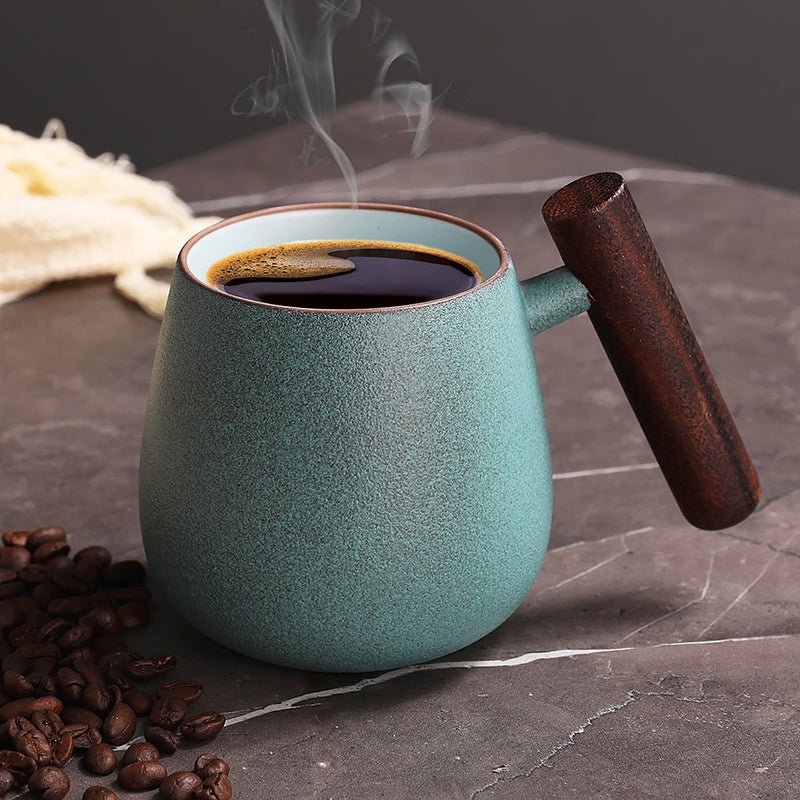
Hand Made Coffee Mugs: How to Compare Build, Comfort, and Care
Reading time: about 8 minutes
A mug that feels right in the hand usually wins over the prettier one in the photo. That is the decision point we see most often: shoppers want hand made coffee mugs that look special, but they also need one that sits securely on a desk, survives daily coffee runs, and is easy to live with after the novelty wears off.
In our store, we focus on the practical details that matter after unboxing. Handle shape, rim comfort, glaze finish, and care requirements tell you much more than a styled product shot. If you are comparing options for your own kitchen or as a gift, start with the mug’s build, then think about how it will be washed, stored, and used every morning.
What makes hand made coffee mugs different from factory-made mugs?
The main difference is variation. With hand made pieces, small changes in glaze flow, surface texture, and shape are part of the appeal. That can make the mug feel warmer and more personal, but it also means two mugs from the same style may not be identical.
For buyers, that trade-off matters. A handmade mug is usually the better choice if you want character, a more tactile finish, and a piece that feels less generic on the table. It is not the best choice if you need every mug in a set to stack perfectly or look mechanically identical for a formal service setup.
We also see a few common quality points that are worth checking before ordering:
- Rim finish: The drinking edge should feel smooth, not sharp or slightly chipped.
- Handle attachment: Look for a clean join where the handle meets the body, with no visible cracking or weak points.
- Foot ring: A stable, even base helps the mug sit flat on a kitchen counter or office desk.
- Glaze consistency: Small shifts in color are normal, but pooling, pinholes, or rough spots should not interfere with daily use.
If you want a broader buying framework for similar products, our guide on hand painted coffee mugs covers the surface finish side of the decision in a practical way.
Which handle style is most comfortable for daily use?
Handle comfort is the first thing many shoppers underestimate. A mug can look balanced on the shelf and still feel awkward if the handle opening is too tight, the grip is too narrow, or the curve forces your fingers into an unnatural angle.
For everyday use, we usually look at three things: how easily two or three fingers fit through the handle, whether the mug feels stable when lifted with one hand, and whether the handle stays comfortable when the mug is filled with a hot drink. That last part matters more than people expect, especially for larger mugs or thicker ceramic bodies.
If you want to compare real shapes, these product pages are a useful starting point:
- Ball Handled Coffee Tea Mug for shoppers who like a more distinctive grip and a sculptural feel.
- Handbag Coffee Tea Mug if you want a more playful silhouette that stands out as a gift.
- Mountain Sea II Coffee Tea Mug With Wooden Handle for buyers who prefer a mixed-material look and a warmer hand feel from the handle.
Wooden handles deserve a separate mention. They can feel more comfortable in the hand and add visual contrast, but they are usually less forgiving than all-ceramic construction. If you are buying for a sink full of shared dishes or a dishwasher-heavy household, confirm care instructions before choosing a wood-handled mug.
Which materials hold up best for real everyday use?
For most buyers, the useful comparison starts with ceramic and stoneware. These materials are common because they retain heat well enough for coffee and tea, feel substantial, and generally suit a wide range of glaze styles. They also tend to make the mug feel less fragile in hand than very thin decorative ware.
That said, material is not just about the body. The handle material, glaze type, and firing quality all affect how the mug ages. A well-made ceramic mug can handle years of desk use, kitchen shelving, and routine washing. A decorative hand-finished piece may be better for lighter use or for buyers who care more about display and gifting than heavy rotation.
Before you buy, compare the mug against the use case:
- Office desk: Choose a stable base and a handle that is easy to grab with one hand.
- Kitchen daily driver: Prioritize glaze durability and easy cleaning over novelty shapes.
- Gift purchase: A more distinctive silhouette can matter more than stackability.
- Low-maintenance household: Confirm whether the mug is dishwasher-friendly and whether any wood accents need special care.
Buyers who want to compare build quality across more broadly styled drinkware can also read American Made Coffee Mugs: How to Compare Materials, Sizes, and Everyday Use. The material checklist overlaps more than most shoppers realize.
What should you check in the glaze, finish, and craftsmanship?
The best handmade mugs usually show intentional variation, not sloppy finishing. A good glaze should look even where it needs to and characterful where the style calls for movement or layering. The goal is not laboratory uniformity. The goal is a finish that feels deliberate.
We tell shoppers to watch for three types of issues that can turn a pretty mug into a frustrating one:
- Pinholes: Tiny surface holes can collect residue and make cleaning harder.
- Uneven lip glazing: If the rim finish is rough, it can feel unpleasant with every sip.
- Drip or pooling issues: Some glaze movement is normal, but heavy buildup can create rough spots or make the mug look unfinished.
Color variation is not automatically a defect. In handmade drinkware, it is often part of the appeal. The real test is whether the piece still feels balanced, smooth at the rim, and easy to clean after repeated use.
If you are trying to decide between styles with a more decorative finish and styles built for practical table use, our article on hand thrown coffee mugs is a useful side-by-side reference. The same core checks apply: shape, balance, glaze, and everyday comfort.
What are hand made coffee mugs not ideal for?
We like handmade drinkware, but it is not the right answer for every buyer. Some shoppers need a mug that stacks tightly in a crowded cabinet, matches an existing service set exactly, or goes through the dishwasher every single day without any special care. In those cases, a simpler standardized mug may be the smarter purchase.
Hand made coffee mugs are also not the best fit if you want a lightweight travel mug, a spill-proof lid, or insulation that keeps coffee hot for hours. They are for desk use, kitchen use, and gift giving. They are not a replacement for insulated drinkware or portable commuter cups.
If you plan to give one as a present, think about the recipient’s routine. A decorative mug is a strong choice for someone who enjoys a slower morning and notices details. It is a weaker choice for someone who throws every dish into the dishwasher and wants zero maintenance.
How do we help shoppers choose the right one?
We recommend choosing in this order: feel, care, then style. That sequence keeps the purchase grounded in real use instead of just the photo.
Here is the same process we use when we help customers compare options in our store:
- Check the handle first. If the grip looks awkward, skip it.
- Confirm the care method. Especially if the mug includes wood or other mixed materials.
- Look at the glaze finish. Decide whether you want a more uniform look or natural variation.
- Match the mug to the setting. Desk, breakfast table, gift box, or display shelf.
- Pick the silhouette last. Shape matters, but it should not override comfort.
That same approach applies if you are comparing a single handmade mug against other category options. The surface can be the selling point, but the daily routine decides whether the mug stays in use. For a broader browse, our collection is the fastest way to compare styles without jumping between categories.
| Buyer need | What to prioritize | What to avoid |
|---|---|---|
| Daily coffee at a desk | Comfortable handle, stable base, easy rim | Oddly shaped handles and loose-feeling grips |
| Gift purchase | Distinctive silhouette, attractive glaze, solid presentation | Overly plain mugs that feel generic |
| Busy household | Simple care instructions and durable finish | Mixed materials without clear care guidance |
| Collector or decor buyer | Handmade character and surface variation | Expecting exact duplication from piece to piece |
Frequently asked questions
Are hand made coffee mugs dishwasher safe?
Some are, but not all. The safest approach is to check the product care notes, especially if the mug includes wood, metal accents, or a delicate finish. If the care instructions are not explicit, we would treat it as a hand-wash item rather than assume it can handle repeated dishwasher cycles.
Do handmade mugs vary a lot from one piece to another?
Yes, small differences are part of the category. You may see slight changes in glaze pattern, color depth, or shape, and that is normal for handcrafted pieces. The key is whether the variation feels intentional and still leaves you with a balanced, comfortable mug.
What size mug is best for coffee and tea?
For most shoppers, a mid-size mug is the easiest daily choice because it fits both coffee and tea without feeling oversized. If you drink long black coffee or pour from a large brewer, a bigger mug may be better. If you prefer espresso-based drinks or smaller pours, a smaller mug can feel more proportionate and less likely to cool too fast.
Are wooden handles practical for everyday use?
They can be, but they need more care than all-ceramic handles. A wooden handle is a good choice if you like the feel and the look and you are willing to avoid rough treatment and follow the cleaning instructions closely. If convenience matters more than style, a full ceramic handle is usually simpler.
What should I check before buying a handmade mug online?
Check the handle shape, care instructions, material notes, and whether the rim looks smooth in the product photos. We also suggest comparing the mug against where it will live: kitchen shelf, office desk, or gift box. That keeps the purchase grounded in actual use instead of just appearance.
If you want the shortest possible next step, start with the full collection, then narrow by handle style and care requirements. That is the quickest way to find hand made coffee mugs that look good and still work in real daily use.
Read more
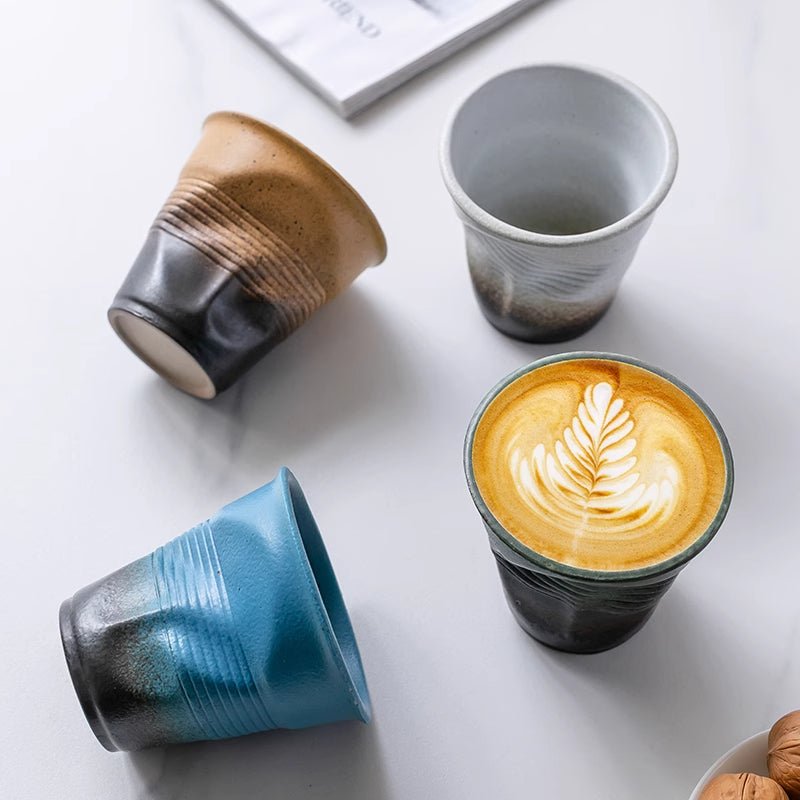
Fancy Tea Cup Buying Guide for Style, Comfort, and Daily Use
A fancy tea cup should do more than sit pretty on a shelf. We break down the shapes, finishes, and everyday trade-offs that matter before you buy.
En savoir plus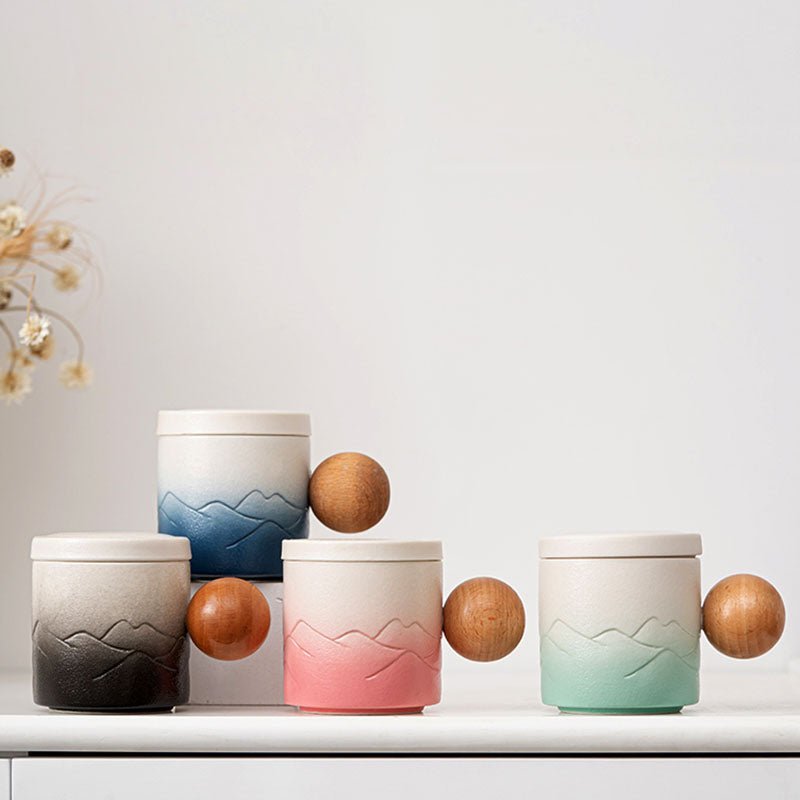
Dragon Coffee Mug Buying Guide: Style, Size, and Gift Fit
A practical guide to choosing a dragon coffee mug for daily use or gifting, with size, care, print quality, and style trade-offs explained plainly.
En savoir plus
Laisser un commentaire
Ce site est protégé par hCaptcha, et la Politique de confidentialité et les Conditions de service de hCaptcha s’appliquent.