
Gibson Coffee Mugs: Sizes, Shapes, and What Fits Daily Use
Reading time: about 9 minutes
We see the same problem in our store all the time: a mug looks right in a product photo, then it shows up at home and feels too shallow for a full pour, too wide for the brewer, or awkward to hold with one hand. Gibson coffee mugs are a solid everyday buy when the size, handle, and finish match the way you actually drink coffee.
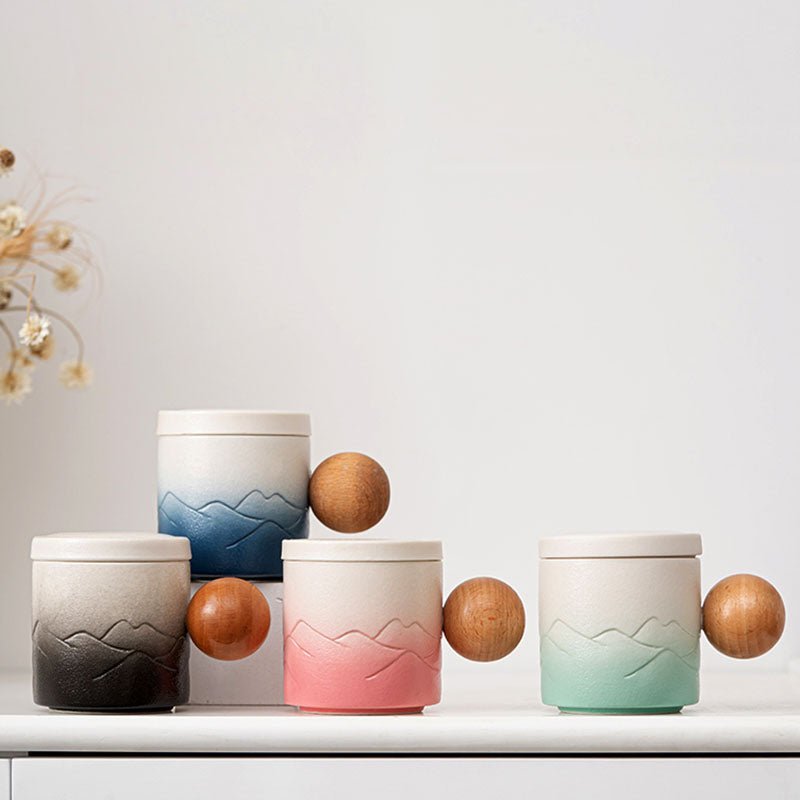
Start with our all mugs collection if you want to compare the full range, then narrow your shortlist to the Gradient Coffee Tea Mug, the Retro Coffee Tea Cup, or the Ball Handled Coffee Tea Mug.
What do shoppers usually mean by gibson coffee mugs?
Most buyers are not looking for fragile display cups. They want a mug that lives on the kitchen counter, survives daily dishwasher use, and still looks good when it comes out of the cabinet.
In our experience, the term usually points to a few things: a familiar silhouette, a comfortable handle, and enough volume for coffee or tea without feeling oversized. That makes these mugs useful for a weekday drip coffee, a milk-heavy latte, herbal tea at night, or a desk mug that sits next to a laptop without feeling bulky.
That also means there is a trade-off. A mug that looks elegant and slim can hold less liquid or cool faster. A bigger mug is more forgiving for heavy pours, but it can take up more shelf space and feel less balanced in the hand.
- Choose a smaller cup if you want a tighter, warmer sip and less wasted space.
- Choose a medium mug if you want the safest daily option for coffee and tea.
- Choose a larger mug if you tend to add milk, foam, or extra room for stirring.
Which size fits your coffee routine best?
Size is where most buyers either get it right or regret the purchase. A mug that is too small forces you into refills. A mug that is too large can make standard coffee look half-finished and feel clumsy on a crowded desk.
If you want the fuller breakdown, our size guides on 10 oz Coffee Mugs: What Fits, How They Compare, and What to Buy, 12 oz Coffee Mugs: What to Check Before You Buy, and 16 Ounce Coffee Mugs: Size, Materials, and Fit Guide cover the numbers in more detail. For most shoppers, though, the practical decision is simpler than the label on the box.
| Size | Best use | Trade-off |
|---|---|---|
| 10 oz | Short drip coffee, espresso-based drinks, and smaller tea pours | Least forgiving if you like room for milk or cream |
| 12 oz | Default everyday mug for coffee and tea | Not as roomy for big pour-over servings |
| 14 oz | Milk-heavy drinks, longer tea sessions, and people who sip slowly | Can feel large if you usually drink a modest pour |
| 16 oz | Desk use, refill-free mornings, and generous pours | Heavier in the hand and takes up more cabinet space |
If you only want one mug for day-to-day use, a 12 oz shape is usually the safest starting point. It is large enough for a normal coffee, but not so large that the mug dominates the cupholder, the shelf, or the saucer.
What details should you check before buying one?
This is where a mug either feels well made or annoys you every time you use it. We look at these details when we handle inventory because small flaws show up fast in everyday use.
- Handle clearance: You want enough room for two or three fingers without scraping the mug wall.
- Rim shape: A clean, even lip usually feels better than a rough or overly thick drinking edge.
- Foot ring: A stable base keeps the mug from wobbling and helps protect the table from glaze transfer.
- Glaze consistency: Watch for pooling at the base, pinholes, or rough spots around the handle join.
- Finish durability: Printed or specialty finishes can look great, but they are the first thing to show wear if the mug goes through repeated dishwasher cycles.
For ceramic or stoneware mugs, the most common complaints are not dramatic. They are small and practical: a handle that pinches, a base that leaves marks, or a mug that looks bigger in the photo than it does on the counter. Those details matter because they decide whether the mug gets used daily or left in the back of the cabinet.
A mug can be pretty and still be a poor buy if the handle is too tight or the base is unstable. We see that mismatch more often than buyers expect.
Also check your use case. If you heat coffee in the microwave, avoid decorative finishes that are not clearly labeled for that use. If the mug will live in a dishwasher full of plates and metal utensils, a simple exterior finish usually ages better than something highly decorative.
Which Gibson mug style works best for your routine?
The right style depends on how you drink, where you keep the mug, and how much visual personality you want on the shelf. The same buyer can love one style for home and reject it for office use.
| Style | Best for | What to watch |
|---|---|---|
| Gradient Coffee Tea Mug | Shoppers who want a cleaner modern look that still feels casual | Gradient finishes can be more style-led, so they are best if you like a mug with a little visual presence |
| Retro Coffee Tea Cup | People who prefer a more nostalgic table setting or a gift with character | Retro styling can feel more specific, so it may not suit a minimalist desk |
| Ball Handled Coffee Tea Mug | Buyers who care about grip, tactile handling, and a more distinctive silhouette | The handle can protrude more, so it is not ideal if you pack mugs tightly in a narrow cabinet |
If you are buying for a home office, the Gradient Coffee Tea Mug is the easiest style to live with. It looks tidy on camera, does not feel overly themed, and works for coffee or tea without asking the rest of the room to match it.
If you are buying for someone who likes vintage details or a more collected kitchen, the Retro Coffee Tea Cup is the stronger personality choice. It is not the most neutral option, and that is the point.
If grip matters most, the Ball Handled Coffee Tea Mug makes more sense. The handle shape gives the mug a more distinctive feel in the hand, but it also means you should check cabinet clearance and dishwasher spacing before you buy.
How do these mugs compare with other everyday mug options?
A lot of shoppers compare style first and function second. We usually do the opposite. For everyday use, shape and handle design do more work than a color name ever will.
Compared with a straight-sided office mug, a more styled Gibson coffee mug often feels better in the hand and looks better on open shelving. Compared with a heavy oversized diner mug, it is usually easier to lift, faster to wash, and less likely to hog cabinet space. Compared with a delicate teacup, it is more forgiving for daily coffee and less fussy around the sink.
The downside is real, though. If you want the maximum heat retention for very slow sipping, a thicker, larger mug may suit you better. If you need a mug that stacks tightly or disappears into a compact kitchen drawer, a decorative handle or larger profile can be the wrong choice.
- Choose style-forward mugs if the cup will stay visible on the counter.
- Choose simpler shapes if your cabinet space is tight.
- Choose a medium size if you share mugs between coffee, tea, and hot chocolate.
- Choose a larger format only if you actually finish the volume you pour.
For readers who want more help choosing volume, our posts on 12 Ounce Coffee Mugs: Size, Fit, and Best Buying Choices and 14 Ounce Coffee Mugs: Size, Fit, and Buying Guide are the next two places we would point you.
Which mug should you buy if you want the safest all-around choice?
If you want one mug that should make sense in most kitchens, start with a medium size and a simple silhouette. That usually means a 12 oz to 14 oz mug with a comfortable handle, a steady base, and a finish you would not mind seeing every morning.
From our side, that is the sweet spot because it works for drip coffee, tea, and occasional office use without asking you to manage a lot of extra volume. It is also the range that tends to feel most balanced in the hand when the mug is full. Too small and it feels underbuilt. Too large and it can feel like a serving bowl with a handle.
If your buying decision is based on giftability, the cleaner styles are easier to give because they do not rely on a very specific aesthetic. If the mug is for your own shelf and you like character, choose the one you will enjoy looking at every day. That sounds obvious, but we see too many mugs bought for the kitchen photo and not for the actual morning routine.
Frequently asked questions
Are gibson coffee mugs good for everyday use?
Yes, if you choose a size and shape that match how you actually drink. For everyday use, a mug with a stable base, a comfortable handle, and a finish that can handle regular washing is the safest bet. The mug should be something you can reach for on autopilot, not something you baby.
What size should I choose if I drink both coffee and tea?
A 12 oz or 14 oz mug is usually the easiest compromise. That gives you enough room for a normal coffee pour, but it still feels reasonable for tea without looking oversized. If you add a lot of milk or like long, slow tea sessions, lean toward the larger option.
Is a ball handle comfortable to hold?
Usually, yes, if the handle opening gives your fingers enough room. The ball-handled shape can feel distinctive and secure, but it is worth checking the grip in the photos because a visually interesting handle is not always the most practical one for larger hands.
Do gradient or retro finishes need extra care?
They can. Decorative finishes often look best when they are washed gently and not treated like disposable kitchenware. If the listing does not clearly state microwave or dishwasher compatibility, treat that as a reason to ask before you buy.
What should I avoid if I have limited cabinet space?
A bulky handle or an oversized mug body. Those are the two features that usually make storage harder, especially in shallow kitchen cabinets or compact office shelves. A simpler mug shape is easier to stack, line up, and rinse quickly after use.
If you want to compare the styles side by side, start with the all mugs collection, then narrow to the mug that fits your hand, your cabinet, and your normal pour size. That is the fastest way to buy once and keep using the mug instead of replacing it later.
Read more
Printed Coffee Mugs: How to Choose the Right Style for Daily Use
Printed coffee mugs can look sharp on a shelf and still disappoint in hand. This guide shows what to check for print quality, daily comfort, care, and the trade-offs between decorative mugs and pra...
En savoir plus
Mason Jar Coffee Mug Buying Guide: What to Check Before You Buy
A practical guide to buying a mason jar coffee mug: what matters for comfort, capacity, heat, cleaning, and which styles are better for daily use.
En savoir plus
Laisser un commentaire
Ce site est protégé par hCaptcha, et la Politique de confidentialité et les Conditions de service de hCaptcha s’appliquent.