
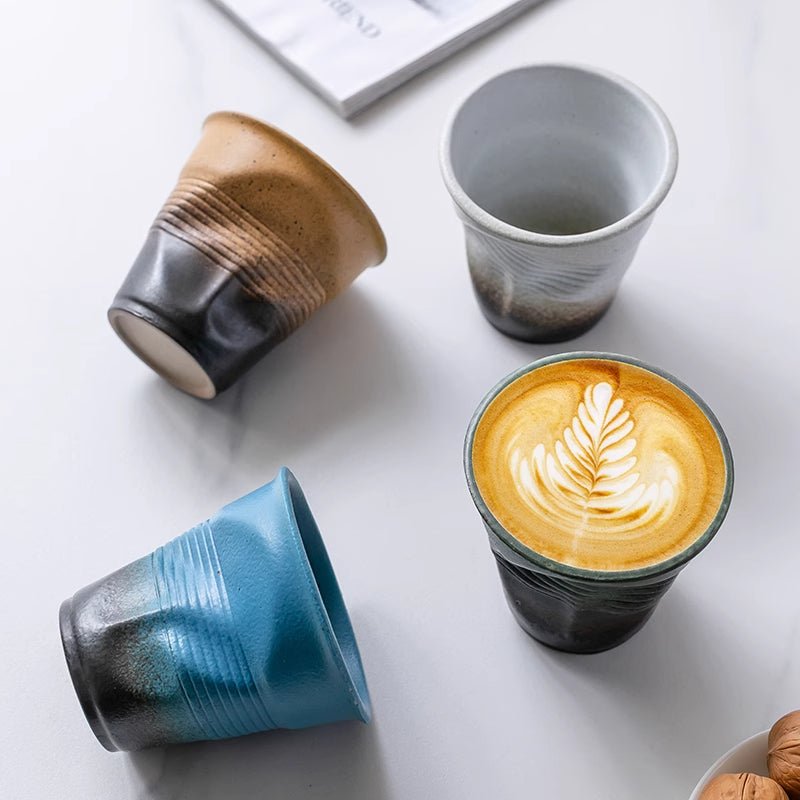
Fancy Tea Cups: What to Look For Before You Buy
Reading time: about 10 minutes
A tea cup can look beautiful on a product page and still feel awkward at the table. We see that mismatch all the time: a buyer wants something elegant for afternoon tea, but ends up with a cup that is too small for a proper pour, too delicate for regular washing, or too decorative to use outside a display shelf.
That is the practical test we use in our store. Fancy tea cups should do more than photograph well. They should feel balanced in the hand, suit the way you actually drink tea, and still look good after repeated use on a kitchen counter, office desk, or gift table.
If you are comparing shapes right now, start with a few styles that show how much personality a cup can have. Our Planet Coffee Tea Mug, Rhombus Coffee Tea Mug, and Handbag Coffee Tea Mug are good examples of the kind of statement pieces shoppers often cross-shop when they want a tea cup that feels more interesting than a standard round cup.
For a broader look at the category, we also keep our full assortment in our collection of all cups and mugs. If you want a structured buying checklist first, our guide Fancy Tea Cups: What to Look For Before You Buy covers the basics in a straight, comparison-first way.
What makes a tea cup feel fancy instead of just decorative?
Fancy tea cups usually stand out in three ways: shape, finish, and proportion. A cup looks upscale when the rim is clean and even, the handle or grip feels intentional, and the silhouette has some visual character without becoming hard to hold.
In our experience, the details matter more than the label. A thin rim can make tea feel more refined, but if it is too thin it can also feel fragile. A sculptural handle can add style, but if your fingers touch the cup body while you lift it, the design starts to work against daily use.
Shoppers often ask us what to look for beyond color. We usually point to these specifics:
- Rim shape: A smoother, even rim is more comfortable for sipping and less likely to feel sharp.
- Base stability: A flat, steady base is better for desks, trays, and bedside tables than a wobbly one.
- Grip clearance: Enough room for your fingers matters if you drink tea hot and want a secure hold.
- Finish quality: Glaze consistency, clean edges, and even color usually separate a polished piece from a rushed one.
Fancy does not have to mean fragile. Some shoppers want display-piece energy, while others need a cup that can move from shelf to dishwasher without special treatment. Those are different purchases, and mixing them up is where disappointment starts.
Which shape should you choose for daily tea use?
Shape is the first decision we would make if we were buying for ourselves. It changes the drinking experience more than a print or decorative detail does. A wider cup lets tea cool faster and gives room for milk, lemon, or a tea bag. A narrower cup holds heat longer and usually feels more traditional.
For tea drinkers who sip slowly at a desk, a cup with a stable footprint and comfortable handle tends to be the safest choice. For gifting, unusual silhouettes can be the point, especially if the cup is meant to feel memorable when opened. That is where a piece like the Handbag Coffee Tea Mug can make sense as a gift, even if it is not the most conventional everyday shape.
Here is the simplest way to compare shapes:
- Round and classic: Best if you want easy sipping and a look that blends into most kitchens.
- Angular or faceted: Good if you want something more design-forward on a shelf or serving tray.
- Novelty or sculptural: Better for gifting, conversations, and personal style than for formal tea service.
What a cup is not good for matters too. A highly decorative shape is usually not the best pick if you want matching sets for a large table, stackable storage, or a very formal service style. If that is your use case, a more traditional cup and saucer may fit better.
How do you judge comfort, capacity, and heat in real use?
This is where attractive cups often fail. A cup can look perfect in photos and still be annoying after five minutes of use if it is too small, too hot to hold, or awkward at the lip. We pay close attention to the way a cup sits when filled, not just empty.
There are three practical checks we recommend before buying fancy tea cups:
- Capacity: Think about how much tea you actually drink in one sitting. Smaller cups can feel elegant, but they are not ideal if you want a full mug-style pour.
- Wall thickness: Thinner walls usually feel lighter and more refined, but thicker walls can hold heat better and feel sturdier in the hand.
- Heat transfer: If the cup gets uncomfortable to hold as soon as boiling water goes in, that is a sign to rethink the design for daily use.
There is also a trade-off between elegance and practicality. A very large tea cup may be excellent for long work sessions, but it can look oversized on a small saucer or cramped shelf. A compact cup can feel charming, but not if you are refilling it three times before breakfast is over.
If you want a larger, more comfortable shape, our article Large Cups for Tea: How to Choose the Right Size and Shape goes deeper into size trade-offs, especially for people who drink more than a few sips at a time.
What materials and finishes should you expect to handle carefully?
Most fancy tea cups are chosen for finish as much as function. That means the surface treatment matters. Glossy glazes can make color look richer and wipe clean easily, while matte or textured finishes can feel more artisanal but may show marks sooner, especially around the rim and handle.
We would not tell a buyer to ignore care instructions. A decorative cup that needs gentle hand washing is not a problem if you know that upfront. The problem is buying it as a daily work mug and finding out later that repeated dishwasher cycles are not a good match for the finish or decoration.
Common wear points we watch for in this category include:
- Rim chips: Usually happen when cups are stacked tightly or knocked against hard sink edges.
- Handle stress points: A handle that is bonded awkwardly or feels thin where it meets the cup deserves a closer look.
- Glaze marks: Tiny shifts in finish are not always defects, but uneven coverage around the base or lip can signal rushed production.
If you are buying a gift, this is where packaging matters too. A fancy tea cup that arrives securely packed is a better gift than one that looks impressive online but feels risky to unbox. We see that firsthand when shoppers buy for birthdays, office gifts, and holiday tables.
For buyers comparing festive options, our posts Christmas Tea Cups for Gifts, Daily Use, and Holiday Tables and Fancy Cups: What to Buy for Daily Use, Gifting, and Display are useful because they separate display value from everyday practicality.
Which fancy tea cups are best for gifts, desk use, or display?
The best choice depends on the job you want the cup to do. A desk cup needs stability and easy cleaning. A gift cup needs personality and a presentation-friendly shape. A display cup needs visual character first, though it should still feel finished, not flimsy.
In our store, we usually narrow it down this way:
| Use case | What matters most | What to avoid |
|---|---|---|
| Daily tea at home | Comfortable grip, steady base, easy care | Overly delicate shapes that are hard to wash |
| Office desk | Moderate capacity, stable footing, spill-friendly shape | Very tall or top-heavy cups |
| Gift giving | Distinctive design, strong unboxing appeal | Plain shapes unless the recipient prefers minimalism |
| Display shelf | Strong silhouette, finish detail, visual story | Pieces chosen only for looks if you still plan to use them often |
If you like bold shapes, the Rhombus Coffee Tea Mug is the kind of piece buyers often choose when they want a more graphic look than a standard rounded cup. It is not the right pick for everyone, though. If you want something understated or traditional, a simpler profile will age better in a neutral kitchen.
That trade-off is the point. Fancy tea cups are not one single category. They sit between practical drinkware and decorative object, and the right answer depends on where they will live after the first unboxing.
How should you care for fancy tea cups so they stay presentable?
Care is where many buyers underestimate the category. A cup that handles tea well but marks easily around the rim can still be a good purchase, as long as you know what you are buying into. We recommend checking care notes before you decide, then matching the cup to your habits instead of the other way around.
Practical care habits that help fancy tea cups last longer:
- Rinse soon after use if you drink strongly colored tea.
- Avoid sudden temperature changes, especially if the cup is already warm and you add very hot water.
- Do not stack delicate cups tightly unless the base and rim are clearly designed for it.
- Use a soft sponge for decorated or glossy finishes.
Dishwasher use can be fine for some cups, but not every fancy finish behaves the same way over time. If a cup has metallic accents, hand washing is usually the safer route. If the piece is purely decorative and not meant for heavy rotation, you may care more about how it looks on a tray than how quickly it dries.
That is why we prefer to explain the limits honestly. Fancy tea cups are not the best option if you want a no-thought, rough-use kitchen mug. They are better when you want tea time to feel considered without becoming fussy.
Frequently asked questions
Are fancy tea cups good for everyday use?
Yes, if the shape is comfortable and the care instructions match how you actually wash dishes. The best everyday picks have a steady base, enough room for your fingers, and a finish that does not demand special handling. If a cup feels too delicate to use on a weekday morning, it is probably better as a display or gift piece.
What size should I choose for a tea cup?
Choose the size based on how you drink tea. Smaller cups feel more traditional and are good for short servings, while larger cups suit long sessions at a desk or sofa. If you often add milk, lemon, or a tea bag, a little extra room makes the cup easier to use.
Do fancy tea cups need to match a saucer?
Not always. Some buyers want the full cup-and-saucer look for presentation, while others prefer a standalone cup for daily use. If you are buying for entertaining, a matching saucer can make the setup feel more finished. For desk use, the cup alone is often more practical.
What should I check before buying a decorative tea cup online?
Check the shape, capacity, care instructions, and whether the cup looks stable from the side, not just from the front. We also recommend looking at the handle or grip area closely, because that is where comfort problems usually show up. If the listing does not explain those basics clearly, ask before you buy.
Which fancy tea cups make the best gifts?
The best gifts have a clear personality and feel ready to give without extra work. Unusual silhouettes, polished finishes, and strong presentation make a cup feel intentional. If you want gift ideas with a more playful edge, our article Daniel Handle Tea Cups: What Buyers Should Check Before Ordering is useful for comparing shape and comfort before you choose.
If you are ready to narrow it down, compare your top picks against three things: comfort in hand, care level, and the setting where the cup will actually be used. Then browse our full collection or open the three product pages above side by side and choose the one that fits your routine, not just your taste.
Read more
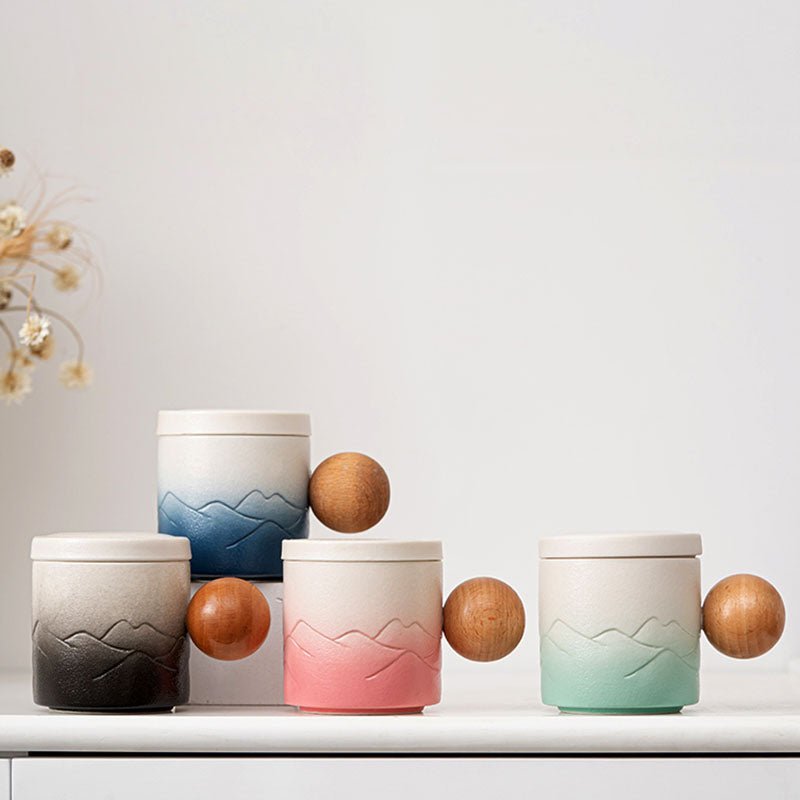
18 oz Coffee Mug Buying Guide for Fit, Comfort, and Daily Use
An 18 oz coffee mug gives you room for a full pour-over, a long office refill, or tea without constant top-offs. We cover what to check for fit, balance, and cleanup before you buy.
En savoir plus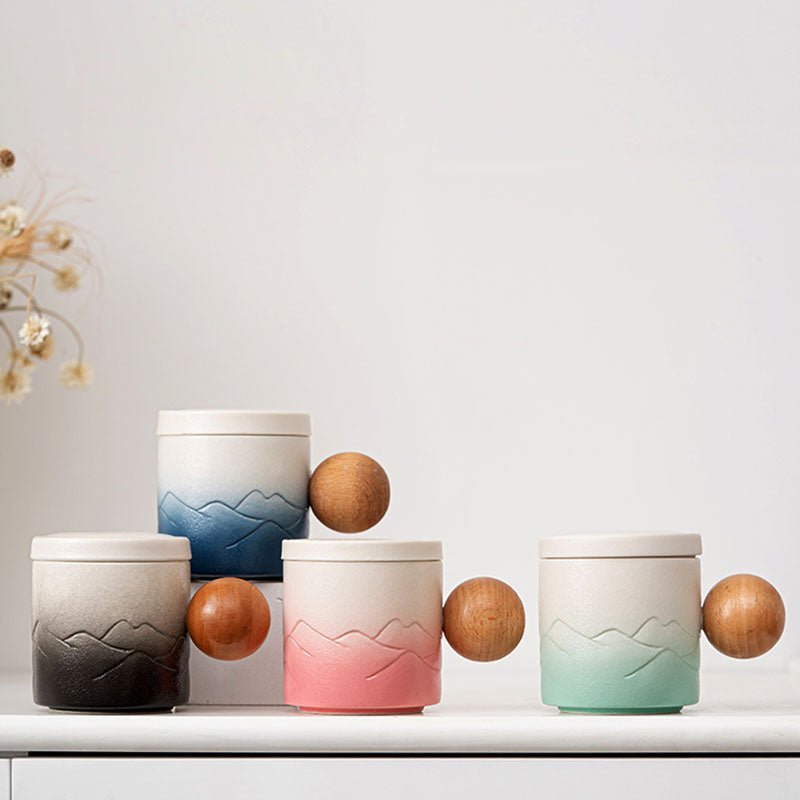
8oz Coffee Mug Guide for Size, Fit, and Daily Use
A practical 8oz coffee mug guide for buyers comparing size, comfort, and daily use. We cover what fits, what to check, and which styles make sense for smaller pours.
En savoir plus
Laisser un commentaire
Ce site est protégé par hCaptcha, et la Politique de confidentialité et les Conditions de service de hCaptcha s’appliquent.