
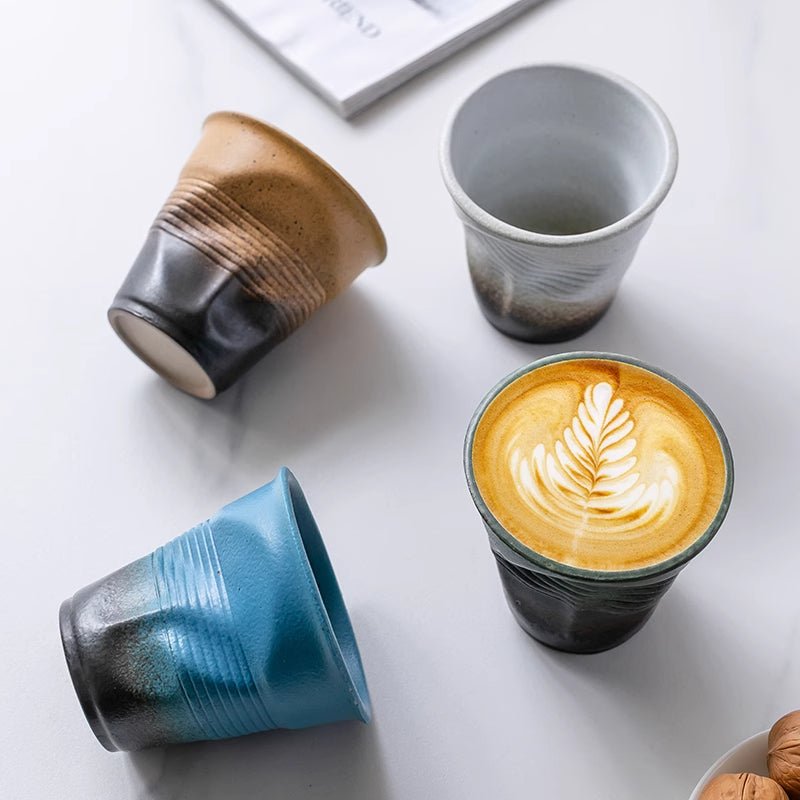
Fancy Tea Cups: How to Choose Styles That Look Good and Last
Reading time: about 9 minutes
A tea cup can look elegant on a shelf and still be annoying to use if the handle pinches your fingers or the rim feels rough against your lip. We see that difference immediately when shoppers compare a display piece with something they will actually use at a breakfast table, on an office desk, or during an unhurried afternoon tea.
If you are choosing fancy tea cups for your own kitchen or for a gift, the real question is not just how they look. It is how they sit in the hand, how they hold up to regular washing, and whether the shape works for tea instead of only for photos. Our store leans into those decisions every day, and the pieces people return to are usually the ones that balance style with a sensible feel.
What should fancy tea cups do besides look good?
A good tea cup needs to do three things at once: feel steady on the table, sip cleanly, and fit the drink you actually make. Decorative shapes are fine. So is a cup that reads as a gift piece. But if the base is narrow, the wall is too thin, or the handle is too tight for two fingers, the novelty wears off fast.
In our experience, the best fancy tea cups are the ones that pass a simple kitchen-counter test. Set them down on a hard surface. Pick them up without looking. Take a sip. If the cup wobbles, the rim feels uneven, or the handle forces your knuckles into the body, that is a problem no pretty glaze can hide.
- Stable base: A flat, even foot ring keeps the cup from rocking on tile, stone, or a desk.
- Smooth drinking edge: The lip should feel consistent all the way around, with no rough seam or sharp spot.
- Comfortable handle clearance: You should be able to hold it without brushing hot ceramic or glass.
- Practical capacity: Smaller cups suit black tea or espresso-style tea service; larger cups suit herbal blends, milk tea, or long desk sessions.
If the cup is for daily use, choose comfort first and decoration second. If it is for display or gifting, you can accept a little less practicality, but only if you are honest about that trade-off.
That is why some buyers end up preferring a mug-style shape instead of a delicate set. A sculptural piece can still count as a tea cup if it pours and sips well. If you want to see the kinds of shapes that sit between everyday mug and display object, start with our Planet Coffee Tea Mug, Rhombus Coffee Tea Mug, and Handbag Coffee Tea Mug.
For a broader look at what we carry, browse our all tea and coffee cups collection.
Which material and finish should you choose?
Most shoppers think first about color and pattern. We think about material, finish, and how the cup will age on a real shelf. Porcelain, ceramic, stoneware, and glass each have their place, but they behave differently in daily use.
| Material | What it feels like | Best for | Trade-off |
|---|---|---|---|
| Porcelain | Light, refined, usually smooth and bright | Formal tea service, gift boxes, smaller servings | Can feel delicate and may show chips sooner if handled roughly |
| Ceramic | Balanced weight and familiar hand feel | Everyday tea, desk use, mixed drinkware collections | Heavier than porcelain and sometimes less crisp in appearance |
| Stoneware | Solid, grounded, often thicker-walled | Longer sipping sessions, larger cups, casual tables | Bulkier on the shelf and usually less delicate-looking |
| Glass | Clean, visual, lets the color of the tea show | Tea presentation, lighter herbal infusions, modern tables | Shows water spots quickly and can feel more fragile in day-to-day handling |
Finish matters as much as material. A glossy glaze can make a cup look richer and easier to wipe clean, but it also shows fingerprints and tiny scratches more clearly. A matte surface can feel modern and muted, though it sometimes reveals tea stains or abrasion sooner. Metallic trim adds ceremony, but it also narrows your care options because many metallic details are not microwave-safe.
Three concrete checks help here:
- Look for glaze consistency. Pinholes, crazing, and rough pooling around the rim are common signs of rushed finishing.
- Check the underside. A clean, smooth base reduces scratching on counters and trays.
- Ask how it should be washed. Hand-washing is safer for decorated rims, metallic accents, and painted details.
If a cup is meant to live in a busy kitchen, we usually prefer a finish that hides minor wear and cleans easily after repeated dishwasher cycles. If it is meant to sit on a sideboard or appear in a gift box, a more detailed glaze or ornamental handle can justify the extra care. That is the trade-off. Fancy tea cups that look special often need gentler treatment than plain everyday mugs.
Which shapes and sizes work best for tea service?
Shape changes the whole experience. A round cup softens the look of the table and usually feels easier in the hand. A geometric cup adds structure and can read as more design-led. A novelty shape turns the cup into the main event, which is great for a gift but not always ideal if you want something quiet and easy to stack.
We see three buyer patterns most often:
- Rounded cups: Best for daily tea, office desks, and anyone who wants a forgiving grip.
- Angular cups: Best for modern interiors and shoppers who want the cup to double as decor.
- Novelty cups: Best for gifting and display, less ideal for stacking or fast kitchen routines.
The Planet Coffee Tea Mug is a good example of a softer, more rounded profile. The Rhombus Coffee Tea Mug leans into a sharper, more geometric look. The Handbag Coffee Tea Mug is the most obviously giftable of the three. None of those shapes is automatically better. Each one serves a different use case, and that is the point.
Size deserves the same honesty. A smaller tea cup keeps a strong brew hot and controlled, which suits black tea, green tea, and more formal service. A larger cup is better if you like herbal tea, milk tea, or a mug that stays on your desk for an hour. If you want a deeper comparison of size and capacity, our article Large Cups for Tea: How to Choose the Right Size and Shape is a useful companion read.
The main thing to avoid is overbuying style and underbuying comfort. A sculptural cup that looks perfect in a photo can still be awkward if the handle is too narrow, the opening is too small for easy pouring, or the body is too heavy for one-hand use.
How do you check quality before ordering online?
Online shopping removes the chance to feel the cup in person, so the product page has to do more work. We look for specific details because the usual polished lifestyle photo can hide a lot.
- Study the handle attachment. A handle should meet the body cleanly, without a visible gap, tilt, or lopsided seam.
- Check the rim and interior. The lip should look even, and the inside should not show obvious glaze runs or rough spots.
- Look at the base photo. A flat, balanced foot ring matters more than most people think.
- Read the care notes. If the listing does not clearly state dishwasher or microwave use, plan on gentler hand washing.
- Inspect for common defect modes. Hairline cracks, pinholes, crooked decoration, and uneven color at the handle junction are the issues we watch for first.
There is also a practical storage question. Fancy tea cups that stack badly can become annoying long before they chip. If you have limited cabinet space, a cup with an unusual handle or an exaggerated silhouette may be a poor fit, even if it is beautiful. That matters in small apartments, shared office kitchens, and gift registries where storage is already crowded.
If you want a broader shopper checklist before buying, our article Fancy Tea Cups: What to Look For Before You Buy breaks down the same decision points from a more detailed angle.
Which fancy tea cups fit different buyers?
The right cup depends on the person using it. A buyer shopping for themselves usually wants comfort and durability first. A gift buyer often wants something with visual personality. Someone decorating a shelf may care more about silhouette than capacity.
| Buyer type | Best cup style | Why it works | What to avoid |
|---|---|---|---|
| Daily tea drinker | Rounded ceramic or porcelain cup | Easy to hold, easy to rinse, less fussy at the table | Thin handles and overly decorative trim |
| Gift buyer | Novelty or sculptural cup | Feels distinct when unboxed and memorable on display | Overly fragile finishes if the recipient will use it often |
| Office desk user | Stable mug-style tea cup | Better balance for long sits, typing breaks, and quick refills | Narrow bases and shapes that tip easily |
| Display collector | Geometric or themed cup | Strong visual identity and more shelf presence | Heavy stacking dependence and delicate trim |
There is no single winner here. That is why we encourage shoppers to think about the first thirty days of use, not just the first five minutes after unboxing. A fancy tea cup that feels exciting on arrival but awkward every morning will end up at the back of the cabinet.
If your priority is gifting and presentation, our article Fancy Cups: What to Buy for Daily Use, Gifting, and Display is a good next step. It helps separate pieces meant for real use from pieces meant mostly for display.
For shoppers comparing styles across our range, the simplest route is to start with the full collection, then narrow by shape, handle style, and the kind of tea you actually drink.
Frequently asked questions
Are fancy tea cups practical for everyday use?
Yes, but only if the shape and finish are built for it. A cup with a comfortable handle, smooth rim, and stable base can work every day just fine. Very ornate pieces are better reserved for occasional use if you do not want to worry about wear or storage.
Can fancy tea cups go in the dishwasher and microwave?
Some can, but not all. Cups with metallic trim, hand-applied decoration, or delicate glazing are often better washed by hand. If the listing does not clearly say microwave-safe, do not assume it is safe to heat in the microwave.
What size fancy tea cup should I buy for black tea or herbal tea?
Smaller cups suit strong black tea and formal service because they keep the drink concentrated and warm. Larger cups are usually better for herbal tea, milk tea, or long desk sessions. If you want one cup to do both jobs, choose a medium size with enough room for milk, lemon, or loose-leaf expansion.
How do I know if a fancy tea cup is well made?
Check the rim, handle, and base first. A well-made cup feels balanced, has a smooth drinking edge, and does not wobble on a flat counter. We also watch for pinholes, rough glaze, crooked handles, and hairline cracks, because those are the defects that usually show up first in real use.
Do novelty tea cups make good gifts?
Yes, especially if the person likes display pieces or has a specific style preference. They are not the best choice for someone who wants simple stacking, maximum durability, or a plain office mug. If you are unsure, choose a design that is distinctive but still easy to hold and wash.
If you want to compare shapes side by side, start with our all tea and coffee cups collection, then decide whether your priority is daily use, gifting, or display. That is the fastest way to avoid buying a cup that looks right online but feels wrong on the table.
Read more
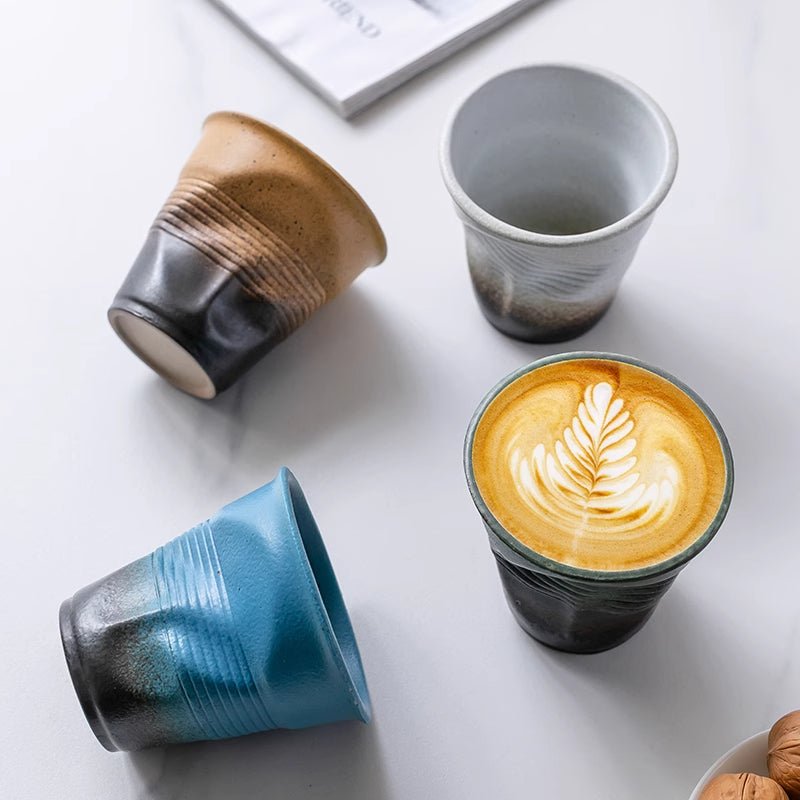
Fancy Tea Cups: What Buyers Should Check Before Ordering
Fancy tea cups can look perfect in a photo and still feel awkward on a real table. Here’s how we compare shape, comfort, cleanup, and gifting value before you buy.
En savoir plus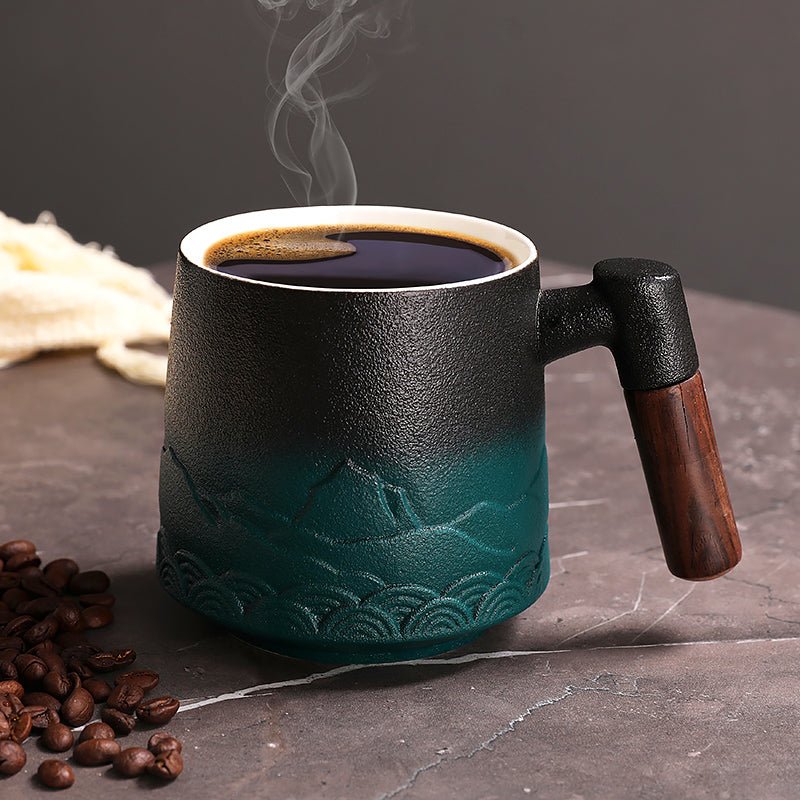
Unt Coffee Mug: What to Check Before You Buy
A practical guide for shoppers comparing an unt coffee mug by size, shape, grip, and daily use. We break down what matters on a kitchen counter, at a desk, and in a gift box.
En savoir plus
Laisser un commentaire
Ce site est protégé par hCaptcha, et la Politique de confidentialité et les Conditions de service de hCaptcha s’appliquent.