
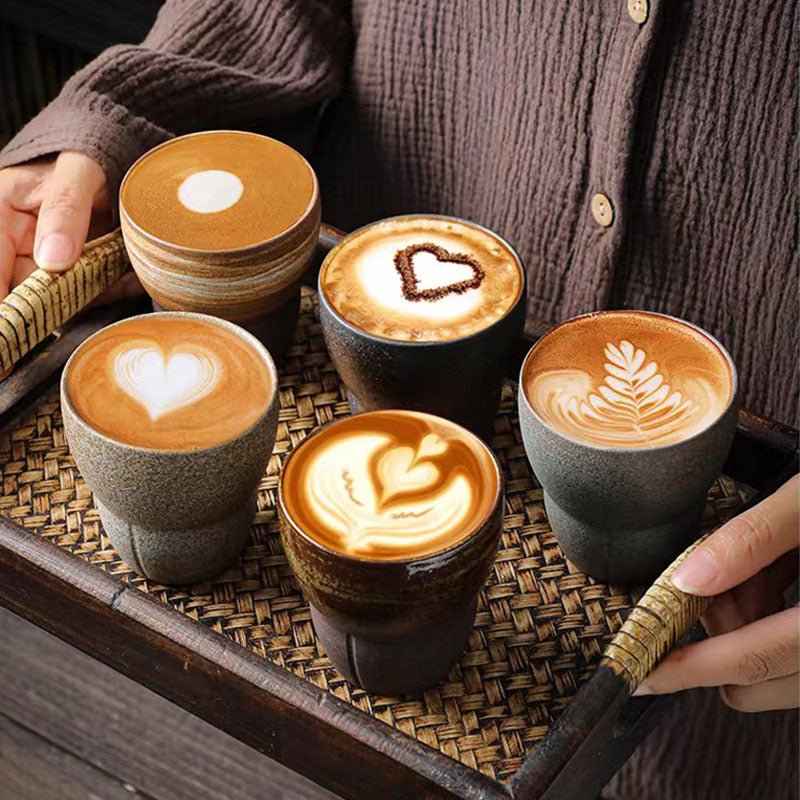
Espresso Coffee Mugs: Size, Shape, and Material Buying Guide
Reading time: about 9 minutes
Most bad mug choices show up before the first sip. The cup sits too high under the machine, the drink looks lost in the bowl, or the mug feels flimsy in the hand and cools off before you finish it.
That is why we treat espresso coffee mugs as small tools, not just decor. In our store, we look at how a mug sits on a kitchen counter, how it fits under a spout, how it handles dishwasher cycles, and whether it still feels useful after the novelty wears off.
If you want to browse our current assortment while you read, start with our all mugs collection. If you already know you want a specific style, you can also look at the The Rock Coffee Tea Mug, the Morning Night Coffee Tea Mug, and the Mountain Coffee Tea Mug as you compare shapes and everyday use.
What should espresso coffee mugs actually do?
A good espresso mug does three jobs well. It holds the right amount without making a small drink look empty. It keeps the coffee hot long enough to enjoy, but not so bulky that it feels like you are drinking from a soup bowl. And it should feel stable on a counter that may already be crowded with a grinder, spoon, sugar jar, and machine drip tray.
For straight espresso, the cup should feel intentionally small. For espresso-based drinks, a little more room helps, but there is a limit. A mug that is too large can make a short drink cool faster, dilute the aroma, and change the balance of the first sip. That is the trade-off many shoppers miss when they buy oversized mugs for everything.
We usually tell shoppers to buy for the drink they make most often, not the drink they make once in a while. A cup that feels perfect for a doppio can feel undersized for a latte, and that is fine.
That is also why espresso coffee mugs are not the same thing as travel mugs or large office cups. They are not built for the car, the cup holder, or an all-morning desk session. They are meant for the kitchen, the espresso machine, and a quick, concentrated drink.
Which size fits espresso without wasting space?
Size is the first thing most buyers get wrong. A cup that is technically usable can still feel awkward if it leaves too much empty room above the coffee. For a single shot, a smaller cup usually feels more natural. For a double shot or a short milk drink, you want a little extra headroom, but not a deep bowl.
Here is the simple sizing logic we use when helping shoppers compare options:
| Drink style | Best-fitting mug style | What tends to go wrong |
|---|---|---|
| Single espresso | Small cup with a compact footprint and low profile | Oversized mug that makes the drink look and feel lost |
| Double espresso | Small-to-medium cup with a stable base and enough rim space | Very narrow cup that splashes or feels cramped |
| Espresso macchiato or cortado | Compact mug with a little extra room for foam or milk | Large mug that cools the drink before the foam settles |
| Short milk drink | Small-to-mid mug that still reads as a coffee cup, not a latte bowl | Big daily mug that hides the espresso character completely |
If you want a deeper breakdown of sizing logic, our guide to Espresso Coffee Mugs: How to Choose the Right Size, Shape, and Material goes further into the fit questions shoppers usually ask us first.
One practical note: if you make espresso on a machine with a lower spout, check the mug height against the drip tray clearance. A beautiful mug that does not fit under the machine is a shelf ornament, not a daily-use cup.
Which material is easiest to live with?
The most common materials you will see in espresso coffee mugs are ceramic, stoneware, porcelain, and glass. Each has a different feel, and each changes how the drink behaves at the table.
- Ceramic is the most familiar choice. It is practical, widely used, and easy to live with if the glaze is solid and the rim feels smooth.
- Stoneware tends to feel heavier and more grounded in the hand. That extra weight can make a small mug feel stable, but it is not ideal if you want a very light cup.
- Porcelain usually feels finer and more refined. It can be a smart fit if you want a thin, elegant profile, though very thin rims may feel less forgiving in crowded sinks or dish racks.
- Glass shows the espresso and crema clearly, which some buyers love. The trade-off is that glass tends to lose heat faster and can show fingerprints, water spots, and smudges more easily.
We also look at the parts buyers do not always notice right away: the foot ring, the glaze at the rim, and whether the base sits flat. A mug with a small wobble may not seem like a big issue in a product photo, but it becomes annoying every morning on a real counter.
Common wear points are easy to miss too. Chipped rims usually show up when cups are stacked too tightly. Crazing in the glaze can happen after repeated hot-and-cold cycles. A mug that is technically dishwasher safe can still look tired early if the finish is too delicate for a busy rack.
What shape feels best in the hand and under the machine?
Shape changes the whole experience. A straight-sided mug feels different from one with a rounded belly, and both feel different from a tapered cup. The right choice depends on how you drink, not just how you shop.
Use this simple checklist when comparing espresso coffee mugs:
- Check the base first. A wider, flatter base usually feels steadier under the machine and on a small kitchen shelf.
- Look at the rim. A slightly thicker rim feels sturdier, while a very thin rim can feel elegant but less forgiving.
- Feel the handle. It should let two fingers pass comfortably without pinching.
- Measure the depth. A very deep cup can trap heat well, but it may swallow the drink visually and make pouring more awkward.
- Think about the saucer or tray. If you use one, the mug should sit securely instead of sliding around.
Shape is also where personal routine matters. A rounded mug may feel more relaxed for slow sipping at home. A straighter profile can suit an office desk or a clean, minimal setup. If you like a mug that also works for tea or a short pour-over, a more versatile shape is the safer buy.
For shoppers who think in larger daily-use categories, our articles on 12 oz Coffee Mugs: How to Choose the Right Mug for Daily Use and 16 oz Coffee Mugs: How to Choose the Right Mug for Daily Use can help you compare a small espresso cup with a fuller everyday mug before you buy.
Which CoffeifyMug options make sense if you want one mug that does more than espresso?
Not every shopper wants a dedicated espresso cup. Some people want a small mug that can move from espresso to tea, or from a quick shot to a quiet desk drink later in the morning. That is where our broader mug lineup comes in.
If you want a sturdier everyday feel, start with The Rock Coffee Tea Mug. If you are shopping for a gift or a mug that looks good on a counter or shelf, the Morning Night Coffee Tea Mug is worth a look. And if you prefer a more scenic or decorative style, the Mountain Coffee Tea Mug gives you another direction to compare against a classic espresso cup.
We use those examples to show a real buying trade-off. A dedicated espresso mug is usually better for temperature, portion control, and that tight, concentrated look. A more versatile coffee-tea mug is better if you want one cup to do more jobs during the day. It is not the right pick if you want the most authentic espresso presentation.
If you are not sure which direction to go, the safest route is to compare the mug against your actual routine:
- If you drink espresso quickly at the counter, choose the smallest practical cup.
- If you add a splash of milk or foam, give yourself a little extra room.
- If you want a giftable everyday mug, prioritize looks and comfort over strict espresso proportions.
- If you want one mug for several drinks, do not force a tiny cup into a larger-use role.
How should you care for espresso coffee mugs?
Care matters because small mugs show wear fast. Rim chips, stain lines, and dull glaze usually come from everyday handling more than from one dramatic mistake. We always suggest checking the care instructions on the product page before you add a mug to cart, especially if you plan to put it in the dishwasher regularly.
In practical use, these are the habits that keep mugs looking better longer:
- Rinse coffee residue soon after use so oil does not settle into the glaze.
- Do not stack tightly if the rims are thin or polished.
- Avoid sudden temperature swings if the mug is decorative or finely finished.
- Use a soft sponge instead of harsh scrubbers on printed or textured surfaces.
If you hand-wash, dry the base so it does not sit on the counter with a wet foot ring. That small habit helps prevent water marks and keeps the mug feeling clean at a glance. If you use a dishwasher, give the mugs enough space so they are not knocking together through the cycle.
One thing we do not recommend is buying an espresso mug only for display if you expect it to survive a rough, high-volume kitchen. Decorative finishes and delicate forms can be great for light use, but they are not the best choice for a sink full of cups every night.
Frequently asked questions
What size should espresso coffee mugs be?
For straight espresso, smaller is usually better because the drink stays visually balanced and feels more intentional. If you drink doubles or add milk, a slightly larger mug can work, but a huge cup usually makes the coffee cool faster and feel diluted. We recommend matching the mug to your most common drink, not your occasional one.
Are espresso coffee mugs dishwasher safe?
Some are, and some are not, depending on the material, glaze, and printed finish. We always tell shoppers to check the care notes before relying on the dishwasher every day. If a mug has a delicate design or a very thin rim, hand-washing is often the safer routine.
Is ceramic or glass better for espresso?
Ceramic is usually the safer all-around choice because it feels stable, holds heat reasonably well, and hides minor wear better. Glass is nice if you like seeing the crema and the layered look of the drink, but it tends to lose heat faster and shows smudges more easily. If warmth and durability matter more, ceramic usually wins.
Can I use a 12 oz mug for espresso?
You can, but it is usually not the best fit for a straight shot. A 12 oz mug works better for larger drinks or for espresso with milk, where the extra space makes sense. For a pure espresso experience, a smaller cup feels more appropriate and keeps the drink from looking lost.
What should I check before buying an espresso mug online?
Check the capacity, the height, the rim thickness, and the handle clearance first. Then look at care instructions and decide whether you want a dedicated espresso mug or a more versatile mug that can also handle tea or small coffee pours. If the product page does not show those basics, it is harder to judge fit with confidence.
If you want the quickest next step, compare your shortlist against three things: size, shape, and daily care. Then open our all mugs collection and choose the mug that matches the way you actually make coffee.
Read more
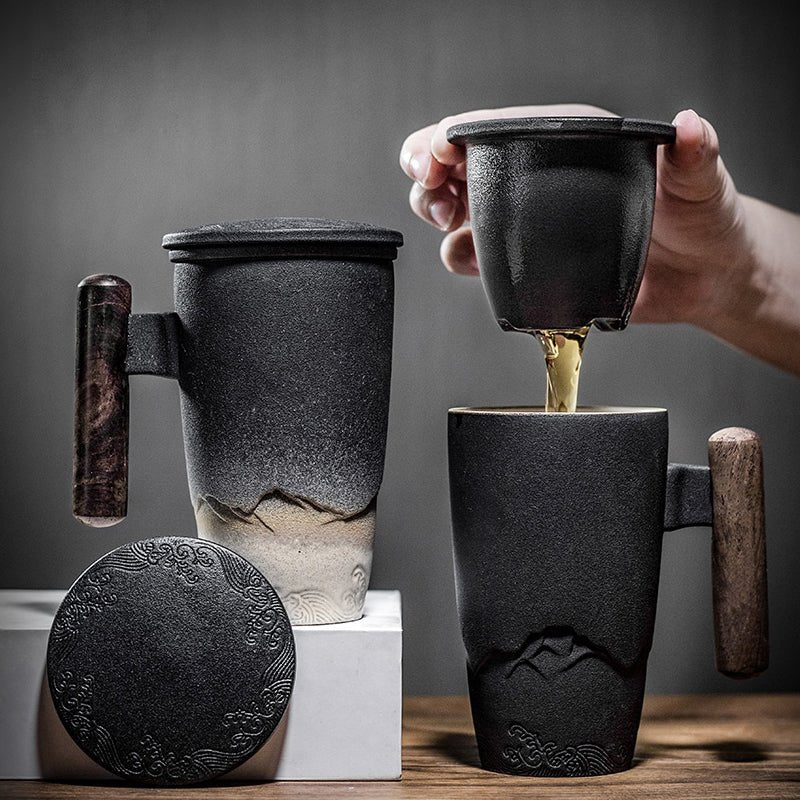
Ceramic Lid Coffee Mug Buying Guide: Fit, Care, and Best Uses
A practical guide to choosing a ceramic lid coffee mug for desk use, gifting, or slow sipping. We compare styles, explain fit and care, and point to the right CoffeifyMug options.
En savoir plus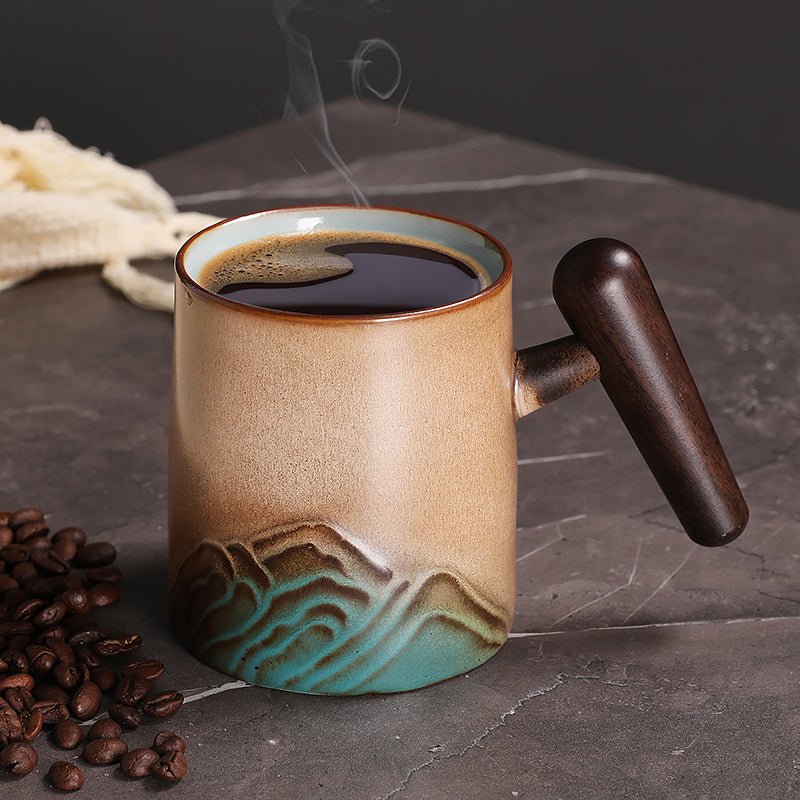
Kiss My Whole Ass Coffee Mug Buying Guide for Practical Shoppers
A practical guide to choosing a kiss my whole ass coffee mug that feels good in the hand, holds the right amount, and makes sense as a gift or daily desk mug. We cover size, material, care, and wha...
En savoir plus
Laisser un commentaire
Ce site est protégé par hCaptcha, et la Politique de confidentialité et les Conditions de service de hCaptcha s’appliquent.