
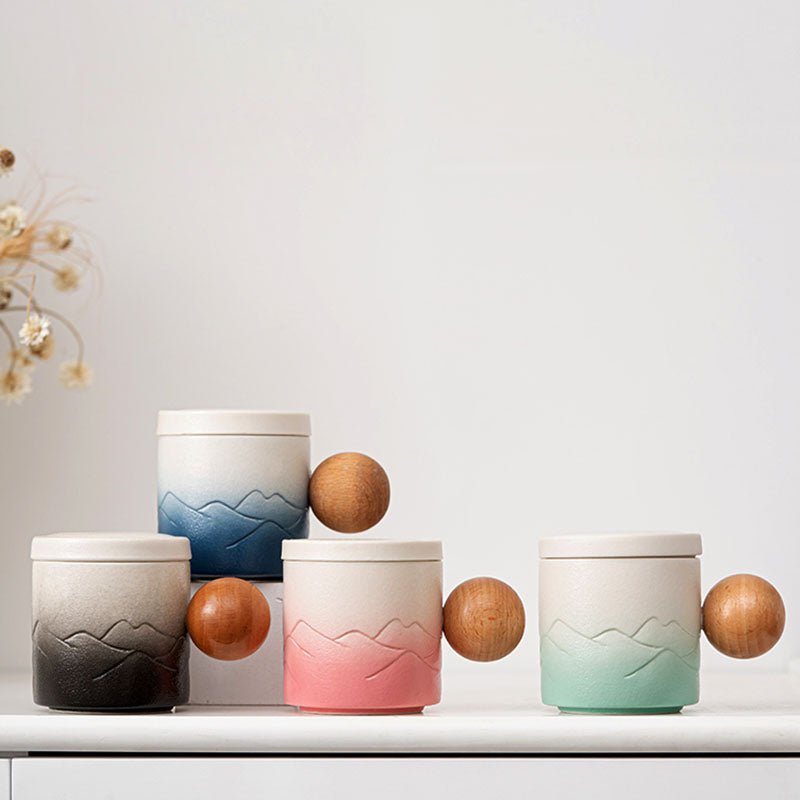
Elegant Coffee Cups for Daily Use, Gifts, and Small Tables
Reading time: about 9 minutes
A cup can look refined in the cart and still feel awkward at 7 a.m. on a kitchen counter. The version that works is usually the one with the right rim thickness, handle clearance, and finish that does not fight daily use. If you want a starting point, our Pleated Coffee Tea Cup shows the kind of shape that reads elegant without being fussy.
If you are comparing styles instead of buying on impulse, start with our all coffee cup collection and narrow by shape, finish, and capacity. That is usually the fastest way to avoid a cup that looks good online but feels wrong in hand.
What makes elegant coffee cups feel refined instead of fragile?
Elegant coffee cups usually have a few things in common: a balanced silhouette, a clean rim, a comfortable handle, and a finish that does not look overworked. A cup can be decorative and still practical, but the best ones do not rely on novelty alone. They feel intentional.
In our experience, shoppers often respond to the same small details once they hold a cup in real life at our store or in a kitchen setting:
- Rim thickness: A slimmer-looking rim feels more polished, but it should still be smooth and comfortable against the lip.
- Handle clearance: There should be enough space for two fingers without scraping the cup body.
- Base stability: A flat, even foot ring keeps the cup steady on a desk, tray, or saucer.
- Finish quality: Uniform glaze and clean edges matter more than loud decoration.
The trade-off is simple. The more delicate a cup looks, the more you should check whether it can survive your real routine. A very thin wall or highly detailed surface may feel special on a guest table, but it may also be less forgiving if you stack cups tightly or run them through heavy dishwasher cycles every day.
Which materials work best for elegant coffee cups?
Material changes the whole buying decision. It affects weight, heat retention, visual softness, and how easy the cup is to keep looking clean. If a cup is meant to live on a breakfast tray, an office desk, or a dining-room shelf, the material needs to match the use case.
| Material | What it looks like | Best for | Trade-off |
|---|---|---|---|
| Porcelain | Bright, smooth, refined | Gift sets, espresso, formal table settings | Can feel light and elegant, but thin pieces may chip if handled roughly |
| Ceramic | Versatile, often softly glazed | Everyday coffee, mixed-use kitchens | Usually a little heavier, which some people love and others avoid |
| Stoneware | Grounded, warm, more textured | Daily use, casual elegance, durable shelf presence | Can be bulkier, so it is not ideal if you want a very delicate profile |
| Glass | Clean, modern, transparent | Layered drinks and visual presentation | Shows every water mark and can feel less insulating than ceramic |
If your main goal is visual polish, porcelain usually gives the cleanest look. If your priority is a cup that gets used every day and still feels special, ceramic and stoneware are often easier to live with. For a deeper buying checklist, our guide on Beautiful Coffee Cups: What to Look for Before You Buy covers the small details that separate a display piece from a real workhorse.
One limitation matters here. If you want a cup for oversized iced drinks, cold brew with lots of ice, or anything that needs room for milk and toppings, many elegant cup shapes will feel too small. That is not a flaw. It just means the style is better matched to hot coffee, tea, or smaller pours.
How do you choose the right size and shape for your drink?
Size is where a lot of shoppers go wrong. A cup can be beautiful and still feel off if the capacity does not match how you actually drink coffee. A small, elegant cup is usually best for espresso, macchiato, cortado, or a modest cappuccino. Medium sizes work better for flat whites and smaller drip coffee servings.
Use this as a practical guide:
- 6 to 8 oz: Best for espresso-based drinks and tasting portions.
- 8 to 10 oz: A strong fit for cappuccino, flat white, and smaller morning pours.
- 10 to 12 oz: Better for drip coffee drinkers who still want a polished, compact shape.
- 12 oz and above: More useful if you pour generously, but the cup may start to lose that delicate, elegant profile.
Shape matters just as much as volume. A wide cup cools faster and reads more casual. A taller cup feels more composed but can be awkward if the handle is undersized. If you are also comparing larger formats, our guide to Big Coffee Cups: How to Choose the Right Large Mug for Daily Use is a useful contrast point.
We usually tell shoppers to imagine the cup in three places: next to the grinder in the morning, on a desk during a work call, and on a tray when serving a guest. If it works in all three, the size is probably right.
What details should you inspect before you buy?
This is the part that saves the most regret. A polished listing photo can hide the things you feel immediately in real life. We look for the same handful of details on every cup because they change the experience every day.
- Rim finish: The lip should be smooth, not rough or sharp.
- Handle fit: Check whether your fingers fit without twisting your wrist.
- Foot ring: A clean underside helps the cup sit flat and reduces wobble.
- Glaze consistency: Watch for pinholes, uneven sheen, or dull patches that suggest poor finishing.
- Stacking behavior: Some elegant cups scratch easily if stacked rim to rim.
- Color consistency: In a pair or set, the pieces should look intentionally matched rather than merely similar.
Common defect modes are easy to miss if you only judge from photos: a slightly crooked handle, a rough edge under the rim, a wobbly base, or a glaze line that breaks the visual flow. None of these always make a cup unusable, but they do affect whether it feels elegant in the hand.
If you want a broader sense of what actually matters before checkout, we also cover the practical side in Beautiful Coffee Cups That Look Good and Hold Up Daily.
Are elegant coffee cups practical for daily use and gifts?
Yes, but not every elegant cup is right for the same job. A cup that looks great on a gift table may be too small for someone who drinks a large mug of coffee at a desk. A cup that feels sturdy enough for everyday kitchen use may not have the fine profile you want for a host gift or a styled shelf.
In our store, we see these use cases come up most often:
- Daily kitchen use: Choose something comfortable, easy to wash, and not too thin.
- Office desks: Look for a stable base and a handle that feels secure when the cup is hot.
- Gift unboxings: Prioritize visual harmony, clean glazing, and a shape that looks finished without extra decoration.
- Guest service: Match the cup to smaller pours, tea service, or dessert coffee rather than oversized drinks.
That is also why we keep a practical mindset when we talk about style. A cup can be beautiful and still not be the best choice for a dishwasher that runs every night, a kitchen with very limited cabinet height, or a household that stacks everything tightly. If you want more of a style-led browse, Coffee Cups Cool: What Makes a Mug Worth Buying is a useful companion read.
How do you care for elegant coffee cups so they stay sharp-looking?
Care is where elegant cups either stay elegant or start looking tired. Even if a cup is labeled dishwasher-safe, daily habits matter. Decorative finishes, metallic accents, and textured surfaces tend to lose their clean look faster if they are hit with aggressive cycles, hard water residue, or rough stacking.
We recommend a simple routine:
- Rinse soon after use so coffee or tea does not stain the glaze.
- Use a soft sponge instead of an abrasive pad.
- Dry the underside fully before storing to avoid water spots.
- Do not force cups into tight stacks if the rims can rub.
- Avoid moving a hot cup directly into cold water, because thermal shock can stress ceramic and porcelain.
If the cup has a special finish, hand washing is the safer choice even if the listing allows the dishwasher. That is not about being precious. It is about keeping the edge lines, sheen, and color consistent for longer.
Elegant coffee cups are not ideal for rough treatment, outdoor use, or situations where cups get knocked around with heavy metal utensils. If that is your reality, choose a sturdier profile and accept a less delicate look.
Frequently asked questions
Are elegant coffee cups good for everyday use?
Yes, if the cup has a comfortable handle, a stable base, and a finish you can maintain easily. The most practical options are usually ceramic or porcelain with a smooth rim and a size that matches your normal pour. Very delicate cups can still work daily, but they need more careful handling.
What size elegant coffee cup is best for latte or cappuccino?
For cappuccino, 6 to 8 oz is usually the cleanest fit. For latte or a larger milk drink, 8 to 10 oz often works better without losing the refined shape. If you regularly pour larger servings, a more compact cup may feel too small.
Can elegant coffee cups go in the dishwasher?
Some can, but not all finishes hold up the same way. If the cup has metallic accents, hand-applied decoration, or a textured glaze, hand washing is safer. Even dishwasher-safe cups usually look better longer with a gentler wash cycle and careful drying.
What should I avoid if I want a cup that stays elegant?
Avoid rough rims, unstable bases, and finishes that show every scratch or water mark. Also avoid a size that is too large for the shape, because oversized proportions can make a cup look bulky instead of refined. If you stack cups often, check whether the rims are protected from rubbing.
Do elegant coffee cups need a saucer?
Not always. A saucer adds polish and helps during serving, especially for guests or small tables. For daily kitchen use, many shoppers prefer the cup alone because it is simpler to store and easier to grab in a hurry.
Pick the cup by checking three things in order: rim comfort, handle clearance, and whether the capacity fits the drink you actually pour. Then compare finishes and shapes in our all coffee cup collection and choose the one that will still feel right after the first week, not just on the first glance.
Read more
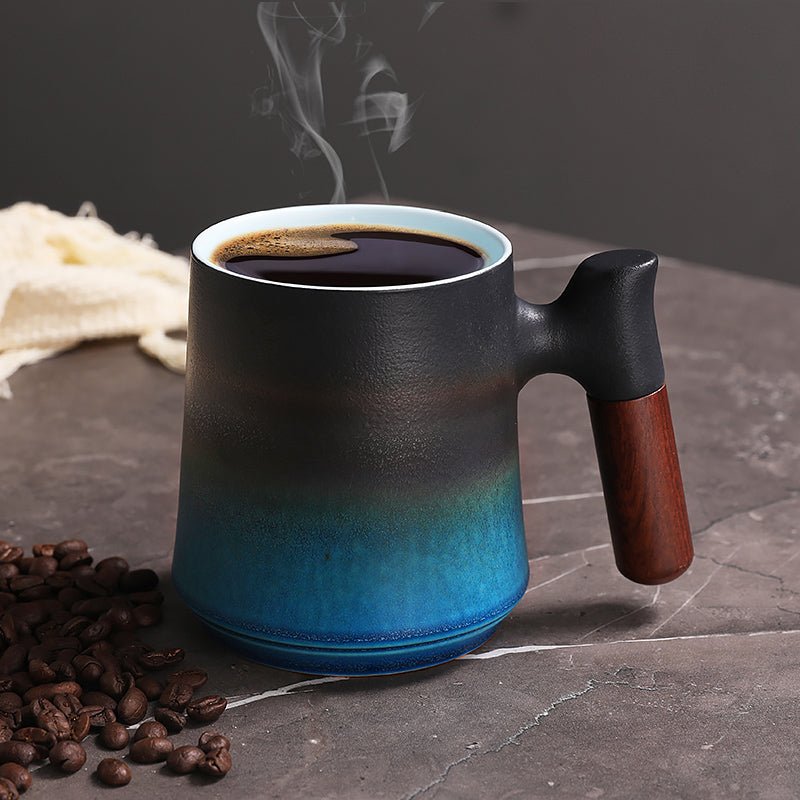
Coffee Mug Bowl Buying Guide: Size, Comfort, and Best Fits
A coffee mug bowl gives you a wider, more relaxed drinking shape, but the right one still depends on balance, handle comfort, and how you actually use it. This guide breaks down what to check befor...
En savoir plus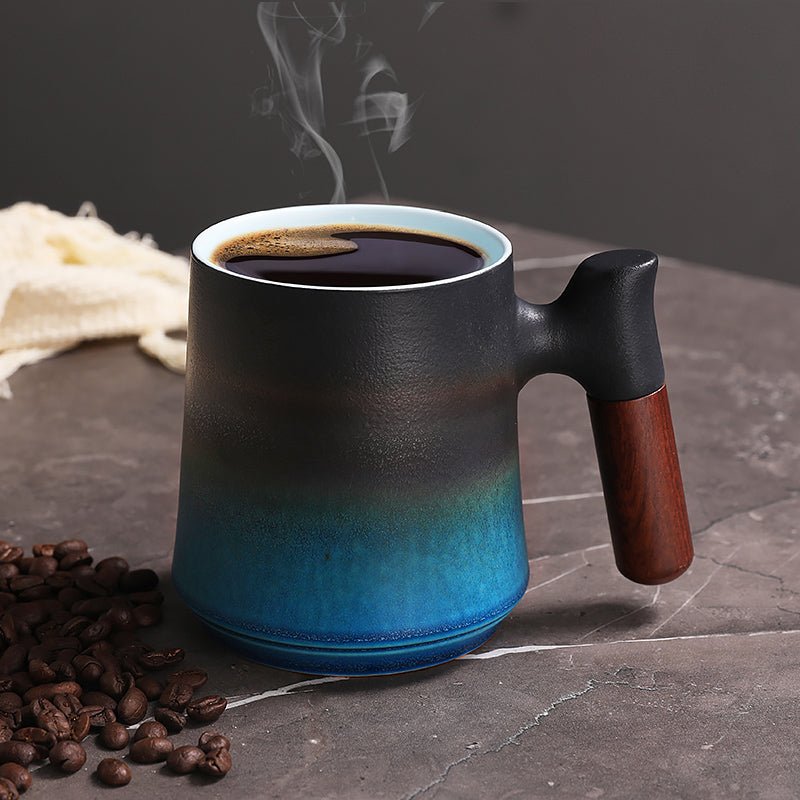
Coffee Mug Meals: What Works, What Doesn’t, and Best Mug Picks
Coffee mug meals can be a smart fix for small portions, quick lunches, and pantry meals — if you choose the right mug shape and capacity. We break down what actually fits, what gets messy, and whic...
En savoir plus
Laisser un commentaire
Ce site est protégé par hCaptcha, et la Politique de confidentialité et les Conditions de service de hCaptcha s’appliquent.