
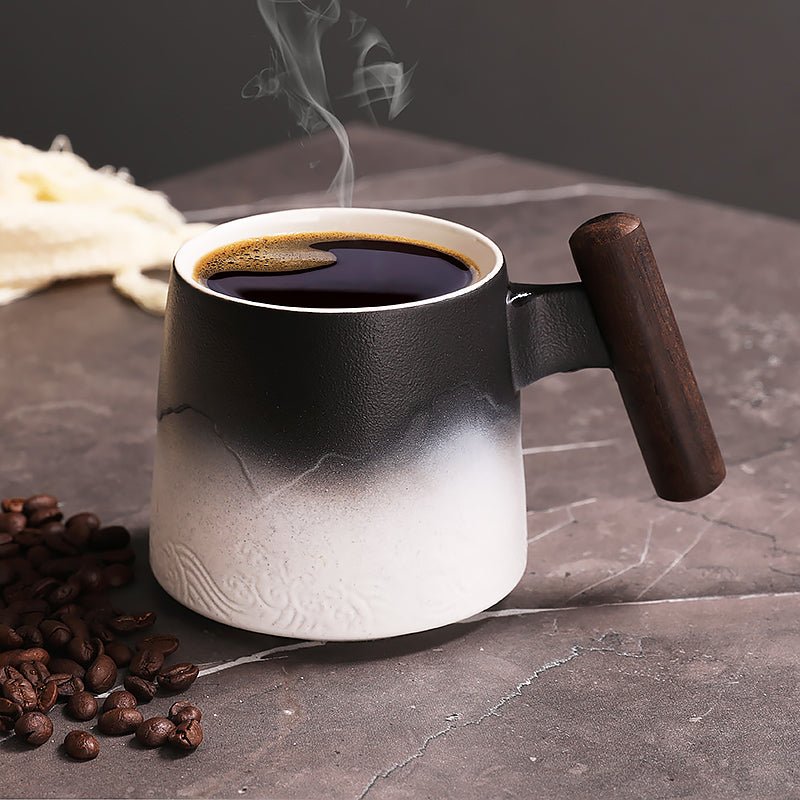
Durable Coffee Mugs: What to Check Before You Buy
Reading time: about 9 minutes
A mug chips fast in the places people do not think about: the rim on a crowded dish rack, the handle against a sink edge, or the base when it gets knocked on an office desk. That is why we talk about durable coffee mugs as a category, not just a look. The best ones hold up to daily washing, handle heat shifts without cracking, and still feel balanced in the hand after months of use.
In our store, we see the same pattern again and again. Buyers usually want a mug that looks good on the counter, survives regular dishwasher cycles, and does not feel flimsy the first time hot coffee goes in. Those are reasonable expectations, but durability comes from several details working together: material, wall thickness, glaze, rim finish, handle shape, and base stability.
What actually makes a coffee mug durable?
Durability is not one single feature. A mug can be heavy and still chip easily if the glaze is thin at the rim or the handle joins the body with a weak seam. We look for a mug that resists everyday wear in the same places real buyers damage mugs: the lip, the handle, and the bottom edge.
Three details matter most:
- Material body: ceramic, stoneware, porcelain, or steel each behave differently under heat and impact.
- Finish quality: a smooth, even glaze helps protect the surface and makes staining easier to clean.
- Shape and balance: a mug that sits flat and has a comfortable handle is less likely to be dropped in the first place.
We also pay attention to what durability does not mean. A very thick mug can feel sturdy, but it may be too heavy for someone who drinks several cups a day or has wrist sensitivity. A thin, elegant mug can be perfectly serviceable if the material and finish are solid. The right pick depends on how the mug will actually be used.
Which materials hold up best for daily use?
Material choice sets the ceiling for durability. Some mugs are better for a desk drawer and repeated washing. Others are better for display or slower sipping at home.
| Material | What it does well | Trade-off | Best fit |
|---|---|---|---|
| Ceramic | Balanced weight, everyday feel, usually easy to clean | Can chip on the rim or handle if knocked around | Kitchen counters, office mugs, gifting |
| Stoneware | Heavier body, solid feel, often forgiving for daily use | Bulkier in the hand and can feel too heavy for some buyers | Home use, breakfast tables, people who like a sturdier cup |
| Porcelain | Cleaner look, fine finish, good for a more polished table setting | Can feel more delicate if the walls are thin | Gift sets, formal settings, lighter drinkers |
| Stainless steel | Strong against breakage and travel friendly | Not the same drinking experience as a classic mug; can change the taste or feel for some users | Commutes, work bags, outdoor use |
For most shoppers looking at durable coffee mugs for home or office use, ceramic and stoneware are the practical choices. They offer the familiar mug feel people want, and they are easier to live with than metal if the goal is a comfortable coffee routine on a kitchen counter. If the goal is survival in a backpack or car cup holder, a travel mug is the better tool.
If you are sorting by size as well as durability, our guides to 12 oz Coffee Mugs: What to Check Before You Buy, 16 oz Coffee Mugs: What to Check Before You Buy, and 20 Ounce Coffee Mugs: What Buyers Should Check Before Ordering can help you match capacity to the way you drink. Size matters because a mug that is too large becomes awkward, and awkward mugs get dropped.
What should you inspect before buying a mug online?
Photos only show so much. A mug can look sturdy and still have the kinds of issues we catch when handling stock in person. We recommend checking the product details in this order:
- Rim finish: Look for a smooth, even lip. A rough rim is uncomfortable and can be the first place a chip appears.
- Handle clearance: Make sure fingers fit without squeezing. Tight handles encourage over-gripping, which increases drops.
- Base stability: The mug should sit flat. A wobble on the counter is annoying and can point to poor finishing.
- Wall thickness: You want enough body to feel solid, but not so much that the mug becomes bulky and hard to hold.
- Care instructions: Check whether the mug is dishwasher safe, microwave safe, or hand-wash only. That changes how the mug will hold up in real use.
Another detail worth watching is glaze coverage inside the handle and around the foot of the mug. Those are common spots where thin finish or uneven firing shows up. Over time, those weak points can lead to staining, crazing, or tiny cracks that nobody notices until a hot drink goes in and the problem gets worse.
We have found that the mugs people keep longest are not always the thickest ones. They are the ones that feel balanced, clean easily, and do not force the buyer to baby them.
How do you keep a mug from chipping or cracking?
Good care extends the life of even a sturdy mug. The biggest enemy is sudden change: hot coffee in a mug that was ice-cold, or a cold rinse immediately after a hot wash. That kind of thermal shock is a common reason mugs crack without warning.
These habits help:
- Let the mug warm gradually before pouring in very hot liquid if it has been sitting in a cold cupboard.
- Avoid tapping the rim against the sink, dishwasher rack, or another mug.
- Do not stack heavy mugs tightly if the lip is glazed and exposed to rubbing.
- Use the top rack only if the product is listed as dishwasher safe, and keep it away from items that can knock into it.
- Inspect the handle and base regularly if the mug gets daily office use, because those are the first wear points.
For mugs that are hand-wash only, the care is even simpler: wash with a soft sponge, dry fully, and do not leave them soaking overnight. Soaking is not always a problem, but it increases the chances of detergent residue sitting in fine surface flaws.
Durable coffee mugs are not the best choice if you need something for rough outdoor use, a car commute, or a backpack that gets thrown around. In those cases, a travel mug or insulated tumbler is the better buy. A classic ceramic mug is built for stable surfaces, not impact resistance.
Which durable mug is right for home, office, or gifting?
The best mug depends on where it lives. We help buyers sort by use case because the wrong shape is often what makes a mug feel disappointing, even if the build quality is fine.
- Home kitchen: Choose a mug with a comfortable handle, a flat base, and a size that matches the amount you normally drink without overfilling.
- Office desk: Pick a mug that is stable and not too wide at the top so it fits under shelves, monitors, and storage hutch lips.
- Gift giving: Choose a mug with a finish that looks clean from every angle, plus a shape that feels substantial when unboxed.
- Frequent dishwasher use: Prioritize simple shapes with fewer raised details, because decorative textures can trap residue and wear unevenly.
If you want to compare the full range we currently carry, start with our product page and then browse the broader assortment in all collections. That is usually the fastest way to compare sizes, styles, and finishes side by side before you commit.
For shoppers who like larger cups, our buyer's guide to large capacity coffee mugs is useful too. Bigger mugs can be convenient, but they are not automatically more durable. Once a mug gets oversized, weight and balance matter more, and a long handle can change how secure it feels in the hand.
What are the most common durability mistakes shoppers make?
The mistakes are usually simple. They are also expensive if you buy the wrong mug three times in a row.
- Choosing by looks only: A mug can photograph well and still have a thin rim or awkward handle.
- Ignoring size: An oversized mug may be stable on a counter but tiring to lift when full.
- Assuming all ceramic is the same: Firing quality, glaze consistency, and body thickness change how a mug ages.
- Using the wrong mug for the wrong setting: A pretty mug on a desk is fine; a delicate one in a busy shared office is not.
- Overlooking care labels: Dishwasher and microwave use are convenience features, but only if the mug is built for them.
We also see buyers choose very light mugs because they seem more refined. That can work, but only if the mug still has enough structure at the rim and handle. If it feels hollow or top-heavy, it is usually not a long-term daily-use choice.
Frequently asked questions
Are thick coffee mugs always more durable?
Not always. Thickness can help a mug feel solid, but durability also depends on the quality of the glaze, the handle join, and how evenly the mug was fired. A thick mug with a weak rim or uneven base can still chip or crack early.
Can durable coffee mugs go in the dishwasher?
Many can, but only if the product is listed as dishwasher safe. We still recommend checking the care note because decorative finishes, metallic accents, and hand-painted details can wear faster in repeated wash cycles.
What size mug is easiest to live with every day?
For many buyers, 12 oz to 16 oz is the practical range because it balances capacity and handling. If you want to compare those sizes more closely, our posts on 8 Ounce Coffee Mugs: What Buyers Should Check Before Ordering and 16 oz Coffee Mugs: What to Check Before You Buy cover the trade-offs buyers usually miss.
What mug material is least likely to break?
Stainless steel is the toughest against drops, but it is not the same experience as a traditional mug. For a classic coffee mug feel, stoneware and ceramic are the common choices, with the understanding that they can still chip if they hit a hard surface.
What should I avoid if I want a mug that lasts?
Avoid mugs with rough rim edges, wobbly bases, weak-looking handle joins, and finish flaws around the foot or inside the handle. Those are the small defects that often show up later as chips, stains, or cracks.
If you are ready to compare options, start with the mugs that fit your daily routine first, then check the finish, handle, and care instructions second. That is the quickest way to find durable coffee mugs that hold up on a real kitchen counter, a real office desk, and in real dishwasher cycles.
More from our blog
Read more
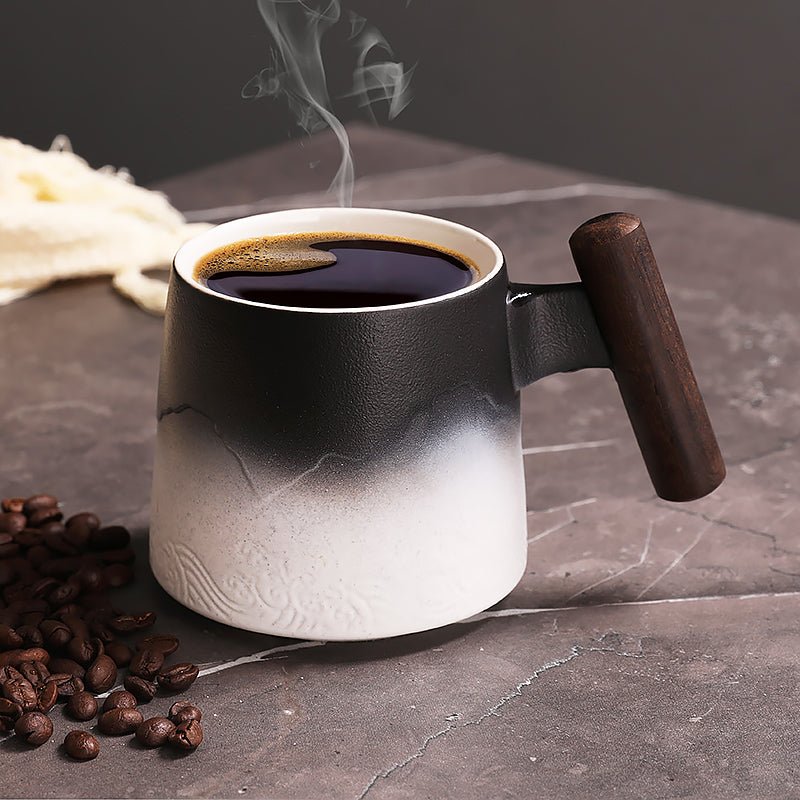
Disney Coffee Mug Buying Guide: Size, Material, and Care
A practical guide to choosing a Disney coffee mug that fits your routine, gift budget, and care preferences. We cover size, material, print durability, and what to avoid if you want a mug that actu...
En savoir plus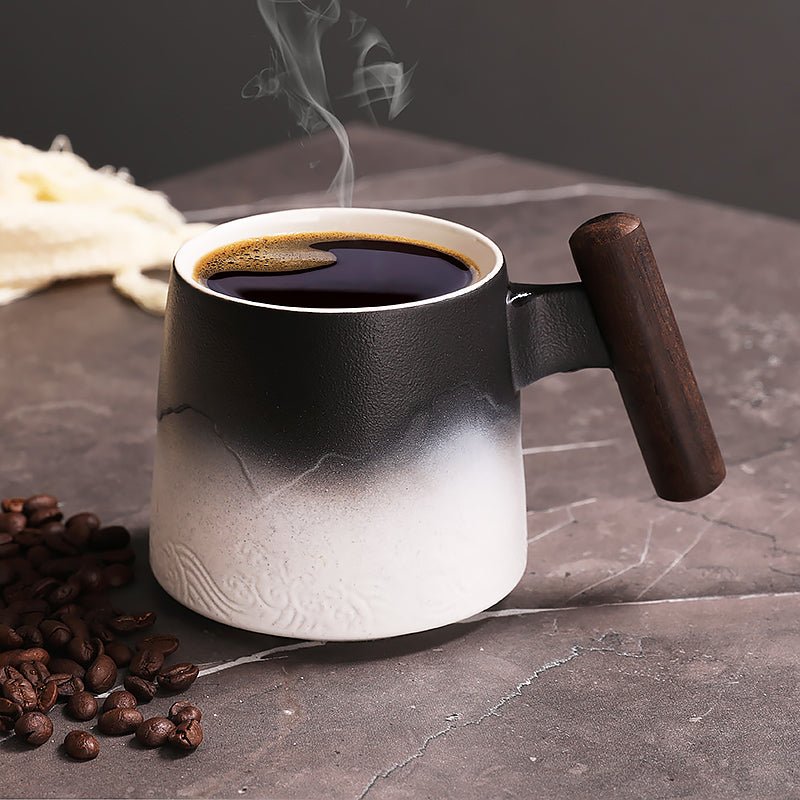
Handmade Pottery Coffee Mugs: What Buyers Should Check Before Ordering
Handmade pottery coffee mugs bring texture, weight, and character to daily coffee, but the best choice depends on size, glaze, and care. Here’s how we help shoppers compare options before ordering.
En savoir plus
Laisser un commentaire
Ce site est protégé par hCaptcha, et la Politique de confidentialité et les Conditions de service de hCaptcha s’appliquent.