
Durable Coffee Mugs: What to Buy for Daily Use and Fewer Chips
Reading time: about 8 minutes
A mug that chips on the rim usually gives up in the same places every time: the sink, the dishwasher rack, and the edge of a crowded desk. We see that pattern all the time in our store. The buyers who stay happiest are not the ones chasing the prettiest mug photo; they are the ones who want durable coffee mugs that still feel solid after repeated use, quick rinses, and the occasional bump against a spoon or sink basin.
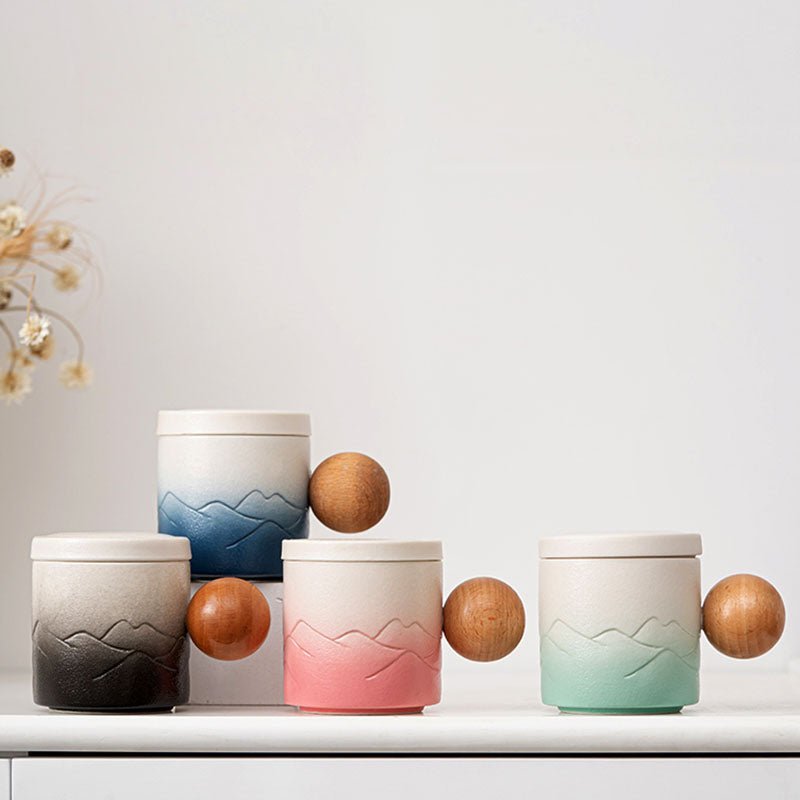
If you want a starting point, compare our Pleated Coffee Tea Cup and The Flow Coffee Tea Mug, then browse the full collection to see the range in one place. The right choice is usually the mug that balances weight, grip, and care habits instead of the one that just looks tough.
What actually makes a coffee mug durable?
Durability in a mug is less about a marketing claim and more about a handful of practical details you can judge from the product page, photos, and care notes. In real use, the weak points are predictable: the rim, the handle joint, the base, and the finish. If those areas are well made, the mug usually survives everyday kitchen life much better.
- Rim thickness: A rim that feels even and not overly thin is less likely to chip from small knocks.
- Handle clearance: You want enough room for fingers to pass through without scraping the cup body.
- Balanced weight: A mug should feel substantial without being so heavy that it is awkward when full.
- Stable base: A flat, steady base matters on a desk, coaster, or drying rack.
- Finish quality: A clean glaze or coating should look even, without rough patches or pinholes that catch wear over time.
The common failure modes are usually simple. We look for hairline cracking from thermal shock, chips on the lip, glaze crazing that makes the surface look tired, and handles that feel too narrow for daily use. Those are the issues that turn a mug from a reliable desk companion into something you stop reaching for.
Which material holds up best for daily coffee?
Material choice matters, but it is not the whole story. A well-made ceramic mug can last a long time, and a poorly made one can chip fast. The same is true for stoneware and porcelain. What matters most is how the mug is fired, finished, and handled in real life.
| Material | What it does well | Trade-off | Best for |
|---|---|---|---|
| Ceramic | Everyday feel, familiar weight, easy shelf appeal | Can chip if the rim or base takes repeated impact | Desk coffee, breakfast tables, gifting |
| Stoneware | Usually feels sturdy and substantial in the hand | Can be heavier than buyers expect | People who like a solid mug with presence |
| Porcelain | Refined look, often lighter in hand | Thin edges can show chips sooner if handled roughly | Users who want a cleaner, lighter drinkware feel |
| Stainless steel | Very tough for travel and rough handling | Does not give the same coffee experience on a desk | Commutes, outdoor use, backpacks |
For most people shopping for the kitchen or office, ceramic or stoneware is the sweet spot. If you need something for a bag, a commute, or a car cup holder, a regular mug is not the right tool. That is a useful limitation to accept early instead of forcing one product to do two different jobs.
What size should you choose for everyday use?
Size changes the whole experience. A mug that is too small feels constantly empty. One that is too large gets heavy, cools unevenly, and is harder to handle when full. If you want a deeper breakdown of capacity, our guides on 12 oz Coffee Mugs: How to Choose the Right Mug for Daily Use and 16 oz Coffee Mugs: How to Choose the Right Mug for Daily Use are good next reads.
As a practical rule:
- 12 oz works well for a standard pour, a straightforward morning coffee, or buyers who prefer a lighter mug in the hand.
- 14 oz to 16 oz suits people who sip slowly at a desk or add milk, foam, or extra room for stirring.
- 20 oz is useful if you want fewer refills, but it will usually feel heavier and take up more space on the counter.
If you are torn between sizes, our 14 Ounce Coffee Mugs: Size, Fit, and Buying Guide and 20 Ounce Coffee Mugs: Fit, Shape, and Buying Guide can help you match capacity to routine. A mug that matches your actual drinking habit will always feel more durable than one that is simply oversized.
Which mug styles in our store suit buyers who want durability and character?
We do not treat durability and style as opposites. A mug can be practical and still feel intentional on a kitchen counter or office desk. The trick is choosing a shape that looks good without relying on fragile details that do not hold up well.
Our Pleated Coffee Tea Cup is a strong option if you like a tactile profile that is easy to pick up and visually distinctive. Golden Waves Kio Coffee Tea Mug suits buyers who want something a little more decorative without moving away from daily use. The Flow Coffee Tea Mug has a cleaner, softer profile for people who prefer a simpler look on a desk or shelf.
We use those styles as different answers to the same question: do you want a mug that blends in, or one that makes your daily coffee feel more deliberate? The right answer depends on where you use it most.
If you want to compare broader options first, our article Durable Coffee Mugs: What to Check Before You Buy is a useful companion piece before you commit to a shape.
What should you inspect before placing an order?
The best way to shop for durable coffee mugs is to look at the small details that predict everyday wear. We pay attention to these because they are the things customers notice after the box is open and the mug is already on the counter.
- Rim and lip: The mouth of the mug should look even and feel comfortable, not sharp or unfinished.
- Handle join: A strong handle is less about thickness alone and more about how cleanly it connects to the body.
- Base shape: A mug with a stable base is less likely to feel tippy on a crowded desk.
- Surface finish: Smooth glazing is easier to keep clean and less likely to catch staining in rough patches.
- Care instructions: If the product page gives washing guidance, follow it. That is the fastest way to keep the finish looking good.
One trade-off worth stating plainly: decorative details can add character, but very raised textures or metallic accents may need gentler handling than a plain mug. If you want the easiest everyday maintenance, a simpler finish usually wins. If you want more visual presence, accept a little more care.
How do you keep a mug from chipping after purchase?
Most chips happen from contact, not drama. A mug hits a sink edge, gets stacked badly, or lands on another mug in the dishwasher. We have seen plenty of otherwise good mugs get damaged in those small moments.
- Do not stack mugs rim-to-rim if they do not nest cleanly.
- Leave a little space in the dishwasher so handles and rims are not knocking together.
- Set the mug down on a dry towel or rack instead of a hard edge when moving between sink and counter.
- Avoid sudden temperature swings, like moving a very hot mug into cold water immediately after use.
- Check the handle and rim after the first few uses so you catch a manufacturing flaw early, while it is still a return issue instead of a daily annoyance.
These are simple habits, but they matter. A sturdy mug still needs a little respect. That is true for ceramic, stoneware, and porcelain alike.
Frequently asked questions
Are ceramic mugs durable enough for everyday use?
Yes, if the mug is well made and handled normally. Ceramic is a practical choice for breakfast tables, kitchen counters, and office desks, but it can still chip at the rim or base if it hits hard surfaces often. If you want a mug for bags, travel, or rough outdoor use, a regular ceramic mug is not the right option.
What size mug is best for slow coffee drinking at a desk?
Most desk drinkers do well with 14 oz to 16 oz because the mug feels substantial without becoming unwieldy. That size leaves room for milk, cream, or a little extra headspace if you sip over time. If you prefer smaller, lighter cups, a 12 oz mug still works well.
Can durable coffee mugs go in the dishwasher?
Many can, but you should always check the product care notes first. A dishwasher-safe mug is easier to live with, especially for daily use, but any mug will last longer if it is not banged against other items in the rack. If a finish is special or decorative, hand washing can be the safer choice.
What signs tell me a mug will chip easily?
Watch for a very thin rim, a narrow or awkward handle, and a base that feels uneven. In photos, tiny defects around the lip or rough glaze at the join are worth paying attention to. Those are the places that usually show wear first.
Are decorative mugs less durable than plain mugs?
Not automatically. A decorative mug can be very durable if the form is balanced and the finish is well made. The trade-off is that raised texture, metallic trim, or highly detailed surfaces may need a bit more care than a plain mug with a smooth glaze.
If you already know your preferred size, start with the full collection, compare the handle shape, rim thickness, and care notes, and then choose the mug that fits your daily routine best.
Read more
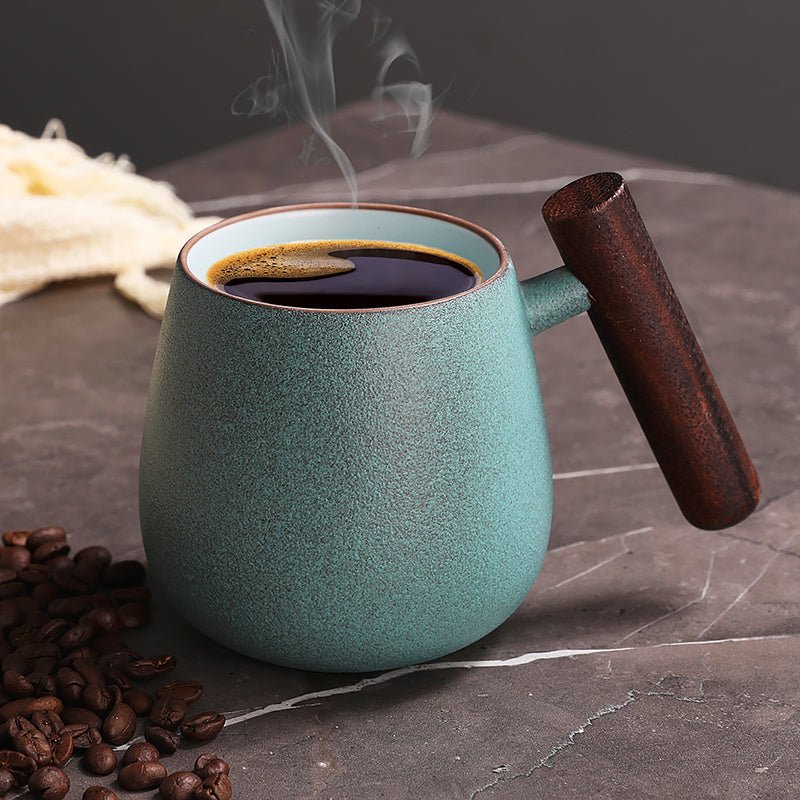
How Many Ounces Is a Standard Coffee Mug? Buyer Guide
A standard coffee mug usually falls between 8 and 12 ounces, but the usable pour depends on shape, wall thickness, and how full you actually drink it. This guide breaks down what that means for hom...
En savoir plus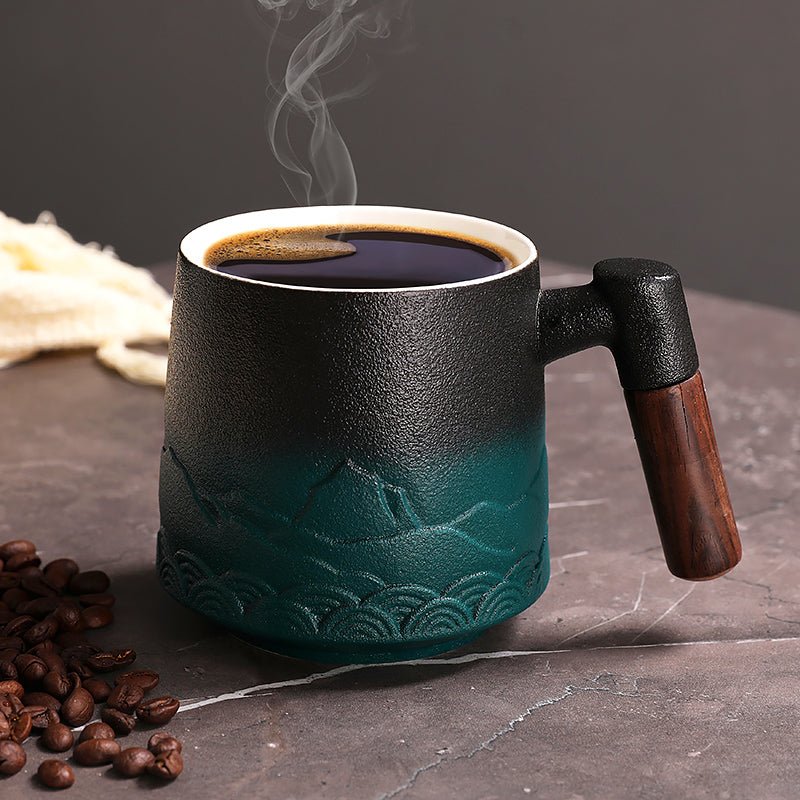
Handmade Pottery Coffee Mugs: What to Check Before Buying
Handmade pottery coffee mugs vary in feel, weight, glaze, and care. Here is what we check in our store so you can pick one that fits daily use, gifting, or desk coffee.
En savoir plus
Laisser un commentaire
Ce site est protégé par hCaptcha, et la Politique de confidentialité et les Conditions de service de hCaptcha s’appliquent.