
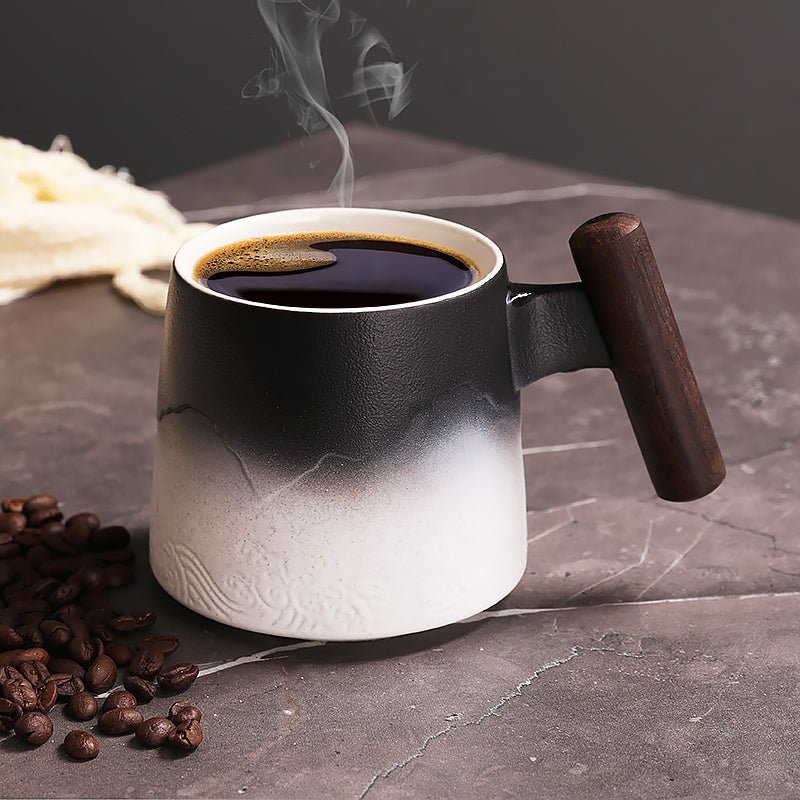
Diner Coffee Mug: What Buyers Should Check Before They Order
Reading time: about 8 minutes
A diner coffee mug feels right only when the handle clears your fingers, the base sits flat on a crowded counter, and the cup does not feel awkward once it is full. We see the same pattern in our store over and over: the mug looks perfect in photos, then the buyer notices it is heavier than expected, the handle opening is tight, or the glaze shows scuffs after a few dishwasher cycles.
That is why we treat a diner coffee mug as more than a style choice. It is a daily-use piece. If you are comparing options, start with our current mug selection on our products page and browse the broader lineup in the full collection. From there, the details below will help you pick the version that fits your kitchen, desk, or gift box.
What makes a diner coffee mug different from a standard mug?
A true diner coffee mug usually has a thick ceramic body, a rounded belly, a heavy base, and a wide handle that is meant to be grabbed quickly. It is built for regular drip coffee, refills, and a handoff from counter to table without feeling fragile.
In practical terms, that means three things we always check when we handle this category:
- Wall thickness: thicker walls hold heat longer, but they also add weight. A diner coffee mug is not the best pick for someone who wants a feather-light cup.
- Handle clearance: some mugs look roomy online and still pinch two fingers in real life. If the opening is too tight, the mug becomes annoying fast.
- Base stability: a flat, balanced foot ring matters on crowded kitchen counters and office desks. A mug that wobbles feels cheap, even if the glaze looks good.
The classic diner shape is good for black coffee, drip coffee, and simple milk-based drinks. It is less ideal for oversized lattes, giant seasonal drinks, or anyone who wants a very large capacity in a compact form. If you want to compare sizes before choosing, our related guides on 10 oz coffee mugs, 11 oz coffee mugs, 12 oz coffee mugs, and 14 oz coffee mugs are the quickest way to narrow the field.
Which size should you choose for your daily coffee?
Most diner coffee mug shoppers are really deciding between capacity and comfort. A smaller mug feels more traditional and easier to hold. A larger one reduces refills, but it can also make the mug taller, heavier, and less balanced in the hand.
Here is the way we compare common sizes when a customer asks what fits real use, not just a product photo:
| Size | Best for | What to watch |
|---|---|---|
| 10 oz | Small drip coffee, shorter breaks, tighter cabinets | Less room for cream or milk, not ideal for large pours |
| 11 oz | Classic everyday use, office desks, quick refills | Often the safest middle ground, but still check handle comfort |
| 12 oz | Standard home coffee, a little extra headroom, a fuller pour | Can feel bulkier in smaller hands |
| 14 oz | Longer drinking sessions, bigger coffees, people who dislike refills | Heavier when full and sometimes too tall for low shelves |
If you are unsure, the 11 oz and 12 oz range is where most buyers land for a diner coffee mug. It gives enough room for a standard pour without making the cup feel oversized on a breakfast table. If the mug will live on an office desk, go smaller. If it will be used for long mornings at home, a slightly larger format is easier to live with.
Our rule of thumb: choose the mug you will happily wash every day, not the one that looks best in a staged photo.
What should you check before you buy one online?
Online photos hide the details that matter most. We have seen buyers fall in love with the shape and then return a mug because the handle was too narrow, the rim felt sharp, or the foot ring scratched a table. A diner coffee mug should be checked like a tool, not just like decor.
These are the checks we recommend before you order:
- Handle fit: look for enough space for two fingers if you want comfortable daily use. Thin handles can look authentic and still be tiring.
- Rim finish: a rolled or smooth rim is easier on the lip than a flat, abrupt edge.
- Glaze quality: watch for pinholes, dull patches, or uneven glaze pooling. Small cosmetic marks can happen in ceramic production, but obvious defects are a different story.
- Foot ring and base: a mug should sit evenly. A slightly uneven base can rock on stone counters and desk mats.
- Care fit: confirm whether the mug is dishwasher safe and microwave safe if that matters to your routine.
We also look at common defect modes that shoppers rarely think about until after delivery. Hairline cracks around the handle, a rough spot under the glaze, or a base that is not ground cleanly can turn a good-looking mug into a daily annoyance. If you buy ceramic drinkware often, this is where a little scrutiny saves a lot of frustration later.
For a closer look at buying signals across the broader mug sizes, our guides on 15 oz coffee mugs and 16 ounce coffee mugs are useful if you are comparing a classic diner coffee mug against a larger everyday cup.
Is a diner coffee mug good for home, office, or gifting?
A diner coffee mug works well in a few specific settings, and less well in others. That honesty helps you avoid buying the wrong style for the wrong person.
- Home: strong fit for drip coffee, tea, and quick kitchen use. It is a good match when you want a mug that feels familiar and sturdy.
- Office: good if you want a reliable desk mug that does not tip easily. It is less ideal if you need something extremely light to carry between meetings.
- Gifting: good for people who like classic coffee shop or diner styling. It is not the best choice for someone who prefers oversized latte bowls or very minimalist drinkware.
In our experience, gift buyers care about two things once the mug is unboxed: how it feels in the hand and whether it seems practical enough to use right away. A diner coffee mug usually scores well there because the shape is familiar. The trade-off is that its traditional look may not suit a buyer who wants a thinner, more modern silhouette.
If you are building a set, matching a diner coffee mug with the rest of the kitchen can be easier than mixing decorative shapes. The plain form stacks neatly, fits most cabinets, and does not fight the rest of the tableware. That is part of the appeal, but it also means it is not the right style if you want a statement piece with a tall, sculptural profile.
How do you keep a diner coffee mug in good shape?
Ceramic mugs are durable, but they still need sensible care. The goal is to keep the glaze intact, prevent thermal shock, and avoid the kind of chips that start on a sink edge and grow from there.
These are the habits that matter most:
- Let the mug cool before running cold water into it after a hot pour.
- Use a soft sponge when washing by hand, especially on glossy or printed surfaces.
- If the mug is dishwasher safe, place it where it will not bang against heavier dishes.
- Check the handle and rim regularly for small chips, since those are the first places wear shows up.
- Retire a mug with a growing crack. A damaged ceramic mug is not worth pushing through daily use.
A diner coffee mug is not the best choice for direct stovetop heating, and it is not meant for rough handling in a travel bag. It is a counter mug. That is the point. If you need something for commuting, a travel tumbler is the better category. If you need something for espresso service, a smaller cup is more appropriate. Matching the mug to the use case is what keeps buyers happy long after the unboxing.
Frequently asked questions
How many ounces is a diner coffee mug usually?
Most diner coffee mug styles sit in the classic 10 to 12 oz range, though larger versions exist. If you want the traditional feel, 11 oz and 12 oz are the easiest sizes to live with for everyday drip coffee.
Is a diner coffee mug better than a regular mug for hot coffee?
It depends on what you mean by better. A diner coffee mug usually feels sturdier and holds heat well, but it is also heavier than some regular mugs. If you like a substantial cup with a stable base, it is a strong choice. If you want something lighter, a standard thin-wall mug may fit better.
Can I put a diner coffee mug in the dishwasher and microwave?
Many ceramic diner coffee mugs are dishwasher and microwave safe, but you should always check the product details first. Glaze type, decoration, and construction can change care requirements. If the mug has metallic accents, skip the microwave.
What should I choose if I want a bigger mug than a diner style?
If you want fewer refills or you drink large pours, look at 14 oz and larger mugs instead of forcing a diner shape to do a bigger job. Our size guides for 14 oz and 16 oz mugs are the fastest comparison points.
Is a diner coffee mug a good gift for someone who drinks tea?
Usually yes, if they like a traditional mug shape and do not mind a heavier cup. The only hesitation is size: tea drinkers who prefer smaller servings may be happier with a 10 oz mug rather than a larger diner style.
If you are ready to compare options, start with the size that matches your daily pour, then check handle comfort, base stability, and care instructions against the mug listings in our collection. That shortlist will get you to the right diner coffee mug faster than staring at photos alone.
Read more
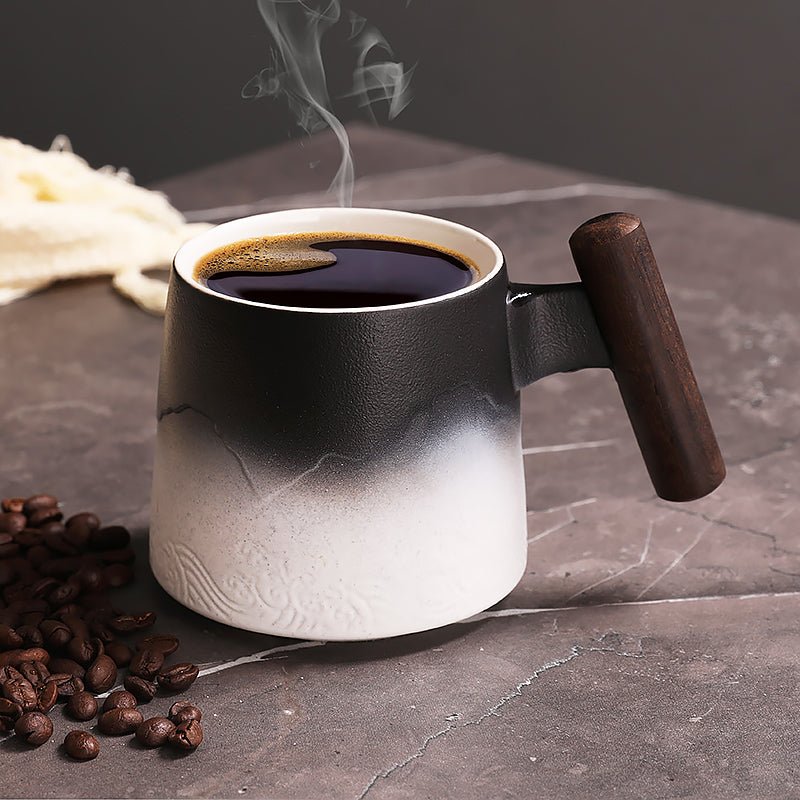
Typical Coffee Mug Size: What Buyers Should Expect Before Ordering
Typical coffee mug size is usually 11 to 12 oz, but the usable capacity, handle comfort, and cup shape matter just as much. Here’s how we size mugs in our store and what to check before you buy.
En savoir plus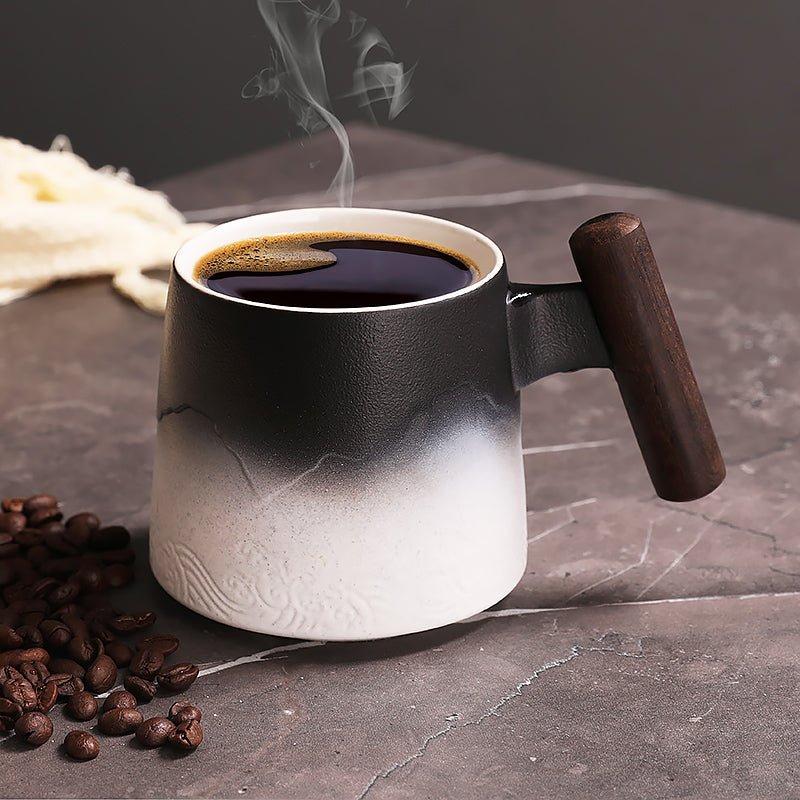
Dog Coffee Mugs: What to Check Before You Buy
We break down what makes dog coffee mugs worth buying, from size and handle comfort to print durability and care. Use this guide to choose a mug that looks good on a shelf and still works in a real...
En savoir plus
Laisser un commentaire
Ce site est protégé par hCaptcha, et la Politique de confidentialité et les Conditions de service de hCaptcha s’appliquent.