
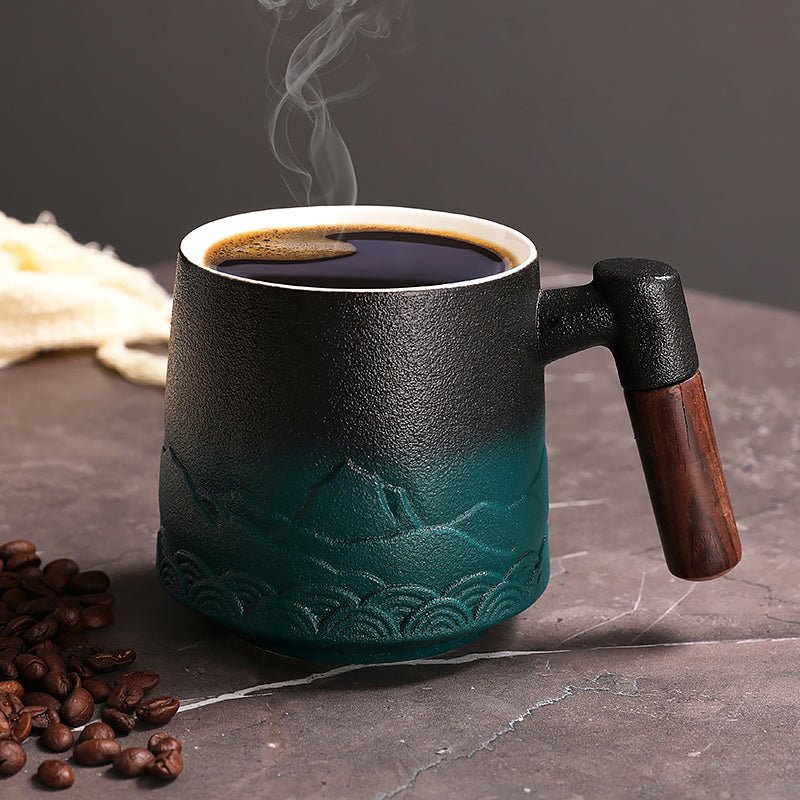
Different Types of Coffee Mugs: How to Choose the Right One
Reading time: about 10 minutes
A mug that feels right at 7 a.m. on a kitchen counter is not always the mug that works at a desk, in a dishwasher stack, or as a gift. We see that all the time in our store: shoppers start by asking for a “nice coffee mug,” then realize the real question is which shape, size, and finish fits their routine.
If you are comparing different types of coffee mugs, the useful differences are usually smaller than the marketing makes them sound. Rim thickness, handle clearance, capacity, glaze, and care all matter more than the label on the box. We handle this category every day, and the best choice is usually the one that matches how you actually drink coffee or tea.
For a quick look at our current mug range, you can browse our full collection and compare styles side by side. If you already have a favorite silhouette in mind, a few of our mugs make the differences easy to see in practice, including The Flow Coffee Tea Mug, Mountain Sea Coffee Tea Mug, and Spittoon Coffee Tea Mug.
What actually separates different types of coffee mugs?
The biggest differences are not subtle once you use a mug for a few days. We look at five practical details first:
- Capacity: A smaller mug keeps a standard pour feeling hot and concentrated. A larger mug gives room for milk, tea, or a long desk refill, but it can cool faster.
- Rim shape: A thinner rim usually feels more open and easier to sip from. A thicker rim can feel sturdier, but some drinkers find it less comfortable.
- Handle size and clearance: A handle that fits two or three fingers comfortably is easier for daily use, especially if the mug is filled near the top.
- Material: Ceramic is the everyday default for good reason. It holds heat reasonably well, cleans easily, and usually has a familiar feel in hand. Other materials change weight, texture, and durability.
- Care: A mug that looks great on day one but chips quickly around the rim or glaze edge is not a good buy for regular use.
That is why the phrase different types of coffee mugs matters less as a category label and more as a buying shortcut. The right mug is about fit, not novelty.
Which mug type works best for everyday coffee?
For most people, everyday coffee means one mug that can handle drip coffee, tea, hot chocolate, or an afternoon refill without becoming awkward to hold. In practice, that usually points to a ceramic mug with a comfortable handle and a size in the daily-use range.
We see three common everyday needs:
- Black coffee drinkers: Often prefer a smaller or medium mug so the drink stays hot and does not feel diluted.
- Milk or creamer users: Usually want a little more volume so the mug does not feel crowded once additives are added.
- Desk users: Need a shape that sits flat, is stable beside a keyboard, and does not splash when carried one-handed.
If you are comparing capacity specifically, our related guides on 10 oz coffee mugs and 11 ounce coffee mugs are useful because those sizes tend to split the difference between compact and roomy. For many households, that is the sweet spot.
The trade-off is simple. Smaller mugs keep coffee feeling focused. Larger mugs are more flexible, but if you rarely finish a big serving, they can feel heavy and cool down before the last sip.
How do ceramic, stoneware, wood, and novelty-style mugs compare?
Material and build affect the day-to-day experience more than most shoppers expect. In our experience, the questions usually come down to feel, care, and whether the mug needs to survive repeated dishwasher cycles.
| Type | What it feels like | Best for | Trade-off |
|---|---|---|---|
| Ceramic | Smooth, familiar, balanced in the hand | Daily coffee and tea | Can chip at the rim or handle if knocked against hard surfaces |
| Stoneware | Heavier, more substantial, often slightly thicker | People who like a sturdy mug feel | Heavier on a desk and slower to warm up |
| Wood-inspired or mixed-material styles | Distinct, tactile, decorative | Gifting and low-drama shelf display | May need more careful washing depending on construction |
| Novelty shapes | Interesting and often conversation-starting | Gifts and collectors | Can be less stackable and less comfortable for long use |
We are careful with this advice because no mug material is perfect for every kitchen. A heavier mug can feel premium, but it is not ideal if you carry coffee from kitchen to office all morning. A light mug is easier to lift, but it may feel less stable in the hand.
If you want a different feel without giving up practicality, our blog post on wood mugs is a good companion read. It helps explain why some shoppers want texture and visual warmth, while others want the easy clean-up of a standard glazed mug.
What shapes are easier to drink from, hold, and clean?
Shape changes the real experience faster than color ever will. A wide opening cools coffee more quickly and makes it easier to add milk or foam. A taller, narrower mug usually holds heat a little better and can feel more secure for carrying between rooms.
From the store side, we notice a few common preferences:
- Wide-mouth mugs: Better for tea, cappuccino-style drinks, or people who like to smell the coffee as they sip. Not the best choice if you are constantly walking around with the mug.
- Straighter-sided mugs: Often easier to stack and easier to wipe dry after washing.
- Rounded mugs: Comfortable in the hand, but sometimes harder to judge fill level at a glance.
- Compact mugs with a firm base: Good for office desks because they feel less likely to tip.
The Flow Coffee Tea Mug is a good example of a mug that leans into easy everyday use. If you want a cup that looks clean on a kitchen shelf but still works for both coffee and tea, that kind of shape is worth considering. It is not the best pick if you want the largest possible serving, but it can be the better choice if you care about grip and daily comfort.
Mountain Sea Coffee Tea Mug sits closer to the decorative end of the spectrum while still being usable at the table or desk. That makes it appealing for gifting, but if you are rough on mugs or want something purely utilitarian, a plainer everyday shape may make more sense.
Which mug styles are better for gifts, desks, and tea drinkers?
We often help shoppers narrow down gifts, and the answer changes depending on who is receiving the mug. A mug that feels thoughtful as a gift may not be the best for someone who drinks quickly between meetings.
Here is a practical breakdown:
- For gifts: Choose a distinctive glaze, shape, or visual theme. The mug should look special out of the box and still be easy to wash.
- For office desks: Prioritize stability, a handle that clears the fingers, and a shape that does not hog desk space.
- For tea drinkers: A slightly wider mouth often helps with aroma and tea bag removal.
- For milk-heavy coffee: A mug with a little extra room is more forgiving.
Spittoon Coffee Tea Mug is the kind of piece that can work well when someone wants a more distinctive shape without losing day-to-day usefulness. It is not the best choice if the buyer wants a plain office mug that disappears into the background, but it can be a strong fit for a gift or a personal desk mug with character.
For shoppers comparing capacities as well as shapes, our guide to 12 ounce coffee mugs is worth a look. That size often works well for tea drinkers and anyone who likes a little extra room without jumping into an oversized cup.
What should you check before buying a mug online?
Online mug shopping gets easier once you stop relying on photos alone. We recommend checking these details before you buy:
- Capacity: Make sure the size matches your routine, not just your idea of “medium.”
- Handle clearance: Look for enough space for your fingers if the mug will be used daily.
- Base width: A wider base usually feels more stable on a desk or countertop.
- Care instructions: Confirm whether the mug is intended for standard kitchen cleaning habits. If you prefer low-maintenance mugs, avoid styles that need hand washing only unless you truly like the look enough to justify it.
- Finish quality: Check for even glaze, smooth rim edges, and a consistent handle attachment.
The most common defect modes we watch for are small glaze irregularities, hairline chips on the rim from rough handling, and handles that look good but feel cramped in real use. Those issues do not show up well in a polished product photo. If a mug is going into a busy household sink, a shared office kitchen, or a dishwasher rack, sturdiness matters more than decoration alone.
Our rule in the store is simple: if a mug looks great but feels awkward after three sips, it is the wrong mug.
Which different types of coffee mugs do not make sense for every buyer?
Some mug styles are attractive, but they are not practical for everyone. We prefer to say that clearly rather than oversell a look.
- Very oversized mugs: Good for long, slow drinks. Not ideal if you dislike cooling or if you want a lighter hand feel.
- Thin decorative mugs: Beautiful on a shelf. Less forgiving if you have a habit of stacking dishes or loading a crowded dishwasher.
- Highly textured surfaces: Offer character, but can be more annoying to wipe dry or keep looking clean.
- Novelty mugs with unusual silhouettes: Fun for gifting, but not always the most comfortable for daily coffee.
That is why a lot of shoppers end up choosing a balanced ceramic mug instead of something more specialized. It is the safest all-around option, especially if one mug needs to serve coffee, tea, and the occasional reheated drink.
Frequently asked questions
What are the most common different types of coffee mugs?
The most common options are ceramic, stoneware, and decorative novelty mugs. Ceramic is usually the easiest everyday choice, while stoneware feels heavier and more substantial. Novelty mugs are better when visual style matters more than all-day comfort.
What mug size is best for daily coffee?
For many buyers, 10 to 12 ounces is the most practical range for daily use. It leaves enough room for a standard pour without feeling oversized, and it usually stays comfortable to hold. If you drink large milk-based drinks, a slightly bigger mug may be a better fit.
Are decorative coffee mugs actually good for everyday use?
Some are, but not all. Decorative mugs can be great for gifting or a personal desk setup, yet they may be heavier, less stackable, or more awkward to wash. If the mug will be used every day in a busy kitchen, comfort and durability should come first.
What should I look for if I want a mug for tea and coffee?
Choose a mug with a comfortable handle, a smooth drinking rim, and enough capacity for both drinks. A slightly wider opening can help tea aroma and makes adding milk easier. That is why many shoppers choose a versatile coffee-and-tea mug instead of a narrow specialty cup.
Do ceramic mugs chip easily?
They can chip if they hit a sink, counter, or another mug hard enough. The risk is higher around the rim and handle edges. If you plan to use the mug daily, look for a smooth finish and handle the mug normally rather than assuming any ceramic piece is indestructible.
What should you choose if you want one mug that does most jobs well?
If you want one mug for coffee, tea, desk use, and gifting, we would usually start with a balanced ceramic shape in a moderate size. That gives you the broadest usefulness without locking you into a niche style. It is not the flashiest choice, but it is the one that usually gets used the most.
If you want to compare practical options now, start with our full collection, then look at the shape and capacity notes on each product page. For shoppers who want a simple first pass, the best next step is to compare one everyday mug, one more decorative mug, and one size guide side by side so the trade-offs are obvious before you buy.
Read more
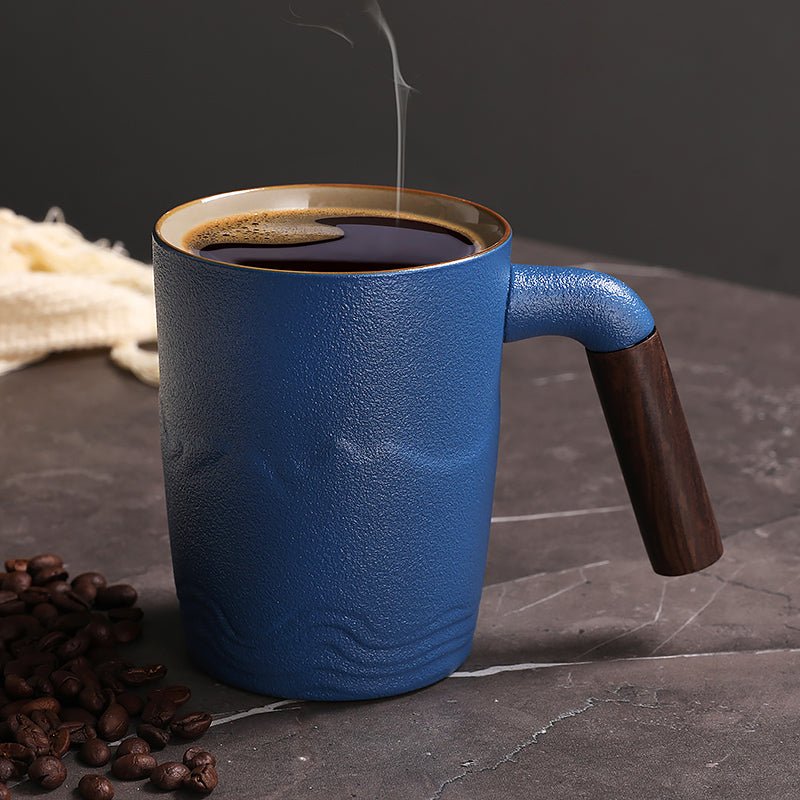
The Perfect Coffee Mug: How to Choose the Right One for Daily Use
A practical buying guide for shoppers comparing the perfect coffee mug for home, office, or gifting. We break down size, shape, material feel, and which styles suit different routines.
En savoir plus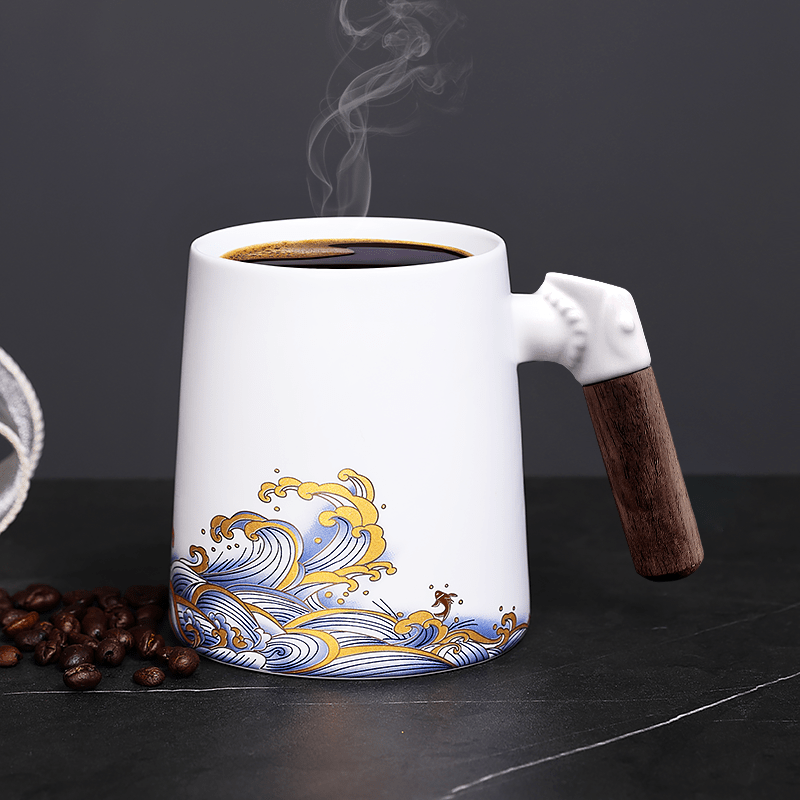
Big White Coffee Mugs for Daily Use: How to Choose the Right One
Big white coffee mugs are easy to love and easy to get wrong. We break down shape, handle comfort, cleaning, and which styles make sense for coffee, tea, and desk use.
En savoir plus
Laisser un commentaire
Ce site est protégé par hCaptcha, et la Politique de confidentialité et les Conditions de service de hCaptcha s’appliquent.