
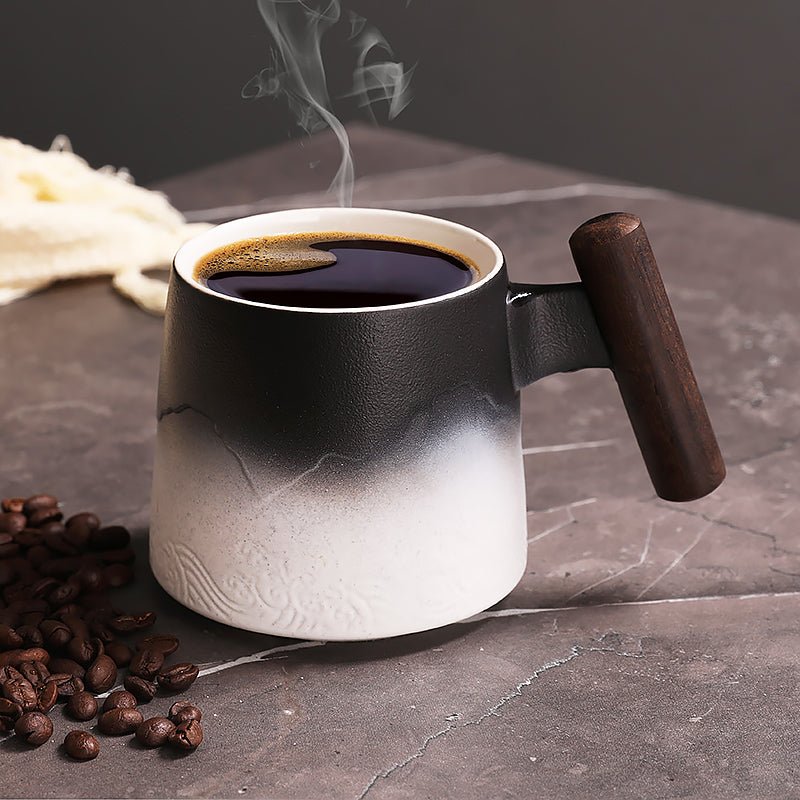
Designer Coffee Mugs: How to Pick Style, Size, and Daily Use
Reading time: about 9 minutes
A mug can look great in a product photo and still feel wrong in your hand at 7 a.m. We see that mismatch all the time: the handle is tight, the rim is too thick, or the mug sits too tall under a brewer that people use every day.
That is why we treat designer coffee mugs as more than decoration. The best ones hold up on kitchen counters, office desks, and in dishwasher cycles without losing the details that made them appealing in the first place. If you are comparing options, start with our full collection and use the points below to narrow what actually fits your routine.
What makes designer coffee mugs different from basic mugs?
The difference is usually in the details you notice after the first few uses, not just the first glance. Designer mugs often get more attention in the shape of the handle, the finish of the glaze, the lip thickness, and the balance of the cup when it is full.
That does not automatically make them better for every buyer. A heavily textured mug can be beautiful on a shelf but less comfortable if you drink while typing at a desk. A thin porcelain mug can feel refined, but it may not keep coffee warm as long as a thicker stoneware mug.
In our experience, shoppers usually fall into one of three groups:
- Gift buyers who want a mug that looks intentional and unboxed well.
- Daily drinkers who care more about grip, heat retention, and cleanup.
- Collectors who want a visual style that stands out without feeling fragile.
If you are shopping for a gift, the visual side matters. If you are buying for yourself, the question is simpler: will this mug feel good on a weekday morning, not just on a styled shelf?
Which materials hold up best for daily use?
The material tells you a lot about how the mug will behave on a counter, in the microwave, and through repeated washing. We usually recommend checking material first, then style second.
| Material | What it usually feels like | Best use case | Trade-off |
|---|---|---|---|
| Ceramic | Balanced weight, smooth drinking edge, common for everyday mugs | Most daily coffee routines and general gifting | Can chip if knocked against a sink or stacked carelessly |
| Stoneware | Heavier in the hand, thicker walls, a more grounded feel | People who want a sturdier mug that stays warm longer | Usually bulkier and less suited to minimalist cabinet space |
| Porcelain | Cleaner, lighter feel with a refined rim | Formal settings, lighter drinkers, and design-led displays | Can feel too delicate if you want a heavy everyday mug |
Care matters as much as the material. A mug may be dishwasher safe, but printed decoration, metallic accents, or special glaze treatments can change that. We always advise buyers to check the care notes rather than assuming every decorative mug belongs in the same wash cycle.
Three details we watch closely when we handle stock are the rim finish, the underside, and the handle attachment. Rough glaze lines, an uneven base, or a handle that pinches toward the cup are all signs that a mug may not age well under real use.
What size should you choose for your coffee routine?
Size is where many shoppers make the wrong call. A mug that looks perfect online can be too small for a drip coffee setup or too large for someone who mostly drinks espresso-based drinks.
If you want a focused buying rule, match the mug size to how you drink, not how the mug looks on a shelf. Our size-focused guides can help with that. For a compact daily cup, see 8 Ounce Coffee Mugs: What Buyers Should Check Before Ordering. For a standard everyday cup, read 12 oz Coffee Mugs: What to Check Before You Buy. If you like a larger pour, compare it with 16 oz Coffee Mugs: What to Check Before You Buy and 20 Ounce Coffee Mugs: What Buyers Should Check Before Ordering.
- 8 oz: better for smaller servings, espresso drinks, and people who dislike a mug that feels oversized.
- 12 oz: a common middle ground for drip coffee and tea.
- 16 oz: useful if you top off with milk or want a longer drinking session.
- 20 oz: best for people who want a larger mug, but it can feel heavy and take up more cabinet space.
We would not recommend a large designer mug for someone who only drinks a short coffee and wants the drink hot from first sip to last. Bigger mugs hold more, but they also give heat more room to dissipate. That trade-off matters on a desk or in a meeting room.
How do you tell if the design is practical, not just attractive?
Good design should solve a use problem. Bad design only looks interesting in a listing photo.
When we inspect mugs in the store, we look at four things that buyers often overlook:
- Handle clearance: there should be enough room for average fingers without scraping the cup body.
- Base stability: the mug should sit flat on a table, especially if it is wider or taller than average.
- Rim comfort: the drinking edge should feel smooth and even, not sharp or overly thick.
- Finish durability: the glaze or print should still look good after repeated washing and handling.
Small defects show up fast in real use. A pinhole in the glaze may not matter on day one, but repeated dishwasher cycles can make the finish look tired sooner than expected. A handle that is too narrow may not show up in the product image, but it becomes obvious the first time you lift a full mug.
We treat the best designer coffee mugs as everyday tools first and display pieces second. If a mug only works when it stays untouched, it is probably the wrong mug for most buyers.
If you want a broad look at what is available, browse our products. For shoppers who want more playful options rather than a polished designer look, our Adorable Coffee Mugs: What to Look for Before You Buy guide is a better match.
Are designer coffee mugs good gifts?
Yes, but only if you match the mug to the person. A gift mug should feel specific, not random. The best gift buys usually reflect how the recipient drinks coffee, where they keep the mug, and whether they prefer something minimal or visually distinctive.
Designer mugs are strong gift choices for desks, host gifts, housewarmings, and small thank-you presents. They are less useful if the recipient travels often, drinks everything from reusable cups, or prefers a matching dinnerware set instead of single statement pieces.
As a gift, the main risk is choosing something too stylized. A hand-thrown look, for example, can be appealing, but it may not suit someone who wants clean lines and a lighter cup. The reverse is also true: a sleek porcelain mug can feel too formal for someone who likes a heavy, earthy stoneware feel.
If you are buying for gifting, ask three practical questions before you check out:
- Will this mug fit in their cabinet or office shelf?
- Do they usually drink small or large servings?
- Will they want something dishwasher safe for easy cleanup?
What should you expect from care and cleanup?
Care is where a lot of decorative mugs separate from truly everyday mugs. A mug can still be high quality and require a little more caution, especially if it has specialty printing, metallic trim, or a textured exterior that holds onto residue.
For most shoppers, the safest approach is simple: wash according to the listing, avoid harsh abrasion on the printed side, and do not assume every decorative accent is microwave safe. If a mug is hand wash only, that is not a flaw by itself. It just means it is not the best choice for someone who wants the fastest possible cleanup.
We also suggest checking for stacking behavior. Some designer mugs have wide handles or raised bases that make stacking awkward. That is a small detail until your cabinet gets crowded.
Designer mugs are not the best match for buyers who want:
- Travel portability.
- Unbreakable construction.
- One mug that can take rough treatment at a busy office sink.
If that is your situation, a simpler everyday cup may be the better buy than a more design-forward mug.
How do our shoppers usually narrow the right option?
We usually see shoppers make the best decision once they compare style against use case instead of comparing only photos. That is why our team recommends starting with size, then material, then finish.
- Choose size first if you know how much coffee you actually drink.
- Choose material second if you care about weight, heat retention, or a refined feel.
- Choose finish last if the mug is a gift or a visible desk piece.
If you want a larger drinking capacity, you may also want to read our A buyer's guide to large capacity coffee mugs before choosing a bigger designer mug. That helps avoid the common mistake of buying size for appearance and regretting the weight later.
For our store, the best designer coffee mugs are the ones that can move from unboxing to everyday use without needing special treatment. They should feel good in the hand, clean up without drama, and still look worth keeping after repeated use.
Frequently asked questions
Are designer coffee mugs dishwasher safe?
Some are, and some are not. Dishwasher safety depends on the glaze, print method, and any decorative accents, so we always recommend checking the care notes for the specific mug. If you want the lowest-maintenance option, pick a mug that is clearly labeled for dishwasher use and does not rely on delicate surface decoration.
What size designer coffee mug is best for everyday use?
For most people, 12 oz is the safest starting point because it fits a typical daily cup without feeling oversized. If you add milk or prefer a larger pour, 16 oz can make more sense. If you drink a smaller serving and care about keeping the coffee hot, a smaller mug is usually the better fit.
Is ceramic or stoneware better for designer mugs?
Ceramic is a strong all-around choice because it usually balances weight, feel, and cleanup well. Stoneware is better if you want a heavier mug with a sturdier feel and a more grounded look. If you prefer a lighter, more refined cup, porcelain may be the better option.
Do designer coffee mugs make good gifts?
Yes, if you match the mug to the recipient's habits. A good gift mug should fit their cabinet space, the way they drink coffee, and how much cleanup they want to do. If you are unsure, a balanced 12 oz or 16 oz mug is usually safer than an oversized statement piece.
What should I check before buying a designer mug online?
Check the size, material, handle shape, care instructions, and whether the finish looks easy to maintain. We also look at photos of the base and rim, because those are the places where quality issues show up fastest. If the listing does not explain those details, it is worth pausing before you buy.
If you are ready to compare styles, start with the full collection, then cross-check the size guides above before you choose a mug that will actually work on your counter, desk, or gift shelf.
More from our blog
Read more
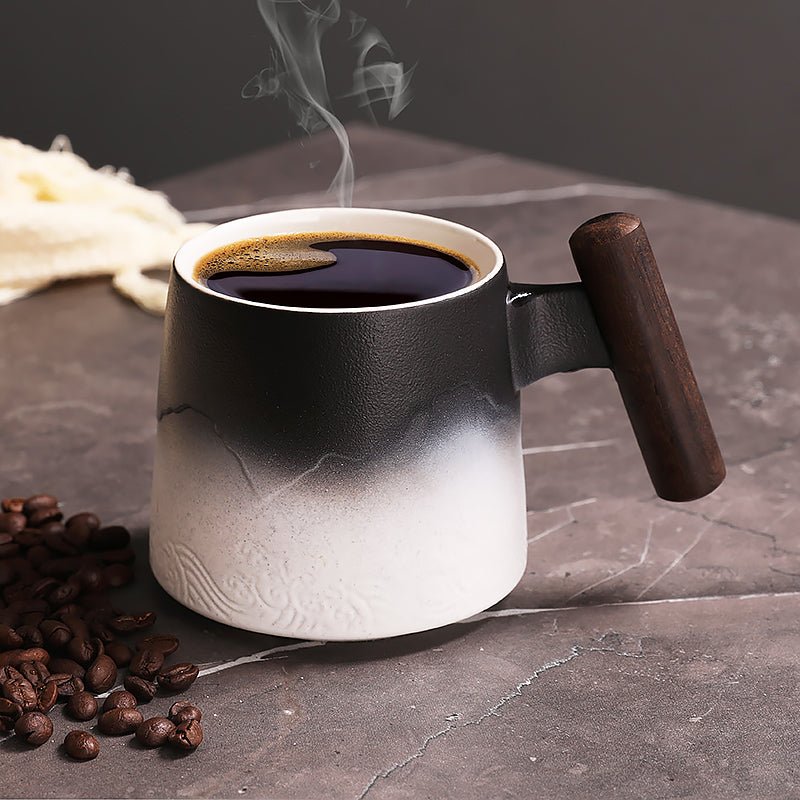
Red Coffee Mugs: Size, Material, and Finish Guide for Buyers
Red coffee mugs work best when the color fits the mug's job: daily coffee, office desks, or gifting. This guide breaks down size, material, finish, and care trade-offs so you can pick one that hold...
En savoir plus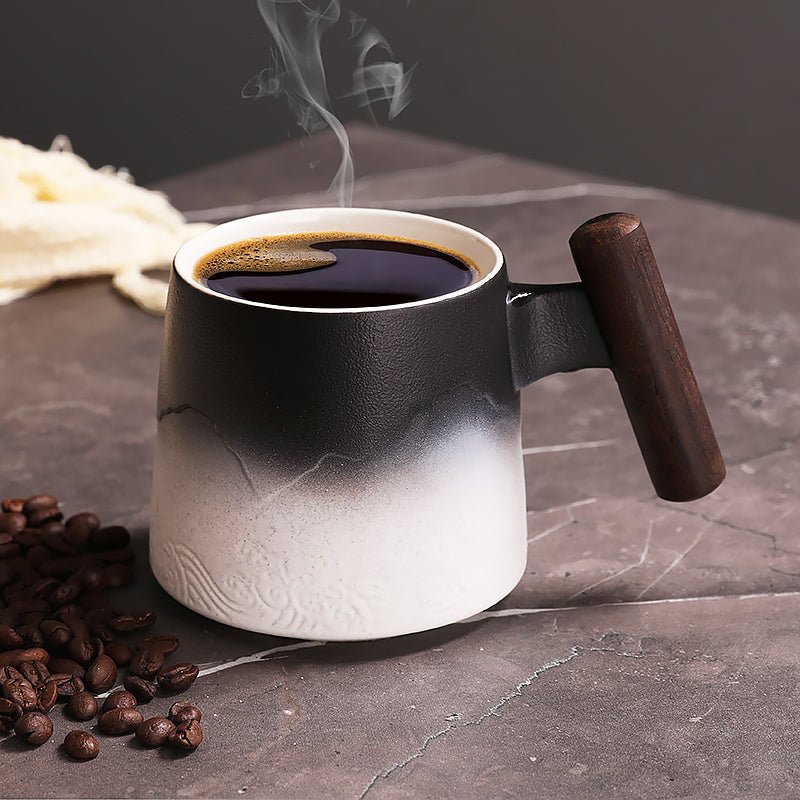
Friends Coffee Mug: What to Check Before You Buy
A practical buyers guide for choosing a friends coffee mug with the right size, finish, and everyday feel. We cover the trade-offs that matter before you order.
En savoir plus
Laisser un commentaire
Ce site est protégé par hCaptcha, et la Politique de confidentialité et les Conditions de service de hCaptcha s’appliquent.