
Crap Coffee Mug: How to Spot a Bad One Before You Buy
Reading time: about 7 minutes
A crap coffee mug usually fails in small, specific ways: the rim feels uneven, the handle is too tight for two fingers, or the mug rocks slightly on a flat counter. We see those complaints in real gift orders, office break rooms, and kitchen swaps, which is why we care about the details before we recommend a mug.
If you are buying for daily use, the goal is not a fancy cup. It is a mug that feels steady at 7 a.m., survives a dishwasher routine if the care notes allow it, and does not become the one everyone avoids at the office.
What actually makes a coffee mug feel cheap or annoying?
A mug can look fine in product photos and still be frustrating in hand. The usual problems are tactile, not visual. A rough lip makes sipping feel awkward. A handle with a narrow finger gap pinches. A base that is not flat wobbles on a counter or desk. Glaze pinholes, streaks, and uneven thickness can also make a mug feel less finished.
That is why we tell buyers to think about use, not just style. A decorative mug can be a good gift. It is not always the best pick for a desk where the mug gets picked up ten times a day. A plain mug may be less exciting, but it is often easier to stack, wash, and live with.
A good mug should disappear into the routine. If you keep noticing the rim, handle, or base, the design is getting in the way.
- Rim: should feel smooth and even against the lip.
- Handle: should fit your fingers without forcing your grip.
- Base: should sit flat and not wobble on a counter.
- Finish: should look consistent enough that small defects do not catch your eye every morning.
Which size is easiest to live with?
Size matters more than most shoppers expect. A mug that is too small cools fast if you sip slowly. A mug that is too large can feel bulky, especially on a crowded desk or a kitchen shelf that already holds too much.
If you are comparing capacity, our 11 oz Coffee Mug: What Buyers Should Check Before They Buy and 12 oz Coffee Mug Buying Guide for Fit, Comfort, and Daily Use pieces are the quickest way to sanity-check what feels normal for daily coffee. For buyers who want a tighter cup with less extra volume, our 10 oz Coffee Mug: What Fits, What Doesn’t, and What to Buy guide is also useful.
Here is the simple version from our store side:
- Choose a smaller mug if you want a lighter feel, faster finish, or less slosh while carrying it from the kitchen.
- Choose a larger mug if you add milk, want room for tea, or prefer one pour that lasts through a meeting.
- Choose a mug with a comfortable handle over a bigger number if you care more about grip than absolute capacity.
That last point matters more than people think. A well-shaped 11 oz mug can be easier to use than a clumsy 12 oz mug.
Which mugs in our store make better picks than a generic bargain mug?
Not every buyer wants the same thing. Some people want a seasonal gift. Some want a more polished desk mug. Some want a piece that feels a little more intentional than a basic supermarket cup.
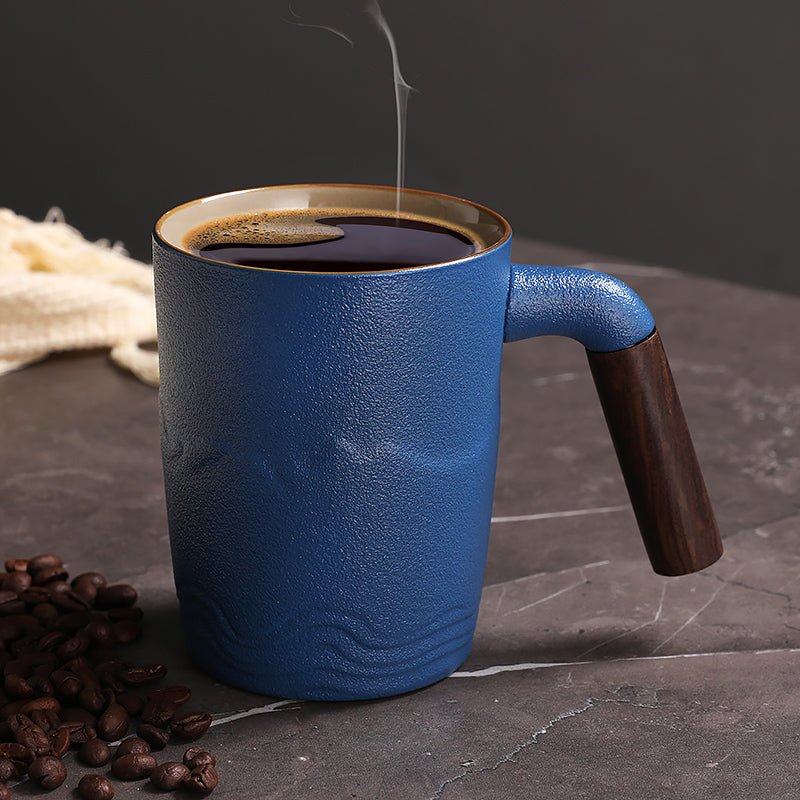
If that is the brief, start with our Christmas Coffee Tea Mug for holiday gifting, the Green Waves Coffee Tea Mug for a calmer everyday look, or the Mountain Sea II Coffee Tea Mug with Wooden Handle if you want a more tactile feel in hand.
We carry pieces like these because a mug is often bought for a specific moment: a work desk upgrade, a small gift, or a replacement for the one that chipped at the rim. The design should match the use case.
- The Christmas mug is the strongest choice when the buyer cares more about presentation than year-round neutrality.
- The Green Waves mug suits buyers who want something visual but not loud.
- The wooden-handle mug is the one to review carefully if the buyer prefers easy cleanup over mixed materials.
That last mug is worth a closer look if you like a more distinctive profile, but it is not the first pick for someone who wants every cup to go through repeated dishwasher cycles without thinking about it. Mixed-material mugs generally ask for a bit more care than a plain all-ceramic cup.
What should you check before you add one to cart?
In our experience, the fastest way to avoid a crap coffee mug is to check the boring details first. Product photos tell you the style. The fine print tells you how the mug will live in a real kitchen.
Before you buy, compare these points:
| What to check | Why it matters | What can go wrong |
|---|---|---|
| Rim finish | It affects the first sip every time you use the mug. | A rough or uneven rim feels cheap fast. |
| Handle clearance | It decides whether two fingers fit comfortably. | A tight handle pinches or forces an awkward grip. |
| Base stability | It matters on a desk, tray, or crowded counter. | A mug that rocks is annoying and easy to knock over. |
| Care instructions | They determine whether you can use it casually or need to baby it. | Some decorative or mixed-material mugs need gentler cleaning. |
If you want a broad comparison across styles, our all mugs collection is the easiest place to line up options without chasing separate product pages. That is especially useful if you are buying for a household, an office shelf, or a gift where the final choice depends on the person who will use it most.
For shoppers comparing fit first, not just design, the collection works best alongside our size-focused guides. That is how you avoid buying a mug that looks nice but feels wrong in the hand.
How do you keep a good mug from turning into a crap coffee mug after a few washes?
A lot of mugs do not fail on day one. They get worse because the owner uses them in a way the mug was never meant to handle. That is especially true for decorative pieces and anything with a wooden handle.
We suggest a simple routine:
- Wash the mug according to the care notes instead of assuming every mug belongs in the same cycle.
- Do not leave coffee or tea sitting in the mug for days if you want to keep the interior cleaner.
- Dry mixed-material mugs promptly, especially around wood or other handled accents.
- Store the mug where it will not chip against heavier pieces in a crowded cabinet.
- Check for small cracks or glaze damage before the mug becomes a daily habit.
That may sound basic, but it is exactly where many bad experiences start. A mug with a decorative finish or a wood component is not the best choice for someone who wants the easiest possible cleanup. If you want zero-fuss maintenance, plain mugs are usually the safer route.
For buyers still deciding between compact and standard cup sizes, the difference is worth checking before you order. A smaller mug can be easier to rinse and store. A larger mug may suit long office sessions better, but it also takes up more space at the sink and in the cabinet.
Frequently asked questions
What should I look for if I want to avoid a crap coffee mug?
Check the rim, handle, and base before you buy. If the rim feels smooth, the handle fits your fingers, and the mug sits flat, you are already ahead of most bargain options. Then read the care notes so you know whether it can handle your usual wash routine.
Is a wooden-handle mug practical for everyday use?
It can be, but only if you are comfortable giving it a little more care than a plain mug. A wooden handle adds character and grip appeal, but it is not the best fit for buyers who want to treat every mug the same way in the dishwasher and cabinet.
Which mug size works best for office coffee?
For most desk use, 11 oz or 12 oz is the most forgiving starting point. Those sizes leave enough room for a standard pour and any milk or sugar you add, while still being easy to hold and store near a keyboard.
Are decorative mugs a bad buy?
Not automatically. They are a good buy when the person cares about presentation, gifting, or shelf appeal. They are a weaker buy if the main goal is easy cleanup, stackability, or rough everyday use.
What is the biggest sign a mug will feel cheap in person?
The quickest giveaway is usually in the hand, not the photo. A tight handle, a rough lip, or a base that does not sit cleanly on the counter will make a mug feel cheaper than its design suggests.
If you want to compare options quickly, start with the all mugs collection, then open one practical size guide and one style pick. That gives you a better shortlist than buying the first mug that looks decent on screen.
Read more
Tall Coffee Mugs: Size, Shape, and What to Check
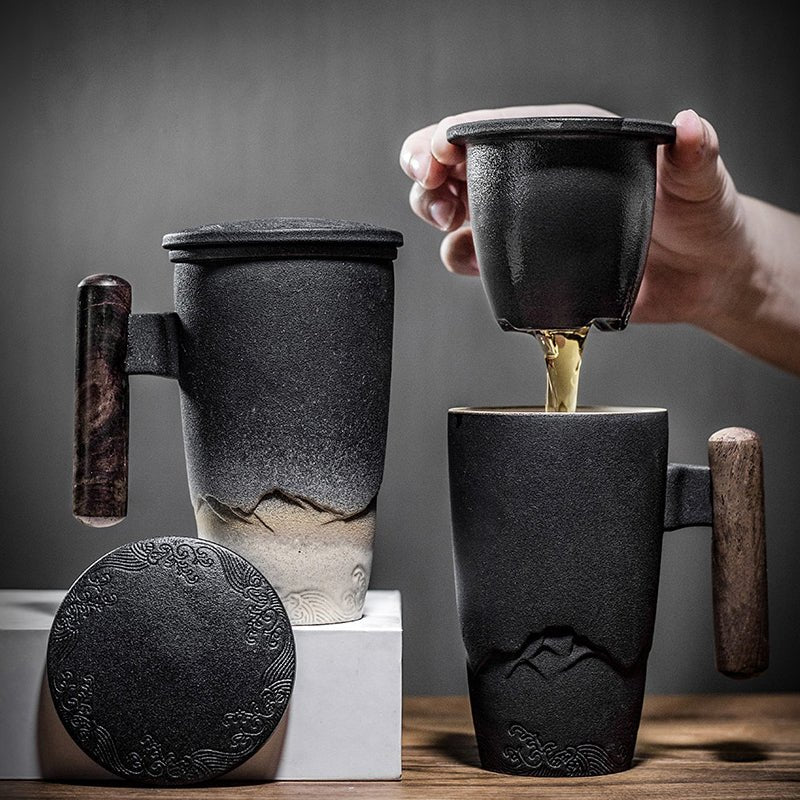
Tall mugs make sense when you want a longer pour without moving to a bowl-shaped cup. This guide shows how we compare height, handle room, and cabinet fit before choosing a style.
En savoir plus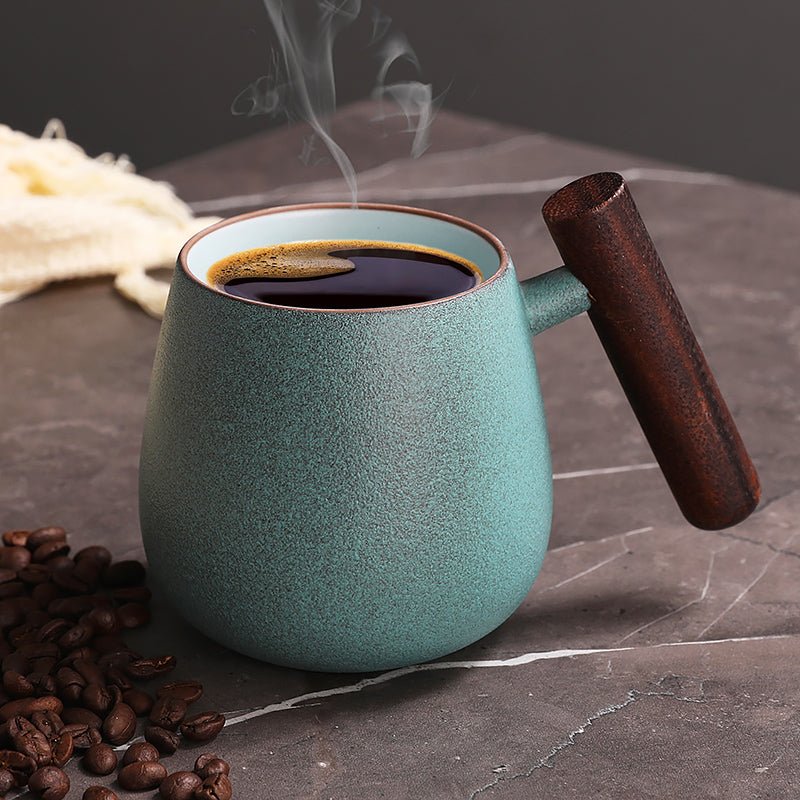
Best Coffee Mugs for Home: How to Choose the Right One
A practical guide to the best coffee mugs for home, based on shape, comfort, size, and daily cleanup. We compare the styles people actually keep reaching for, plus which options fit different routi...
En savoir plus
Laisser un commentaire
Ce site est protégé par hCaptcha, et la Politique de confidentialité et les Conditions de service de hCaptcha s’appliquent.