
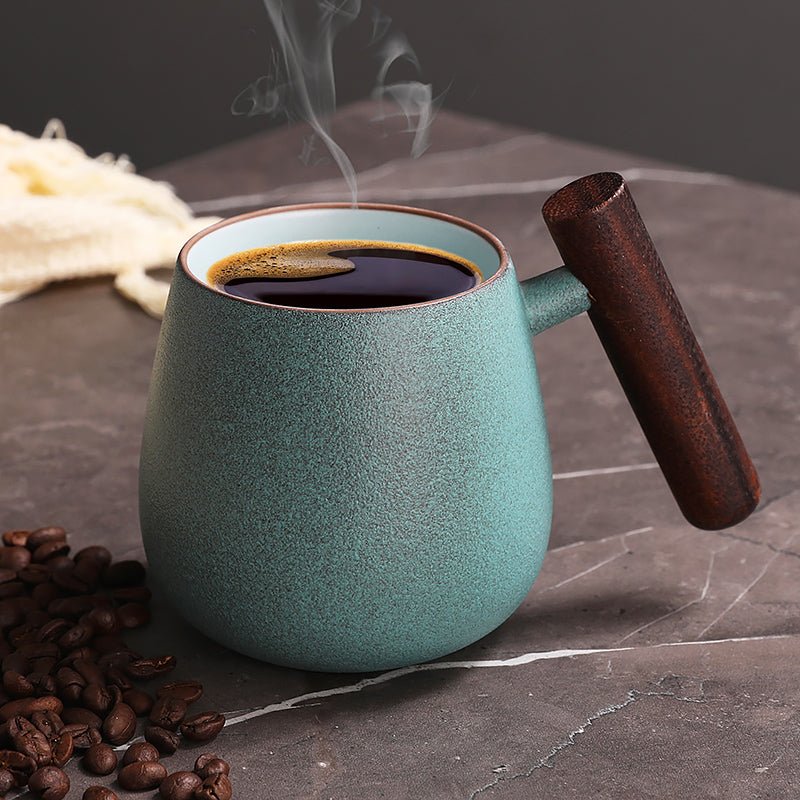
Coffee Travel Mug Buying Guide: What to Check Before You Buy
Reading time: about 10 minutes
A coffee travel mug gets judged fast. It sits on a kitchen counter for five seconds, rides in a cup holder for forty minutes, and either stays sealed in a laptop bag or makes a mess. We see buyers make the same mistake over and over: they focus on looks first and only think about lid design, size, and cleaning after the mug arrives.
At CoffeifyMug, we handle this category for a living, and the best choice is usually the one that matches how you actually drink coffee. A mug for a short school run is not the same as one for a two-hour commute or an office desk that gets knocked around. If you want a broad starting point, our coffee travel mug collection is the easiest place to compare styles side by side.
What should a coffee travel mug do well?
The right mug should do three things without making your morning harder: keep heat in, prevent leaks, and clean up easily. Everything else is secondary. A good coffee travel mug also needs to feel right in the hand, fit a cup holder if you drive, and open in a way that suits how you drink.
We tell shoppers to think about the first 15 minutes after filling the mug and the last 15 minutes before washing it. That is where most weak designs show problems. A lid that drips on the first sip, a body that sweats, or a narrow interior that traps coffee smell will be annoying long before any style detail matters.
For a deeper comparison of what separates a strong buy from a regrettable one, our article on Best Coffee Travel Mug: What Shoppers Should Check Before Buying goes into the practical checks we use in our store.
Which lid style works best for your routine?
The lid is usually the make-or-break part of a coffee travel mug. Two mugs can look identical and perform very differently just because of the lid mechanism. We recommend choosing based on where you drink, not just how the lid looks in a product photo.
| Lid style | Best for | Trade-off |
|---|---|---|
| Flip-top | Quick sips in the car or between meetings | Can collect residue around the hinge if not cleaned well |
| Slider lid | Desk use and controlled sipping | Usually has more moving parts than a simple press-fit lid |
| Twist-seal lid | Bag carry and longer trips | Slower to open when you want a quick drink |
| Open-top with cover | Home use or low-movement settings | Not ideal for commuting or tossing into a bag |
In our experience, commuters tend to prefer a flip-top or twist-seal lid because they want less drama at stoplights and in parking lots. Office buyers often prefer slider lids because they can sip carefully at a desk without fully removing the top. If you need more guidance on leakproof lids and fit, our Travel Coffee Mug Buying Guide: Leakproof Lids, Insulation, and Fit is a useful companion read.
One limitation worth stating plainly: no lid is perfect forever. Silicone seals can wear, moving parts can get sticky if coffee dries on them, and some lids are easy to use but harder to deep-clean. If you hate taking lids apart, choose a simpler build.
How much insulation do you actually need?
Not every coffee travel mug needs the same level of heat retention. Double-wall stainless steel is the most common choice because it balances durability and temperature control well. It also holds up better in bags and on desks than single-wall metal, which transfers heat quickly and can feel too hot to hold.
Here is the practical way we help shoppers think about insulation:
- Short commute, quick finish: Basic insulation is usually enough if you drink your coffee within the first hour.
- Long commute or slow sipper: Better insulation matters because coffee can become lukewarm before you finish.
- Hot drinks all morning: Look for a well-sealed lid plus a stainless steel body, not just a pretty exterior.
- Iced coffee: Good insulation helps keep the cup from sweating on desks and car consoles.
One common mistake is assuming thicker walls always mean better performance. That is not always true. The seal at the lid often matters more than the amount of metal around the cup. A poorly sealed lid can undo the benefit of strong insulation.
If you are comparing more general options, the article Best Travel Coffee Mug: What to Check Before You Buy covers the same topic from a broader shopper angle.
What size coffee travel mug should you buy?
Size affects more than capacity. It changes weight, cup-holder fit, and how comfortable the mug feels in a bag or at a desk. We usually see shoppers choose a size that is larger than their actual routine requires, then complain that it is bulky.
These are the most common size trade-offs:
- Smaller mugs: Easier to carry, easier to store, and less likely to feel awkward in small hands.
- Mid-size mugs: The most versatile choice for everyday coffee drinkers.
- Larger mugs: Better if you want fewer refills, but they can be heavier and less convenient in tighter cup holders.
We also pay attention to the mug shape itself. A narrow base helps in cars, while a wider body can feel more stable on a desk. Handles are useful for some buyers, but they can make a mug harder to pack in a work bag. If that sounds like your situation, our guide on Travel Coffee Mug with Handle: What Buyers Should Check Before Buying explains where handles help and where they get in the way.
For gifting, size matters even more. A mug that looks impressive in a gift box can still be annoying to carry every day if it is oversized. We see this often with Father’s Day orders, which is why our Coffee Mug vs Travel Mug for Dad: Father’s Day Buying Guide is one of the more practical reads on the blog.
What materials and finishes hold up best?
For a daily-use coffee travel mug, stainless steel is the safest all-around material choice. It is durable, resists staining better than many plastics, and handles repeated use without feeling fragile. Many buyers also prefer a powder-coated exterior because it adds grip and tends to hide fingerprints better than a glossy finish.
That said, material choice has trade-offs:
- Stainless steel: Durable and practical, but it can dent if dropped hard.
- Plastic: Lighter and often less expensive, but more likely to hold odors and show wear sooner.
- Ceramic-lined interiors: Can help with taste for some coffee drinkers, though they may need gentler handling.
We always tell customers to look at the inside as much as the outside. A smooth interior is easier to rinse and less likely to trap old coffee residue. If you can remove the lid seals for cleaning, that is a real advantage. If the lid has tiny channels or a complex spring mechanism, expect more time at the sink.
Dishwasher instructions matter too. Some mugs and lids are top-rack safe, while others need hand washing to protect seals or finishes. If you plan to use a dishwasher often, choose a model that is built for that routine rather than hoping a delicate lid survives repeated cycles.
What problems should you watch for before buying?
We have seen a few repeat failure points in this category. They are worth checking before you buy, especially if you want the mug to survive daily use instead of occasional weekends.
- Leaks at the lid seam. This is the biggest complaint we hear. A mug may look sealed until it tips in a bag.
- Drips from the sip opening. Some lids seal fine in transit but leave a trail on the way to your mouth.
- Heat loss through a weak lid. Even a solid body cannot make up for a poor top.
- Odor retention. Lower-quality plastics and hard-to-clean lids can hold onto stale coffee smell.
- Poor cup-holder fit. A wide base can be fine at home and annoying in the car.
Our advice is simple: check the lid first, then the body, then the finish. A pretty mug that leaks is not a good buy. A plain mug that cleans easily and rides well in a cup holder usually ends up being the one people use every day.
How do you clean a coffee travel mug without ruining it?
Cleaning is where many shoppers discover the difference between a decent mug and a well-designed one. A straightforward routine keeps the mug tasting fresh and helps the seals last longer.
We recommend this practical cleaning routine:
- Rinse the mug soon after finishing coffee instead of letting residue dry overnight.
- Remove any detachable lid parts and wash them separately.
- Use warm water, mild dish soap, and a soft brush for the interior.
- Check the gasket or silicone seal for trapped grounds or sticky buildup.
- Let all parts dry fully before reassembling.
If a lid has small vents or narrow channels, be ready to clean it more carefully. That is not a reason to avoid the design entirely, but it is a reason to choose it only if you are okay with the maintenance. A low-maintenance mug is often the better everyday buy for busy mornings.
Which coffee travel mug is the better fit for your day?
There is no single best coffee travel mug for everyone. A driver, a desk worker, and a gift buyer all care about different details. We help shoppers narrow it down by asking one question: where will this mug live most of the time?
If it lives in a car, prioritize cup-holder fit and a secure lid. If it lives on a desk, prioritize easy sipping and a base that feels stable. If it lives in a gym bag or tote, prioritize leak resistance and a twist-seal or similarly secure closure. If it is a gift, choose a simple, durable design that does not require a long explanation to use.
For shoppers still comparing styles, our Contigo Coffee Travel Mug: What Buyers Should Check Before They Buy and Stanley Travel Coffee Mug Buying Guide for Everyday Shoppers posts are helpful if you are weighing familiar travel mug formats against everyday needs.
Our rule in the store is simple: the best mug is the one you will use every weekday without thinking about it.
Frequently asked questions
What is the best coffee travel mug for commuting?
The best commuting mug usually has a leak-resistant lid, a body that fits standard cup holders, and a size you can open with one hand. Stainless steel with a secure flip-top or twist-seal lid is a strong everyday choice. If you carry it in a bag, prioritize the lid seal over everything else.
Are coffee travel mugs dishwasher safe?
Some are, but not all. Many stainless steel bodies can handle hand washing better than repeated dishwasher cycles, and some lids need top-rack only or full hand washing to protect seals. We always suggest checking the care instructions for the exact mug and lid style before assuming it is dishwasher safe.
Why does my travel mug make coffee taste stale?
That usually comes from residue trapped in the lid, the gasket, or the interior after repeated use. Plastic components can hold odors more easily than stainless steel. A full wash of the lid parts and a thorough dry often makes a noticeable difference.
Should I buy a mug with a handle or without one?
A handle is useful if you drink mostly at home, at a desk, or if you have larger hands and want an easier grip. It is less convenient if you need the mug to fit in a car cup holder or slide into a bag. If portability matters most, handle-free is usually the better choice.
How do I know if a coffee travel mug will leak?
Look for a lid with a secure seal, a gasket that sits evenly, and a closure style that matches how you carry the mug. The safest bet is a design meant for travel rather than a simple insulated cup with a loose cover. If the mug will be tossed into a bag, choose the most secure closure available, not just the one that is easiest to sip from.
If you are ready to compare options, start with the details that matter most to your routine: lid type, size, insulation, and cleaning. Then open our coffee travel mug products page and match those checks against the mugs that fit your day. A quick comparison now saves a lot of frustration later.
Read more
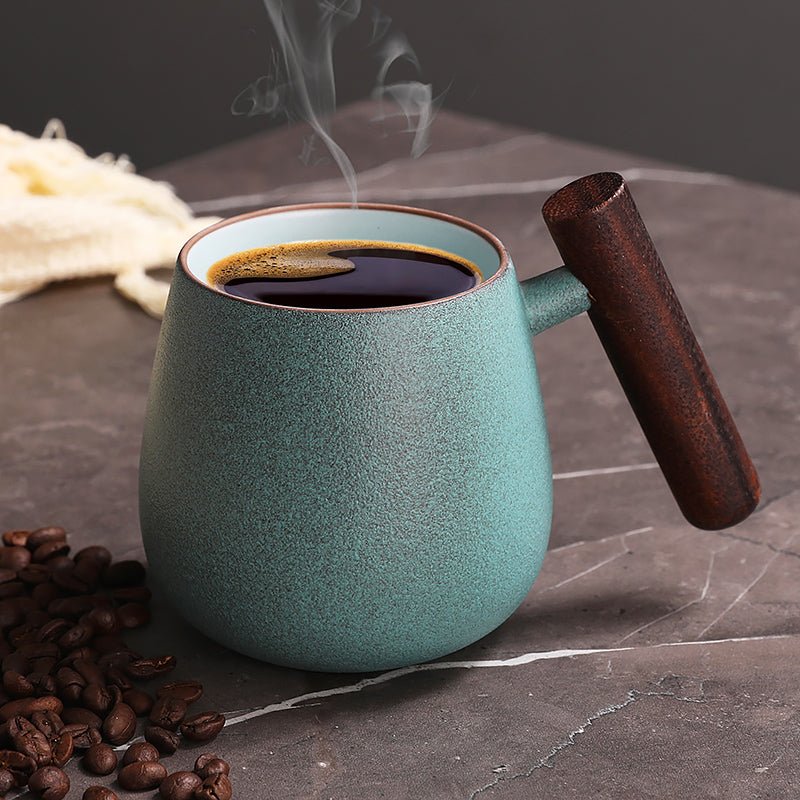
Stanley Travel Coffee Mug Buying Guide for Everyday Shoppers
A practical guide to choosing a Stanley travel coffee mug for commutes, desks, and gift purchases. We break down the features that matter, the trade-offs to watch, and what to check before you buy.
En savoir plus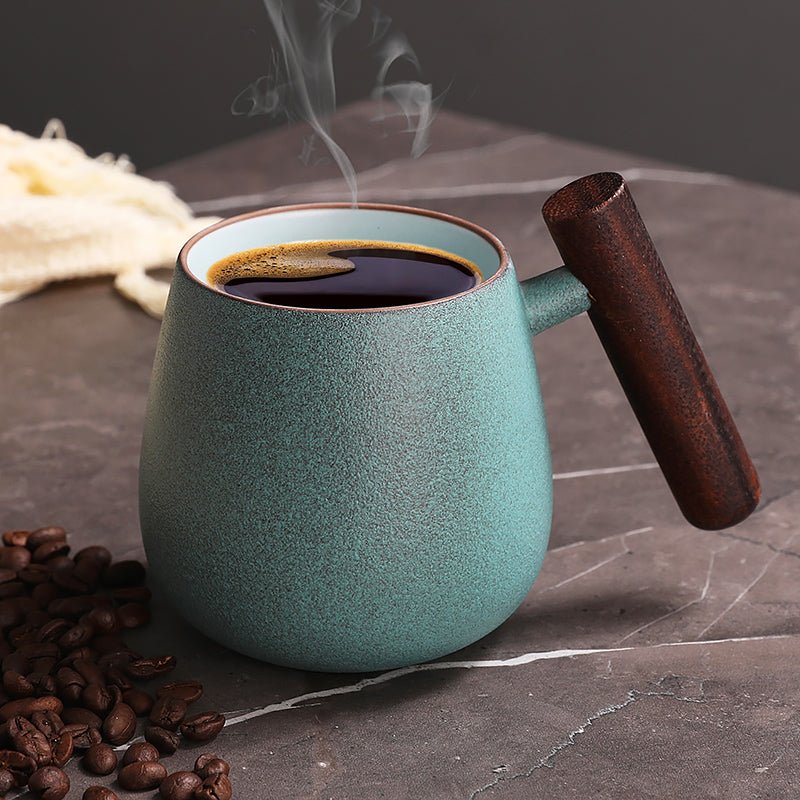
Coffee Mug Travel Guide: What to Check Before You Buy
A coffee mug travel pick fails fastest at the lid, the seal, or the size. We break down the features that matter in real commutes, office use, and gift buys so you can compare options with fewer su...
En savoir plus
Laisser un commentaire
Ce site est protégé par hCaptcha, et la Politique de confidentialité et les Conditions de service de hCaptcha s’appliquent.