Coffee Mugs Travel: What to Buy for Commutes, Office Days, and Trips
Reading time: about 10 minutes
The first complaint we hear about coffee mugs travel is not about style. It is about the lid leaking onto a laptop bag, the mug feeling too bulky in a car cup holder, or the coffee turning lukewarm before the commute ends. We handle these choices every day in our store, and the best option usually depends on how you actually drink your coffee: at a desk, in a car, on a train, or halfway through a weekend trip.
If you are comparing options right now, our advice is simple: start with your routine, then match the mug to it. For a broader look at the main buying factors, our guide to Coffee Travel Mugs: How to Choose the Right One for Daily Use walks through the basics. If you already know you want a more focused shortlist, you can also browse our full collection or check our current product selection.
What should coffee mugs travel do better than a regular mug?
A travel mug should solve three problems a kitchen mug cannot: spill control, heat retention, and portability. A standard ceramic mug is fine for a kitchen counter or office break room, but it is a poor choice once you start carrying coffee through doors, elevators, stairs, or a moving car. The right travel mug should close securely, fit your hand and bag, and keep the coffee at a drinkable temperature long enough to matter.
In practice, that means looking at the lid first, not the color. A good travel lid should seat firmly, open cleanly with one hand if needed, and resist drips around the sip opening. The body should also suit your routine. Stainless steel is better for insulation and durability. Ceramic feels closer to a café cup and avoids a metallic taste, but it is usually heavier and less forgiving if dropped.
We see buyers make the same mistake often: choosing a mug for the photo and then realizing it is awkward in a car cup holder, too tall for a coffee machine, or too wide for a backpack sleeve. That is why we recommend measuring the space where the mug will actually live, not just the counter where it will be unboxed.
Which material works best for coffee mugs travel?
The material changes everything. It affects weight, taste, durability, and how much coffee you will still want to drink an hour later. Here is the practical breakdown we use when helping shoppers compare options.
| Material | Best for | Main trade-off |
|---|---|---|
| Stainless steel | Commutes, road trips, long office days | Can feel heavier and may need hand washing for best lid life |
| Ceramic | Desk use, home use, coffee drinkers who prefer a cup-like feel | Usually less forgiving in bags and not ideal for rough travel |
| Plastic or mixed materials | Light carry and budget-minded shoppers | Can show wear faster and may hold odors if not cleaned well |
Stainless steel is the workhorse. Double-wall insulated construction is the standard to look for if you want coffee to stay hot longer. It is also the most practical for people who toss a mug into a work bag or set it in a car console. The downside is real: some steel mugs feel a little more utilitarian, and lower-quality lids can wear out before the cup body does.
Ceramic travel mugs suit people who mostly drink at a desk or around the home. They feel familiar, and many buyers prefer the taste because there is no metal wall between them and the coffee. The trade-off is fragility. A ceramic mug is not the first choice for a packed commuter bag or a crowded train.
If ceramic is on your list, our article on Ceramic Travel Coffee Mugs: What Buyers Should Check Before Ordering covers the details worth checking before you place an order.
How do lid styles change the daily experience?
The lid is where many coffee mugs travel either earn loyalty or get retired quickly. A cup can look premium and still disappoint if the lid splashes, sticks, or is annoying to clean. We look for three things: a secure seal, a comfortable sip opening, and a lid design that does not trap old coffee in hard-to-reach corners.
Common lid types include:
- Push-on lids for simple, lightweight use. They are easy to open but usually not the best choice for rough commutes.
- Threaded or twist lids for a more secure close. These are better for bags and vehicle use, though they can take longer to open.
- Slide or flip lids for one-handed drinking. Convenient, but the moving parts need regular cleaning.
There is always a trade-off. The most secure lid is not always the easiest to drink from while driving. The easiest lid to sip from is not always the best one for tossing into a tote. That is why we tell shoppers to think in terms of risk: if the mug is staying on a desk, convenience can win. If it is going into a bag, security should win.
For shoppers comparing more styles for daily carry, our guide to Best Travel Coffee Mugs for Commutes, Office Days, and Trips is a useful next read.
What size is practical for commuting, office use, or short trips?
Size matters more than many shoppers expect. A mug that looks perfect online may feel oversized in a hand, not fit under a coffee machine, or sit too high for a car cup holder. In our experience, the most useful capacity is the one you will actually refill and carry easily.
Think about your use case like this:
- Desk use: A medium mug is usually enough if you sip slowly and can refill.
- Commutes: A compact shape often works better than a large capacity because it fits cup holders and bags more cleanly.
- Weekend trips: A larger volume can be helpful, but only if the mug still packs without wasting space.
Height and diameter matter alongside capacity. A tall, narrow mug may hold a decent amount but still wobble in a shallow cup holder. A short, wide mug may feel stable on a desk but take up too much room in a backpack sleeve. We always suggest checking the mug dimensions against your car, bag, or office setup before ordering.
That same habit helps avoid disappointment with gifts. If you are buying for someone else, the safest choice is often a mid-size mug with a dependable lid rather than the largest model available.
Which coffee mugs travel are easier to clean and care for?
Cleaning is where a lot of “looks great online” mugs prove whether they belong in your routine. Coffee residue can build up around sip openings, silicone seals, and threaded lids. If the parts are awkward to separate, they tend to stay damp longer, and that is where odors start.
Our practical care checklist looks like this:
- Rinse soon after use so dried coffee does not cling to the lid.
- Disassemble the lid if the design allows it, especially around silicone gaskets and sliding mechanisms.
- Wash thoroughly after milk drinks because leftover dairy residue is harder on lids than black coffee.
- Dry all parts fully before reassembling to reduce trapped moisture and smell.
Some stainless steel mugs are dishwasher safe on the top rack, but many brands still recommend hand washing the lid to protect the seal. Ceramic mugs are usually easier to clean by hand, but they do not share the same travel toughness. If you want a mug that survives daily use, check the care instructions before buying, not after the first coffee stain.
Our experience in the store is that the best mug is rarely the one with the most features. It is the one whose lid you can clean in under a minute without feeling annoyed.
What are the common problems buyers should watch for?
We have seen a few repeat issues across coffee mugs travel, and they are worth checking before you buy. These are not dealbreakers for every shopper, but they do matter if you want the mug to become part of your routine instead of a drawer item.
- Leaky lids: Often caused by a poor fit, worn gasket, or a design that is fine for desk use but not for movement.
- Metallic taste: More common in lower-quality steel interiors or if the mug is not cleaned well.
- Heat loss through the lid: The body may be insulated, but a weak lid can still let coffee cool faster than expected.
- Hard-to-clean grooves: Small seams around sliding lids can trap coffee and create odor over time.
- Car cup holder mismatch: Some mugs are too wide at the base or too tall for the holder shape in compact cars.
That is why we like to compare real use cases, not just specs on a product page. If a mug is mainly for the office, a simpler design may be smarter than one built for rugged travel. If it is going in a bag, the lid and body seal matter more than a café-style drinking experience.
Are travel mugs a good gift, or should you choose something else?
A travel mug can be a very practical gift, but only if it matches how the recipient drinks coffee. For someone who commutes daily or works between office and car, it is useful. For someone who only drinks coffee at home and prefers a classic mug, a travel mug may stay unused.
We usually recommend a travel mug as a gift when the person:
- commutes by car, train, or bus
- keeps coffee on a desk for long stretches
- likes gear that replaces a disposable cup
- has mentioned needing a better lid or less spill risk
If you are buying for a person who values a cup-like drinking feel, ceramic may be the better fit. If they prioritize convenience and durability, stainless steel is usually the safer choice. For shoppers who want a curated starting point, our Best Coffee Mugs Travel: What to Buy for Commutes, Office Days, and Trips guide compares the most practical scenarios side by side.
Frequently asked questions
What size coffee mug is best for travel to work?
For most commuters, a mid-size mug is the easiest to live with. It should fit a car cup holder, slide into a bag without taking over the space, and still hold enough coffee for the ride. If you refill at the office, you do not need to chase the largest capacity.
Are stainless steel travel mugs better than ceramic ones?
Stainless steel is usually better for insulation, durability, and bag carry. Ceramic is better if you want a cup-like drinking feel and mostly use the mug at a desk or at home. If you drop mugs often, steel is the safer choice.
How do I keep a travel coffee mug from leaking?
Check that the lid is fully seated and that any gasket is clean and properly aligned. Avoid overfilling past the recommended fill line, because that can force liquid into the lid area. If a lid starts leaking after regular use, the seal may be worn.
Can I put a travel coffee mug in the dishwasher?
Some mugs and lids are dishwasher safe, but not all. We recommend checking the care instructions for the specific mug, especially for lids with seals, sliders, or printed finishes. Hand washing the lid is often the safer choice if you want it to last.
What is the best coffee mug for a backpack or office bag?
Choose a mug with a secure lid, a compact body, and a shape that will not snag in the bag. Stainless steel is usually the most practical because it handles daily carry better than ceramic. A simple lid is often easier to trust than a complex one.
If you want to compare options the way we do in the store, start with your commute, then check the lid, the dimensions, and the cleaning instructions. After that, browse our collection or the current products to find a mug that actually fits your day, not just your cart.
More from our blog
Read more
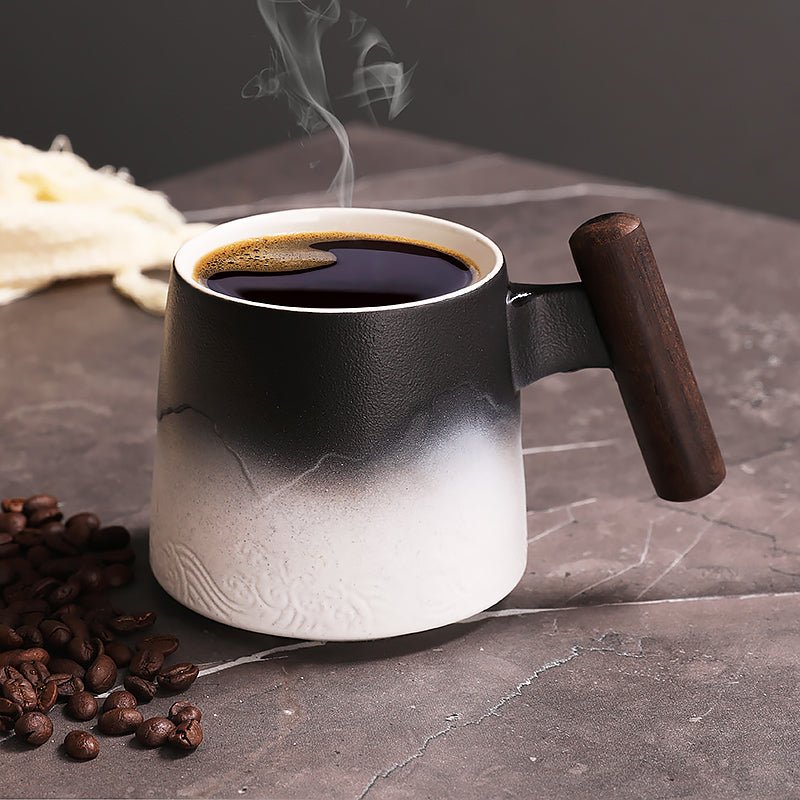
Coffee Mug Cake: What It Is, How It Works, and What to Use
A practical guide to coffee mug cake, including the mug size, materials, and microwave setup that affect results. We also cover where mug cakes fall short and what to check before you buy a mug for...
En savoir plus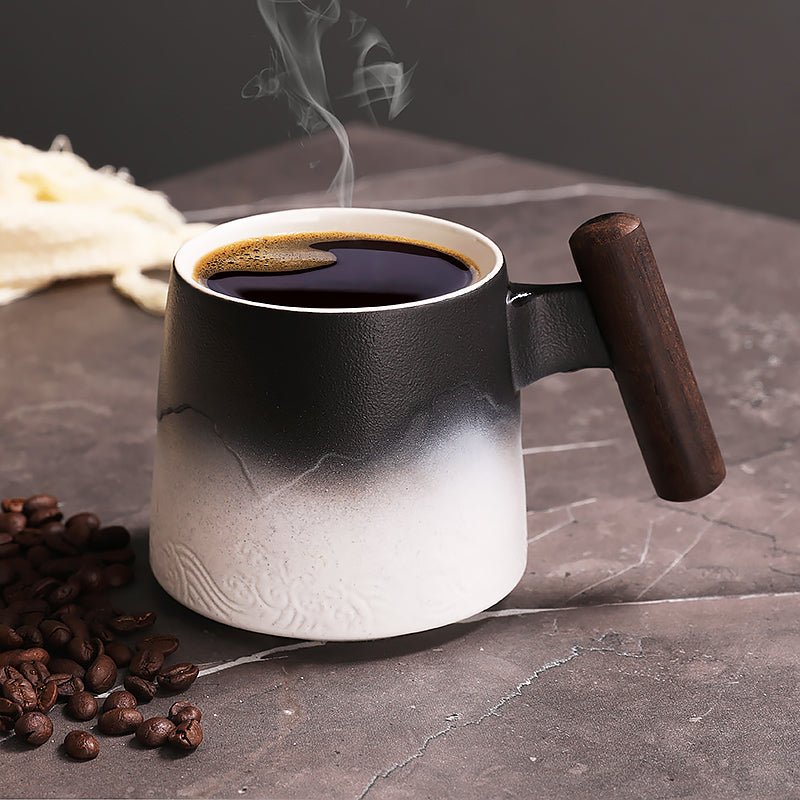
Stanley Coffee Mugs: What Buyers Should Check Before Ordering
Stanley coffee mugs can be a smart buy for commuters, desk drinkers, and people who want a mug that feels built for daily use. Here’s what to check on size, lid style, materials, and cleaning befor...
En savoir plus
Laisser un commentaire
Ce site est protégé par hCaptcha, et la Politique de confidentialité et les Conditions de service de hCaptcha s’appliquent.