
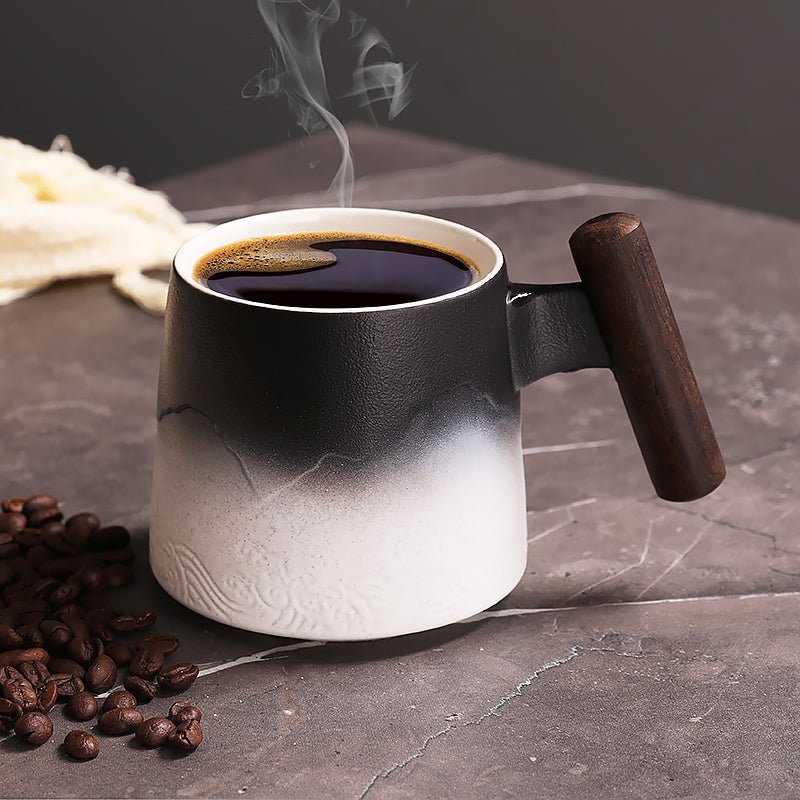
Coffee Mugs for Women: How to Choose the Right Size and Finish
Reading time: about 9 minutes
The mug that feels perfect in your hand at breakfast can feel awkward by the time you bring it to a desk, a car cup holder, or a dishwasher rack. That is the real issue shoppers run into with coffee mugs for women: style matters, but fit, weight, and daily use matter more.
At CoffeifyMug, we see the same buying pattern again and again. People start with color or a cute design, then ask the questions that actually decide whether the mug will get used: Is the handle comfortable? Is it too heavy when full? Will the glaze hold up after repeated dishwasher cycles? This guide is built around those questions, not around vague styling advice.
What should you check first before buying coffee mugs for women?
The first check is not the print or the color. It is the daily use case. A mug for slow mornings at home has different needs than a mug for an office desk or a gift basket.
Start with these basics:
- Capacity: A 12 oz mug is usually better for standard coffee or tea portions. A 14 oz or 16 oz mug gives more room for milk, foam, or a bigger pour.
- Handle fit: A comfortable handle should leave enough space for at least two fingers without pinching the knuckles.
- Weight: Heavier ceramic can feel sturdy, but it gets tiring if you carry a full mug across the house or around an office.
- Rim shape: A thinner, smooth rim tends to feel better when drinking than a thick, squared edge.
- Base stability: A wider base reduces the chance of tipping on a crowded desk.
If you want a deeper size comparison before choosing, our article on 12 oz Coffee Mugs: What to Check Before You Buy is the best place to start for smaller everyday cups. For shoppers who know they want a little more room, our 14 Ounce Coffee Mugs: Size, Fit, and Buying Guide covers the middle-ground option that many buyers end up preferring.
Which mug size actually works best for daily use?
Size choice sounds simple until you pour the drink. A mug that looks attractive on a product page can be too small for a latte or too large for a strong black coffee. In our store, the most common mismatch is between visual appeal and hand feel.
| Size | Best for | Trade-off |
|---|---|---|
| 8 oz | Espresso drinks, small servings, compact cabinets | Too small for many drip coffee drinkers |
| 12 oz | Standard coffee, tea, and lighter morning pours | May feel modest for milk-heavy drinks |
| 14 oz | Everyday use, room for cream or foam | Can feel slightly larger in smaller hands |
| 16 oz | Big coffee pours, iced drinks, generous servings | Takes more cabinet space and may be heavy when full |
| 20 oz | Large drinks, desk use, long sessions | Not ideal if you prefer a lighter mug or smaller portions |
We usually advise buyers to think in terms of use, not just volume. A 16 oz mug can be excellent for someone who drinks one large morning coffee and wants less refilling. It is not the best choice if the mug will live in a crowded cabinet, be carried with one hand, or be used by someone who prefers a lighter feel.
If you are leaning larger, our guides on 16 Ounce Coffee Mugs: Size, Materials, and Fit Guide and 20 Ounce Coffee Mugs: What Buyers Should Check Before Ordering explain what changes once the mug gets bigger. The short version: more capacity usually means more weight, more cabinet space, and more chance the mug becomes a desk mug instead of a quick kitchen mug.
What materials feel best in a mug you will use every day?
Most coffee mugs for women are ceramic, and for good reason. Ceramic gives a steady hand feel, holds heat reasonably well, and works well for printed or glazed finishes. But not all ceramic mugs behave the same once they are used, washed, and stacked.
Here is what we look at in practice:
- Ceramic thickness: Thicker walls usually feel sturdy and help the mug hold warmth a little longer, but they add weight.
- Glaze quality: A smooth glaze resists staining better than a rough or porous finish. Coffee residue shows up fast on lighter interiors if the glaze is inconsistent.
- Handle attachment: The handle should feel integrated, not like an afterthought. Weak join lines can chip sooner if the mug gets knocked in a sink or on a counter.
- Interior color: White or very light interiors can make coffee staining more visible, which is not a defect, just a maintenance issue shoppers should expect.
One practical trade-off: a very delicate-looking mug may photograph beautifully and still be a poor choice for daily office use. If the mug will go through repeated dishwasher cycles, get stacked, or sit beside a coffee maker where it may be bumped, sturdier ceramic is usually the better buy.
In our experience, the mugs that get used the most are not the fanciest ones. They are the ones that feel balanced in the hand, rinse clean without fuss, and survive being used every morning without you thinking about them.
If you want to compare our current styles and finishes directly, browse our full collection of coffee mugs and look at how the shape, handle, and finish change from one option to the next.
What details make a mug comfortable to hold?
Comfort is where many buying decisions are won or lost. A mug can look great and still feel wrong if the handle is too small, the body is too wide, or the mug is top-heavy when filled.
Three details matter most:
- Handle opening: If the opening is too narrow, fingers press against the mug body and the mug feels less secure. This is a common complaint from shoppers with larger hands.
- Body width: A wide mug may suit a latte, but it can be harder to hold with one hand for long periods.
- Balance point: A mug that feels bottom-heavy is easier to set down confidently on a desk or countertop.
These are the small things that matter after the unboxing is over. A gift mug can get a nice reaction on day one and still end up unused if the handle shape is uncomfortable. That is why we recommend thinking about the person who will actually hold it, not just the person who will open the box.
For shoppers who are uncertain about medium sizes, the article on 16 oz Coffee Mugs: What to Check Before You Buy is useful because it focuses on the exact balance between comfort and capacity that many buyers miss.
How do you choose a mug for a gift without guessing wrong?
Gift buying is where coffee mugs for women need the most practicality. A mug can be personal without being risky, but only if you avoid overly specific assumptions. A beautiful mug that is too small, too large, or too fragile is a missed gift.
We usually suggest the following approach:
- Choose a shape that reads cleanly and works in a home kitchen, office, or bedroom setup.
- Prefer a size that is broadly useful, usually 12 oz to 14 oz, unless you know the recipient likes larger drinks.
- Look for a finish that cleans easily. Gift mugs should not require special handling unless that is part of the appeal.
- Avoid overly niche details unless you are certain they match the recipient’s habits.
That is also where a store with more than one style helps. If the recipient is a light coffee drinker, a compact mug makes sense. If they make lattes or tea, a larger mug may be better. If you are uncertain, the safer move is to buy a mug that can handle more than one beverage without feeling oversized.
Our practical recommendation: if you are shopping for a gift and want the widest set of options, start with our coffee mug collection and narrow by size and finish before you choose by design.
What care and durability issues should you expect?
A mug should look good, but it also has to survive sinks, racks, counters, and the occasional knock against a faucet. Durability problems usually show up in predictable places, and shoppers should know what to inspect before buying.
The most common issue modes we watch for are:
- Rim chips: These often come from stacking or from mug-to-mug contact in a crowded cabinet.
- Handle cracks: A crack near the handle join can happen if the mug gets dropped lightly or if the ceramic is poorly finished.
- Surface staining: Light interiors can show coffee and tea marks sooner, especially if the mug is not rinsed promptly.
- Faded print or finish wear: This can happen on mugs that are not meant for aggressive washing or abrasive sponges.
For everyday use, we prefer mugs that are easy to hand wash or dishwasher safe, but we still advise customers to treat printed surfaces and decorative finishes with care. A mug that is technically dishwasher safe can still look better longer if it is not scraped against metal utensils or crammed into a full rack.
If you are comparing smaller formats as well, our guides on 8 Ounce Coffee Mugs: What Buyers Should Check Before Ordering and 8 oz Coffee Mugs: Size, Material, and Fit Guide are helpful for understanding what compact mugs do well and where they fall short.
Frequently asked questions
What size coffee mugs for women is the safest choice for a gift?
A 12 oz or 14 oz mug is usually the safest starting point. Those sizes work for standard coffee, tea, and many milk-based drinks without feeling overly bulky. If you know the person likes large pours or long desk sessions, 16 oz can be a better fit.
Are ceramic mugs better than glass or stainless steel?
For most home and office use, ceramic is the most versatile choice because it feels balanced, looks good, and works well for everyday coffee. Glass shows the drink nicely but is less forgiving if dropped, and stainless steel is better for temperature retention than for the classic mug feel. If presentation matters more than heat holding, ceramic usually wins.
What mug shape is easiest to hold?
A mug with a medium-width body, a well-spaced handle, and a stable base is usually the easiest to hold. Very wide mugs can feel secure on a table but awkward in the hand, while narrow mugs may feel less stable when full. The best shape depends on hand size and how long the mug stays in use each time.
Do light-colored mugs stain faster?
They do not necessarily stain faster, but stains are easier to see on light interiors. Coffee and tea marks can build up if the mug is not rinsed promptly or if it sits unused between washes. A smooth glaze and regular cleaning help a lot, regardless of color.
What should I avoid if I want a mug for daily dishwasher use?
Avoid delicate decorative finishes, weak-looking handle joins, and rough glaze surfaces if the mug will go through the dishwasher often. Those details are more likely to show wear over time. If daily use is the goal, choose a mug that feels sturdy in the hand and has a finish that looks easy to clean.
If you want to narrow your options fast, compare your shortlist against three points: size in ounces, handle comfort, and care requirements. Then check the styles in our mug product lineup and choose the one that fits how the mug will actually be used, not just how it looks on the shelf.
Read more
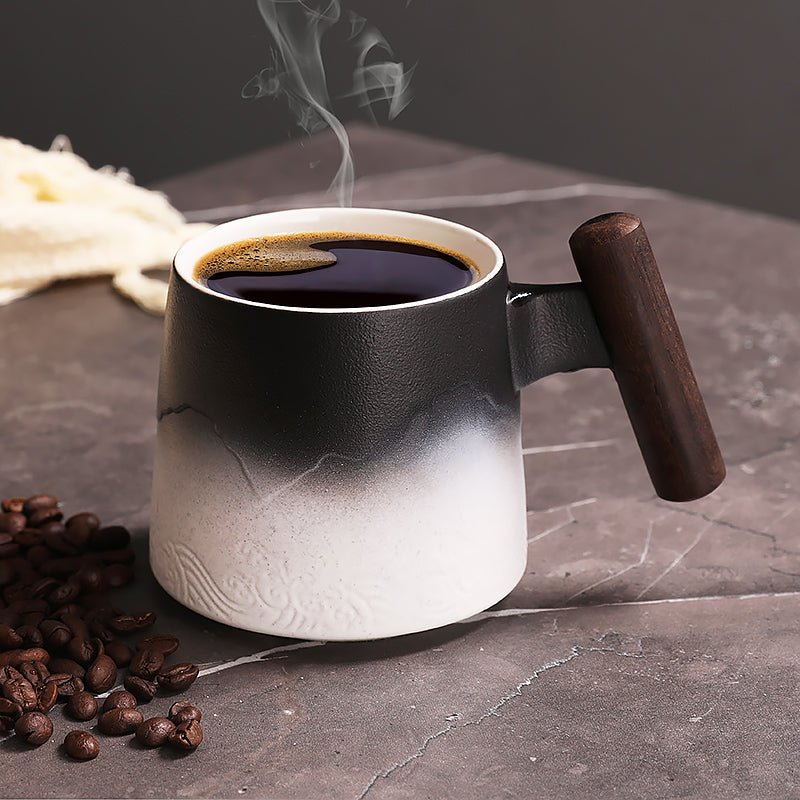
Coffee Mug Size Guide: How to Choose the Right Fit Before Buying
Coffee mug size changes how hot your drink stays, how the mug feels in hand, and whether it suits drip coffee, lattes, or desk use. We break down the sizes we actually recommend.
En savoir plus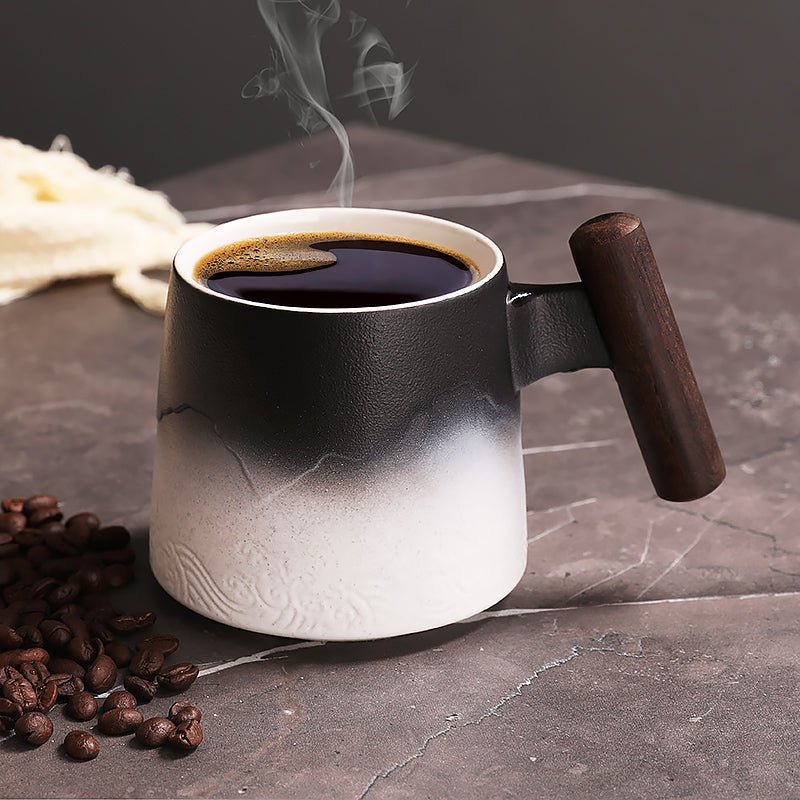
Death Wish Coffee Mug: What to Check Before You Buy
A death wish coffee mug should be judged by size, handle comfort, print durability, and care, not just the graphic. We break down the real trade-offs so you can buy the right one for daily use or g...
En savoir plus
Laisser un commentaire
Ce site est protégé par hCaptcha, et la Politique de confidentialité et les Conditions de service de hCaptcha s’appliquent.