
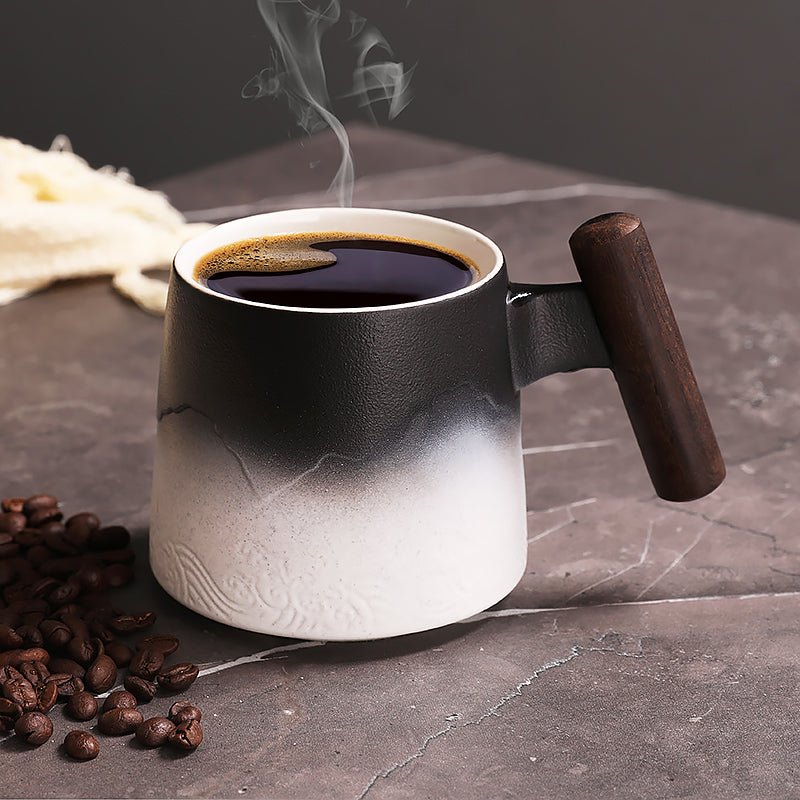
Coffee Mugs Amazon Buyers Should Compare Before Ordering
Reading time: about 10 minutes
A mug can look right in a thumbnail and still feel wrong in your hand. We see it all the time: the cup arrives too narrow for a latte, too heavy for a desk, or with a handle that barely fits two fingers once the coffee is hot.
That is why buying coffee mugs amazon style is less about chasing a photo and more about checking the details that affect daily use. If you want the broader comparison first, our guide on Amazon Coffee Mugs: How to Compare Materials, Sizes, and Everyday Use covers the basics. Below, we focus on what matters when you are narrowing a cart down to one mug, a matching set, or a gift that actually gets used.
What should you check first on coffee mugs Amazon listings?
Start with the three details that most often decide whether a mug works in real life: capacity, material, and handle shape. In our store, the biggest complaints are rarely about color. They are about fit. A mug that holds the right amount but has a thin, sharp handle can feel awkward every morning.
Before you click buy, check these points:
- Capacity: Make sure the size matches the drink. A mug sold as a 12 oz cup is usually better for drip coffee and shorter pours than for a large latte.
- Material: Ceramic, stoneware, porcelain, and glass all behave differently. They hold heat differently, they chip differently, and they feel different on the table.
- Handle opening: A handle should be comfortable with two or three fingers, not just one. If the photos hide the handle, that is a warning sign.
- Care instructions: Check dishwasher and microwave guidance. Printed or decorated mugs often need more careful washing than plain glazed ones.
- Base stability: A flat, even base matters on a cluttered kitchen counter or an office desk. A mug that rocks slightly is annoying every time you set it down.
One useful habit is to read the listing as if you were inspecting the mug after delivery. If the seller does not clearly show the inside glaze, base, handle, and rim, you are taking on extra risk. That does not mean the mug is bad. It means you need to know what kind of compromise you are making.
Which material makes the most sense for daily coffee?
Material affects heat retention, weight, durability, and how the mug feels after months of use. We handle mugs for kitchens, desks, and gift orders, and the same pattern keeps showing up: the best material depends on the drinker, not just the style.
| Material | What it feels like | Best for | Trade-off |
|---|---|---|---|
| Ceramic | Balanced weight, familiar feel, usually comfortable in the hand | Everyday coffee, home kitchens, office desks | Can chip on the rim or handle if it gets knocked against a sink or counter |
| Stoneware | Heavier and more solid, with a denser feel | People who want a sturdier mug and a more substantial hold | Heavier to lift and less ideal for someone who wants a lightweight cup |
| Porcelain | Cleaner, lighter feel with a more refined finish | Gift sets, formal settings, lighter coffee service | Can feel delicate if the drinker prefers a thicker mug |
| Glass | Light and visually clean | Layered drinks, showing color, occasional use | Shows fingerprints and temperature changes more quickly than ceramic |
If you want one mug for repeated dishwasher cycles, a plain glazed ceramic or stoneware piece is usually the safest all-around choice. If you are buying for someone who likes a polished presentation at the desk, porcelain can be a better fit. Glass looks sharp, but it is not the best answer for someone who grabs a mug half-awake and moves fast around the kitchen.
What it is not good for: a glass mug is not the best option for a rugged office, and a heavy stoneware mug is not ideal for someone with small hands or wrist sensitivity. Trade-offs matter. A mug can be attractive and still be the wrong daily tool.
Which size fits your drink and hand?
Size is where many buyers overshoot. A larger mug sounds useful until it becomes too tall for the machine, too heavy once filled, or too wide to hold comfortably while working at a desk. We recommend thinking about the drink first, then the hand, then the storage space.
If you want deeper size-specific guidance, these are useful references: 8 Ounce Coffee Mugs: What Buyers Should Check Before Ordering, 12 oz Coffee Mugs: What to Check Before You Buy, 16 oz Coffee Mugs: What to Check Before You Buy, and 20 Ounce Coffee Mugs: What Buyers Should Check Before Ordering. Those guides go deeper on each size.
- 8 oz: Better for espresso-based drinks, short coffee pours, and smaller servings. It is not the right choice if you regularly add a lot of milk or want a long morning refill.
- 12 oz: A common everyday size for drip coffee. It works well for most counters and most cabinets, and it usually feels balanced in one hand.
- 16 oz: Good for bigger servings, lattes, and people who do not want to refill often. It is less convenient for compact machine trays and can feel bulky when full.
- 20 oz: Best for very large pours, hot chocolate, or a mug that doubles for soup. It is not the best option if you value a lighter feel or a more compact shape.
A practical test: picture the mug filled to the top while you are carrying it across the kitchen, opening a laptop, or clearing a crowded sink. If that scenario feels awkward, the size is probably too large for everyday use. A bigger mug is not automatically better.
What quality problems do we look for before a mug ships?
The common defects are easy to miss in product photos. We inspect for them because they show up quickly once a mug starts moving through a real kitchen. A mug can pass the shelf test and still fail the daily-use test.
Here are the issues we pay attention to most:
- Rim chips: Even a small chip changes the drinking feel and can make a mug feel cheap immediately.
- Handle cracks or weak joins: The handle should look like it is fused cleanly to the body, not attached as an afterthought.
- Uneven base: A mug that wobbles on a counter is a constant annoyance, especially on a desk with a laptop nearby.
- Glaze pinholes or rough spots: Small imperfections in the glaze can catch stains or make cleaning more annoying over time.
- Thermal shock risk: Thin glass or poorly made ceramic can dislike sudden temperature changes, such as going from cold storage to hot liquid too fast.
Care matters too. If a listing says dishwasher safe, we still prefer top-rack washing for decorated mugs and gentle stacking so the rim does not get knocked. For microwave use, check both the material and any metallic accents or printed decoration. A mug can be dishwasher safe and still be a poor microwave choice.
Our rule of thumb is simple: if the mug looks fragile in the photo, it will usually require more careful handling after delivery too.
That is why a buyer should not shop only by artwork. The finish, the thickness of the rim, and the way the handle meets the body say more about long-term use than a styled image ever will.
Which coffee mugs work best for gifts, offices, and home kitchens?
Different settings call for different compromises. A gift mug has to look good out of the box. An office mug has to survive shared counters and frequent washing. A home mug has to fit the drinker’s routine without taking over the cabinet.
For gifts, the cleanest choices are usually simple ceramic or porcelain mugs with a comfortable handle and a finish that does not require special care. If you are considering a branded look, our guide on Starbucks Coffee Mugs Amazon: What Buyers Should Check First explains what to verify before assuming a mug will perform like the picture suggests.
For office use, we recommend a mug that is:
- Stable on a desk and not top-heavy.
- Easy to clean after repeated coffee runs.
- Neutral enough to fit into a shared kitchen without creating confusion.
- Comfortable to hold when the coffee is still very hot.
For home kitchens, the best mug is the one that matches your actual pour. If you usually make a standard drip coffee, a 12 oz mug is often the sweet spot. If you like room for cream or foamed milk, 16 oz may make more sense. If you mainly drink espresso or small servings, a larger mug will just waste cabinet space.
One thing a lot of shoppers miss: a pretty mug that is hard to stack can become a storage problem. If your cabinet is already tight, look for a straight-sided shape and a handle that does not stick out too far.
Where should you start if you want a short list instead of endless browsing?
If you want to avoid scrolling through endless options, start with a narrow use case. Decide who the mug is for, what size drink it needs to hold, and how much care you want to give it. That three-step filter removes most of the noise.
Then compare the mug against this quick checklist:
- Does the capacity match the drink size you use most often?
- Does the handle fit your fingers without feeling pinched?
- Is the material right for dishwasher and microwave habits?
- Will the mug sit flat on your counter and in your cupboard?
- Does the finish look easy to keep clean after repeated use?
If you want to see what we currently carry, start with our full collection or browse our product selection. We keep the assortment focused so it is easier to compare shape, size, and finish without guessing from a crowded marketplace page.
The simplest buying rule is this: choose the mug that fits the drink you actually make on an ordinary Tuesday morning. Not the one that looks biggest in the photo. Not the one with the busiest artwork. The one you will reach for without thinking.
Frequently asked questions
Are coffee mugs from Amazon usually dishwasher safe?
Some are, but not all. Plain glazed ceramic and stoneware mugs are often dishwasher safe, while decorated mugs, metallic accents, or specialty finishes may need gentler washing. Always check the listing and avoid assuming every mug in the category follows the same care rules.
What size coffee mug is best for everyday use?
For most people, 12 oz is the most balanced everyday size. It holds a normal pour without feeling oversized in the hand or taking up too much cabinet space. If you regularly add milk or make larger drinks, 16 oz can be a better fit.
Is ceramic or stoneware better for coffee mugs?
Ceramic usually feels a little lighter and more familiar, while stoneware feels denser and more solid. Ceramic is a good all-around option for daily use, but stoneware can feel better if you like a heavier mug. The better choice depends on how much weight and warmth you want in the hand.
What should I avoid when buying coffee mugs online?
Avoid listings that hide the handle, base, or interior glaze, because those details matter more than a staged photo. Also avoid mugs that do not clearly state care instructions or capacity. If the product page is vague, the mug may be too.
Can I use a large 20 oz mug for regular coffee?
You can, but it is not always the most practical choice. A 20 oz mug is useful for large drinks, soup, or a long morning session, but it can feel bulky and take longer to heat up. If you usually drink a standard cup of coffee, a smaller mug will often be easier to use every day.
If you want the fastest next step, compare your current mug against the checklist above, then open our full collection to narrow by size and material before you order.
More from our blog
Read more
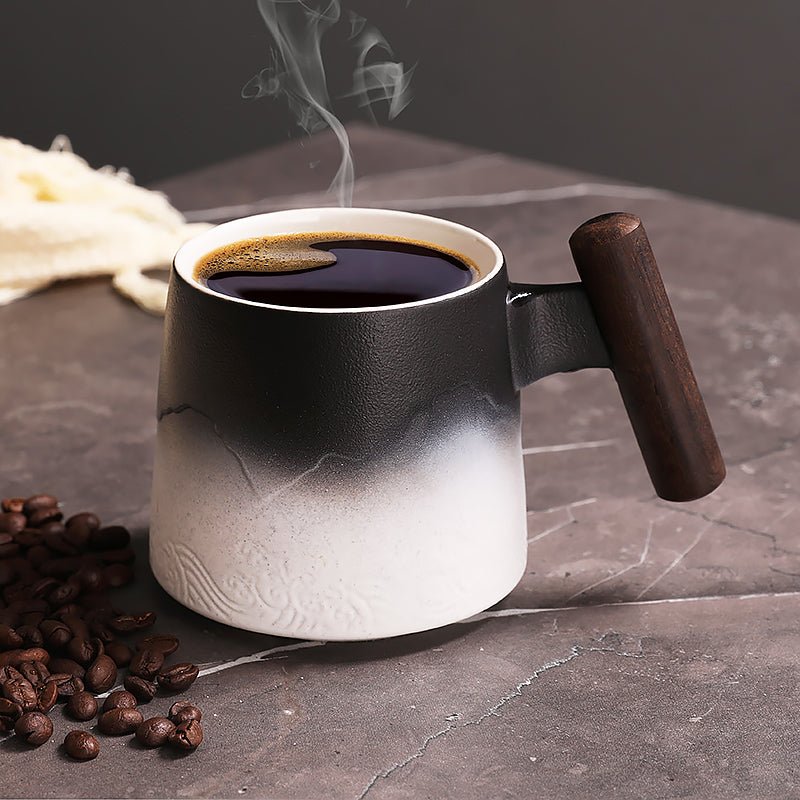
Custom Coffee Mugs Bulk: Sizes, Print, and Order Checks
A practical buyer guide for custom coffee mugs bulk orders, covering size, print method, durability, and the checks that prevent avoidable mistakes before you place an order.
En savoir plus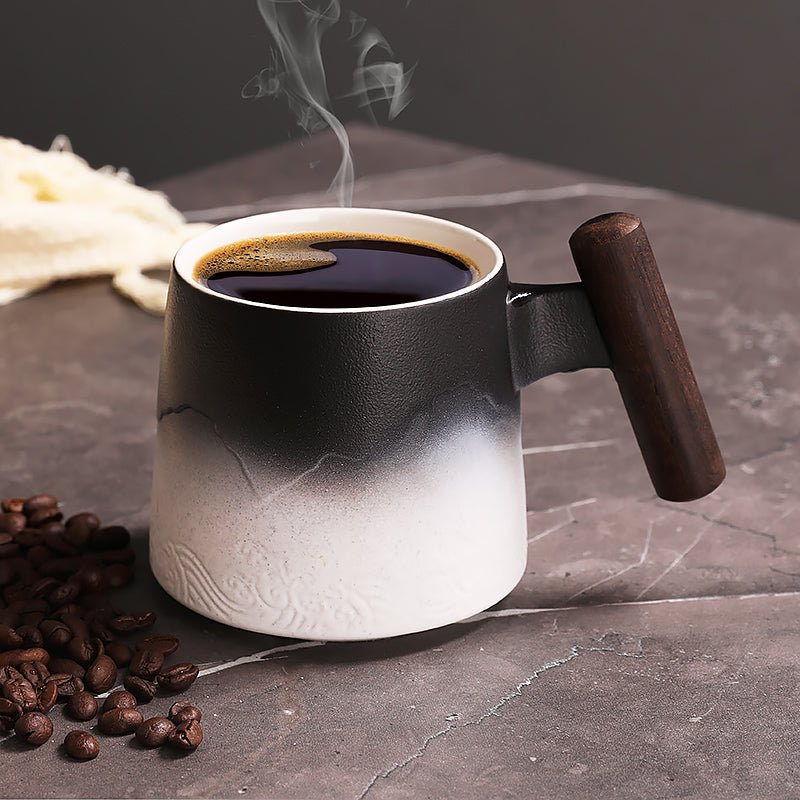
Heating Coffee Mug Buyer’s Guide: What to Check Before You Buy
A heating coffee mug solves one very specific problem: coffee that goes cold before you finish it. This guide shows what to check before buying, where the trade-offs are, and which mug style fits r...
En savoir plus
Laisser un commentaire
Ce site est protégé par hCaptcha, et la Politique de confidentialité et les Conditions de service de hCaptcha s’appliquent.