
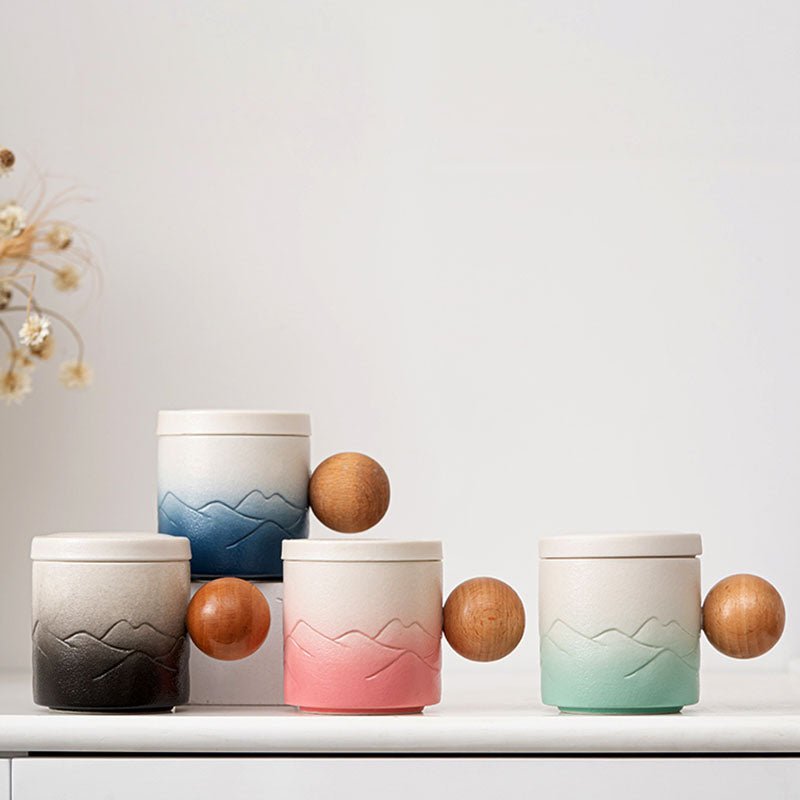
Coffee Mug Storage Ideas That Fit Small Kitchens and Busy Counters
Reading time: about 9 minutes
Most mug storage problems start the same way: one cabinet shelf gets crowded, handles catch on each other, and the cup you want ends up buried behind the ones you use twice a year. If you are comparing coffee mug storage ideas for a real kitchen, the best setup is usually the one that keeps everyday cups visible, leaves room for oversized handles, and does not turn into a daily shuffle.
We see this a lot in our store conversations. People want storage that works on a narrow counter, in a shared office kitchen, or in a gift box setup that still looks intentional after unwrapping. The right answer depends on how many mugs you own, how tall they are, and whether you prefer closed cabinet storage or a display you actually want to look at.
What kind of mug storage works best in a small kitchen?
Small kitchens need storage that respects vertical space. Shelf depth, handle clearance, and stacking stability matter more than style alone. A standard upper cabinet can hold mugs well if the shelf is deep enough for the cup body and the handles do not collide, but shallow shelves often work better with a single row of mugs instead of double stacking.
For small kitchens, we usually recommend one of these approaches:
- Open shelf with a single row for the mugs you use every day.
- Under-cabinet hooks or a slim rack if the cabinet bottom is clear and you need countertop space back.
- Nested mug grouping only for mugs designed to stack cleanly, not for wide rims or sculpted handles.
- Tray-based storage for 2 to 4 favorite mugs on the counter, especially if you brew coffee daily.
The drawback is simple: open storage collects dust faster than a closed cabinet. If you do not want to rinse cups before every use, keep the most-used mugs in a cabinet and use open display only for the ones you rotate regularly. Our article on coffee mug storage ideas that actually fit real kitchens goes deeper on cabinet fit and shelf spacing.
Should you use hooks, shelves, or cabinet stacks for mugs?
Each method solves a different problem. Hooks save shelf space. Shelves make selection easier. Cabinet stacks hide clutter, but they are the most likely to chip mugs if the shelf is too tight or the stack is unstable. In our experience, the wrong choice is usually not about style. It is about using a storage method that does not match the mug shape.
| Storage method | Best for | Watch out for |
|---|---|---|
| Hooks or rails | Small kitchens, rental spaces, daily-use mugs | Handles that are too thick, clearance under cabinets |
| Open shelves | Matching sets, display-friendly mugs, easy grab-and-go access | Dust, visual clutter, uneven mug heights |
| Cabinet stacking | Closed storage, seasonal mugs, backup cups | Chipping, unstable stacks, hard-to-reach back rows |
| Counter trays | 2 to 4 frequently used mugs and a coffee station | Counter space loss, water rings if the tray is not wiped |
For mugs with sculpted sides or more detailed finishes, display storage is often safer than stacking. A mug like our Pleated Coffee Tea Cup shows better on an open shelf than buried in a cabinet where the texture is hard to see and the handle can rub against neighboring cups.
If you want to browse other cup styles that work well in everyday storage setups, our all collection makes it easier to compare sizes and shapes before you decide how to store them.
Which mug shapes are easiest to store without chips or wobble?
Storage is easier when the mug shape is predictable. Straight-sided cups usually nest or line up better. Wide, flared rims and oversized handles take more space, but they are often more comfortable to drink from. That trade-off matters if you are buying for a real kitchen rather than a photo shelf.
Three concrete details make a difference when you are choosing a mug for storage:
- Handle clearance: a handle that sticks out too far can make a shelf feel half an inch too shallow, even when the mug body itself fits.
- Base shape: a flat, stable base reduces wobble on open shelves and keeps mugs from sliding on trays.
- Surface finish: glossy glazes are easy to wipe but can show fingerprints; textured finishes can hide smudges but sometimes need a softer cloth to keep their look clean.
The Golden Waves Kio Coffee Tea Mug is a good example of a mug that works well as a visible daily-use piece if you want storage that doubles as display. It fits best where you can see the shape and keep the handle accessible, not buried behind taller cups. For a slightly different silhouette, The Flow Coffee Tea Mug suits a rotation of everyday cups because its clean profile makes cabinet alignment easier.
If you are planning a display setup, our guide coffee mug display ideas that actually work in real kitchens is a useful next read. It focuses on making storage look deliberate instead of crowded.
How do you store mugs for an office, shared kitchen, or coffee station?
Shared spaces need a different logic. People reach for the same mug repeatedly, then return it wherever the nearest empty space is. That means storage should be obvious and forgiving. A labeled hook row, a low shelf, or a compact tray near the brewer usually works better than a deep cabinet no one wants to open.
For offices and shared kitchens, we look for these practical features:
- One-handed access so people can grab a mug while carrying a laptop or lunch.
- Clear visual grouping so each mug has a home and no one mixes up sizes.
- Easy cleaning because coffee splashes and tea residue show up quickly on light-colored shelves.
- Durable placement near the machine, not directly above the sink where steam and moisture can collect on the underside of a shelf.
In office setups, we usually avoid tall stacks. They look tidy for a day, then become a balancing act. A better option is a row of 4 to 6 mugs, with the most-used cups front and center. If you are choosing mugs for that kind of setting, start with the collection first and then decide whether the setup deserves open display or closed cabinet storage.
What should you avoid if you want mugs to last longer?
Some storage habits save space but create damage over time. We see the same problems again and again: rim chips from stacked mugs, handle stress from squeezing cups into a shelf that is just too tight, and glaze scuffs from rubbing against metal hooks or other ceramic edges.
Avoid these mistakes if you want the mugs to hold up:
- Do not stack mugs with uneven bases unless they were made to nest safely.
- Do not hang heavy mugs from hooks that are only barely supporting the handle.
- Do not put damp mugs back into a closed cabinet. Trapped moisture leaves a stale smell and can spot some finishes.
- Do not overload a shelf with mixed mug heights if the top shelf is low. The tallest mug usually ends up becoming the problem.
We also recommend checking the care notes for the mug itself. Some finishes are easier to wipe clean than others, and a textured exterior may need a little more attention after dishwasher cycles. That is not a flaw. It just means the storage plan should match the finish you bought, not fight it. For shoppers comparing display-friendly options, our post on coffee mug storage ideas for kitchens, offices, and gift sets covers how the same mug can be stored differently depending on where it lives.
How do you choose a mug storage setup that also works as a gift?
Gift storage has a different goal. You are not just hiding the mug. You are presenting it so it feels thoughtful when the box is opened. That means avoiding bulk packaging inside the mug itself, using clean wrapping materials, and choosing a mug shape that does not need a long explanation to make sense.
For gift sets, we look for mugs that can do double duty after unboxing. A good gift mug should be easy to store in a kitchen cabinet, not awkward to fit beside a regular set. It should also be sturdy enough that the recipient does not have to baby it. If you are building a personal gift, this is where a visually distinctive mug matters more than a generic one.
Our store has found that cups with a refined shape tend to stay in rotation longer. That is one reason styles like Pleated Coffee Tea Cup or Golden Waves Kio Coffee Tea Mug make sense for gifting as well as daily storage. They are not the right pick if the buyer wants a stackable set with identical dimensions. They are better when the goal is one favorite mug per person, stored where it can be reached easily.
What is the simplest storage checklist before you buy more mugs?
Before adding another cup, we suggest checking the space you already have. A small planning step prevents the usual problem of buying a mug that looks right online but does not fit the shelf at home.
- Measure the shelf height, not just the width.
- Check handle clearance so cups do not snag each other.
- Decide whether the mug will be hidden, displayed, or used in a shared space.
- Separate daily-use mugs from seasonal or gift mugs.
- Choose finishes that match your cleaning routine.
If you want a more detailed buying angle, the rack-focused breakdown in coffee mug rack guide: materials, fit, and storage choices is useful before you commit to hooks or rails.
Our practical rule in the store is simple: buy the mug for the space you actually have, not the space you wish you had. A good mug should fit the shelf, the routine, and the way you clean up after coffee.
Frequently asked questions
How many mugs can I store on one shelf without crowding them?
That depends on mug width, handle size, and shelf depth, but most people get a cleaner result by leaving a little breathing room between cups. If the handles touch, the shelf is already too full for daily use. A single row is usually safer than forcing a second row in front of it.
Are open mug shelves bad for dust?
They are not bad, but they do need more wiping than closed cabinets. If you use the mugs daily, open shelves are manageable. If the mugs sit unused for weeks, a cabinet or covered cupboard is the better choice.
Can I stack ceramic mugs safely?
Only if the mug shape supports it. Flat bases and consistent rim sizes stack more safely than flared or hand-shaped mugs. If the stack rocks at all, stop there. That wobble usually turns into chips later.
What is best for mugs with larger handles?
Shelves with extra depth or individual hooks usually work better than tight cabinet rows. Oversized handles need clearance, and forcing them into narrow storage makes the whole setup awkward. If the mug is for display, leave room for the handle to read clearly.
Should I store my nicest mugs in the cabinet or leave them out?
If you use them often, keep them accessible where they are easy to reach and easy to dry. If they are mainly for display or special occasions, a clean open shelf can work well. The right choice is the one that protects the finish and still gets used.
If you want the fastest next step, compare the mug shape first, then choose the storage style. Start with the full collection, pick the mugs you actually want to use, and then match them to a shelf, hook, or cabinet setup that fits your kitchen instead of fighting it.
Read more
Made in USA Coffee Mug: What to Check Before You Buy
A made in USA coffee mug should feel balanced, sit flat, and hold up to daily use without surprises. We cover the practical checks shoppers actually use before ordering, from size and glaze to hand...
En savoir plus
Deer Coffee Mug Buying Guide for Gifts, Daily Use, and Display
A practical deer coffee mug guide that covers size, material checks, care, and gift fit, plus real trade-offs so you can choose with confidence.
En savoir plus
Laisser un commentaire
Ce site est protégé par hCaptcha, et la Politique de confidentialité et les Conditions de service de hCaptcha s’appliquent.