
Coffee Mug Sizes Guide: Choose the Right Cup for Daily Use
Reading time: about 8 minutes
We see the same problem a lot: someone buys a mug that looks perfect online, then finds out it swallows too little coffee for a long morning or feels too bulky on a desk. Coffee mug sizes sound simple until you try to match them to your actual routine.
At CoffeifyMug, we handle mugs for real use, not just photos. That means we pay attention to the parts shoppers feel every day: rim width, handle comfort, wall thickness, and how much space a mug takes next to a keyboard, espresso machine, or dish rack.
If you want a broad primer before comparing specific sizes, our Coffee Mug Sizes Guide: How to Choose the Right Cup and How Many Oz Is a Coffee Mug? Common Sizes and Real-World Fit cover the basics well. Here, we’re focusing on how to choose the right size for the way you actually drink.
What do coffee mug sizes really change in daily use?
Size changes more than capacity. It affects heat retention, how fast the drink cools, how many refills you need, and whether the mug feels stable in one hand. A small mug can be nice for espresso-based drinks, but it may cool off too quickly if you like to sip slowly at your desk. A large mug is useful for long mornings, yet it can become awkward if the handle opening is tight or if the mug base takes up too much room under a cabinet.
We also look at how a mug behaves in real settings:
- Kitchen counters: larger mugs are easier to knock into a backsplash or crowded drying rack.
- Office desks: a wide mug can crowd a mouse pad or sit too close to papers.
- Gift unboxings: some shoppers want a mug that feels substantial without being oversized.
- Dishwasher cycles: thicker mugs usually hold up well, but hand-detailed finishes and wooden accents need more care.
That’s why coffee mug sizes are not just about ounces. They’re about fit.
Which coffee mug sizes fit black coffee, lattes, and tea best?
Different drinks need different room. Black coffee usually works well in a medium mug because you want enough volume without turning the drink into a bowl. Lattes and tea often need more headroom, especially if you add milk, foam, or a tea bag that needs a little space to steep comfortably.
| Typical size | Best for | What it feels like in use | Trade-off |
|---|---|---|---|
| 8–10 oz | Espresso drinks, smaller pours, tea | Compact, quick to finish, easy to store | Not ideal for long sipping sessions |
| 11–14 oz | Daily coffee, drip coffee, mixed drinks | Balanced and familiar on most desks | Can feel small if you top off often |
| 15 oz and up | Large pours, cold mornings, milk-heavy drinks | Generous and slow-sipping friendly | Heavier, wider, and not always cabinet-friendly |
If you’re still comparing the common cup ranges, we also keep detailed size-by-size notes in Standard Coffee Mug Sizes: What Buyers Should Choose. That article is especially useful if you’re shopping for a family kitchen or trying to match a new mug to your existing set.
What size should you choose for a desk, commute, or home kitchen?
The best size changes with the setting. We usually think about it in terms of where the mug will live, not just what goes in it.
- For a desk: choose a size that fits under shelves, doesn’t block your hand, and won’t feel top-heavy when half full. Mid-size mugs usually work best.
- For the home kitchen: you can go larger if you have space in the cabinet and don’t mind a bigger handle profile.
- For quick morning coffee: a smaller mug is often better because it encourages you to finish before the drink gets lukewarm.
- For tea or cocoa: a wider, roomier mug can feel more comfortable because it leaves space for steeping and stirring.
One practical note from our own handling experience: mugs with a fuller base and balanced weight feel better in daily use than mugs that are tall and narrow. They’re less likely to tip when you set them down one-handed next to a laptop or cookbook.
How do material and shape affect the mug size you should buy?
Two mugs with the same listed capacity can feel very different. Shape changes the experience just as much as size. A short, wide mug feels more open and stable. A tall, narrow mug usually feels more compact in the hand, but it can also trap heat differently.
Material matters too. Most of the mugs we sell are ceramic, which is a practical choice because it feels sturdy, holds warmth reasonably well, and handles daily kitchen use without feeling fragile. A glazed ceramic body is also easier to rinse clean than textured finishes that catch grounds or milk residue. That said, ceramic can chip if it’s banged against a sink edge, and the rim is often the first place damage shows up.
We also carry mugs with wooden handles, and those deserve special attention. They look distinctive and feel different in the hand, but they are not the best choice if you want a mug you can leave soaking or toss into a rough dishwasher cycle every day. If easy machine washing is your main priority, a fully ceramic handle may suit you better.
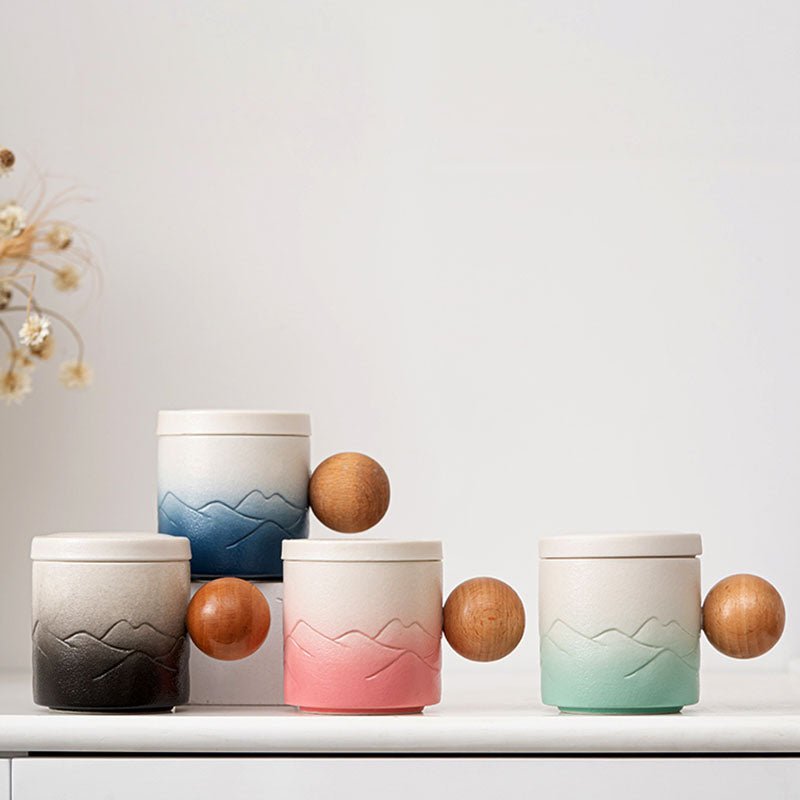
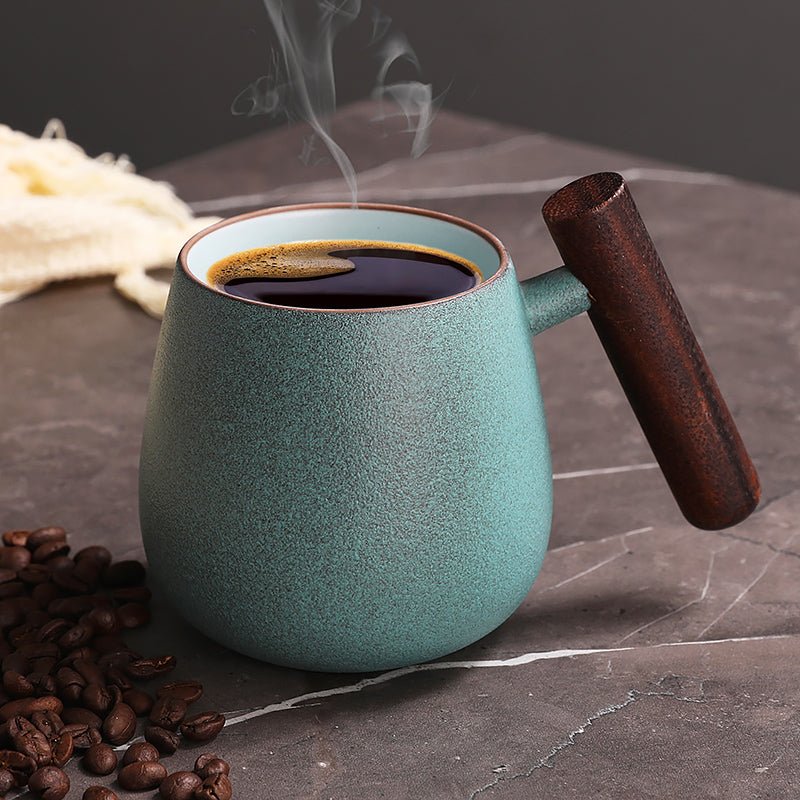
For a good middle ground, the The Cloud Coffee Tea Mug Wooden Handle is a strong example of a mug that feels roomy without looking bulky. If you prefer a more grounded, substantial feel, the The Rock Coffee Tea Mug offers a different hand feel and silhouette.
Which mugs in our store are good examples of different coffee mug sizes?
We usually point shoppers to a few examples so they can compare shape and feel side by side. These aren’t all for the same buyer, and that’s the point.
- Mountain Sea II Coffee Tea Mug With Wooden Handle works well if you want a mug that feels distinctive on a table and comfortable for tea, coffee, or a slower morning pour.
- The Cloud Coffee Tea Mug Wooden Handle is a good pick for shoppers who want a softer, lighter visual profile and a practical everyday mug.
- The Rock Coffee Tea Mug suits buyers who prefer a more solid, grounded look and a mug that feels reliable in daily kitchen use.
If you want to browse everything we currently carry before deciding, the full collection is the easiest place to compare styles in one place.
What are the trade-offs of small, medium, and large mugs?
There is no universal best size. Each range solves one problem and creates another.
Small mugs are good if you drink quickly, want espresso-based drinks, or need a mug that fits neatly into a compact cabinet. They are not ideal if you refill constantly or like a long, slow sip during meetings.
Medium mugs are the safest buy for most people. They usually balance comfort, storage, and versatility. The downside is that they can be too ordinary if you want a very specific coffee ritual or a larger serving.
Large mugs are useful for mornings where one cup needs to last. They work well for milk-heavy drinks and tea. The trade-off is weight, footprint, and the chance that the drink cools unevenly if the mug is very wide.
Our rule of thumb in the store: buy smaller if you care about speed and cabinet space, buy larger if you care about fewer refills and a more relaxed pour.
How do you avoid the common mistakes people make with coffee mug sizes?
We see the same issues repeat, especially with first-time buyers and gift shoppers.
- Choosing by appearance only: a mug can look right in photos and still feel too deep, too wide, or awkward to hold.
- Ignoring handle size: a beautiful mug is frustrating if your fingers barely fit the handle opening.
- Forgetting the drink style: a black coffee drinker and a latte drinker usually do not want the same mug.
- Overlooking cleaning needs: mugs with wooden handles or textured surfaces may need gentler care than plain glazed ceramic.
- Buying too large for storage: oversized mugs can crowd cabinets, especially in apartments or shared kitchens.
If you want a more size-focused breakdown, our article on How Many Oz Is a Regular Coffee Mug? Common Sizes and Fit is useful for matching ounces to everyday routines. We also cover small-format buyer questions in 10 oz Coffee Mug: Size, Fit, and What to Check Before You Buy and 11 oz Coffee Mug: Size, Fit, and What to Check Before You Buy.
Frequently asked questions
What is the most common coffee mug size for daily use?
For most shoppers, the everyday sweet spot is in the medium range, roughly 11 to 14 oz. That size usually handles drip coffee, tea, and lighter milk drinks without feeling oversized on a kitchen counter or office desk.
Is a 10 oz mug too small for coffee?
Not if you drink a smaller pour or prefer your coffee hot and finished quickly. A 10 oz mug can feel tight for large drip coffee refills or milk-heavy drinks, but it works well for people who don’t want a heavy mug.
Are large mugs bad for coffee?
Not bad, just less suited to every routine. Large mugs are good for long mornings and bigger pours, but they can cool faster if the opening is very wide and they can take up more storage space.
Can I use the same mug size for coffee and tea?
Yes, but medium sizes tend to be the most flexible. If you drink loose-leaf tea or like room for steeping, a slightly larger mug can feel better than a compact coffee-first size.
Do wooden-handle mugs need special care?
They do. We recommend checking the care notes before buying, since wood should not be treated the same way as plain ceramic. If you want the easiest cleanup, a fully ceramic mug is usually the better fit.
If you’re deciding between shapes, start with the mug that fits your routine, not the one that just looks biggest or most attractive. Compare the product pages, check the handle shape and capacity notes, then browse our full collection to pick the size that fits your counter, cabinet, and daily pour.
Read more
Cobalt Blue Coffee Mugs: How to Choose the Right Style, Size, and Finish
A practical buying guide for cobalt blue coffee mugs, with real trade-offs on finish, comfort, size, and care. We also point to a few mugs in our store that fit different daily-use setups.
En savoir plus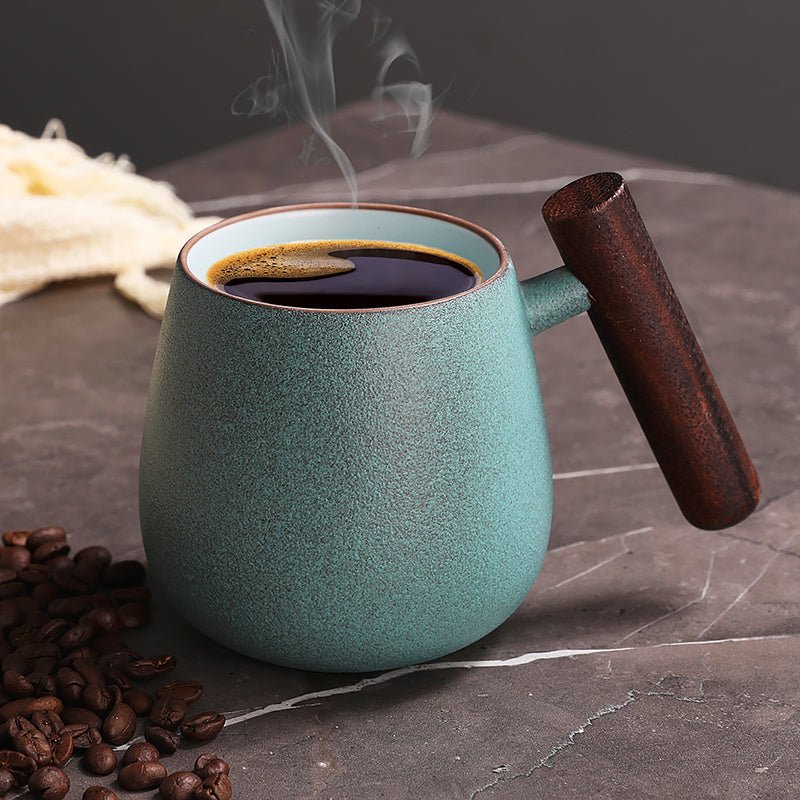
How Many Ounces Is a Standard Coffee Mug? Buyer Guide
A standard coffee mug usually falls between 8 and 12 ounces, but the usable pour depends on shape, wall thickness, and how full you actually drink it. This guide breaks down what that means for hom...
En savoir plus
Laisser un commentaire
Ce site est protégé par hCaptcha, et la Politique de confidentialité et les Conditions de service de hCaptcha s’appliquent.