
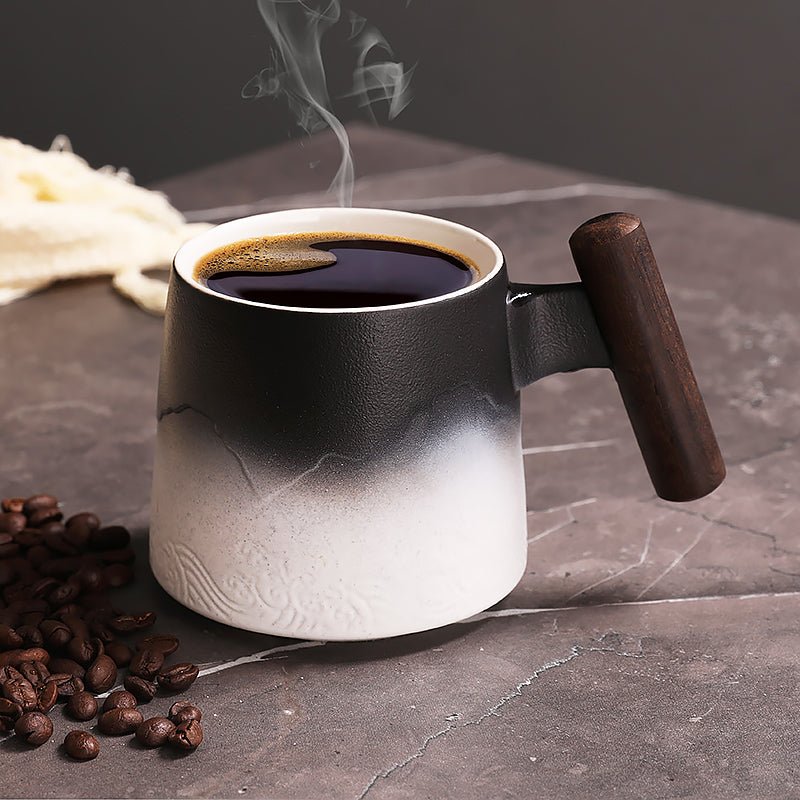
Coffee Mug Set of 6: What Buyers Should Check First
Reading time: about 8 minutes
Six mugs on the shelf solve a real problem: the third person in the kitchen does not have to wait for a wash cycle. In our store, that is usually why shoppers choose a coffee mug set of 6 over a smaller pair or a mismatched mix. It covers daily use, guest rotation, and the extra cup that always seems to be missing on Monday morning.
The best set is not the one with the prettiest photo. It is the one that feels steady in the hand, fits the amount you actually drink, and survives repeated dishwasher runs without turning into a cabinet regret.
Why do buyers choose a coffee mug set of 6?
A set of six sits in a practical middle zone. It is large enough for a family kitchen, an office break room, or a home that sees guests on weekends, but not so large that it takes over every shelf. We like this size because it gives you a clean matching look without forcing you to overbuy.
In our experience, buyers usually want one of three things:
- Enough mugs to get through the day without washing after every cup.
- A consistent look for open shelving, a coffee station, or a gift kitchen reset.
- Spare mugs for visitors, late-night tea, or a second round of coffee.
A coffee mug set of 6 is also easier to keep organized than a mixed cabinet of random shapes. Matching mugs stack more predictably, and that matters on crowded kitchen counters and office shelves. If you want a broader comparison of set sizes and use cases, our Coffee Mug Sets: How to Choose the Right Set for Daily Use article breaks down the trade-offs in plain terms.
We judge mug sets the way customers actually use them: next to a coffee maker, on a desk, and after a dishwasher cycle.
Which material should you choose for everyday use?
Material changes how a mug feels more than most buyers expect. Weight, heat retention, rim thickness, and even how easy it is to clean all start with the body of the mug. If you want a deeper look at one common option, our Ceramic Coffee Mug Set Buying Guide for Everyday Use covers the basics without the fluff.
Here is the practical version we use when comparing materials:
| Material | What it feels like | Best for | Watch out for |
|---|---|---|---|
| Ceramic | Balanced weight, smooth finish, familiar everyday feel | Daily coffee, tea, kitchen shelves, gifting | Chips on hard knocks, especially around the rim or handle edge |
| Stoneware | Heavier in the hand, often more substantial and rustic | People who like a sturdy, grounded mug | Can feel bulky for smaller hands and takes up more shelf weight |
| Porcelain | Finer rim, lighter feel, more delicate appearance | More formal settings, lighter drinkers, neat cabinet displays | Usually less forgiving if you tend to stack mugs quickly or handle them roughly |
That table is the short version. The longer version is this: ceramic and stoneware are usually the most practical choices for a coffee mug set of 6 because they hold up well in normal kitchens, while porcelain is better if you care more about a refined look than a sturdy everyday feel. If your mugs live near a busy sink, get shoved into a drying rack, or get grabbed before the first sip of coffee has even cooled, heavier constructions tend to feel safer.
Material also affects care. A glossy glaze is usually easier to wipe clean after coffee rings or tea staining, while textured or matte finishes can show residue differently and may need a more careful wash routine. If a listing mentions dishwasher-safe, that still does not mean you should cram the mugs together. Give each piece space so rims and handles do not tap against each other.
What size and shape feel right in real use?
Size is where a lot of shoppers get surprised. A mug can look generous in a photo and still feel too small for a latte, or look oversized and turn out awkward for small hands. If you are deciding between common capacities, our size-focused guides on the 10 oz Coffee Mug, 11 oz Coffee Mug, 12 Ounce Coffee Mug, and 14 oz Coffee Mug give you a better feel for how each size behaves on the counter.
As a quick rule of thumb, here is how buyers usually think about it:
- 10 oz works well for smaller coffee pours, tea, or people who do not want a heavy mug.
- 11 oz is a familiar everyday size and suits standard drip coffee for many households.
- 12 oz gives a little more room for milk, foam, or a longer pour.
- 14 oz is better for larger drinks, but it can feel bulky if you prefer a compact cup.
Shape matters just as much as capacity. A wider mouth cools coffee faster, which is useful if you drink at a desk and do not want to wait long. A narrower body usually feels warmer in the hand and can help the drink hold heat a bit better. Handle clearance is another detail people overlook. If your knuckles hit the mug body, the mug will annoy you every single morning.
Stackability is worth checking too. Some sets of six nest neatly because the base is flat and the shape is simple. Others look good on a shelf but wobble when stacked. If cabinet space is tight, a set that stacks cleanly is usually the better buy.
What should you inspect before you order?
The photo tells you style. The details tell you whether the set will actually last. Before we recommend a mug set, we look at the same few points every time because those are the ones that show up in real use.
- Rim finish: The rim should feel even, not sharp or lopsided.
- Handle attachment: The handle should feel solid, with enough room for two or three fingers without rubbing.
- Base stability: A flat foot ring helps the mug sit level on a counter and on a dishwasher rack.
- Glaze consistency: Small cosmetic variations can happen in handmade-looking pieces, but deep drips, pinholes, or rough patches deserve attention.
- Chip risk zones: The rim and the lower edge of the handle are the first places to show wear if a mug gets knocked around.
- Care instructions: Check whether the set is dishwasher-safe, microwave-safe, or hand-wash only before you commit.
Common defect modes are usually boring, which is why they are easy to miss: a slightly uneven base that rocks on the table, a handle that feels too narrow once the mug is full, or a rim that looks fine in the product shot but feels rough in person. Those are the details that separate a pleasant daily mug from one that gets pushed to the back of the cabinet.
If you want to compare what we currently carry, start with our product selection and then open the full collection to see the broader range of styles and finishes.
Who should not buy a coffee mug set of 6?
A coffee mug set of 6 is not the best fit for every buyer. If you live alone and already have enough mugs, a smaller set may be simpler. If cabinet space is tight, six matching mugs can become clutter instead of convenience.
It is also not the best choice if you want specialty drinkware. Espresso drinkers, for example, usually need a smaller cup than a standard coffee mug set provides. People who mostly drink very large lattes may want a bigger capacity than the average mug in a six-piece set.
We would also steer someone away from a matching set if they are trying to build a very mixed kitchen look. Some homes work better with a blend of shapes and sizes. In that case, a broader browse through the full collection may be more useful than locking into one uniform set.
Our own rule is simple: buy the set of six if you will use all six pieces regularly. If three of them will sit untouched, that is probably a sign you need a different size, different material, or a smaller set.
Frequently asked questions
Is a coffee mug set of 6 enough for a family of four?
For most families of four, yes. Six mugs give you two extra cups for guests, homework tea, or the one mug that is always in the sink. If your household drinks coffee all day and runs the dishwasher once daily, the extra two pieces make a noticeable difference.
What size coffee mug set of 6 is best for daily coffee?
Most daily coffee buyers land between 11 oz and 12 oz because those sizes feel familiar and versatile. If you drink smaller servings or tea, 10 oz can feel more comfortable. If you usually pour with milk or like a larger morning cup, 14 oz may be a better fit.
Are ceramic mugs better than stoneware for a coffee mug set of 6?
Ceramic is usually the safer everyday choice because it balances weight, feel, and easy cleaning. Stoneware tends to feel heavier and more substantial, which some buyers like, but it can feel bulky if you have smaller hands or limited shelf space. Our ceramic buying guide goes deeper on that trade-off.
Can a coffee mug set of 6 go in the dishwasher?
Only if the product listing says it can. Even then, give each mug enough room so handles and rims do not knock together. If the set has decorative metallic details or a finish that the maker says to hand wash, follow that instruction instead of assuming it is dishwasher-friendly.
What should I check first if I want a giftable mug set?
Check the presentation, the finish consistency, and whether the set looks balanced as a group. Gift buyers usually care about clean lines, comfortable handles, and a style that fits a real kitchen rather than just a staged photo. If the set will be unboxed for a housewarming or holiday gift, packaging matters more than many shoppers expect.
Before you choose, check four things: material, size, handle comfort, and care instructions. If you want to compare options directly, start with our product selection, then move to the full collection and pick the mug set that fits your counter, cabinet space, and daily routine.
More from our blog
Read more
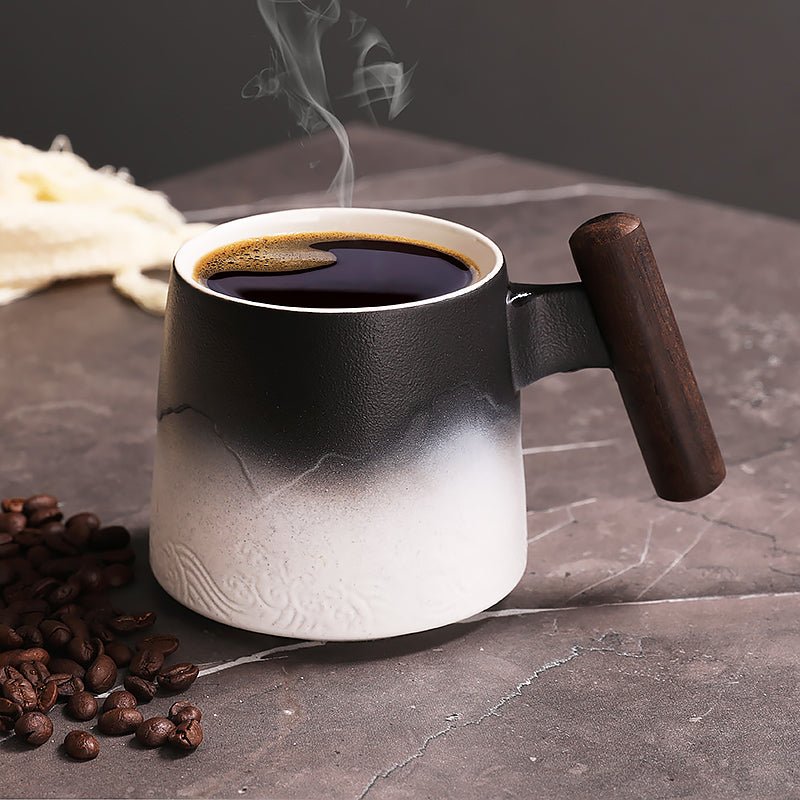
Royal Norfolk Coffee Mugs: What Buyers Should Check Before Ordering
A practical guide to royal norfolk coffee mugs, including size, material, handle comfort, and care trade-offs so you can compare options before buying.
En savoir plus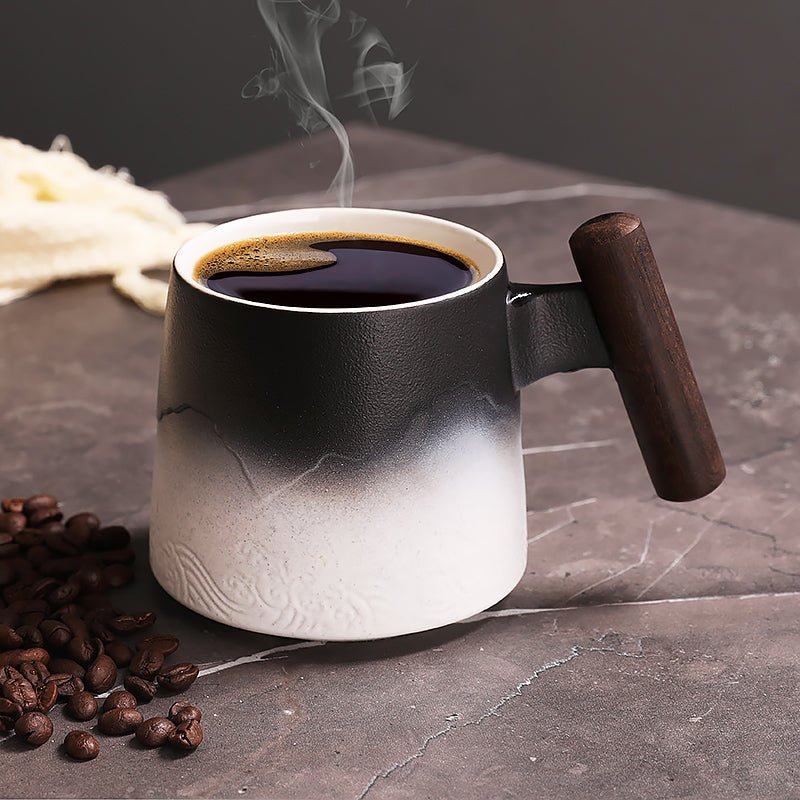
Borosilicate Glass Coffee Mug: What to Check Before You Buy
A borosilicate glass coffee mug is a smart pick for hot coffee, tea, and clean-looking desk setups, but the right size and wall style matter more than most shoppers expect. We break down what to ch...
En savoir plus
Laisser un commentaire
Ce site est protégé par hCaptcha, et la Politique de confidentialité et les Conditions de service de hCaptcha s’appliquent.