
Coffee Mug Oz: How to Choose the Right Size for Daily Use
Reading time: about 10 minutes
A 14 oz mug can look perfect on the shelf and feel awkward under a low cabinet. A 10 oz mug can feel compact and easy to hold, then run out too soon during a long morning. That is why coffee mug oz matters as a buying decision, not just a label on a product page.
In our store, we see shoppers choose mugs by how they actually drink: a quick black coffee at the desk, a tea break between meetings, a latte with milk, or a gift for someone who always wants a larger pour. We handle that same question every day, so we pay attention to the details that show up in real use: rim comfort, handle clearance, weight when full, and whether the shape fits a normal dishwasher rack without making the rest of the load miserable.
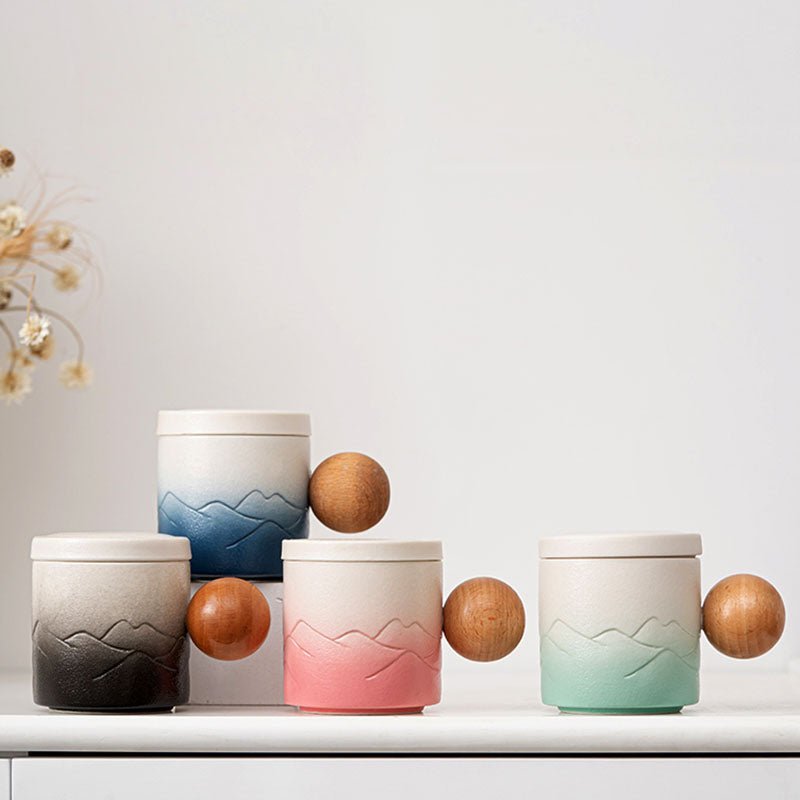
If you want to compare a few examples while you read, start with Mountain Sea II Coffee Tea Mug with Wooden Handle, The Cloud Coffee Tea Mug Wooden Handle, and The Rock Coffee Tea Mug. You can also browse our full collection if you want to compare shapes and finishes side by side before deciding.
What does coffee mug oz actually tell you?
The ounce number tells you the mug's nominal capacity, not the way it feels in daily use. A mug that is marked 12 oz is not usually filled to the rim, because you need room for steam, milk, crema, and a safe carry from the counter to the table. That is why two mugs with the same printed capacity can feel very different in the hand.
Three things change the real experience fast: the height of the mug, the width of the mouth, and the thickness of the wall. A tall narrow mug keeps heat a little longer and fits in tighter spaces. A wide mug cools faster but gives more room for milk and makes stirring easier. A thicker wall usually feels sturdier, but it can also make a mug heavier before you even pour in coffee.
That is the practical part many shoppers miss. A coffee mug oz number is only a starting point. The better question is, how much do you actually pour, and where will you use it most: kitchen counter, office desk, bedside table, or car-free morning routine?
Which coffee mug oz fits your drink routine?
For most buyers, the choice comes down to habit. If you rarely finish a large drink, a smaller mug saves space and feels balanced. If you refill often or make milk-heavy drinks, a mid-size or larger mug is usually less annoying.
| Size | Best for | How it usually feels | Main trade-off |
|---|---|---|---|
| 10 oz | Smaller coffee servings, tea, espresso drinks with milk | Compact, light, easy to hold | Needs refills sooner |
| 11 oz | Standard home coffee, everyday use, gifting | Balanced and familiar | Can still feel small for big lattes |
| 12 oz | Most daily coffee drinkers, office use, mixed drinks | Roomy without being bulky | Takes a little more cabinet space |
| 14 oz | Large pours, long sipping sessions, colder mornings | Substantial and relaxed | Can feel heavy when full |
If you are stuck between sizes, 11 oz and 12 oz are usually the safest middle ground for a standard drip coffee drinker. A 10 oz mug is a better fit if you like a smaller serving and do not want much extra room in the cup. A 14 oz mug makes sense if you consistently pour more and want fewer refills, but it is not the cleanest choice for someone who prefers a lighter mug in the hand.
We point shoppers to specific size guides for the same reason we ask about their routine first. If you are leaning smaller, our 10 oz Coffee Mug: Size, Fit, and What to Check Before You Buy and 10 oz Coffee Mug: What Fits, What Doesn’t, and What to Buy cover that size in more detail. If you are choosing a larger everyday mug, our 12 oz Coffee Mug Buying Guide for Fit, Comfort, and Daily Use is the best next read, and our 14 oz Coffee Mug: What Buyers Should Check Before They Buy helps if you want a bigger pour.
How do handle style, rim shape, and mug weight change the feel?
Two mugs with the same coffee mug oz size can feel totally different because the handle and body shape change the balance. A rounder body may sit nicely in the hand but feel bulkier on a crowded desk. A straighter profile usually stacks and stores better, though it can feel less relaxed for long sipping sessions.
Handle style is one of the first things we look at in our store. Wooden-handle styles, like Mountain Sea II Coffee Tea Mug with Wooden Handle and The Cloud Coffee Tea Mug Wooden Handle, bring a different feel than a plain ceramic loop handle. They can be comfortable and visually distinct, but they are not always the best fit for people who want a mug that lives in the dishwasher every day without checking care notes first. If the handle is wood, we would treat that as a care item, not an afterthought.
Rim shape matters too. A thin, even rim usually feels better on the lips, while a rough glaze line or uneven lip can be noticeable every single morning. Weight matters just as much. A heavier mug can feel sturdy on a kitchen counter, but if you carry it from room to room, that extra weight becomes part of the buying decision.
We also pay attention to common defect modes because they are easier to notice before purchase than after. A mug can have a slightly uneven foot ring that makes it wobble, a handle joint that feels sharp, a glaze run near the rim, or a finish that looks fine from across the room but feels rough where your fingers actually rest. Those are the details that separate a mug you keep from a mug you stop reaching for.
What should you check before you buy a coffee mug oz online?
Shopping online means you cannot feel the mug before it arrives, so the product page has to do more of the work. We recommend checking a few practical details before you buy.
- Capacity versus usable fill. Look for the stated ounce size, then assume the real drinking level sits below the rim.
- Top diameter. A wider opening is easier for milk drinks and stirring, while a tighter opening tends to hold heat a bit better.
- Handle clearance. Make sure your fingers fit comfortably without touching the mug body when it is full.
- Care instructions. Wooden handles, specialty finishes, and textured surfaces may need gentler washing than all-ceramic mugs.
- Base and foot ring. A stable base matters on smooth counters, office desks, and crowded dish racks.
Our team looks for the same things when we inspect a mug for store presentation or packing. The goal is simple: a mug should pour, carry, clean, and store without creating small daily annoyances. That is why a size choice is never just about ounces. It is also about where the mug lives, how often you use it, and whether you want something compact or generous.
If you are comparing mugs for a gift, that checklist matters even more. A 12 oz mug is usually easier to gift than a highly specialized size because it fits more routines. A 10 oz mug can be excellent for tea drinkers or smaller coffee servings, but it is less universal. A 14 oz mug is a stronger choice for someone who always asks for the bigger cup, but it may be too much for a person who prefers lighter tableware.
Which coffee mug oz size works best for gifts and office use?
For gifts, we usually prefer sizes that do not force the recipient into one narrow habit. That is why 11 oz and 12 oz are the most flexible starting points. They work for drip coffee, tea, and smaller milk drinks without feeling oversized on a desk or crowded shelf.
For office use, the deciding factors are a little different. A desk mug should be stable, easy to lift with one hand, and not so oversized that it blocks a keyboard, notebook, or laptop dock. A compact 10 oz mug can be great for a quick coffee break, but a 12 oz mug is often better if the drink sits on the desk for a while and you do not want to make frequent refills.
If you want a mug that feels a little more distinctive without moving into novelty territory, a wooden-handle design can be a good middle path. It gives the mug a clear visual identity and can make a simple coffee routine feel more deliberate. The trade-off is maintenance, so it is a better fit for buyers who are comfortable checking care notes instead of expecting every mug feature to behave exactly the same way.
For a broader look at what different capacities mean in practice, our 11 oz Coffee Mug: Size, Fit, and What to Check Before You Buy is a useful companion read if you want another middle-size reference point.
What size should you buy if you want the least regret?
If you want the shortest path to a good decision, start with how much you usually pour, then work outward from there. If your normal coffee is small and you like a lighter mug, choose 10 oz. If you want a safe middle ground for daily use, 11 oz or 12 oz usually makes the most sense. If you know you want a larger cup and do not mind the extra weight, 14 oz is the more relaxed pick.
Here is the practical shortcut we use with shoppers:
- Choose 10 oz if you prefer smaller servings, tea, or shorter drinking sessions.
- Choose 11 oz if you want a familiar everyday mug that works in many settings.
- Choose 12 oz if you want a roomy daily mug without jumping into oversized territory.
- Choose 14 oz if you want fewer refills and usually pour a larger drink.
That is also the reason we keep multiple styles in the catalog. Different buyers need different answers, and one mug size does not solve every routine. If you want to compare options before you commit, the full collection is the fastest place to start because you can compare shape, handle style, and capacity without jumping between unrelated pages.
Frequently asked questions
Is an 11 oz coffee mug too small for everyday coffee?
For many people, no. An 11 oz mug is a very normal everyday size for drip coffee, tea, and smaller milk drinks. It starts to feel small only if you regularly pour large servings or want extra room for creamer and foam.
Is a 14 oz mug too big for office use?
Not always, but it depends on your desk setup and your drinking habits. A 14 oz mug is good if you want fewer refills and do not mind a heavier cup, but it can feel bulky on a crowded workstation. If you prefer a lighter mug that disappears into the background, 12 oz is usually easier to live with.
What coffee mug oz is best for latte or cappuccino?
Most buyers end up in the 10 oz to 12 oz range for those drinks. A smaller size works better if you want the drink to feel concentrated and balanced, while a 12 oz mug gives you more room for milk and foam. If you routinely make a larger latte, 14 oz can make sense, but it is not necessary for everyone.
Do wooden-handle mugs need special care?
Usually, yes, or at least more attention than an all-ceramic mug. The safe move is to check the care notes for the specific product and avoid treating the handle like a fully sealed ceramic part unless the listing says otherwise. If you want a mug that is easier to wash without thinking about the handle material, an all-ceramic option is often simpler.
What is the most versatile coffee mug oz size to buy first?
If you want one mug that fits the most routines, 12 oz is often the easiest starting point. It leaves enough room for a normal coffee pour without feeling oversized, and it usually works better than smaller mugs for people who like a little extra space in the cup. If your drinks are consistently small, though, 10 oz may be the better fit.
If you are narrowing your choice now, use three checks: the drink you pour most often, the size of the mug in your hand, and whether the care instructions match your routine. Then compare the 10 oz, 12 oz, and 14 oz guides, and open our collection to pick the shape that fits your counter, desk, and daily coffee habit.
Read more
Jesus Coffee Mug: Size, Print Quality, and Gift Value
A good Jesus coffee mug should do three things well: feel right in the hand, hold up to daily use, and carry the message clearly. Here is how we judge size, print quality, and gift value before we ...
En savoir plus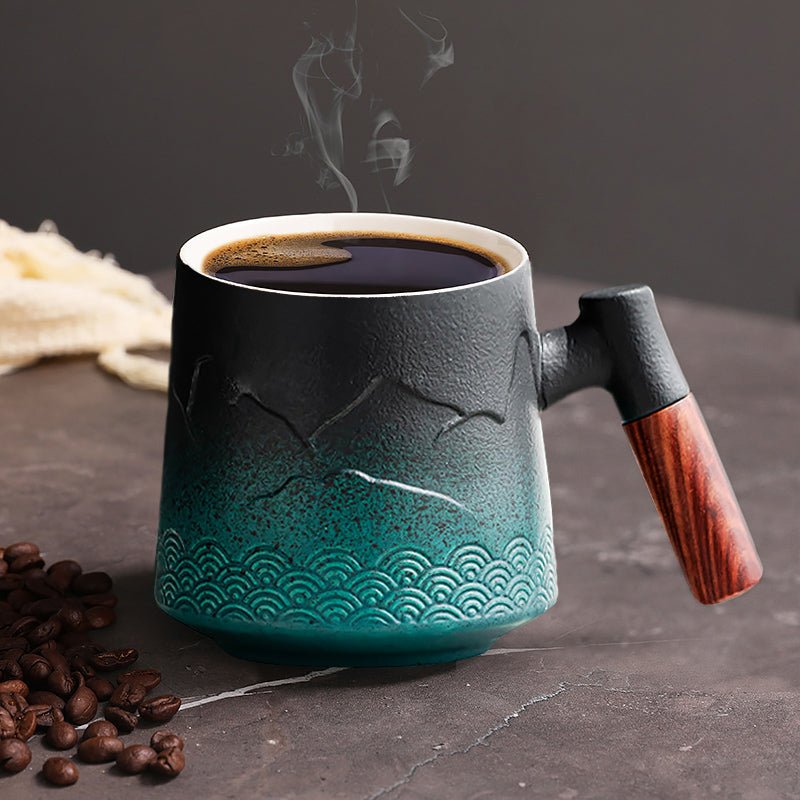
Coffee Mugs with Pictures: How to Choose a Mug That Holds Up
Coffee mugs with pictures need more than a nice image. We break down print quality, size, finish, and everyday use so you can choose a mug that looks good on day one and still feels right after reg...
En savoir plus
Laisser un commentaire
Ce site est protégé par hCaptcha, et la Politique de confidentialité et les Conditions de service de hCaptcha s’appliquent.