
Coffee Mug Oz Guide: How to Pick the Right Size for Daily Use
Reading time: about 9 minutes
A 12 oz mug sounds standard until you pour a latte, add cream, and realize the cup is already closer to the rim than you expected. We see that mismatch all the time in our store: shoppers want one mug that works on a kitchen counter, an office desk, and maybe as a gift, but the oz number alone does not tell the full story.
Coffee mug oz is a useful starting point, not the whole decision. In our experience, the right size depends on how you drink, how full you actually pour, and whether you want room for milk, foam, or a second refill without switching mugs.
If you add cream, milk, or foam regularly, size up one step. The extra headroom matters more in daily use than the label on the box.
What does coffee mug oz actually measure?
The oz number is the mug's stated capacity, usually measured close to the rim. That is not the same as your comfortable working fill. Most people do not fill a coffee mug to the top, because coffee splashes, tea needs steam room, and lattes need space for foam or milk.
That is why a mug labeled 12 oz can feel different from another 12 oz mug. One may be taller and narrower. Another may be wider and easier to sip from. The shape changes the real experience, even before you think about color or handle style.
For shopping, treat the oz label as the first filter. Then check the diameter, height, and handle clearance. Those details tell you whether the mug will fit under a machine, sit comfortably in your hand, and stay stable on a crowded desk.
Which coffee mug oz size works best for daily coffee?
For everyday use, most buyers end up comparing a few familiar sizes. A smaller mug can be better for black coffee or tea. A larger mug is often easier for milk drinks, long desk sessions, or people who hate constant refills.
| Size | Best for | What it feels like | Main trade-off |
|---|---|---|---|
| 10 oz | Drip coffee, tea, smaller pours | Compact, quick to finish, easy to hold | Less room for milk or foam |
| 11 oz | Standard single servings | Balanced and familiar on most desks | Can feel tight if you like a large pour |
| 12 oz | Most daily coffee drinkers | Still manageable, but with a little more room | May still be small for lattes with extra milk |
| 14 oz | Big pours, milk drinks, slower sipping | Generous and relaxed | Heavier when full and takes more cabinet space |
If you are deciding between smaller options, our guides to the 10 oz Coffee Mug: Size, Fit, and What to Check Before You Buy and the 11 oz Coffee Mug: Size, Fit, and What to Check Before You Buy cover the smaller end in more detail. If you are leaning toward a roomier everyday mug, our 12 oz Coffee Mug Buying Guide for Fit, Comfort, and Daily Use is the natural next read.
For many shoppers, 12 oz is the practical middle ground. It works for a standard pour, it usually leaves space for cream, and it does not overwhelm a small hand the way some oversized mugs do. That said, 12 oz is not the best choice for everyone. If you routinely top off your drink with a lot of milk, a 14 oz mug is usually easier to live with.
What should you check besides oz?
We always tell buyers to look past the capacity number. A mug can be the right size on paper and still feel wrong once it reaches your kitchen shelf or office desk. Here is the short checklist we use when comparing mugs in our store.
- Diameter: A wider mug cools faster and can feel more open at the lip. A narrower mug keeps heat longer and can fit better in smaller hands.
- Handle clearance: If the handle opening is tight, the mug may feel awkward once it is full. This matters more than many shoppers expect.
- Wall thickness: Thicker walls often feel sturdier and hold heat differently, but they can also make the mug feel bulkier in the hand.
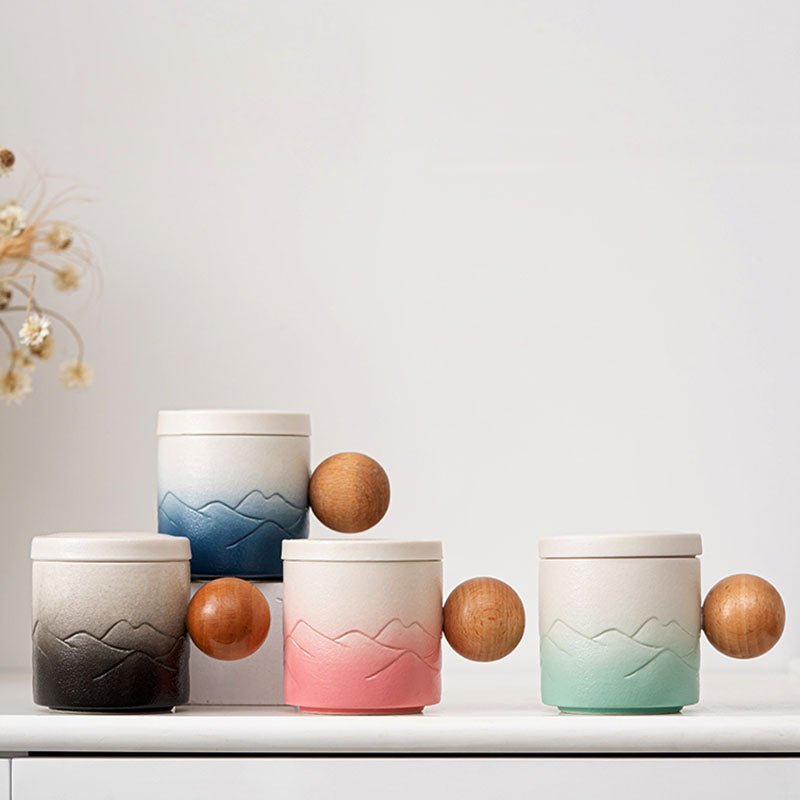
- Material mix: A mug with a wooden handle is not the same as a one-piece ceramic cup. Mixed materials can change care, drying, and long-term wear.
- Daily setting: A mug that lives on a kitchen counter all day has different needs than one that gets carried to meetings or loaded into the dishwasher every night.
A common mistake is buying too large a mug for a black-coffee routine. Another is buying too small a mug for a latte routine, then spilling while trying to top it off. The oz label does not fix those habits. Your drink style does.
Which CoffeifyMug styles make sense for different buyers?
If you want to compare shapes before choosing a size, start with our all mugs collection. That gives you a clean side-by-side view of what feels compact, what feels generous, and which silhouettes look better on a shelf versus a desk.
For shoppers who like a warmer, more tactile look, a wooden-handle mug can change the whole feel of the purchase. Mountain Sea II Coffee Tea Mug with Wooden Handle and The Cloud Coffee Tea Mug Wooden Handle are good examples of that kind of styling. The wood detail makes the mug feel less like a generic kitchen item and more like something you would actually keep on the counter.
If you prefer a more straightforward mug body, The Rock Coffee Tea Mug is the kind of option buyers compare when they want a simpler daily cup without the extra material mix. That style can be easier to pair with other kitchenware, and it removes one variable if you are mainly buying for function.
Here is the practical trade-off. Wooden-handle mugs can feel distinctive and giftable, but they usually ask a little more of you in care and drying. A simpler mug can be easier to wash and stack, but it may feel less special if you are buying for a present. That is a real decision, not a styling preference.
If you are choosing a mug as a gift, think about unboxing as much as use. A mug that looks good on first open tends to do well when the buyer is not already measuring it against the rest of their cabinet. If you are buying for yourself, be stricter: check how the handle sits in your hand, how much room you want for milk, and whether the mug feels stable when set down half full.
What are the common mistakes buyers make with mug size?
The biggest mistakes are usually simple, and they show up fast once the mug is used for a week instead of photographed once.
- Assuming the label equals usable volume. The actual comfortable pour is often lower than the listed capacity.
- Ignoring how you drink. Espresso-style black coffee, cappuccino, and tea do not need the same amount of room.
- Choosing by looks alone. A mug can look perfect online and still feel too tall, too narrow, or too heavy in person.
- Skipping care details. Mixed materials, especially wooden handles, deserve different handling than a plain ceramic body.
- Buying too small for desk use. If you sip slowly during work, a smaller mug cools faster and may force extra refills.
We also see buyers underestimate how often a mug gets moved. A mug used at home can live a quiet life. A mug used in an office, a studio, or a car-to-desk routine has to survive more handling, more temperature changes, and more chances to get knocked against a sink edge.
That is why a practical coffee mug oz choice is part measurement, part routine planning. If you only care about the first sip, almost any size can work. If you care about how the whole cup performs from first pour to final rinse, the differences matter.
How should you care for a mug with mixed materials?
If the mug includes a wooden handle, treat it differently from a fully glazed ceramic cup. Wood and ceramic do not age the same way. Repeated soaking, leaving the handle wet, or sending it through care cycles that the product page does not recommend can shorten the clean look you want to keep.
For that reason, we suggest checking the product page before you buy and before you set a routine. If the listing gives specific washing guidance, follow that guidance rather than assuming all mugs behave the same way. That is especially true for gift purchases, because the buyer may not know the care details until after the item is already in use.
In general, a simpler ceramic mug is easier to stack, rinse, and dry. A mixed-material mug offers more character, but it asks you to pay attention to what touches water, heat, and detergent. That trade-off is worth it for many buyers, but it should be a conscious choice.
Frequently asked questions
Is a 12 oz coffee mug big enough for a latte?
For a standard latte, 12 oz is often workable, but it can feel tight once you add milk and foam. If you like extra room or a larger pour, 14 oz is usually the safer pick. If you only make smaller milk drinks, 12 oz can still be a good everyday size.
Does coffee mug oz include the handle?
No. The oz number refers to liquid capacity inside the cup, not the handle. That is why handle shape and clearance still matter when you are comparing mugs online.
What size coffee mug is best for daily drip coffee?
Most daily drip coffee drinkers end up happiest in the 10 oz to 12 oz range. Ten oz feels compact and quick, while 12 oz gives you a little more room without becoming bulky. The right choice depends on how much you usually pour and how slowly you drink it.
Are wooden-handle mugs harder to care for?
Usually, yes. A wooden handle adds a material that should not be treated exactly like ceramic, so drying and washing habits matter more. If you want the easier-care option, a simple ceramic mug is usually less fussy.
Should I choose a 10 oz or 14 oz mug?
Choose 10 oz if you want a smaller, faster-finished cup and usually drink black coffee or tea. Choose 14 oz if you want room for milk, a larger pour, or a slower desk session. If you are unsure, 12 oz is often the middle ground that covers the most routines.
If you are still deciding, compare three things side by side: the mug's labeled oz, the shape of the handle, and how much room you want above the liquid. Then browse our all mugs collection and pick the mug that fits your routine, not just the number on the label.
Read more
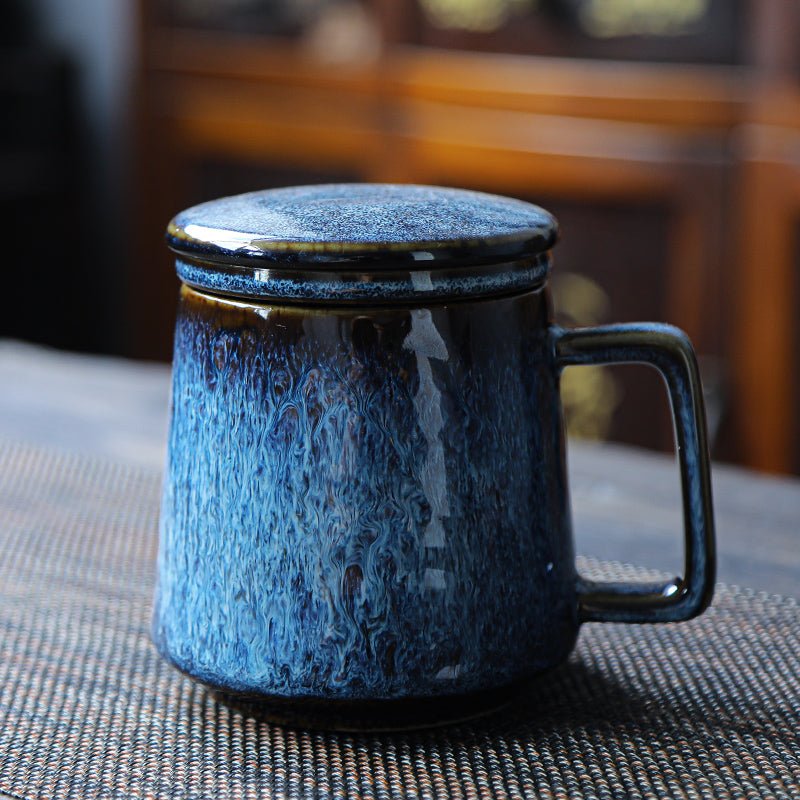
Sunflower Coffee Mug Buying Guide for Size, Style, and Care
A practical look at what separates a good sunflower coffee mug from one that only looks good online. We cover size, handle feel, finish quality, and the trade-offs that matter before you buy.
En savoir plus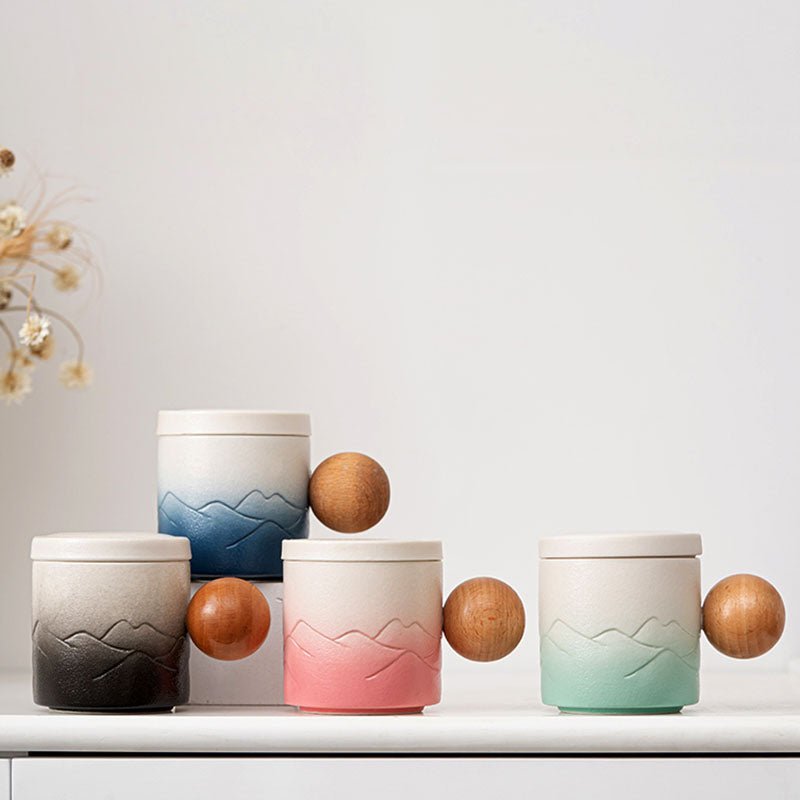
Wide Bottom Coffee Mug Buying Guide for Daily Use and Fit
A practical look at wide bottom coffee mugs for desk use, kitchen counters, and gifting. We cover what makes the shape stable, what to check before buying, and where the trade-offs show up in daily...
En savoir plus
Laisser un commentaire
Ce site est protégé par hCaptcha, et la Politique de confidentialité et les Conditions de service de hCaptcha s’appliquent.