
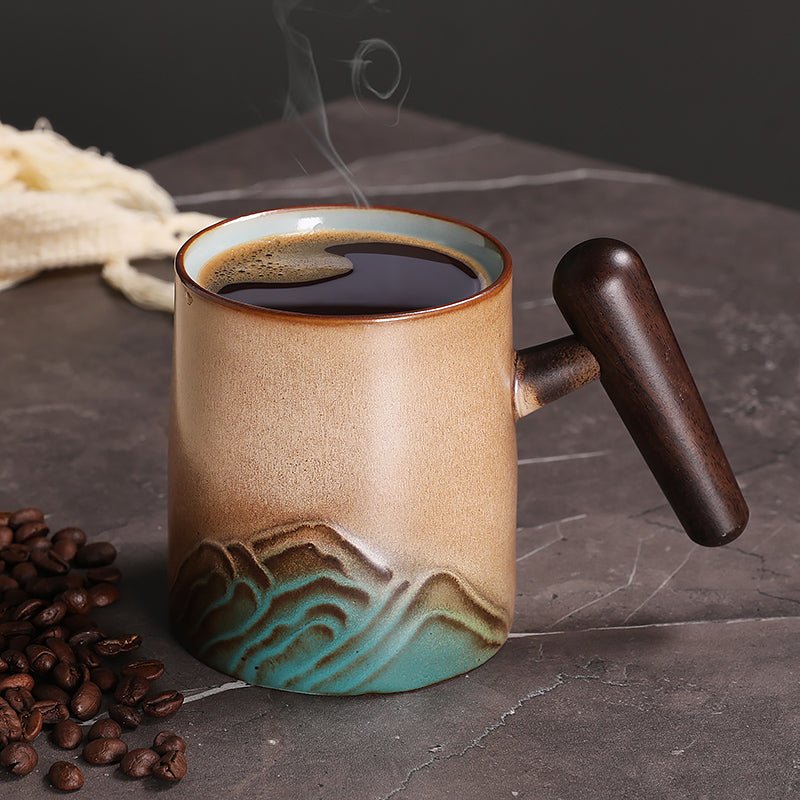
Coffee Mug Oz Guide: How to Choose the Right Size Before You Buy
Reading time: about 8 minutes
A mug looks right on the shelf and still feels wrong in the hand. We see that most often with buyers who assumed a coffee mug oz size would match the cup they use every day, then discover it is too small for a full pour or too large for the pod machine under the cabinet.
At CoffeifyMug, we handle this category a lot, so we look at mug size the same way shoppers do: how much coffee fits, how it feels on a desk, whether it clears a machine head, and whether it survives daily dishwashing without becoming annoying to use. If you are comparing options, our full collection is the fastest place to see the range we carry, and this guide will help you narrow the number before you click.
What does coffee mug oz actually mean?
Coffee mug oz refers to the mug's capacity, usually measured in fluid ounces. In practice, that number is the fill amount the mug can hold if filled near the top, not the amount of coffee you should always pour in. Most shoppers use it as a shorthand for how large the mug feels in real life.
There is a catch. A labeled 12 oz mug may not comfortably hold 12 oz of hot coffee if you want room for milk, foam, or a safer sip margin. That is why we tell buyers to think about the usable fill, not just the printed capacity.
In our store, we also see confusion between drink size and mug shape. Two mugs can both be 12 oz, but one is tall and narrow while another is short and wide. That changes heat retention, hand feel, and whether the mug fits under a brewer.
Which coffee mug oz size fits your daily drink?
The best size depends on what you actually pour into it. A black drip coffee drinker usually needs less room than someone adding cream, sugar, or milk foam. Someone using a tall latte recipe needs a different shape than a person who just wants a quick morning cup at the office.
| Common mug size | Best for | Trade-off |
|---|---|---|
| 10 oz | Smaller coffee servings, tea, espresso drinks with little milk | Can feel tight for a full drip pour |
| 11 oz | Standard everyday coffee, gifting, desk use | Not ideal if you like extra room for milk or creamer |
| 12 oz | Balanced daily use, moderate pours, most home brewers | May be small for long mornings or large hands |
| 14-16 oz | Larger coffee servings, tea, cocoa, office refills | Heavier when full and slower to cool |
| 18-20 oz | Big pours, iced drinks, people who do not want refills | Bulky on a crowded desk and often too large for compact machines |
For a closer look at the smaller end, our posts on the 10 oz Coffee Mug, 11 oz Coffee Mug, and 12 oz Coffee Mug go deeper into fit and buying checks.
How do you pick the right size for home, office, or gifting?
The setting matters more than people expect. A mug that feels perfect in a quiet kitchen can be awkward in an office cubicle with a low shelf or in a gift box that needs to feel substantial without being oversized.
- Home kitchen: A 12 oz or 14 oz mug is often the most forgiving if you make drip coffee, tea, or cocoa.
- Office desk: 11 oz to 16 oz works well if you want enough coffee to last a meeting without constant refills.
- Gift buying: 11 oz is a safe middle ground because it feels familiar and usually suits most drinkers.
- Travel mug substitute: A large ceramic mug can work at a desk, but it is not a true travel solution. It is not the right pick if you need spill resistance.
We often advise shoppers to think about the most common first use, not the rare one. If you mainly drink one cup at breakfast, an oversized 20 oz mug may end up feeling clumsy. If you refill all morning, a small mug may become irritating fast.
For buyers who want to compare larger sizes, our guides to the 14 oz Coffee Mug, 15 oz Coffee Mug, and 16 oz Coffee Mug cover the common middle sizes people cross-shop most often.
What size details should you check before ordering?
Capacity alone is not enough. We check a few practical details on every mug because those are the things customers notice after the box arrives on the counter.
- Diameter at the rim: A wider opening cools coffee faster and can feel easier to sip, but it may splatter more in a busy kitchen.
- Height: Taller mugs often fit more comfortably under the hand but can fail to clear low espresso machines or cabinet shelves.
- Handle clearance: A handle that is too tight to the body can pinch knuckles, especially when the mug is full and hot.
- Weight empty: Heavier ceramic mugs can feel sturdy, but a big 16 oz or 20 oz mug becomes noticeably heavier when filled.
- Interior glaze and rim finish: A smooth glazed interior is easier to rinse, while a rough rim or uneven glaze can feel less refined in daily use.
These are not cosmetic details. They affect the mug you grab first each morning. A beautiful mug that is awkward to hold gets left in the cabinet.
What materials and care details matter most?
Most shoppers in this category want ceramic, and for good reason. Ceramic holds heat reasonably well, feels solid in hand, and suits both everyday coffee and gifting. That said, ceramic is not indestructible. A mug can chip on a sink edge, develop hairline cracks after repeated thermal shock, or lose its clean look if the glaze is thin.
We usually recommend checking for these practical care details before buying:
- Dishwasher use: Confirm the mug is suited to regular dishwasher cycles if you plan to use it daily.
- Microwave use: Make sure there are no metallic accents if you want microwave convenience.
- Stain visibility: Lighter interiors can show coffee marks sooner, which matters if you use dark roast or tea.
- Thermal shock risk: Avoid moving a hot ceramic mug straight onto a cold stone counter or filling it with boiling water after a cold rinse.
In our experience, the common complaint is not that the mug broke on day one. It is that the handle gets too hot, the cup stains faster than expected, or the mug is too heavy to use comfortably for a second refill.
Is a bigger coffee mug oz always better?
No. Bigger only helps if you actually use the extra space. A larger mug can be a bad fit for people who drink espresso, smaller pour-overs, or carefully measured coffee recipes. It can also cool more slowly, which sounds good until you realize the last few sips are lukewarm after sitting too long.
There are real trade-offs:
- Bigger mugs are better for milk-heavy drinks, long work sessions, and people who dislike refilling.
- Smaller mugs feel more controlled, warm up faster, and fit better under compact brewers.
- Medium mugs are the safest all-around choice if you are buying for someone else.
If you want a larger serving without going too bulky, our 18 oz Coffee Mug and 20 oz Ceramic Coffee Mug Buying Guide help explain where big mugs make sense and where they do not.
How do we help shoppers choose without guessing?
We try to make the choice concrete. If a customer tells us, “I want one cup of drip coffee before work and I hate refilling,” we do not steer them to the smallest mug. If they say, “I use a single-serve machine and I want something that fits under the spout,” we narrow the search quickly.
Our advice is simple: match the mug to the machine, the drink, and the hand holding it. A good mug should feel normal on a kitchen counter, not just look nice in a product photo.
We see the same pattern again and again: shoppers are happiest when the mug size fits their routine, not when it only looks impressive on the shelf.
If you are still undecided, compare the options side by side and think through the smallest details: cabinet clearance, dishwasher use, handle size, and how much coffee you really pour on a weekday morning.
Fast next routes
If you are close to choosing and do not want to bounce through five more tabs, these are the most useful next routes from this size guide.
- Want the shortest shopper route: open Pick a Mug Fast.
- Still deciding between capacities: compare the Coffee Mug Size Guide.
- Want a real-life small-space use case: read Small Coffee Corner Ideas.
- Prefer a quick visual compare first: use the Product Image Gallery.
- Reviewing as an editor or buyer: go to the Product Media Kit.
That path keeps the decision practical: first narrow the size, then choose the route that matches how you actually shop.
Frequently asked questions
How many ounces is a standard coffee mug?
Most standard coffee mugs fall around 11 oz to 12 oz, though you will also see 10 oz, 14 oz, and larger sizes. The best choice depends on whether you want a compact everyday cup or a mug with room for milk, foam, or a second pour.
Is a 12 oz coffee mug enough for a full cup of coffee?
For many people, yes. A 12 oz mug usually works well for a normal drip coffee serving, but if you add a lot of creamer or like a very full pour, it can feel tight. We usually suggest 12 oz for balanced daily use.
What coffee mug oz size is best for gifting?
An 11 oz mug is usually the safest gift size because it feels familiar and suits most drinkers. It is not the best choice if the person only drinks large lattes or prefers oversized desk mugs.
Do larger mugs keep coffee hotter longer?
Not always in a way that matters to the user. A larger mug holds more liquid, which can change how fast it cools, but shape and wall thickness matter too. A very wide mug may actually lose heat faster because of the larger surface area.
What size should I choose for an espresso drink with milk?
If you want room for milk, a 10 oz to 12 oz mug is usually the practical range. A smaller cup can feel cramped once foam or steamed milk is added, while a very large mug can make the drink feel diluted and oversized.
If you want to compare mug sizes by use case, start with our collection and look for the size that matches your routine. Then check the linked size guides for 10 oz, 11 oz, 12 oz, and the larger mugs if you are choosing between two close options.
Related from our store
Read more
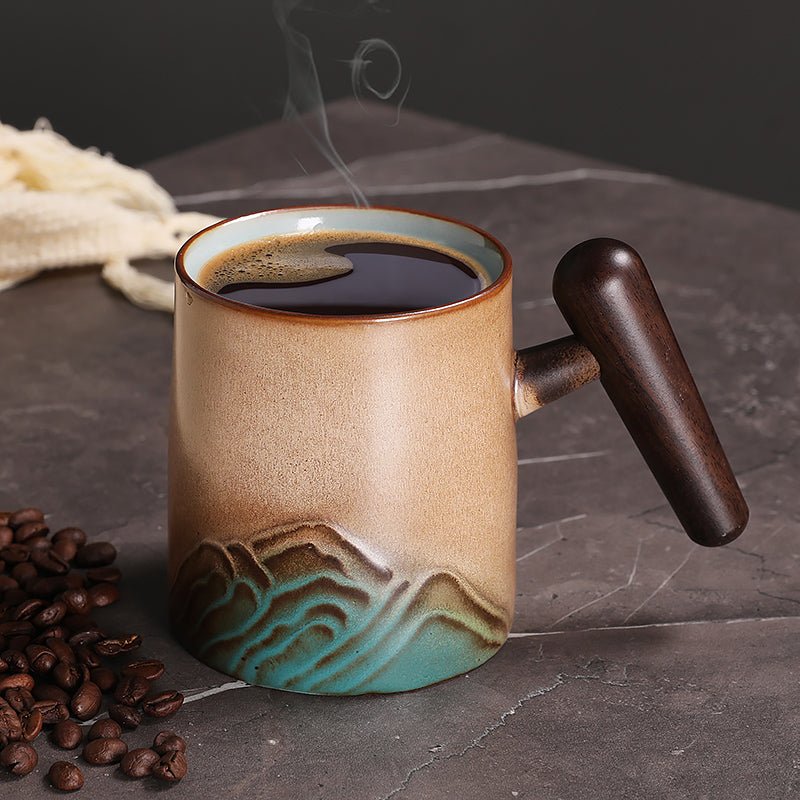
Blue Mug Coffee Escondido: What to Check Before You Buy
If you are searching for blue mug coffee escondido, the real decision is usually less about the phrase and more about size, finish, and how the mug feels in daily use. Here is how we help shoppers ...
En savoir plus
To Go Coffee Mug Buying Guide: What to Check Before You Order
A practical guide to choosing a to go coffee mug for commuting, office use, and everyday carry. We cover lid fit, insulation, size, materials, and the trade-offs that matter before you buy.
En savoir plus
Laisser un commentaire
Ce site est protégé par hCaptcha, et la Politique de confidentialité et les Conditions de service de hCaptcha s’appliquent.