
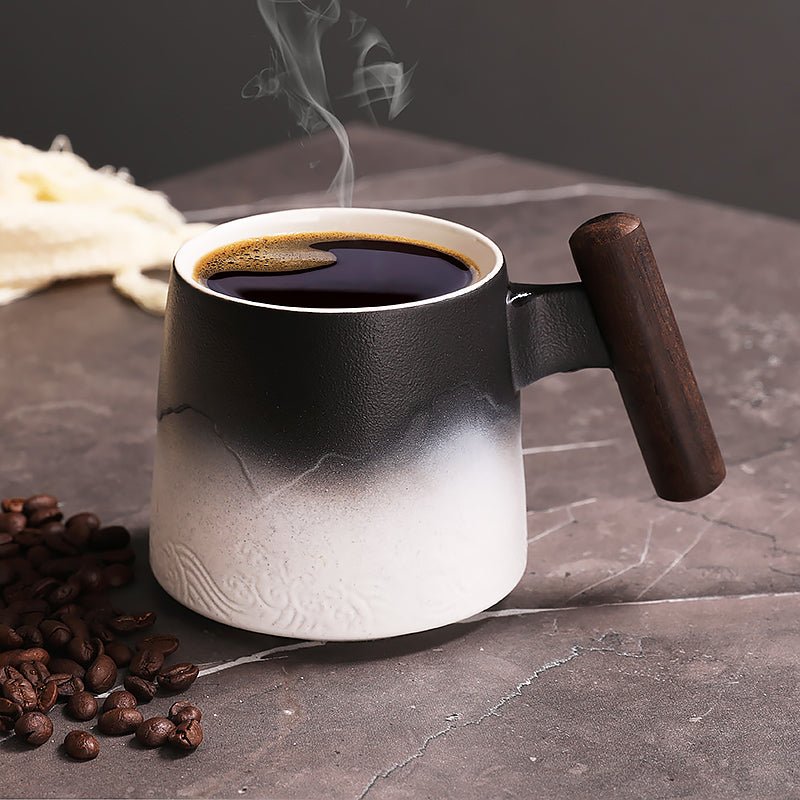
Coffee Mug Organizer Guide: Best Styles, Fit, and Materials
Reading time: about 9 minutes
The cabinet door closes, but only if the front mug sits sideways. That small compromise is usually the first sign that storage is working against you. A good coffee mug organizer should make each cup easy to grab, keep handles from knocking together, and use the dead space that often goes unused above or beside your everyday mugs.
In our store, we spend a lot of time looking at mug shapes that seem close online but behave very differently on a shelf. A straight-sided 11 or 12 ounce ceramic mug is easy to line up. A thick stoneware mug with a broad foot, a squared handle, or a novelty loop handle takes more clearance than most shoppers expect. That is why we always suggest choosing storage around the mugs you already use, not around a staged photo of six matching cups.
What should a coffee mug organizer actually solve?
The best organizer solves a practical problem, not just a visual one. Maybe your upper cabinet wastes vertical space above short mugs. Maybe your coffee station is on a narrow counter, and the mug stack keeps sliding every time someone reaches for the sugar jar. Maybe your office shelf fits the mugs, but the handles catch on each other in the morning rush.
A useful coffee mug organizer should do four things well:
- Protect the mugs: rims, handles, and glaze should not rub every time you pull one out.
- Improve access: you should be able to remove a daily-use mug with one hand.
- Use space better: it should turn unused height or depth into storage, not add bulk for no reason.
- Match your routine: daily mugs need speed and easy cleaning, while guest mugs can live in slower, less visible storage.
If you only own two or three mugs and your cabinet already works, an organizer may add more parts than value. The same is true if most of your drinkware is made up of tall travel tumblers with lids. Standard mug racks are built around open-handled cups, not bottle-shaped drinkware.
Which organizer style fits your space best?
Style matters because each layout trades one convenience for another. A countertop tree is fast to use but always visible. An under-shelf rack saves room but needs enough clearance above and below the shelf. A wall rack can look tidy on a coffee bar, but it is a poor fit if you do not want to install hardware or if you rearrange the space often.
| Style | Best for | Main limitation |
|---|---|---|
| Countertop tree or stand | Daily mugs, coffee bars, open counters | Uses visible counter space and collects dust faster |
| Under-shelf hook rack | Short cabinets with unused space below a shelf | Not ideal for extra-thick shelves or very heavy mugs |
| Shelf riser | Cabinets with shorter mugs and decent shelf height | Works best when mug heights are fairly consistent |
| Wall-mounted rail or peg rack | Dedicated coffee corners and display setups | Needs installation and stable wall placement |
For most households, a countertop stand is the easiest setup to live with because loading and unloading are quick, and you can see exactly what is available. For smaller kitchens, under-shelf storage usually earns its keep because it uses vertical space that would otherwise stay empty. If you are pairing storage with new mugs, our full collection helps you compare shapes that will sit very differently on a tree, rack, or riser.
One trade-off is often overlooked: display storage keeps mugs accessible, but it also keeps them exposed to grease, steam, and dust. That may be fine beside a home espresso machine. It is less appealing next to a busy stovetop or in an office break room that gets wiped down in a hurry.
How much clearance do your mugs really need?
This is where many organizer purchases go wrong. Capacity numbers sound helpful, but six mugs only fit if those six mugs have compatible dimensions. Most everyday ceramic coffee mugs fall somewhere around 3.75 to 4.5 inches tall, but taller latte mugs, oversized gift mugs, and thick-footed stoneware can push well past that. Handles also matter more than people expect. A mug body may fit the shelf depth, while the handle projects another 1.5 to 2 inches and turns a neat row into a tight squeeze.
In many kitchens, upper cabinets are not especially deep inside. Once you subtract door clearance and handle overhang, a rack that looks compact on paper can still crowd the front edge. Mixed mug collections need extra breathing room. If your mugs are all the same shape, you can use tighter spacing. If you own a mix of straight-sided ceramics, rounded stoneware, and wide novelty mugs, go roomier.
- Measure the tallest mug you use weekly. Do not measure the smallest one and hope for the best.
- Measure handle projection. Check how far the handle sticks out from the mug body.
- Measure the storage area. Shelf height, shelf depth, door swing, and counter width all matter.
- Plan for fingers, not just cups. If your hand cannot grip the handle cleanly, the rack is too tight.
We also recommend checking the mugs themselves before you choose an organizer. The silhouettes in our product catalog are a useful reference if you are trying to match storage to slimmer classic mugs versus wider statement shapes. The organizer that works beautifully for a narrow 10 to 12 ounce mug may feel cramped the moment you add a heavier 15 or 16 ounce piece with a thick wall and oversized handle.
What materials hold up after daily use?
Material quality shows up fast in this category. Organizers live near steam, sink splashes, coffee drips, and repeated contact with glazed ceramic. In our experience, the first wear usually appears at hook tips, welded joints, or the base where moisture sits after cleaning.
Powder-coated steel is usually the most dependable all-around choice for everyday use. It handles heavier ceramic mugs better than thin decorative wire, and it tends to stay more stable once fully loaded. Look closely at the welds and the feet. If the base flexes when empty, it will not improve after you hang six dense stoneware mugs on it.
Bamboo and hardwood organizers bring warmth to open shelving and gift setups, but they need better care. A damp cloth followed by a dry towel is enough for normal cleaning. Do not soak them, and do not leave a wet mug sitting on the wood after a dishwasher cycle. That is where swelling, finish lift, and rough edges start to show.
Chrome-plated wire and acrylic can work, but both have clearer limitations. Lower-cost plated wire often wears first at the contact points where the mug handle rubs every day. Acrylic can look clean and minimal, yet it scratches faster and is not our first choice for heavier mugs with thick bases. If you want long-term practicality over display, steel or solid wood usually wins.
One care step that shoppers often skip is drying the mugs fully before hanging them back up. Fresh-from-the-dishwasher moisture tends to collect where the handle rests against metal or where the mug base meets a wooden peg. That does not ruin a good organizer overnight, but repeated wet contact shortens the clean, finished look.
What failure points should you watch for before buying?
Most disappointing organizers fail in predictable ways. The spacing is too tight. The base is too narrow. The hooks angle upward in a way that makes the mug slide into the next one. Or the organizer technically fits the cabinet, but the door no longer closes once the mugs are loaded.
- Handle collision: if two mugs touch before the handles clear each other, daily use will feel clumsy.
- Top-heavy balance: mug trees with narrow bases can lean once heavier cups sit on one side.
- Cabinet interference: under-shelf styles may block taller mugs or keep doors from shutting cleanly.
- Finish wear: thin coatings chip first at the bends, hook ends, and welded joints.
- Weak shelf grip: some under-shelf racks wobble on thick wood shelves or loose laminate panels.
We usually tell shoppers to trust the roomier option unless space is extremely tight. A little extra air around the mugs is rarely wasted. It reduces glaze scuffing, lowers the chance of chipped handles, and makes cleanup easier when coffee splashes or dust collect around the rack.
Is a coffee mug organizer right for a kitchen, office, or gift setup?
Yes, but not every style belongs in every setting. In a home kitchen, the best organizer usually supports the mugs you reach for every morning and keeps them away from the sink splash zone. In an office kitchenette, easy access and wipe-down cleaning matter more than looks because multiple people will grab mugs quickly and put them back in a rush. For a gift setup or open coffee bar, appearance becomes more important, and wood or a clean metal stand can frame the mugs nicely.
There are also times to skip the organizer entirely. If your issue is lid storage, travel tumbler storage, or oversized soup mugs, a standard rack may solve the wrong problem. If every inch of counter is valuable prep space, a countertop tree can become visual clutter. For shoppers updating both storage and drinkware, browsing our collection page or the full products range helps you compare mug shapes before you commit to a rack style.
Frequently asked questions
What size coffee mug organizer fits standard mugs?
Measure the largest everyday mug, not the smallest one hiding in the back of the cabinet. We like to see enough vertical room to lift the mug out without scraping the rim and enough side spacing that the handles do not touch. If your collection mixes slim ceramic mugs and chunky stoneware pieces, size the organizer for the biggest regular-use mug.
Can an under-shelf mug rack hold heavy stoneware mugs?
It can, but only if the metal is sturdy and the shelf fit is secure. Under-shelf racks are not the best option for extra-thick cabinet shelves, loose particleboard, or very heavy oversized mugs. In those cases, a stable countertop stand or a stronger wall-mounted solution is usually safer.
Should mugs go back on the organizer straight from the dishwasher?
It is better to let them dry fully first. Water left around the handle, base, or hook contact point can leave marks on wood and keep metal damp longer than necessary. That small habit helps both the organizer and the mug finish stay cleaner over time.
Is a countertop mug tree worth it in a small kitchen?
It can be, especially if you have a dead corner beside the coffee maker and use the same four to six mugs every day. It is not a great choice if your counter doubles as prep space or if you dislike open storage that needs occasional dusting. The right answer depends on whether speed or a clear worktop matters more in your routine.
Measure your shelf or counter first, then line up the six mugs you use most and choose the organizer style that suits those shapes instead of a generic capacity claim. If you are still comparing mug sizes and silhouettes, browse our full collection and all products to match your storage plan to the mugs you actually want within reach.
More from our blog
Read more
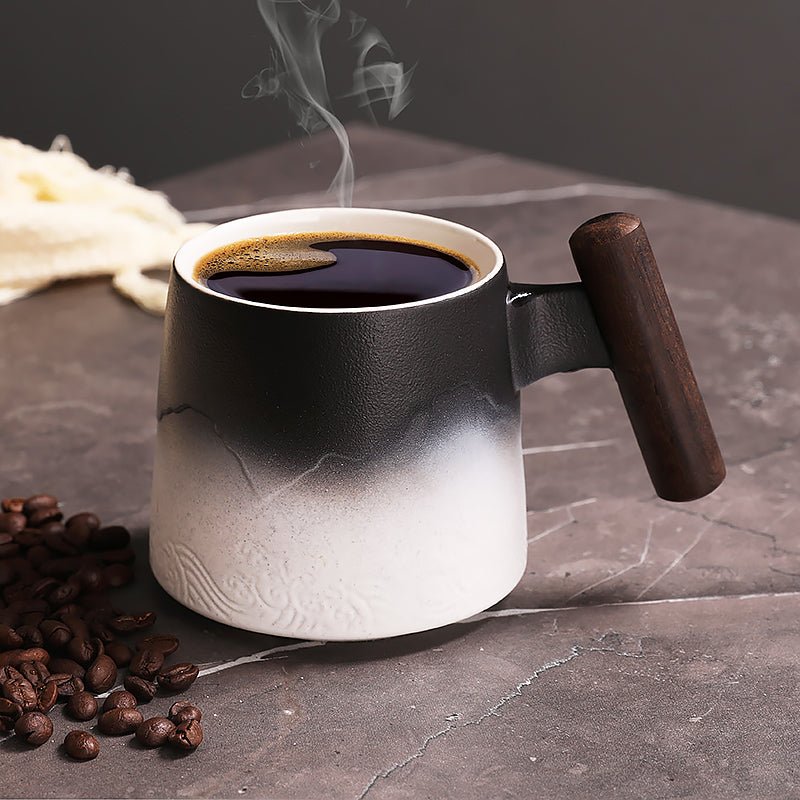
Coffee Mug Hooks: What to Check Before You Buy
Coffee mug hooks can free up cabinet space, but the wrong mount, hook depth, or finish can lead to wobble and chipped mugs. This guide breaks down what to check before you buy so you can choose a s...
En savoir plus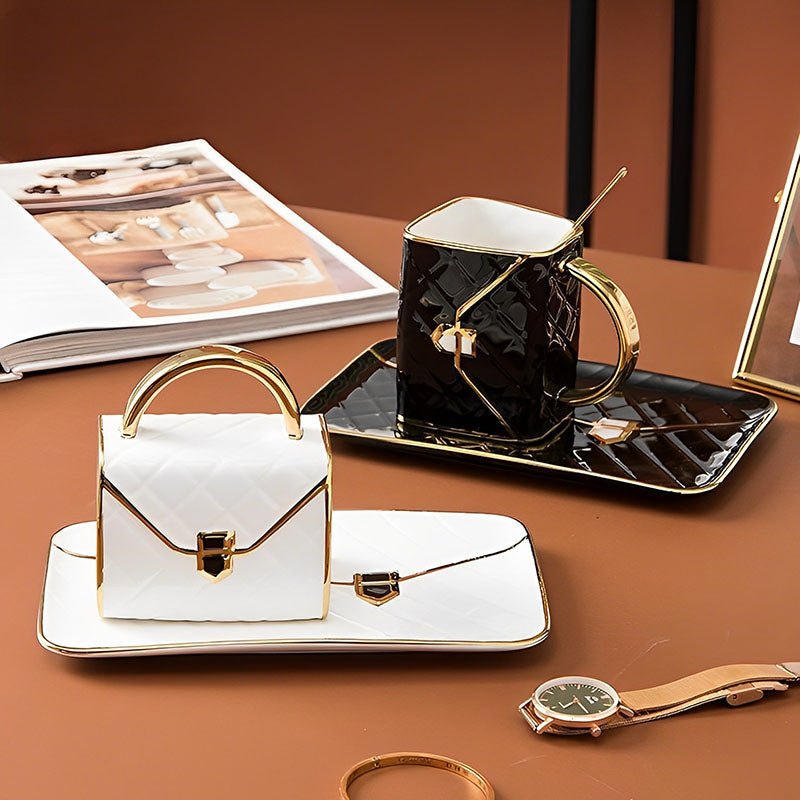
Coffee Mug Sayings That Fit the Person, the Size, and the Gift
Coffee mug sayings work best when the line matches the person, the mug size, and the way it will be used. We break down what reads well, what to avoid, and how to compare options before you buy.
En savoir plus
Laisser un commentaire
Ce site est protégé par hCaptcha, et la Politique de confidentialité et les Conditions de service de hCaptcha s’appliquent.