
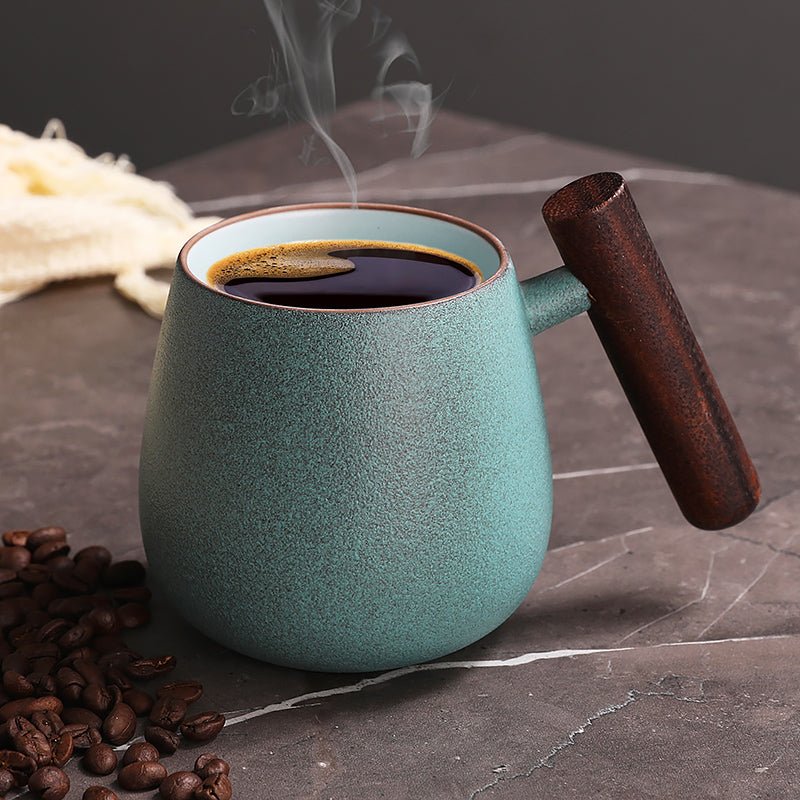
Coffee Mug Meals: What Works, What Fails, and Which Mug Fits
Reading time: about 9 minutes
We see the same mistake over and over: a shopper buys a mug for coffee, then tries to use it for oatmeal, soup, or an egg breakfast and discovers the shape is wrong for food. The mug looks fine on a shelf. On a counter, with a spoon moving around and steam building up, the wrong profile spills, splashes, or gets awkward fast.
That is why coffee mug meals need a different lens than coffee alone. The best mug for eating is not always the prettiest one, and the best-looking mug is not always the one that cleans up easiest after a quick lunch at a desk.
What are coffee mug meals, really?
We use the term coffee mug meals for any single-serving food that is mixed, heated, or eaten directly from a mug. Think breakfast oatmeal, a quick soup, scrambled eggs, mug cakes, or a late-night snack that only needs one vessel and one spoon.
The appeal is simple. Less washing up. Smaller portions. Faster prep. For a lot of people, that matters more than picture-perfect plating. A mug meal is useful when you want something warm and contained, not a full bowl setup.
That said, mug meals are not a substitute for every dish. A mug is narrow. A spoon has less room to move. Foods that need stirring, layering, or a lot of browning usually do better in a bowl or skillet. If you want a broad buying baseline before choosing a mug for food use, our guides on 10 oz Coffee Mug: Size, Fit, and What to Check Before You Buy and 12 oz Coffee Mug Buying Guide for Fit, Comfort, and Daily Use are useful starting points.
Which mug shape works best for food?
In our store, we usually separate mug buyers into two groups: people buying for drinks only, and people who want the mug to pull double duty for food. The second group needs to pay attention to shape more than decoration.
Wide-mouth mugs are easier for spooning and stirring. Tall mugs hold heat well and can feel more stable for liquid-heavy meals, but they are tighter to work in. That trade-off matters if you are making oatmeal or eggs at a kitchen counter where you do not want toppings sliding over the rim.
For shoppers who want a more food-friendly feel, our White Golden Waves Tall Coffee Tea Mug and Mountain Tall Coffee Tea Mug are the kind of tall profiles that suit hot breakfasts and soups better than very shallow novelty mugs. If you are comparing across styles, the full collection is the quickest place to see what shape feels right before you buy.
The decorative side matters too. A mug such as our Handbag Coffee Tea Mug can be a strong gift or display piece, but it is not the first mug we would choose for a messy, high-stir recipe. The shape is part of the appeal, and the shape is also the limitation.
| Mug style | Best for | Trade-off |
|---|---|---|
| Wide, open mug | Oatmeal, mug cakes, scrambled eggs | Less spill control if overfilled |
| Tall mug | Soup, brothy meals, cereal with milk | Tighter space for stirring |
| Novelty mug | Gifting, display, lighter snacks | Often less practical for food prep |
What coffee mug meals actually work well?
Some meals are simply more mug-friendly than others. The sweet spot is a recipe that cooks evenly in a small volume, does not need a wide surface area, and can be eaten with a spoon without breaking apart.
These usually work well
- Oatmeal with fruit, nuts, or a spoonful of nut butter
- Mug eggs or a quick scramble with cheese and herbs
- Brothy soup or a small portion of chowder
- Mug cake for a single dessert serving
- Yogurt bowls with granola if you are not heating the mug
There is a practical reason these work. They either stay loose enough to spoon easily or they cook in a way that tolerates a tighter container. A mug with a capacity around 10 to 12 ounces usually gives enough room for a modest breakfast without feeling oversized on a desk. If you go smaller, you lose headroom. If you go much larger, the portion can start to feel awkward for everyday use.
That is one reason shoppers comparing sizes often revisit our size-focused guides, especially 11oz Coffee Mug: Size, Fit, Materials, and What to Check. Food use is less forgiving than drink use, and a mug that looks fine at 8 a.m. can feel cramped once you add oats, milk, and toppings.
What does not work well in a mug?
Some foods are a poor fit for coffee mug meals no matter how appealing they look online.
- Anything that needs a lot of stirring, because the spoon hits the walls too quickly.
- Layered dishes that rely on neat stacking or a broad topping surface.
- Large-batch recipes, because overflow is almost guaranteed.
- Foods that need browning, since a mug does not give you the pan surface you need.
- Very dry or very thick mixtures, which can heat unevenly and leave cold spots.
We also think it is fair to say what a mug is not good for. It is not the right vessel for a full lunch portion, and it is not the best choice if you want a meal with crisp texture. A mug softens edges. That is useful for comfort food, less useful for anything that depends on crunch.
Common failure mode: the food is fine, but the mug is the problem. A handle that gets hot, a base that rocks on the counter, or a rim that is too thin can make a simple meal annoying to use. That is why we look at the mug as kitchen gear, not just decor.
How do we choose a mug for food instead of just coffee?
Our team looks at mug handling the same way we would on a packed morning at the store or in a kitchen after a delivery arrives. We want a mug that feels steady, cleans up well, and does not make a simple meal harder than it needs to be.
- Check the rim. A smooth, even rim makes eating more comfortable and reduces the chance of chips showing up quickly.
- Look at the handle clearance. If your fingers touch the body too quickly, the mug can feel awkward when it is hot.
- Watch the base. A mug that rocks even slightly is frustrating on a desk or countertop.
- Favor a shape that matches the food. Tall for liquids, wider for spoonable foods, and novelty shapes for display or gifting.
- Think about cleanup. Food use creates more residue than coffee alone, especially with oatmeal, cheese, or broth.
We also pay attention to the practical defects that show up in real use: hairline glaze cracks near the base, chipped lips from stacking, and handles that do not leave enough room for a comfortable grip. Those problems may not matter on day one, but they show up quickly once a mug starts cycling through the microwave, the sink, and the dishwasher.
If you want a mug that can move between breakfast and coffee without feeling fussy, the safer bet is usually a simple, stable design rather than a highly sculpted one. That is why our tall styles tend to make more sense for mug meals than very ornate silhouettes.
How do you keep mug meals from overflowing or turning soggy?
A good mug meal is as much about technique as it is about the mug itself. We have seen plenty of good recipes fail because the mug was filled too high, the liquid ratio was off, or the cook gave up on stirring halfway through.
- Leave headspace. Do not fill the mug to the brim. Steam and bubbling need room.
- Stir in stages. Dry ingredients should be mixed before heating if the recipe allows it.
- Use a wider spoon for dense foods. It helps you reach the bottom without crushing the top layer.
- Heat in short bursts. This is especially useful for eggs and oatmeal, which can go from underdone to rubbery quickly.
- Add toppings after heating. Fresh fruit, herbs, and crunchy pieces stay better that way.
There is also a cleaning angle. Mug meals with cheese, egg, or starch residue are easier to wash when you rinse them soon after use. Letting food dry onto the glaze makes the next cleanup take longer, especially on mugs with narrower openings. If the mug is a daily desk companion, that matters.
Which mug is best if I want one cup for coffee and food?
If you want one mug to do both jobs, we would start with a straightforward, medium-capacity mug rather than a novelty shape. Food use needs a little more headroom, and coffee use still benefits from a comfortable handle and a stable base.
For shoppers comparing options, this is usually the point where the decision gets clearer. A mug that looks great in photos may not be the mug you want after three weeks of breakfast use. The best dual-purpose mug is the one you do not have to think about when it is hot, full, and sitting next to a keyboard.
That is also why we suggest checking size-focused articles before buying if you are unsure. The difference between a compact mug and a roomier one is small on a product page, but it is obvious when you are trying to add milk, oats, or broth without making a mess.
Frequently asked questions
Can you make a full meal in a coffee mug?
You can make a single-serving meal in a mug, but not a full plated dinner. Coffee mug meals work best for breakfast, soup, dessert, or a quick snack. If the recipe needs a lot of volume or a wide surface, a bowl or pan is the better tool.
Is a 10 oz mug too small for mug meals?
Not necessarily, but it is tighter. A 10 oz mug is fine for smaller portions and simple recipes, yet it leaves less room for stirring and steam. If you plan to use the mug for oatmeal or broth-based meals, a bit more capacity is usually easier to live with.
Are tall mugs or wide mugs better for food?
Wide mugs are better for stirring and spooning thicker foods. Tall mugs are better for liquids and can feel more contained, which helps with soups or brothy breakfasts. We usually recommend choosing based on the food you will make most often, not just the look.
What foods should not go in a mug?
Avoid foods that need a broad cooking surface, deep browning, or a lot of mixing room. Large portions, crispy dishes, and anything that depends on a pan-style texture are poor fits. A mug is best when the recipe is compact and spoon-friendly.
How do I choose a mug for daily breakfast use?
Look for a stable base, a comfortable handle, and a shape that gives you enough headroom. A smooth rim and an easy-to-clean glaze also matter more than people expect once the mug becomes part of the morning routine. If you want a quick comparison, start with the full collection and match the mug shape to the meal you actually plan to make.
If you are ready to choose, start with the mug shape first, then compare it against the food you want to make most often. For a practical shortlist, check our collection, compare it with the mug-meal checklist above, and then pick the mug that gives you enough space to eat without fighting the rim.
Read more
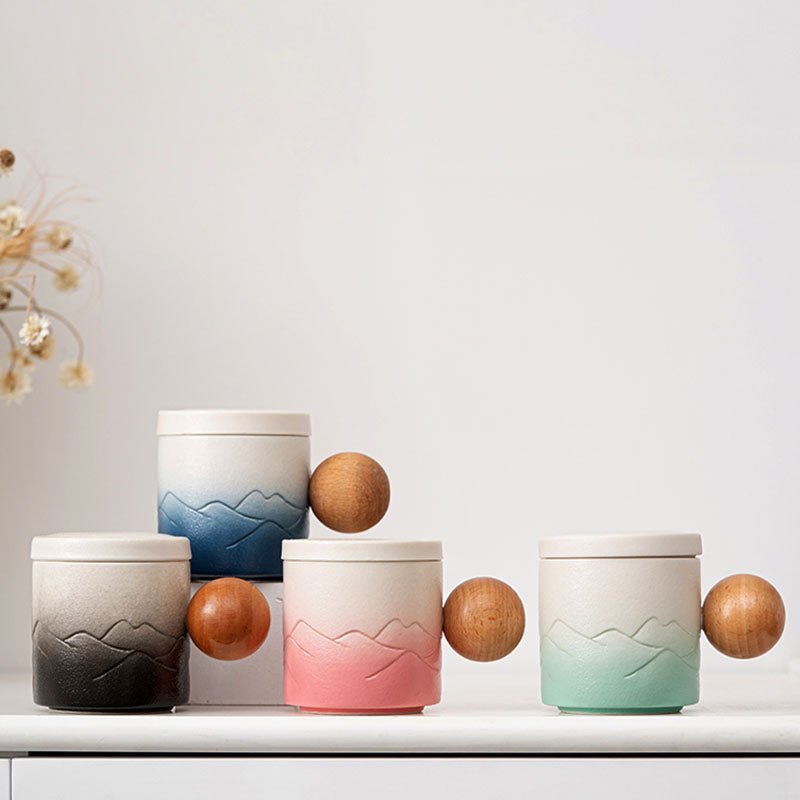
One Piece Coffee Mug: How to Choose the Right One for Daily Use
A one piece coffee mug can mean a cleaner silhouette, fewer seams, and a more polished feel on the desk or kitchen counter. Here’s how we compare the best shapes, materials, and everyday trade-offs...
En savoir plus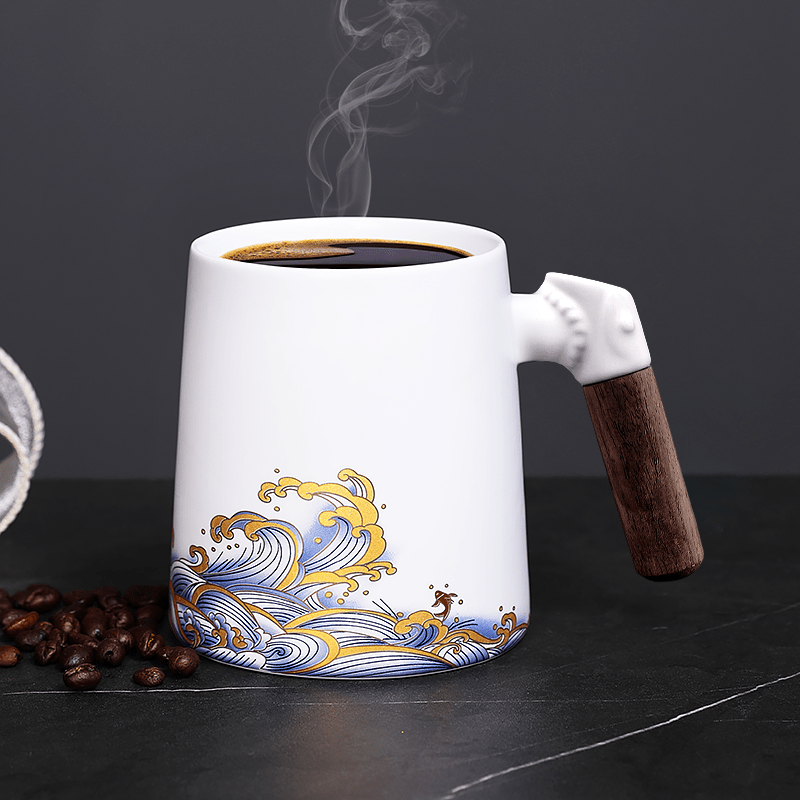
White Castle Coffee Mug: What to Look For Before You Buy
A practical buying guide for shoppers comparing a white castle coffee mug, with real-world notes on fit, finish, care, and who this style suits best. We also point you to a matching product and rel...
En savoir plus
Laisser un commentaire
Ce site est protégé par hCaptcha, et la Politique de confidentialité et les Conditions de service de hCaptcha s’appliquent.