
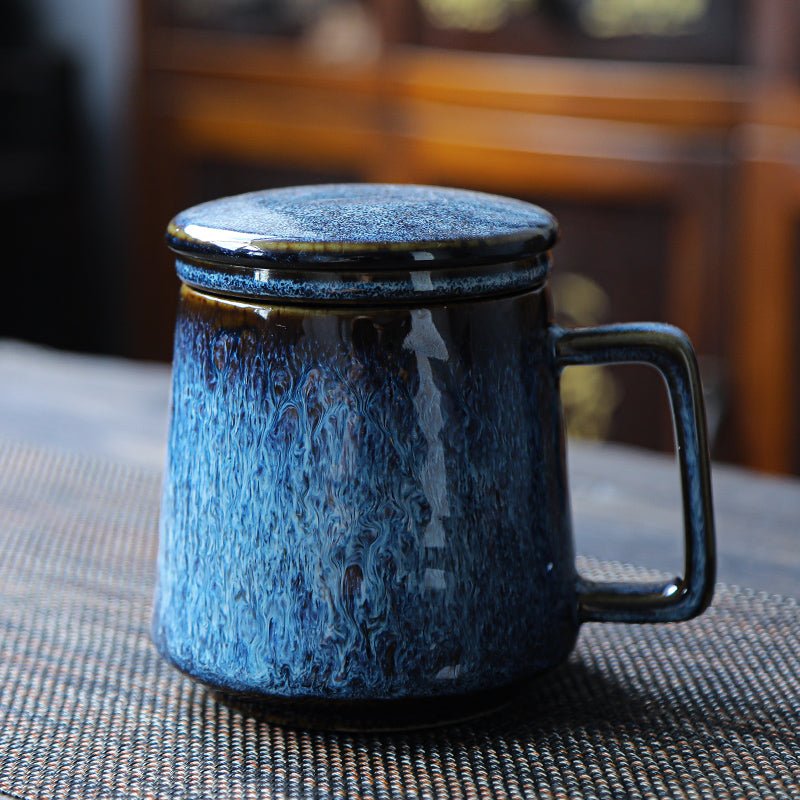
Coffee Mug Hooks: How to Choose the Right Fit for Your Kitchen
Reading time: about 8 minutes
A mug collection starts taking over a cabinet one handle at a time. Then the first hook goes up in the wrong spot, a mug sits too close to the wall, and the whole row starts swinging when someone grabs a cup at 7 a.m.
That is usually where coffee mug hooks either earn their place or get pulled back down. In our store, we see shoppers use them for small kitchens, coffee bars, office break rooms, and gift setups where a shelf would feel bulky. The right hook system keeps mugs reachable, frees cabinet space, and makes the display look intentional. The wrong one chips rims, pulls on weak hardware, or leaves the mugs bouncing against each other.
What are coffee mug hooks best for?
Coffee mug hooks are best when you want daily-use mugs off the shelf and close at hand. They work especially well under cabinets, on a wall rail, inside a pantry door, or beneath a coffee station shelf. They are not the best fit for oversized travel mugs, very heavy handmade stoneware, or any mug with a handle that needs more clearance than a narrow hook can provide.
We usually recommend them when the goal is simple access. If you are building a small coffee corner, hanging the mugs is often cleaner than stacking them. If you are trying to store a large mixed set with different handle shapes, a shelf or peg rack may be the safer choice.
Hook storage is not a cure-all. It works best with standard handled mugs and a solid mounting surface.
Which hook type fits your space best?
There is no single hook style that wins everywhere. The best choice depends on the surface, how permanent you want the setup to be, and how heavy the mugs are. We look at coffee mug hooks the same way we look at any daily-use hardware: the mount matters as much as the hook itself.
| Hook type | Best for | Trade-off |
|---|---|---|
| Under-cabinet screw-in hooks | Permanent kitchen setups and heavier mugs | Needs a solid wood surface and leaves holes |
| Adhesive hooks | Rentals, light mugs, temporary layouts | Less reliable near steam, grease, or repeated loading |
| Wall rail hooks | Coffee bars and open-shelf displays | Needs visible hardware and a rail system |
| S-hooks on a rack | Flexible layouts and easy rearranging | Can swing more and look messy if spacing is tight |
If you want a setup that stays put, screw-in hardware is usually the most dependable. If you rent or like to change the layout often, removable hooks can make sense, but we would not use them for a heavy row of mugs above a kettle or espresso machine. Heat and steam are not kind to weak adhesives.
What should you check before buying coffee mug hooks?
Most bad hook installs fail because someone skipped the fit check. The hardware may look fine in the package and still be wrong for the cabinet lip, the handle shape, or the mug weight. Before you buy, check these points:
- Hook depth and opening. The mug handle should sit naturally on the hook without binding against the cabinet face or wobbling forward.
- Surface material. A solid wood underside is different from laminate, drywall, tile, or metal. The mount has to match the surface.
- Spacing. Mugs need enough room to hang without knocking each other when one is removed.
- Finish. Coated steel and stainless-style finishes usually hold up better in kitchens than bare metal that stains or rusts.
- Cleaning access. Hooks near the coffee maker should be easy to wipe. Grease and dried drips build up fast.
- Weight reality. A decorative mug full of thick ceramic is not the same as a light everyday cup.
For shoppers comparing mug shapes first, our Christmas Coffee Tea Mug, Green Waves Coffee Tea Mug, and Mountain Sea II Coffee Tea Mug with Wooden Handle show why handle style matters. The first two give you a familiar ceramic-mug profile, while the wooden handle on the Mountain Sea II needs more clearance and a smoother hook edge. If you want to compare more shapes before choosing hardware, browse our full mug collection.
For more fit-specific reading, our guides Coffee Mug Hooks Under Cabinet: Fit, Materials, and Buyer's Guide and Coffee Mug Hooks Under Cabinet: What to Check Before You Buy cover the cabinet-side details in more depth. If your mugs are around the common 11 oz size, 11 oz Coffee Mug: Size, Fit, and What to Check Before You Buy helps you sanity-check the handle and body fit before you place the order.
What are the common mistakes that make hook storage fail?
The most common failure is hanging too much weight on too little hardware. The second is spacing the hooks too tightly, which causes mugs to tap rims or tilt forward. We also see shoppers install adhesive hooks on surfaces that collect steam and oil, then wonder why the bond gives up.
Another issue is using the same hook for every mug in the house. A standard ceramic mug and a chunky handmade mug do not behave the same way. One may sit neatly on a slim hook. The other may need a wider bend, a sturdier anchor, or no hook at all.
If your mugs are very heavy, oddly shaped, or frequently washed and rehung, a shelf or peg rack may be the better buy.
Humidity is another quiet problem. Bare metal can spot or rust in a busy kitchen, especially near a kettle. That is why we prefer finishes that are easier to wipe clean and less likely to leave dark marks on white mugs.
How do you install coffee mug hooks so they stay level?
A straight install looks simple, but the details matter. A row that is off by a few millimeters becomes obvious once the mugs hang and start to swing. Our process is deliberate because the setup has to work every day, not just on installation day.
- Measure the cabinet underside or wall rail before you drill or stick anything up.
- Test one mug first so you can see how far it hangs and whether the handle clears the surface.
- Keep the first hook far enough from the edge so the mug does not bump the cabinet face when lifted.
- Leave room between hooks for the mug body and your hand.
- For screw-in mounts, use the right fasteners for the material underneath. Soft cabinet boards need a more careful approach than solid hardwood.
- For adhesive mounts, clean the surface thoroughly and let it dry fully before loading any weight.
- Check the row after a week of use. If a hook shifts, fix it before it becomes a chip mark on the mug below it.
If you are hanging mugs near a coffee maker, keep the row far enough back to avoid steam and splatter. That small gap makes cleaning easier and helps the finish last longer.
What should you buy if you want a tidy coffee bar instead of clutter?
If you want the mug setup to look intentional, choose the hook first and the mug shape second. A tidy coffee bar usually works best with a consistent handle style, a matching finish, and one storage method used across the whole row. Mixing too many shapes can make the space feel busy fast.
That is why we suggest a simple decision path. Start with the surface you have, decide whether the mount needs to be removable, then compare the mug handles you already own. If you are building from scratch, pick mugs that hang cleanly and are easy to reach with one hand.
- Best for permanent kitchens: screw-in hooks with standard handled mugs.
- Best for rentals: removable hooks or a rail system, used with lighter mugs.
- Best for display: matched mug shapes and a finish that coordinates with the cabinet hardware.
- Best for heavy or wide mugs: a shelf or peg system instead of narrow hooks.
We like hook storage when it solves a real access problem. We do not recommend it if the mugs are decorative pieces you rarely use, or if the cabinet underside is too weak to support the mount safely.
Frequently asked questions
How much weight can coffee mug hooks hold?
It depends on the hook material, the fastener, and the surface you mount into. A strong hook on solid wood behaves very differently from an adhesive hook on painted laminate. Do not rely on the hook alone; the mounting surface is part of the load path.
Do coffee mug hooks work in a rental kitchen?
Yes, but removable options are the safer route. Adhesive hooks or a rail system can work if the mugs are light and the surface is clean, dry, and not exposed to heavy steam. For a row of heavier mugs, we would usually avoid adhesive-only setups in rentals.
What material is best for coffee mug hooks?
Stainless-style or coated metal is usually the safest choice for a kitchen because it cleans easily and handles moisture better than bare metal. Wood can look good in a coffee bar, but it is not always the easiest to wipe down. The best material is the one that matches your kitchen conditions, not just your decor.
How far apart should coffee mug hooks be?
Leave enough room for the mug body, the handle swing, and your hand. If the hooks are too close together, the mugs will tap each other every time one is removed. We prefer a little extra spacing over a cramped row that chips rims over time.
Are coffee mug hooks good for large mugs?
Sometimes, but not always. Large mugs often need a wider hook opening and a sturdier mount, especially if they are ceramic and thick-walled. If the mug feels awkward on the hook during a test hang, it is better to switch to a shelf or peg-style storage.
If you are ready to build a cleaner coffee setup, start by measuring your cabinet depth, checking the mug handle style you already own, and deciding whether you need permanent or removable hardware. Then compare your options in our mug collection and choose the mugs that will actually hang neatly on the hooks you plan to use.
Read more
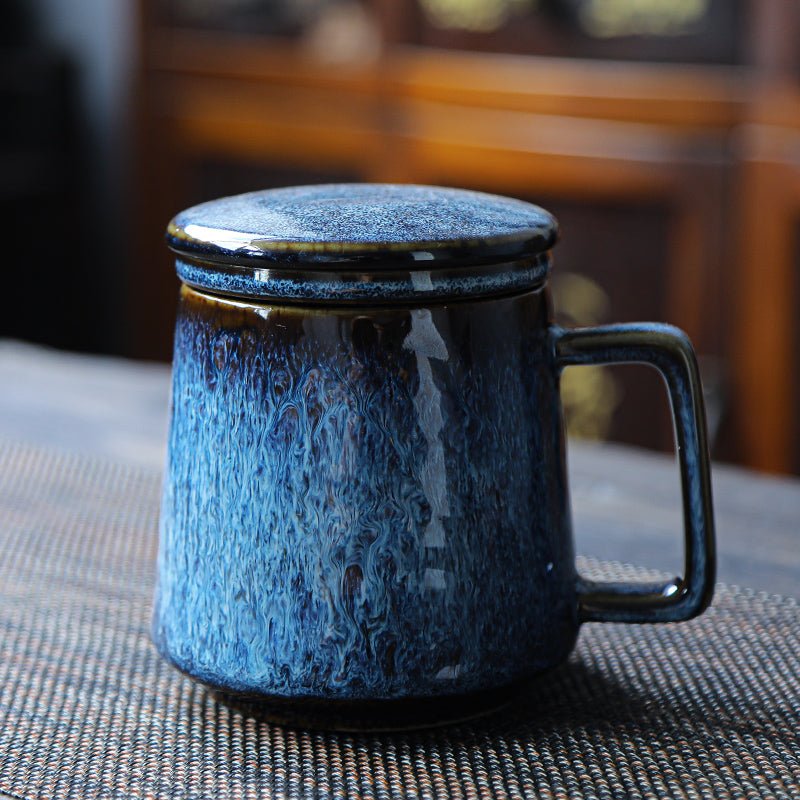
Wide Bottom Coffee Mug: What to Check Before You Buy
A wide bottom coffee mug gives you more stability on a desk or kitchen counter, but the wider footprint changes storage, cup-holder fit, and how the mug feels in hand.
En savoir plus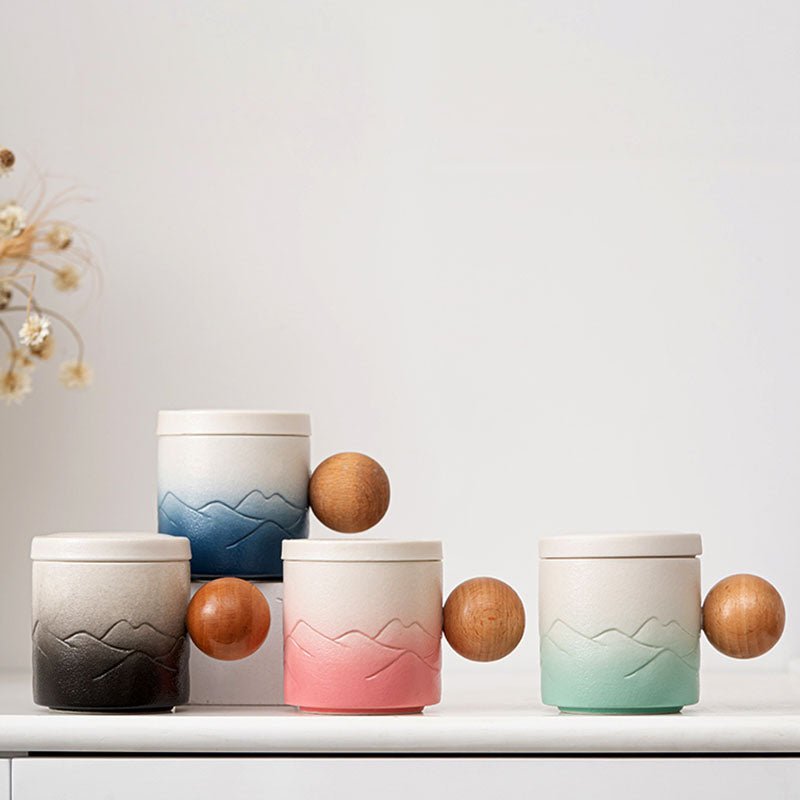
Red Coffee Mug Buying Guide for Everyday Use and Gifting
A practical red coffee mug guide for shoppers comparing size, handle comfort, finish, and care before they buy. We break down what works on a desk, in a kitchen, and as a gift.
En savoir plus
Laisser un commentaire
Ce site est protégé par hCaptcha, et la Politique de confidentialité et les Conditions de service de hCaptcha s’appliquent.