
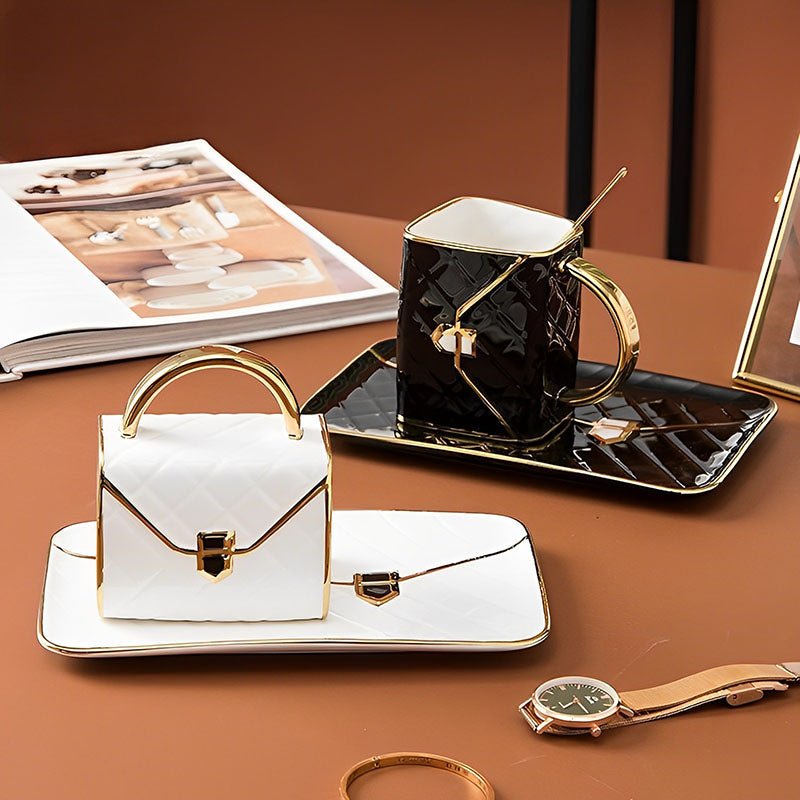
Coffee Cups Cool: What to Buy for Daily Use and Gifting
Reading time: about 9 minutes
A mug can look great on a desk and still be annoying by the third refill. The handle may be too narrow, the walls too thin, or the shape too wide to keep coffee warm during a long morning. That is the gap we try to close in our store: coffee cups cool enough to enjoy seeing every day, but still practical when you are actually drinking from them.
At CoffeifyMug, we handle a lot of mug choices for real kitchens, office desks, and gift boxes. In our experience, buyers usually want three things at once: a cup that feels good in the hand, a size that matches their drink habit, and a finish that survives normal use. If you want a place to compare options quickly, start with our full collection and then narrow down based on material, capacity, and how you wash it.
What makes coffee cups cool without making them hard to use?
A mug earns the label cool when it has a strong visual shape, a finish worth showing off, and details that make sense in daily use. That can mean a matte glaze, a bold print, a clean silhouette, or just a well-balanced handle and body. The problem starts when style outruns function.
We see a few patterns over and over. Very thin ceramic can feel nice at first but cool down fast. Oversized cups look impressive, but if the opening is too wide, coffee loses heat quickly. Decorative finishes can also be the weak point if the mug is not made for repeated dishwasher cycles. If you want a broader look at style-first options that still work, our post on Cool Coffee Mugs That Look Good and Work Every Day is a useful companion read.
Style matters, but the mug still has to fit your hand, your coffee habit, and your cleanup routine.
Which material should you choose for everyday coffee?
Material changes how a mug feels, how long it holds heat, and how much care it needs. We usually narrow it down to a few common categories because each one has a clear trade-off.
| Material | What it does well | Trade-off |
|---|---|---|
| Ceramic | Classic feel, sturdy for daily use, usually easy to clean | Can chip if knocked against sinks or counters |
| Porcelain | Refined look, often lighter and smoother | More delicate than thicker stoneware |
| Stoneware | Heavier, durable feel, good for a cozy desk mug | Can be bulky and slower to dry if hand-washed |
| Glass | Clean modern look, lets you see layered drinks | Shows spots more easily and can feel less insulated |
For many shoppers, ceramic is the safest all-around choice. It usually gives you a solid hand-feel without being precious. Porcelain is better if you want a cleaner, lighter look for a gift or a minimalist shelf. Stoneware works well if you want a heavier mug that feels substantial, but it is not the best pick if you dislike weight or have limited cabinet space. Glass is more niche. It looks sharp for iced coffee, latte layers, or photo-ready setups, but it is not our first recommendation if you want a mug to live through a crowded office dishwasher.
What size coffee mug actually fits your routine?
Size sounds simple until you pour your first cup and realize the mug is either too small or comically large. The right capacity depends on how you drink coffee, not just how the mug looks on a product page.
A standard mug often falls around 11 to 15 oz. That works well for a regular drip coffee, tea, or an espresso-based drink with room for milk. A larger mug makes sense for people who add a lot of creamer, sip slowly, or want one vessel for a long work session. If you are leaning bigger, our guide Big Coffee Cups: What to Check Before You Buy a Large Mug breaks down the sizing questions that matter before you commit. We also cover larger capacities in 20 oz Coffee Mug: What to Check Before You Buy and A buyer's guide to large capacity coffee mugs.
- Choose 11 to 15 oz if you want a classic daily mug, quick refills, and easier cabinet storage.
- Choose 16 to 20 oz if you like larger pours, milk-heavy drinks, or slower sipping at a desk.
- Choose above 20 oz only if you know you really use that much volume; otherwise the mug can feel heavy and awkward when full.
Here is the practical limitation: larger is not always better. Bigger mugs take more space in the dishwasher and can be harder to hold with one hand when full. If you drink coffee fast, a huge mug may be more cup than you need.
Which design details make a mug feel good to hold?
This is the part many shoppers skip, then regret later. A mug can look perfect online and still feel off in the hand. We check handle shape, wall thickness, rim comfort, and balance because those are the things you notice every single morning.
Three details matter most in real use:
- Handle clearance — your fingers should fit without scraping the cup body, especially if you have larger hands.
- Rim comfort — a smooth rim makes a big difference if you drink black coffee or sip directly from the edge.
- Base stability — a mug that sits flat and does not wobble is safer on desks, counters, and car-side buffet setups.
Decorative mugs sometimes sacrifice one of these points for a clever shape. That can be fine if the mug is mostly for display or light use. It is not ideal if you want something for a busy kitchen where mugs are grabbed in a rush, stacked, washed, and reused all week.
How should you care for coffee cups cool enough to keep?
Care depends on the finish, not just the material. Some mugs are made for easy dishwasher use. Others are better washed by hand if the print, metallic detail, or specialty glaze needs more caution. We always recommend checking the care notes before you buy, because the prettiest mug is not helpful if it needs babying every time you use it.
Our general care advice is simple:
- Rinse soon after use so coffee oils do not build up on the glaze.
- Use a soft sponge for printed or matte finishes to avoid dulling the surface.
- Dry fully before stacking if the mug has a heavier stoneware body.
- Avoid sudden temperature shocks, like moving a very hot mug into cold water right away, because that is one way chips and cracks happen over time.
Common defect modes we watch for include hairline glaze issues, handle joins that feel rough, and printed designs that look sharp at first but wear unevenly after repeated washing. A good mug should not ask for special treatment just to survive a normal kitchen routine.
Are cool mugs good gifts, or only for personal use?
They work well as gifts when the design matches the person and the size is sensible. A mug is easy to give, easy to wrap, and easy to use right away. That said, the best gift mugs are not overly specific unless you know the recipient well. A niche joke or a very bold graphic can be funny in the unboxing moment and then awkward on a work desk.
We usually think about giftability in terms of these practical questions:
- Will the person actually use the mug at home or in the office?
- Does the design work for daily viewing, not just a single photo?
- Is the size compatible with their usual drink, whether that is coffee, tea, or hot chocolate?
- Does the finish seem durable enough to survive a real routine?
If you are choosing for a gift, think less about novelty and more about everyday comfort. A mug that looks good after the first use is worth more than one that only performs in a listing photo.
What should you compare before buying coffee cups cool online?
If you are shopping online, compare the details that affect daily use rather than getting distracted by the first image. We do this in our store because those small specs are what determine whether a mug becomes a favorite or gets pushed to the back of the cabinet.
Use this quick checklist:
- Capacity — match the oz size to how much you actually drink.
- Material — choose ceramic, porcelain, stoneware, or glass based on weight and care needs.
- Handle size — make sure it looks easy to grip, not just stylish.
- Finish — matte, gloss, printed, or embossed each ages differently.
- Cleaning — confirm dishwasher and microwave suitability before checkout.
- Use case — desk mug, kitchen mug, gift mug, or display-first mug.
For a deeper buying framework, our article Best Coffee Mug: What Actually Matters for Daily Use is a strong next read if you want to compare what truly matters versus what only looks good online.
Frequently asked questions
What size coffee mug is best for everyday use?
For most people, 11 to 15 oz is the easiest daily size because it fits a normal coffee pour without feeling bulky. If you add a lot of milk or sip slowly over a long stretch, 16 to 20 oz can make more sense. Bigger than that is useful for some buyers, but it can get heavy when full.
Are ceramic coffee cups better than porcelain?
Ceramic is usually a little sturdier and more forgiving for everyday use, while porcelain tends to feel lighter and more refined. If you want a mug that will live on a busy kitchen counter, ceramic is often the safer pick. If you want a cleaner, more delicate look for gifting or lighter use, porcelain can be the better match.
Can cool coffee mugs go in the dishwasher?
Many can, but not all finishes hold up the same way. Printed mugs, metallic accents, and some matte glazes may need gentler care to keep the design looking fresh. Always check the care details before buying, especially if the mug will be used in an office dishwasher.
What makes a mug uncomfortable to hold?
The most common problems are a handle that is too small, a body that is too wide for your grip, or a mug that feels top-heavy when full. Sharp rim edges and rough handle joins can also make a mug annoying to use every day. The best test is simple: the mug should feel balanced when you lift it one-handed.
Are larger mugs a bad choice?
Not at all, but they are best for the right use case. Larger mugs are great if you want one long coffee session, a milk-heavy drink, or more room for tea and cocoa. They are less ideal if you want a lighter cup, quicker heat retention, or easy storage in a crowded cabinet.
If you are ready to compare styles, start with our full collection and filter by the size and finish you actually use, not just the design you first noticed. A mug should look good on the counter, but it should earn its spot there after the first week of dishwasher cycles, desk refills, and early-morning pours.
More from our blog
Read more
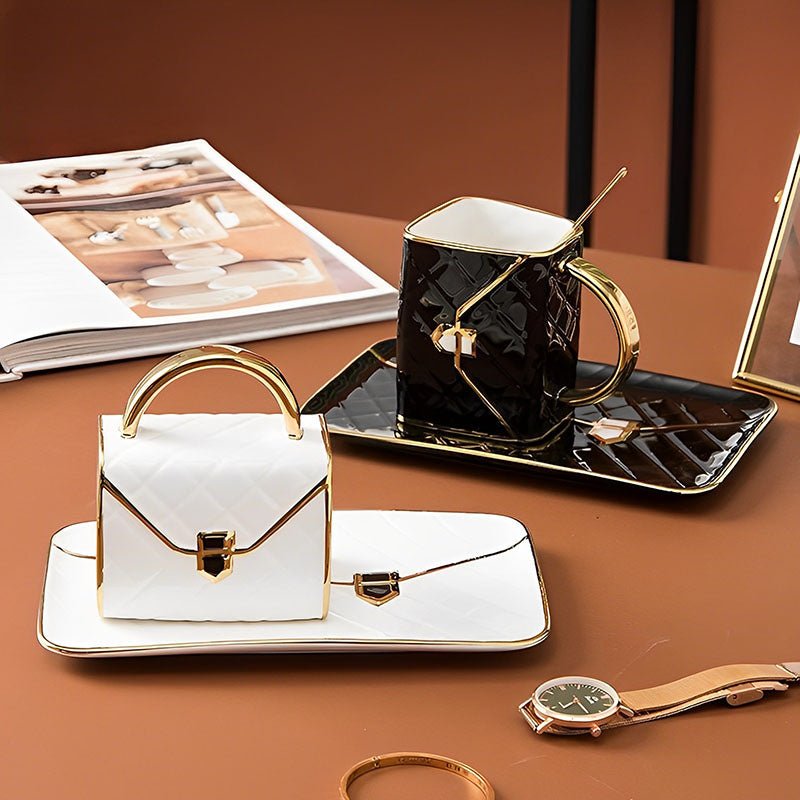
Father’s Day Last-Minute Coffee Mug Gifts Shipped Fast
Need a Father’s Day gift that still feels thoughtful even if you’re ordering late? This guide breaks down which coffee mugs ship fast, which styles fit different dads, and what to check before you ...
En savoir plus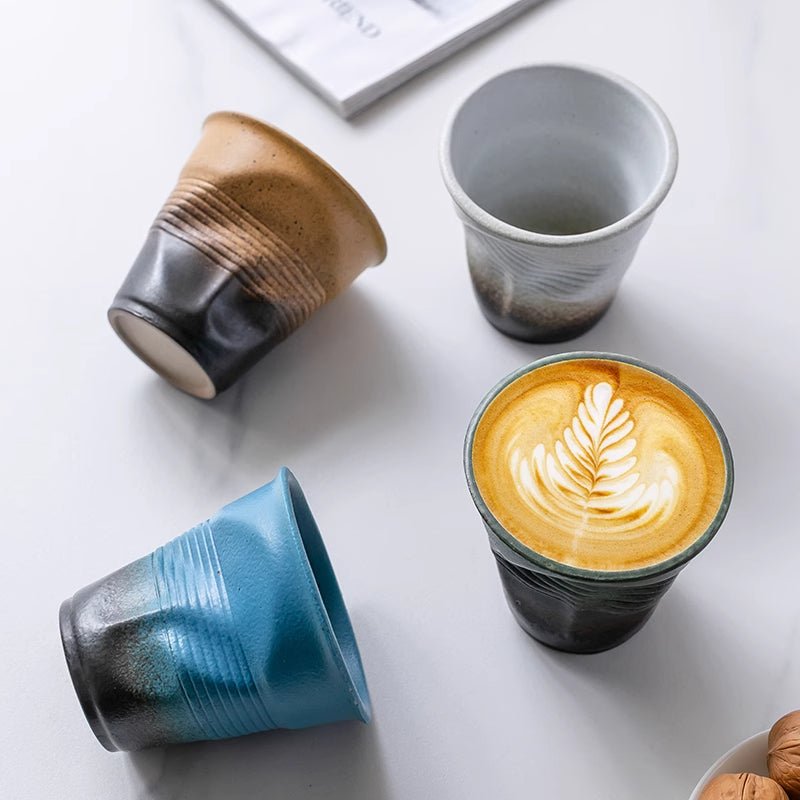
Coffee Cup Mug Ceramic: What Buyers Should Check Before They Buy
A ceramic coffee mug should feel solid in the hand, fit your usual pour, and survive real kitchen use. Here’s what we look for in size, glaze, shape, and care before we stock or recommend one.
En savoir plus
Laisser un commentaire
Ce site est protégé par hCaptcha, et la Politique de confidentialité et les Conditions de service de hCaptcha s’appliquent.