
Clear Glass Coffee Mug Buying Guide: What to Check Before You Buy
Reading time: about 10 minutes
A clear glass coffee mug looks simple until you start using it every day. Then the details show up fast: the rim feel, whether the handle stays comfortable with a full pour, how well it survives dishwasher cycles, and whether the glass looks clean after milk, espresso, or tea.
We handle this category for shoppers who want the look without the regret. In our store, we see a lot of buyers choose glass for presentation first, then realize they also need practical sizing, decent wall thickness, and easy care. That is why we treat a clear glass coffee mug as more than a pretty cup. It has to work on a kitchen counter, at an office desk, and at gift unboxing time without feeling fragile or fussy.
If you are comparing styles across our range, our full collection is the easiest place to compare shapes, sizes, and uses side by side. For a broader materials overview, our Clear Coffee Mug Buyer's Guide: Materials, Sizes, and Daily Use covers the main format choices before you narrow down to one mug.
What makes a clear glass coffee mug worth buying?
A good clear mug does one thing well: it shows the drink without getting in the way. That sounds obvious, but it is the reason many shoppers keep coming back to glass. You can see the crema on an espresso-based drink, the color of a light roast, or the layering in an iced latte. If you serve guests, that presentation matters.
The trade-off is also obvious. Glass can feel less forgiving than ceramic. It may not hold heat as long as a thick stoneware mug, and it will not suit someone who wants a heavy, insulated, travel-first cup. We say that plainly because not every buyer needs glass.
Here is what usually makes a clear mug worth the purchase:
- Visibility: You can see fill level and drink color at a glance.
- Clean look: It works in modern kitchens, office desks, and gift sets.
- Easy pairing: It fits espresso, drip coffee, tea, or cold drinks without looking out of place.
- Lower visual clutter: No glaze color or printed art to clash with your setup.
If your main priority is keeping coffee hot for a long time, a glass mug may not be your best match. If you want a mug that doubles as a display piece and a daily drinker, glass makes a lot more sense.
What material details should you check before ordering?
We look at the material details first because that is where most buyers either get a mug they love or one they replace too soon. Not all clear glass is the same, and the listing photos rarely tell the whole story.
These are the details we check in our store and recommend you check too:
- Glass type: Borosilicate glass is commonly chosen for better thermal resistance than standard soda-lime glass. If you want to compare that material more closely, read our Borosilicate Glass Coffee Mug: What to Check Before You Buy.
- Wall thickness: Thicker walls can feel sturdier in hand, while very thin walls can look elegant but may feel more delicate.
- Rim finish: A smooth, even rim makes a big difference in mouthfeel. Small chips or rough edges are a dealbreaker.
- Handle attachment: A handle should feel secure and leave enough finger room for an adult hand, even when the mug is full.
- Base stability: A flat, balanced base matters on glossy kitchen counters and office desks. A narrow or uneven base can feel tippy.
We also pay attention to visual defects. Tiny bubbles can be normal in some hand-finished glass pieces, but large bubbles, waviness in the wall, or uneven seams can make a mug look cheap and can affect comfort. If a mug is meant for gifting, those small defects matter more than most shoppers expect.
For a direct checklist on buyer red flags, our Clear Glass Coffee Mugs: What Buyers Should Check Before Ordering is a useful companion read.
Which size should you choose for your daily coffee?
Size is where a lot of orders go wrong. A mug can look perfect in photos and still feel too small for a breakfast pour or too large for a simple espresso drink. We usually recommend choosing based on your actual habit, not just the style.
| Typical use | What to look for | Why it matters |
|---|---|---|
| Espresso or short coffee | Smaller capacity, comfortable handle, compact profile | Keeps the drink from looking lost in the mug |
| Drip coffee or tea | Mid-size mug with room for milk or cream | Better for everyday desk or kitchen use |
| Latte or layered drinks | Clear body, wider opening, stable base | Shows the layers and leaves space for foam |
| Irish coffee or dessert drinks | Specialty shape with enough height and hand clearance | Supports presentation and practical serving |
In our experience, shoppers who brew one cup at a time usually prefer a mid-size clear mug that does not overpower the drink. If you mainly enjoy specialty drinks, size and shape matter more than volume alone. That is why our Clear Glass Irish Coffee Mugs: Buyer Guide for Size, Style, and Use helps if you are shopping for a more specific serving style.
One limitation worth saying plainly: a large clear mug is not automatically better. If it is oversized for your brew, your coffee may cool faster and look underfilled. For many buyers, the best mug is the one that matches the drink they actually make most mornings.
How durable is a clear glass coffee mug in daily use?
Durability depends on both the glass and the way you use it. We see two kinds of damage most often: chips on the rim from stacking or sink contact, and stress cracks from sudden temperature changes. That does not mean glass is fragile across the board, but it does mean it asks for a little more care than ceramic.
A clear glass coffee mug is usually a good fit if you:
- wash mugs in the dishwasher and let them air dry or towel dry gently,
- avoid slamming them into a sink divider or metal rack,
- do not pour boiling liquid into a mug straight from a very cold cabinet,
- store them with enough space so the rims are not rubbing together.
It is less ideal if you need something for a desk where mugs get knocked around, a busy household with kids, or a bagged commute. In those cases, a travel mug or insulated cup is the better call. If you are shopping with portability in mind, our Coffee Travel Mug Glass: What to Check Before You Buy is the better comparison point.
We also advise checking whether the mug is intended for hot and cold drinks or mostly for one use case. A mug that looks great for iced coffee may not be the same one you want for daily piping-hot drip coffee.
What should you check for comfort before you buy?
Comfort is easy to overlook online, but it is what determines whether a mug becomes a favorite or stays in the cabinet. A clear glass coffee mug should feel balanced when lifted, not top-heavy or awkward.
We look for these comfort details:
- Handle opening: Enough room for two or three fingers without squeezing.
- Grip balance: The mug should not tilt forward when full.
- Rim feel: Smooth edges make a noticeable difference when drinking slowly.
- Temperature behavior: The mug should be comfortable enough to hold for a normal coffee session, even if it still gets warm with hot liquid.
- Visual clarity: Truly clear glass should not look cloudy or heavily tinted unless that is the intended style.
A lot of shoppers want a mug that feels elegant but still useful at 7 a.m. on a workday. That is where balance matters more than ornament. A fancy shape with a thin handle can be beautiful and still annoying to use. We have seen that trade-off often enough to call it out.
If you want to compare the broader family of glass mugs before settling on a clear option, our Glass Coffee Mug: What to Check Before You Buy covers the key comfort and quality points in a more general format.
How do you care for a clear glass coffee mug without damaging it?
Care is straightforward, but the small habits matter. The good news is that a clear mug is usually easy to keep looking good. The bad news is that hard water spots, detergent film, and tiny chips show up faster on transparent glass than on an opaque mug.
Our practical care routine is simple:
- Rinse quickly after coffee with milk or sweetened drinks.
- Load mugs so they do not touch other hard items in the dishwasher.
- Avoid harsh scouring pads that can scratch the surface.
- Dry with a soft towel if you want to reduce spots and keep the glass looking crystal clear.
- Check the rim and handle area periodically for tiny chips, especially if the mug is used daily.
Glass can be dishwasher-friendly, but that is not the same as dishwasher-proof in every situation. Strong heat, crowded racks, and repeated contact with heavier dishes can shorten the life of any glass mug. If you tend to run packed dishwasher cycles, choose a shape with a sturdy base and enough spacing around the handle.
For buyers who want to compare all available styles in one place, our product selection is the easiest next stop.
What types of buyers should skip a clear glass coffee mug?
We like glass mugs, but we do not recommend them for every shopper. Trust comes from being clear about that.
You may want a different style if you:
- need maximum heat retention for long sipping sessions,
- take coffee on the road or commute with it often,
- want the most impact-resistant option for a busy family kitchen,
- prefer a mug that hides stains, tea lines, or mineral marks more easily.
In those cases, a travel mug, insulated tumbler, or sturdy ceramic mug may fit better. A clear mug is usually best when presentation, everyday desk use, and easy visual cleanup matter more than insulation or ruggedness.
We say that because the right purchase should reduce friction, not create it. A buyer who wants the look of glass but expects insulated performance will be disappointed. Better to match the mug to the job.
Frequently asked questions
Is a clear glass coffee mug good for hot coffee?
Yes, if the mug is made for hot drinks and you use it normally. The main trade-off is heat retention: glass usually does not hold warmth as long as a thick insulated cup. If you sip slowly, choose a mug with a comfortable handle and stable base.
Do clear glass coffee mugs stain easily?
They can show residue faster than opaque mugs, especially with milk, syrup, or tea. The glass itself is not necessarily stained, but water spots and film are more visible. A quick rinse and careful dishwasher loading help keep them looking clear.
What size clear glass coffee mug is best for everyday use?
For many shoppers, a mid-size mug is the safest choice because it works for drip coffee, tea, and smaller milk-based drinks. If you mostly make espresso drinks or layered beverages, size should match the drink instead of aiming for the biggest mug available.
Are clear glass coffee mugs dishwasher safe?
Many are, but you should still check the product details for the specific mug. Even dishwasher-safe glass can chip if it is packed tightly against other dishes. We recommend giving it some space in the rack and avoiding rough contact.
What is better: borosilicate or regular glass?
Borosilicate glass is commonly chosen for better thermal resistance, which makes it a strong option for hot coffee use. Regular glass can still work well, but it may not be the better pick if you want a mug that handles temperature changes more comfortably. For a deeper comparison, see our borosilicate guide linked above.
If you are ready to compare options, start with the checklist above, then browse our collection to match size, handle shape, and glass style to the way you actually drink coffee.
More from our blog
Read more
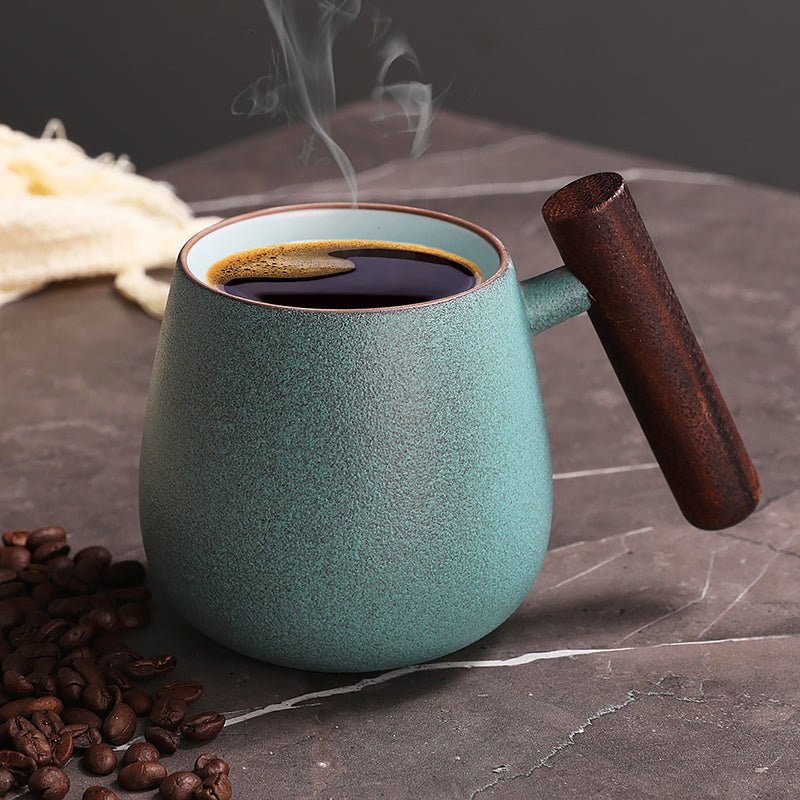
Battery Operated Coffee Mug Warmer: What Buyers Should Check Before Buying
A battery operated coffee mug warmer sounds ideal for desks, bedside tables, and travel setups, but the details matter fast. Here’s what actually separates a useful warmer from one that disappoints...
En savoir plus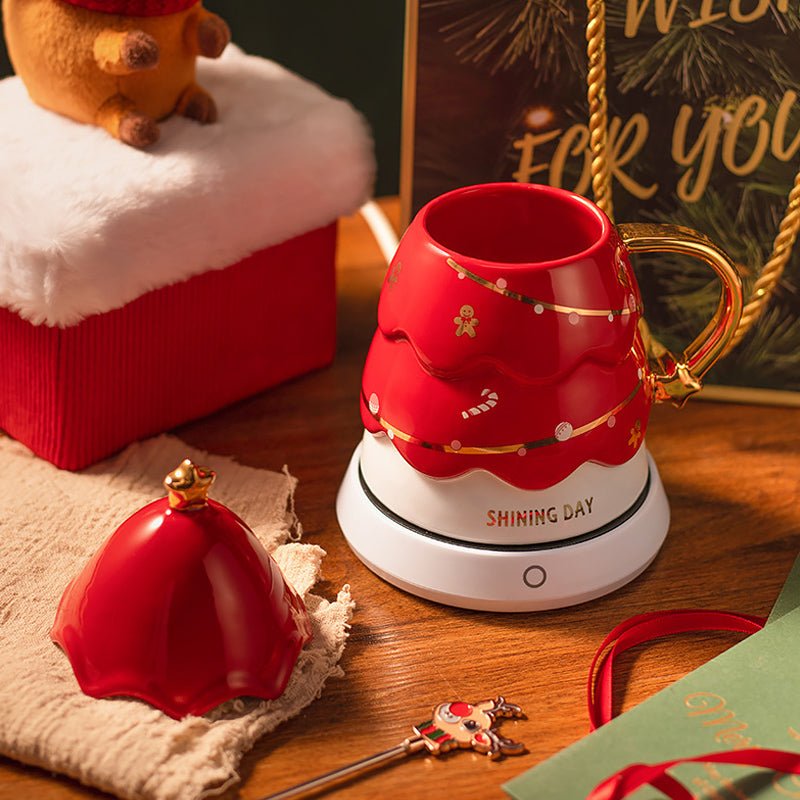
Coffee Mug Christmas Gift Ideas People Will Actually Use
A practical guide to coffee mug Christmas gift ideas, with real buying details on size, material, handle comfort, care, and how to match a mug to the recipient’s routine.
En savoir plus
Laisser un commentaire
Ce site est protégé par hCaptcha, et la Politique de confidentialité et les Conditions de service de hCaptcha s’appliquent.