
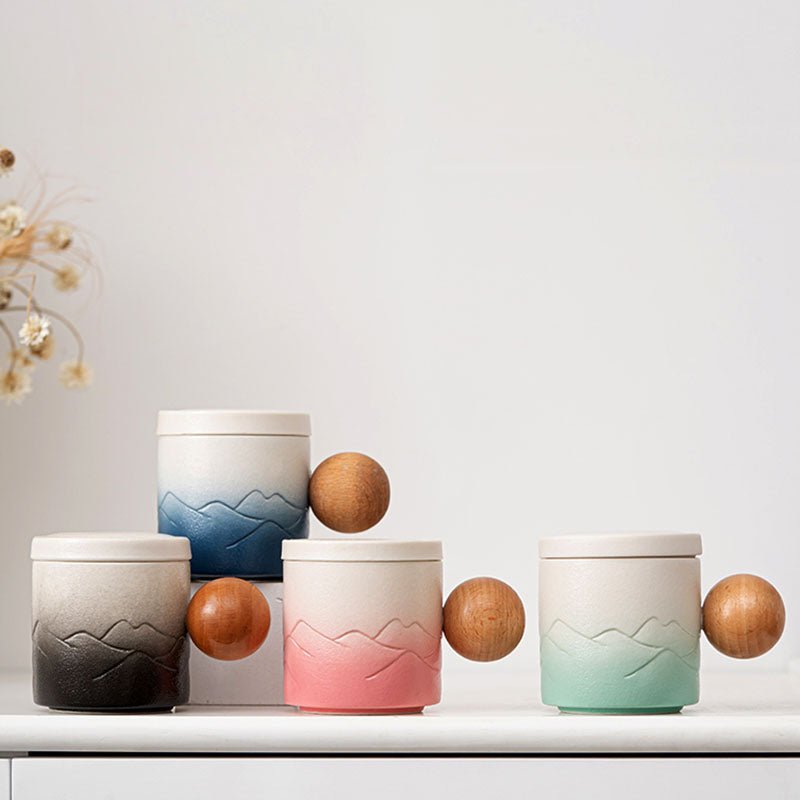
Ceremic Coffee Mug Buying Guide for Daily Use and Better Fit
Reading time: about 9 minutes
A mug that looks great on a product page can still be awkward on a desk. The handle pinches your fingers, the lip feels too thick, or the finish looks nice but shows every mark after a week on the counter. That is usually where a ceremic coffee mug earns or loses its place in the cabinet.
We handle a lot of mugs in our store, and the pattern is consistent: buyers want something that feels good in the hand, holds up to daily use, and still looks like a real object worth leaving out. If that is your goal, the details matter more than the trend name on the listing.
For shoppers comparing options, start with our current selection in the full collection, then narrow by handle style, body shape, and how you actually use your cup day to day.
What should you check before buying a ceremic coffee mug?
Most returns or disappointments come from a few predictable misses. The mug is too small for the drink you make every morning. The handle looks sculptural but does not leave enough room for adult fingers. Or the finish is attractive in photos but less forgiving on a kitchen counter that already sees a lot of traffic.
Before you buy, we recommend checking these points:
- Rim shape and lip comfort: A thinner, smoother rim usually feels better for coffee and tea than a chunky edge.
- Handle clearance: Your fingers should fit without scraping the mug body or forcing a tight grip.
- Body thickness: Thicker ceramic tends to feel sturdier and stay warm longer, but it can also feel heavier in the hand.
- Finish and glaze: A glossy glaze is easier to wipe clean, while a more textured surface can show fingerprints or smudges differently.
- Care requirements: If a mug has a wooden handle, do not assume the same wash routine as a plain ceramic cup.
If you want a fuller checklist, our Ceremic Coffee Mug Buying Guide: What Buyers Should Check goes deeper into fit and daily-use details.
Which mug style works best for daily coffee at home or at a desk?
For everyday use, the best mug is usually the one that disappears into your routine. It should pour easily, sit steadily on a desk, and not get in the way when you are typing, answering email, or carrying a second item at the same time.
In our experience, the most practical ceramic mugs for daily use fall into three broad styles:
| Style | Best for | Trade-off |
|---|---|---|
| Classic ceramic mug | Simple kitchen and office use | Can be plain if you want a stronger visual identity |
| Ceramic mug with wooden handle | Gifting, desk use, and a more tactile feel | Wood needs gentler care than the mug body |
| Sculptural or textured mug | People who want the mug to feel like part of the decor | Sometimes less stackable and less predictable in hand |
If you want a mug that feels a little more designed without becoming fussy, two of our wooden-handle options are worth a look: Mountain Sea II Coffee Tea Mug with Wooden Handle and The Cloud Coffee Tea Mug Wooden Handle. They work well for a desk setup, especially if you like a mug that reads as a gift rather than just a utility item.
That said, wooden-handle mugs are not the best pick for someone who wants a throw-it-in-and-forget-it routine. If your ideal mug needs to go through heavy dishwasher use every day, or you prefer one piece with no mixed materials, a simpler ceramic body may be the better match.
How do ceramic and wooden-handle mugs compare in real use?
The difference is not just visual. It changes how the mug behaves in a kitchen, on a work desk, and during cleanup.
- Pure ceramic mugs are usually the easiest to care for. They tend to be the better pick for buyers who want low friction and fewer parts to think about.
- Wooden-handle mugs have more personality and a warmer feel in the hand, but the wood can demand more attention. We do not recommend soaking the handle or treating it like the ceramic body.
- Textured or shaped mugs can feel premium, but unusual silhouettes may be less friendly for stacking, cabinet storage, or cramped office shelves.
For a detailed size-focused comparison, our 12 oz Coffee Mug Buying Guide for Fit, Comfort, and Daily Use and 11 oz Coffee Mug: Size, Fit, and What to Check Before You Buy are useful if you are deciding whether your next mug should be compact, medium, or a little roomier.
One practical note from handling these products: the junction where wood meets ceramic is a common stress point. It is not something to fear, but it is a spot to inspect if you care about long-term durability. Smooth alignment, clean assembly, and no visible wobble are good signs. A bad fit there is harder to ignore than a minor cosmetic quirk elsewhere.
What materials and finish details actually matter?
For a ceremic coffee mug, the material story is not just "ceramic" versus "not ceramic." It is about the body, the glaze, and any secondary material attached to it.
Here is what we look for when we evaluate mugs for our store and for customers asking real questions at checkout:
- Ceramic body: A solid ceramic body should feel even, not overly thin, and should sit flat on a counter without rocking.
- Glaze consistency: A consistent glaze helps with wipe-down cleaning and gives the mug a more finished look.
- Handle attachment: On wooden-handle styles, the connection point should feel secure and aligned, not loose or uneven.
- Rim finish: Small chips, rough spots, or glaze drips at the lip affect everyday comfort more than most shoppers expect.
We also pay attention to common defect modes that generic product copy tends to skip: small glaze pinholes, uneven glaze coverage near the base, and hairline cracks that may show up around the handle junction or rim after shipping. Those are not design features. They are quality issues to watch for when your mug arrives.
Which ceremic coffee mug is better for gifting?
Gift mugs need a different standard than personal mugs. They need to look intentional out of the box, feel special in the hand, and avoid obvious utility-only vibes. That does not mean they should be fragile or impractical. It means they should strike a better balance between function and presentation.
In our experience, wooden-handle mugs do well as gifts because they photograph nicely, feel a little more considered, and give the recipient something that looks different from a standard cabinet mug. The Rock Coffee Tea Mug is a good example if you want a more grounded, sculptural option without the mixed-material care of a wooden handle.
For shoppers who want a broader view of what is worth checking before they buy, the 11 oz Coffee Mug: What Buyers Should Check Before They Buy article pairs well with gift decisions because it focuses on fit, comfort, and use rather than just appearance.
Gift trade-off: a mug that looks artistic may not be the best choice for someone who wants a simple office mug they can wash with everything else. If the recipient is practical-first, choose ease of care over novelty.
How should you care for a ceramic mug so it lasts?
Good care is simple, but the details matter. A ceramic mug can last a long time in everyday rotation, yet small habits make a big difference in how it looks after repeated dishwasher cycles, sink washups, and countertop knocks.
Our recommended care routine is straightforward:
- Wash promptly after use so coffee or tea does not sit and stain the interior.
- Use a soft sponge rather than abrasive pads, especially on glossy glaze.
- If the mug has a wooden handle, keep water exposure brief and dry it right away.
- Do not leave the mug soaking overnight, especially where wood joins ceramic.
- Inspect the rim and handle junction periodically for chips or stress marks.
There is one real limitation worth saying plainly: a ceramic mug is not a travel mug. It is not insulated in the way a sealed tumbler is, and it is not the right pick for commuters who need spill resistance. If your use case is train rides, car commutes, or long walks to the office, choose a travel vessel instead.
Who should skip a ceremic coffee mug?
Not every shopper should buy this category first. A ceremic coffee mug is a strong choice for desk use, kitchen use, and gift purchases, but it is not the best fit if you need maximum durability from drops, insulation for hours, or a lid that closes tightly.
You should probably skip this style if you:
- Need a mug for on-the-go use rather than sitting at a desk or table.
- Prefer ultralight drinkware.
- Want one mug you can clean in the fastest possible way with no special handling.
- Often stack mugs tightly and need a very uniform shape.
If that does not sound like you, ceramic is still one of the better everyday materials because it gives you a stable feel, a familiar drinking surface, and enough visual range to choose something plain or something with more character.
Frequently asked questions
Is a ceremic coffee mug good for hot coffee and tea?
Yes, ceramic is a solid everyday material for hot drinks. It holds heat reasonably well for normal sipping, though it will still warm up in your hand over time. If you want the drink to stay hot for a long commute, a sealed insulated tumbler is the better tool.
Are wooden-handle ceramic mugs hard to care for?
They are not hard, but they do need a little more attention than all-ceramic mugs. We recommend avoiding long soaking and drying the handle area promptly after washing. If you want the simplest care routine possible, a plain ceramic mug is easier.
What should I check when the mug arrives?
Inspect the rim, handle attachment, and base first. Look for chips, wobble, glaze flaws, or any loose feeling in the handle. Those are the issues most likely to affect daily use, more than small cosmetic differences elsewhere.
Is a ceremic coffee mug a good office mug?
Yes, especially if you want something that feels stable on a desk and looks presentable during meetings. Just make sure the handle leaves enough room for your grip and that the mug size matches how much you actually drink before your coffee cools.
Should I buy a ceramic mug or a travel mug?
Buy ceramic if you drink at home, at a desk, or in a break room and care about comfort and presentation. Buy a travel mug if you need insulation, a lid, and spill resistance. They solve different problems, and trying to make one do both usually leads to disappointment.
If you are still deciding, start with the mug that matches your routine first, not the one that looks best in a photo. Check handle comfort, cleanup effort, and whether you want a simple all-ceramic body or a more distinctive wooden-handle style. Then browse the full collection and compare it against the product pages that fit your daily use best.
Read more
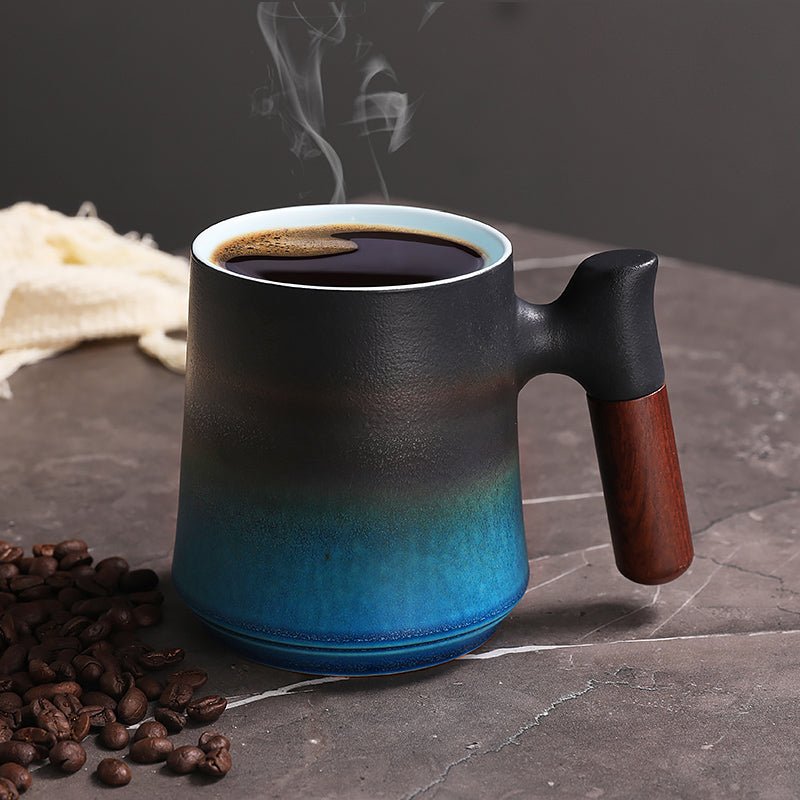
Rabbit Coffee Mugs: How to Choose the Right One for Everyday Use
Rabbit coffee mugs can be charming on a shelf and still miss the mark if the size, handle, or finish is wrong for daily use. This guide breaks down what to compare before you buy, with practical pi...
En savoir plus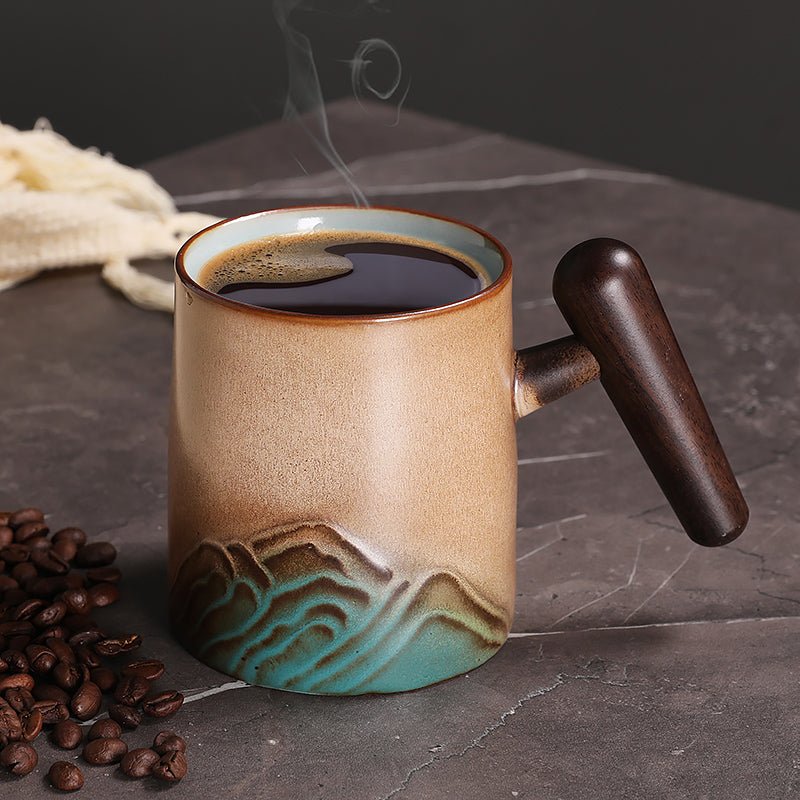
Hidden Message Coffee Mug Buying Guide: What to Check Before You Buy
A hidden message coffee mug should feel fun on day one and still hold up after real use at a desk or in the dishwasher. Here is what we check before recommending one.
En savoir plus
Laisser un commentaire
Ce site est protégé par hCaptcha, et la Politique de confidentialité et les Conditions de service de hCaptcha s’appliquent.