
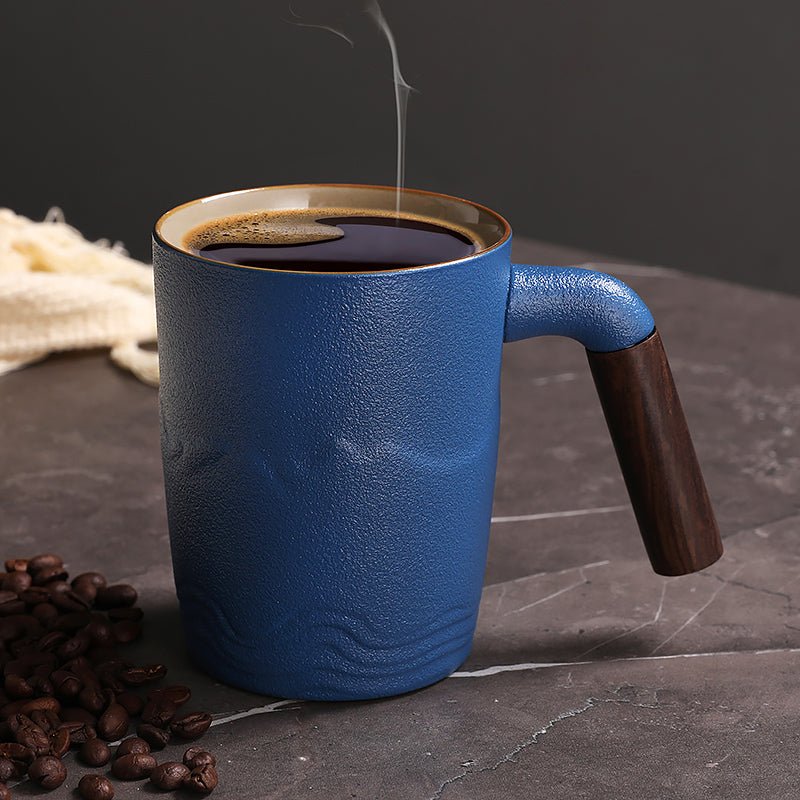
Ceramic vs Porcelain Coffee Mugs Capacity Guide: Daily Fit
Reading time: about 10 minutes
A mug can look right on a product page and still feel wrong after the first morning pour. We see it most often when a shopper expects a compact cup but receives something suited to a long coffee, or chooses a smaller vessel and discovers that it needs two refills before lunch. This ceramic vs porcelain coffee mugs capacity guide focuses on the numbers that affect that daily routine: 200 ml, 270 ml, and 350 ml.
Material matters, but it does not replace capacity. Porcelain is a type of ceramic, and labels such as ceramic, porcelain, stoneware, and earthenware describe the body of the vessel rather than the amount it holds. Wall thickness, shape, glaze, and firing can change the weight and feel in the hand, while the listed milliliter capacity remains the more useful starting point for deciding how much coffee or tea fits.
Which current capacities are being compared?
The three useful reference points in our current selection are 200 ml, 270 ml, and 350 ml. They cover three noticeably different serving routines rather than three nearly interchangeable sizes.
| Listed capacity | Approximate US fluid ounces | Best starting point for | Main limitation |
|---|---|---|---|
| 200 ml | 6.8 fl oz | Short coffee, cappuccino-sized servings, concentrated tea, frequent fresh refills | Limited room for a large milk drink or a long desk-side coffee |
| 270 ml | 9.1 fl oz | Moderate coffee, tea, or an espresso drink with added milk | May still require a refill for shoppers accustomed to 12 oz mugs |
| 350 ml | 11.8 fl oz | Long coffee, larger tea servings, and fewer refills | Can feel oversized for espresso-led drinks or small portions |
These ounce figures are conversions, not separate product specifications. A listed capacity is also commonly a nominal or near-full volume. Your comfortable drinking level will be lower because a mug filled to the rim is difficult to carry without spilling. Foam, milk, tea infusers, and ice reduce the usable liquid space further.
For a compact serving, start with the Pleated Coffee Tea Cup. Shoppers wanting a middle-size daily vessel can compare the Round Coffee Tea Mug. For a longer serving, review the Landscape Coffee Tea Mug. Product details can change, so confirm the capacity and material shown on the selected product page before ordering.
If none of those forms suits your grip, cupboard space, or preferred design, the unique coffee mugs collection is the better next step. Capacity should narrow the field, but it should not force you into a shape you will not enjoy using.
Ceramic vs porcelain coffee mugs capacity guide: does material change the serving size?
Not by itself. A 270 ml porcelain cup and a 270 ml ceramic mug have the same nominal liquid volume. The practical experience may still differ because one can have thinner walls, a wider opening, a heavier base, or a more compact exterior profile.
Porcelain is generally made from a refined ceramic body and fired to a highly vitrified state. It is often associated with a smooth surface and relatively fine walls, but shoppers should not assume that every porcelain cup is thin or lightweight. General ceramic mugs can use several different bodies, including stoneware and earthenware, and their weight and wall thickness vary substantially.
In our experience handling this category, these details affect daily use more than the material word alone:
- Wall thickness: A thick wall can make a mug feel substantial and reduce its interior space relative to an equally wide, thinner-walled cup. It can also change how quickly the rim feels hot.
- Opening width: A broad opening gives milk foam more visible surface area and accommodates some tea infusers, but the drink may cool faster than it would in a narrower form under the same conditions.
- Base and overall shape: A broad or weighty base can feel steady on a kitchen counter or office desk. A rounded body may occupy more cupboard width even if its listed capacity is moderate.
- Glaze and decoration: Surface treatment affects grip and care. Textured, pleated, or detailed areas may need extra attention during hand washing because residue can collect around changes in relief.
We do not identify a vessel as porcelain merely because it looks delicate, white, or glossy. The material field on the individual product page is the source to check. Appearance is not a reliable material test, especially through a screen.
How do 200 ml, 270 ml, and 350 ml fit real refill routines?
The easiest comparison is to picture the drink you make before adding milk, foam, an infuser, or ice. Then account for headroom. A capacity that sounds generous on paper can become tight once the finished drink is assembled.
- Choose 200 ml for short, fresh pours. This size suits someone who makes a smaller coffee and drinks it promptly at the kitchen counter. It also makes sense for concentrated tea or a modest milk drink. The trade-off is refill frequency: it is not the practical choice for a large drip coffee or a drink you want to carry through a long meeting.
- Choose 270 ml for a balanced everyday serving. This is the middle ground for shoppers who find 200 ml restrictive but do not want a near-12 oz mug. It leaves more working room for milk than a compact cup and is still manageable on a crowded desk. It may be too small if your coffee maker routinely dispenses close to 12 oz.
- Choose 350 ml for fewer refills. At approximately 11.8 US fluid ounces, this size is the closest of the three to a familiar 12 oz serving. It suits long coffee, tea, and a slower desk-side drink. It is not ideal for someone who prefers a small espresso-led serving and wants the cup to look proportionate to the drink.
Shoppers who already know that a near-12 oz mug fits their routine can use our 12 oz ceramic coffee mug capacity comparison for a more focused look at that serving range. For smaller espresso-based drinks, the 170, 200, and 270 ml cappuccino cup guide provides a more relevant scale.
Which size works at a kitchen counter, office desk, or tea setup?
A compact morning coffee at the counter
Situation: You make a short drink, finish it while it is fresh, and do not need a large volume beside you.
Why it fits: A 200 ml vessel keeps the serving visually and physically compact. The Pleated Coffee Tea Cup is the relevant product page to check for this routine. It is not the best match for a large automatic coffee-machine setting unless you reduce the programmed pour.
A moderate drink on a busy office desk
Situation: You want enough coffee or tea to avoid an immediate refill, but a large mug would compete with a keyboard, notebook, and phone.
Why it fits: The 270 ml class provides a meaningful step up from a small cup without moving directly to a near-12 oz serving. Review the Round Coffee Tea Mug and confirm its selected specifications. A rounded form may require more cupboard or desk width than a straight-sided cup, so compare the product images with the space where you will use it.
A long coffee or tea during a work session
Situation: You prefer one larger pour and do not want to leave your desk or reading chair for a quick refill.
Why it fits: A 350 ml mug provides the most liquid room in this comparison. The Landscape Coffee Tea Mug is the product path to consider. This capacity is less suitable for a small cortado or espresso because the drink can look lost in the larger interior and may cool across a broader exposed surface.
Tea with an infuser or room for additions
Situation: You use a basket infuser, add lemon, or leave room to lift a tea bag without bringing liquid to the rim.
Why it fits: Start with 270 ml or 350 ml rather than 200 ml. The added capacity gives the accessory and liquid somewhere to go, but infuser dimensions still need to match the opening. Capacity alone does not confirm that a particular infuser will fit.
What capacity trade-offs appear during pouring, carrying, and washing?
Daily handling exposes differences that are easy to miss while comparing product photos. We recommend checking the whole routine, not just the first pour.
- Pouring: Leave headroom for walking from the kitchen to a desk. A 350 ml mug does not require a 350 ml pour every time; using a larger vessel at a lower fill level can reduce spills.
- Milk and foam: Start with the espresso and milk quantities you actually use. A 200 ml cup can become crowded quickly, while a 350 ml mug may be unnecessarily large for a traditional smaller serving.
- Heat changes: Avoid abrupt temperature shock, such as pouring boiling liquid into a refrigerator-cold vessel. Ceramic bodies and glazes can be damaged by severe, sudden temperature changes.
- Dishwasher use: Follow the care instructions on the product page. Do not assume every glaze, applied decoration, or detailed finish is dishwasher safe simply because the underlying body is ceramic or porcelain.
- Inspection: Check the rim, handle attachment where applicable, base, and glaze after repeated use. Rim chips, handle stress cracks, and glaze crazing are different defect modes and should not be ignored.
- Storage: Compare exterior shape with your shelf height and width. Two mugs with the same capacity can occupy different cupboard space because of their walls, body profile, and handle geometry.
For shoppers who specifically prefer a more substantial-feeling vessel, our thick ceramic coffee mug capacity guide separates that handling preference from the volume question.
What should you verify on the product page before ordering?
Use this short check before selecting a product or variant:
- Match the listed milliliters to your normal finished drink, including milk, foam, or tea accessories.
- Allow headroom rather than treating the stated capacity as a spill-free fill line.
- Read the material description instead of identifying porcelain or another ceramic body from appearance.
- Check the product images for opening width, body profile, base shape, and any handle.
- Review the care information before planning regular dishwasher or microwave use.
- Choose the 200 ml option for short drinks, 270 ml for moderate servings, or 350 ml for a near-12 oz routine.
A gift buyer should also consider the recipient's existing mugs. Someone who always reheats a half-finished large coffee may get more value from a smaller cup and fresher refills. Someone who repeatedly tops up a compact cup during work may appreciate the 350 ml option instead.
Frequently asked questions
Does porcelain automatically hold less coffee than ceramic?
No. This ceramic vs porcelain coffee mugs capacity guide uses the listed milliliters because material does not determine volume by itself. A porcelain vessel can hold more, less, or the same amount as another ceramic mug depending on its interior dimensions and shape.
Is a 200 ml cup large enough for milk coffee?
It can suit a modest cappuccino-style or other short milk drink, provided the combined coffee, milk, and foam stay below the rim. It is not a good fit for a large latte or a coffee-machine program that dispenses close to 270 ml or 350 ml before milk is added.
Is 350 ml the same as a 12 oz coffee mug?
It is very close: 350 ml converts to approximately 11.8 US fluid ounces. Remember that the comfortable carrying volume is lower than the brim capacity, so a full 12 oz drink may leave little headroom depending on how the product capacity is measured.
Should I buy 270 ml or 350 ml for an office desk?
Choose 270 ml if desk space is tight and you prefer a moderate drink. Choose 350 ml if reducing refill trips matters more and you routinely drink close to 12 oz. Check the mug's exterior form as well, since equal capacity does not mean equal desk footprint.
Can I put every ceramic or porcelain mug in the dishwasher?
No. Dishwasher suitability depends on the specific body, glaze, decoration, and maker's care guidance. Confirm the instructions on the current product page, and use a nonabrasive sponge for hand washing when a finish or textured surface needs gentler care.
For the quickest decision, write down your normal finished drink volume, add room for milk or an infuser, and decide how often you are willing to refill. Then compare the relevant product page at 200 ml, 270 ml, or 350 ml, or scan our unique coffee mugs collection when shape and design need to be part of the decision.
Read more
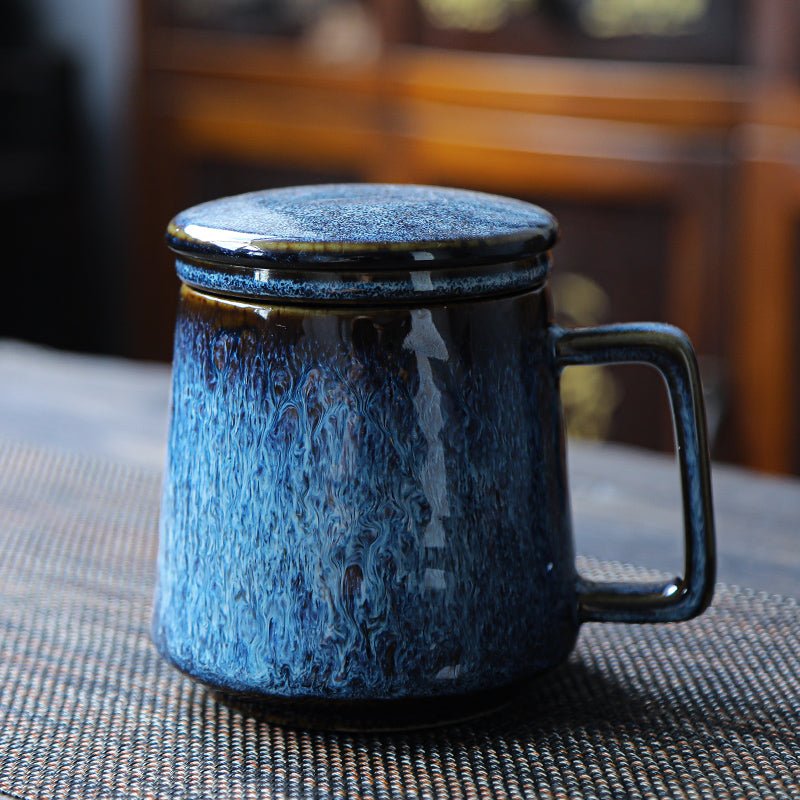
Large Unique Coffee Mugs Capacity Guide: 400, 440, 480 ml
Compare CoffeifyMug's current 400, 440, and 480 ml mugs by realistic pour size, refill pattern, milk and ice allowance, desk use, and gifting fit.
En savoir plus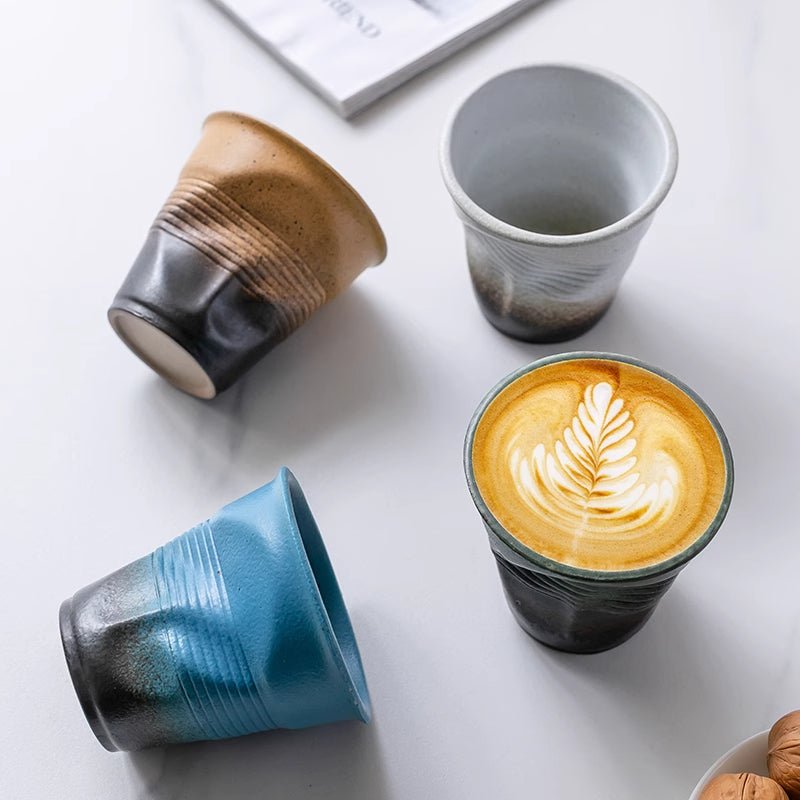
Plain White Ceramic Coffee Mugs Capacity Guide: Daily Fit
Compare the current 400, 440, and 480 ml white ceramic mug options by serving routine, refill frequency, drink headroom, design, and care needs.
En savoir plus
Laisser un commentaire
Ce site est protégé par hCaptcha, et la Politique de confidentialité et les Conditions de service de hCaptcha s’appliquent.