
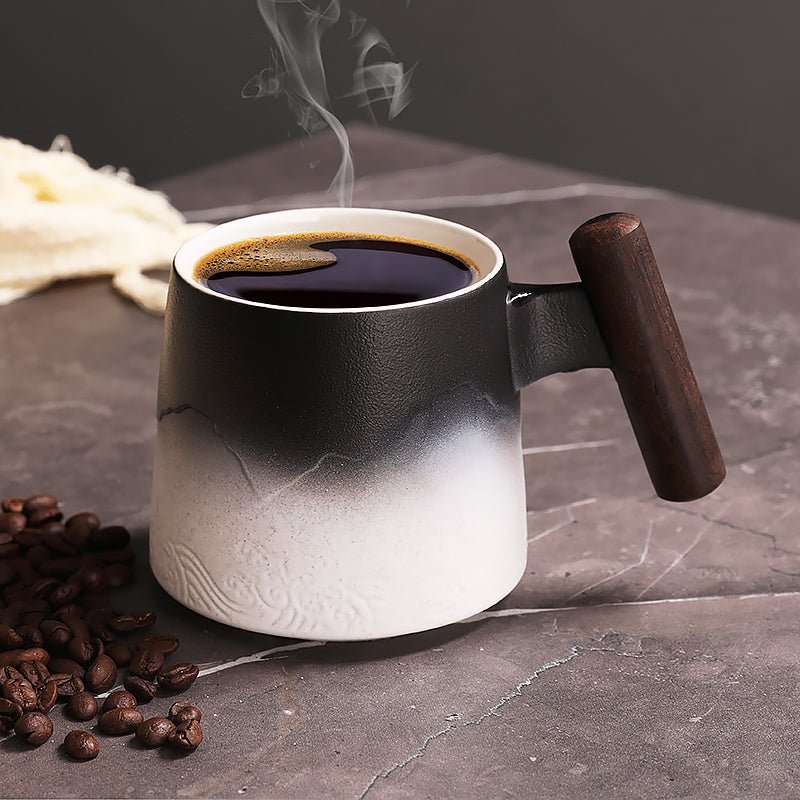
Ceramic Mugs for Tea: What to Buy for Daily Brewing
Reading time: about 8 minutes
A tea mug can look right on a kitchen shelf and still feel wrong at the first sip. The handle pinches. The rim feels too thick. The cup holds more water than your tea ritual needs, so the brew goes lukewarm before you finish it.
That is why we treat ceramic mugs for tea as a practical buy, not a decor choice. In our store, we look at how the mug sits in the hand, how the glaze behaves after dishwasher cycles, and whether the shape supports everyday tea instead of just staging well in a photo. If you want a quick browse, start with our Tea Mugs collection, then compare a more structured option like the Pleated Coffee Tea Cup.
What makes ceramic a strong choice for tea?
Ceramic is popular for a reason. It gives tea a neutral-tasting vessel, it feels solid on a table, and it usually holds warmth long enough for a relaxed cup without making the mug itself too hot to hold for long. That balance is hard to beat for home kitchens, office desks, and gift buyers who want something dependable rather than flashy.
There are a few details we look for every time. A smooth interior glaze helps prevent staining from black tea and herbal blends. A flat foot ring helps the mug sit steady on a counter or tray. A comfortable handle matters more than many shoppers expect, especially when the cup is full and the side walls are warm.
- Good for: daily tea, desk use, and home serving.
- Not ideal for: travel, long commutes, or situations where you need insulation for a long time.
- Worth checking: rim smoothness, handle clearance, and whether the glaze is even inside and outside.
If your tea usually lives in one place and you want a cup that feels grounded, ceramic is usually the safer buy. If you need something that stays hot for an hour in the car, a travel tumbler or insulated mug will do a better job.
What size works best for your daily tea?
We usually think in use cases, not just ounces. A smaller cup keeps delicate tea styles focused. A larger mug is better when you want a single pour that lasts through work email, a meeting, or a slow morning at the kitchen table.
| Typical size | Best for | Trade-off |
|---|---|---|
| 8 to 10 oz | Green tea, oolong, smaller servings | May feel too small for milk tea or a long desk session |
| 12 to 14 oz | Black tea, herbal blends, everyday use | Heavier when full, but usually the most versatile |
| 16 oz and up | Big pours, refills you do not want to make twice | Can cool unevenly and feel bulky in the hand |
A 10 oz mug is often enough for a controlled pour of green tea or a smaller mug of black tea. A 12 to 14 oz mug is the safer all-around pick if you rotate between tea styles or add milk. Once you move into larger sizes, you are trading elegance for capacity, and not every tea benefits from that. Delicate teas can feel lost in a very large vessel, and the mug itself may become harder to handle one-handed.
If you want a deeper size breakdown, our earlier guide on Ceramic Mugs for Tea: How to Choose the Right Size, Shape, and Finish covers the same decision from a broader buying angle.
Which shape feels best in the hand?
Shape changes the whole tea experience. It affects how the mug fits your fingers, how quickly the tea cools, and even how the cup looks on a tray next to a teapot. A mug with a wide belly feels different from a straight-sided cup, even when the capacity is similar.
- Straight-sided mugs: practical, easy to stack, and usually a simple fit for desks and cabinets.
- Rounded cups: comfortable for slow sipping and often nicer to hold for longer sessions.
- Textured or pleated bodies: add grip and visual structure without turning the mug into a novelty item.
- Decorative forms: better for gifting or display, but sometimes less practical if the handle is small or the body is heavy.
That is where the Retro Coffee Tea Cup and the Planet Coffee Tea Mug become useful comparison points. The retro option reads as a straightforward everyday mug. The planet-inspired piece is a better fit if the buyer wants something more expressive on a shelf or in a gift box. The Pleated Coffee Tea Cup sits between those two: it has more visual texture, but it still makes sense for regular tea use.
Which finish and construction details should you inspect before buying?
This is the part many shoppers skip, and it is where disappointment usually starts. In our experience, the issues that matter most show up around the rim, handle, and base. Those are the places where a mug either feels good right away or starts to annoy you on day three.
- Rim quality: the lip should feel smooth all the way around, with no gritty spots or sharp transitions.
- Handle clearance: two fingers should fit comfortably without scraping the mug body.
- Foot ring: a flat, even base keeps the mug steady on a desk or tray.
- Glaze consistency: look for even coverage inside and outside, with no obvious pinholes or pooling at the bottom.
- Common defect modes: hairline cracks, rough seams, and wobbly bottoms are the first signs a mug will age badly.
We also pay attention to care labels. If the mug is dishwasher-safe, that makes life easier, but we still recommend gentle loading and a top-rack-first approach when a mug has a decorative finish. If it is microwave-safe, that helps for tea drinkers who reheat. If it has metallic decoration, skip the microwave entirely.
Those small details matter more than a glossy product photo. A mug can photograph beautifully and still feel awkward once it is full of hot water.
Which ceramic mugs for tea fit different buying scenarios?
We see the same three shopping patterns over and over: daily use, desk use, and gifting. The right mug depends on which one you are solving for.
- Daily kitchen use: choose a mid-size mug with a comfortable handle and a finish that is easy to wipe down after repeated dishwasher cycles.
- Office desk use: choose a stable mug with enough capacity for a long meeting, but not so large that the tea goes lukewarm before you finish it.
- Gift buying: choose a shape with visual personality and a broad audience. A mug that feels distinctive in the hand usually lands better than an oversized novelty piece.
If you are trying to narrow the field quickly, the Tea Mugs collection is the easiest place to compare styles side by side. And if you want a second read before you decide, our guide on Tea Mugs Ceramic: How to Choose the Right Cup for Daily Tea is useful for buyers who care more about daily routine than trend pieces.
What ceramic mugs are not ideal for?
Ceramic is a strong all-around choice, but it is not the answer for every tea drinker. It is not ideal if you commute with tea in hand, want a cup that stays hot for a very long stretch, or need something nearly unbreakable for a shared office. It also is not the best fit for buyers who want an ultra-light cup; ceramic usually has more weight than glass or thin metal.
That weight is not a flaw. For many tea drinkers, it is part of the appeal. A heavier cup feels settled on a table and less likely to tip during an afternoon refill. But if you hate heft, pick a smaller mug rather than forcing yourself into a large one.
For shoppers comparing more than one style, our earlier article on Best Tea Mugs for Daily Use: Size, Shape, and Materials is a useful companion piece.
Frequently asked questions
Are ceramic mugs good for tea?
Yes. Ceramic is one of the most practical materials for tea because it does not add flavor and it gives you a steady, comfortable feel in the hand. The main trade-off is that it does not insulate as long as a travel tumbler or double-wall cup.
What size ceramic mug is best for tea?
A 10 to 14 oz mug works well for most daily tea drinkers. Smaller cups suit delicate teas or slower sipping, while larger mugs make sense for herbal tea, milk tea, or desk use. If you brew loose leaf tea in a basket infuser, make sure the mug has enough width for the infuser to sit properly.
Can ceramic mugs go in the dishwasher?
Many can, but the safe answer is to check the listing and the finish. Plain glazed ceramic is usually easier to wash than mugs with decals, metallic accents, or textured surfaces that can trap residue. If you want the least hassle, look for a smooth glaze and simple care instructions.
Do ceramic mugs stain with tea?
They can, especially if the interior glaze is textured or the mug is left sitting with tea residue for long periods. A smooth, fully glazed interior wipes down more easily. Rinsing soon after use helps more than scrubbing later.
Which ceramic mug style is best for gifting?
Pick a mug that looks distinctive but still usable every day. Buyers usually respond better to a comfortable handle, balanced weight, and a finish that feels thoughtful rather than fragile. A mug like the Planet Coffee Tea Mug is a stronger gift candidate than an overly plain cup if you want the unboxing to feel special.
If you want one last comparison pass before you choose, start with the three styles above, then return to the Tea Mugs collection and compare them against the details that matter to your routine: size, handle fit, glaze, and care.
Read more
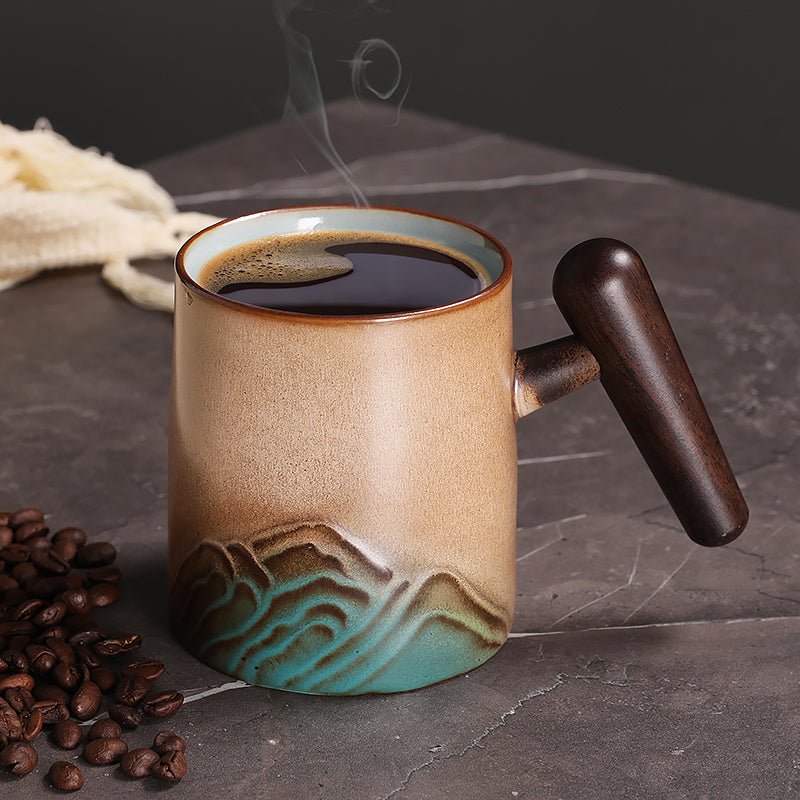
Coffee Large Mug Buying Guide for Daily Use and Desk Comfort
A practical guide to choosing a coffee large mug that fits real mornings, desk setups, and dishwasher use. We cover size, material, handle comfort, and the trade-offs that matter before you buy.
En savoir plus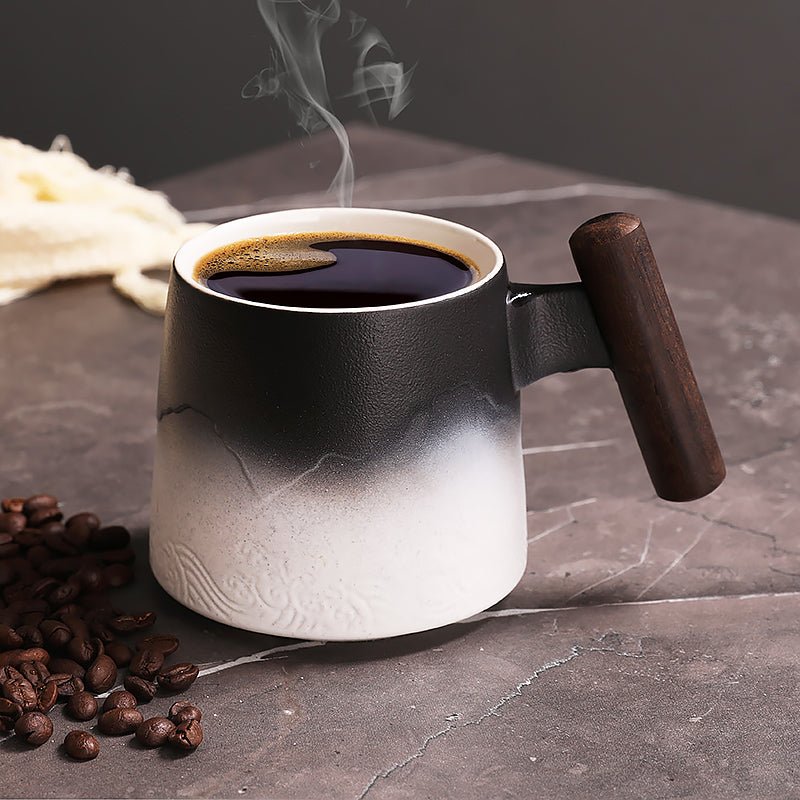
Maintenance Tips to Make Your Coffee Mug Last Longer
Practical maintenance tips for keeping your coffee mug cleaner, brighter, and less likely to chip, stain, or lose its finish. Written from the kind of day-to-day use we see in kitchens, offices, an...
En savoir plus
Laisser un commentaire
Ce site est protégé par hCaptcha, et la Politique de confidentialité et les Conditions de service de hCaptcha s’appliquent.